Mastering Unflavoured Gelatin Powder in Your Kitchen
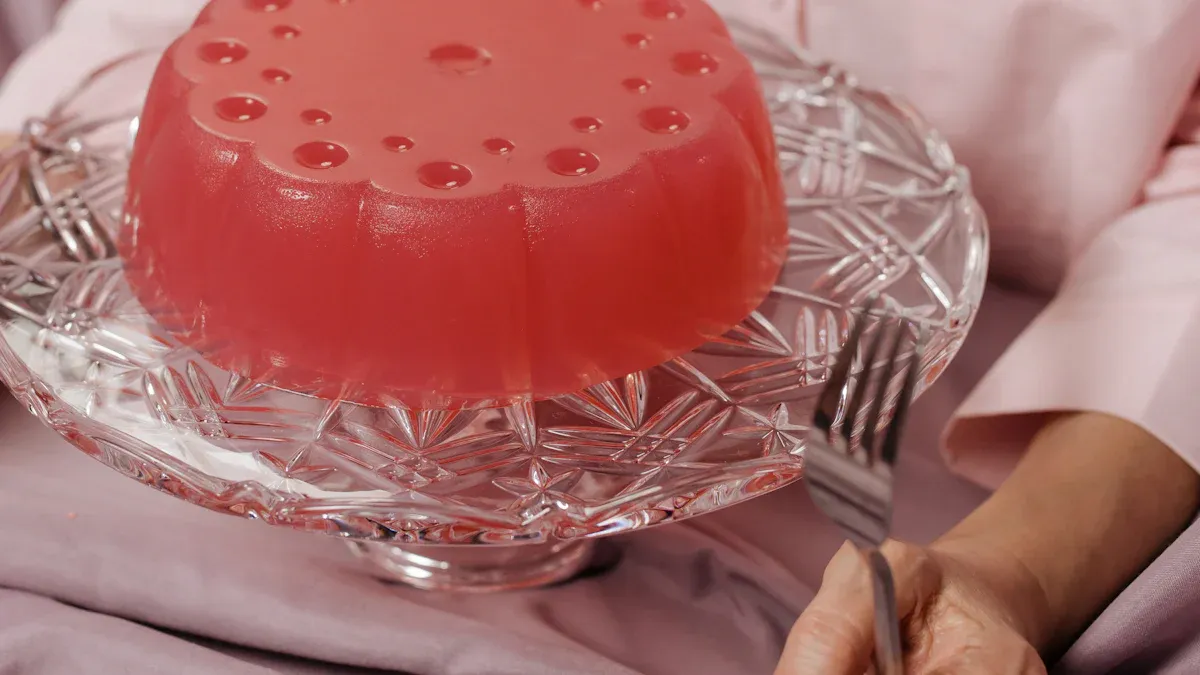
You can transform your recipes with gelatin unflavoured powder. This ingredient acts as a gelling agent, stabilizer, or emulsifier in many foods. Check out some common uses:
| Culinary Application | Description | Role |
|---|---|---|
| Desserts | Used in dessert recipes | Gelling agent |
| Beverages | Added for texture | Stabilizer |
| Food Products | Enhances stability | Emulsifier |
Start by blooming the powder in cold water, then mix it into your dish for smooth, reliable results.
Key Takeaways
- Bloom gelatin unflavoured powder in cold water before use. This step prevents clumping and ensures smooth results.
- Dissolve gelatin gently in warm water, avoiding boiling. High heat can ruin its gelling ability.
- Use the right ratio of gelatin to liquid for firm desserts. One 0.25-ounce sachet sets two cups of liquid perfectly.
Gelatin Unflavoured Powder: Basics and Function
What Is Gelatin Unflavoured Powder?
You might wonder what makes gelatin unflavoured powder so special. This powder comes from animal collagen, which is found in bones, skin, and connective tissues. Manufacturers use hot water to break down collagen, turning it into gelatin. The powder mostly contains protein—about 80-90%—with a mix of moisture and a tiny bit of salts. Glycine, proline, and hydroxyproline are the main amino acids inside. Because it comes from animals, it isn’t suitable for vegetarians or vegans.
Fun fact: The word "gelatine" comes from the Latin "gelatus," meaning "jellied" or "frozen." Ancient Egyptians used gelatin, and the French made it popular in cooking.
How Gelatin Works in Recipes
When you add gelatin unflavoured powder to hot water, the protein strands unravel. As the mixture cools, these strands link up again, forming a network that traps water. This process creates a gel. You need to bloom the powder in cold water first to avoid clumping. The gel’s strength depends on how much powder you use and what other ingredients are in your recipe. Sugars and acids can change the texture.
- Gelatin expands in your stomach, making you feel full.
- You must dissolve it in hot water, around 170°F, for best results.
Main Uses in Cooking and Baking
Gelatin unflavoured powder helps you make both sweet and savory dishes. It gives desserts a smooth, firm texture and keeps savory foods moist.
| Culinary Use | Description |
|---|---|
| Aspic | Sets meat or veggies in a savory jelly |
| Bavarian Cream | Creates a creamy, smooth dessert |
| Mousses | Makes airy desserts stable |
| Ice Cream | Prevents ice crystals for a smoother treat |
| Meatloaf | Keeps meat juicy and tender |
You can also use it in marshmallows, Jell-O desserts, and jelly cakes. Professional chefs rely on gelatin unflavoured powder for its versatility and reliability.
How to Use Gelatin Unflavoured Powder Step by Step
Blooming Gelatin Unflavoured Powder
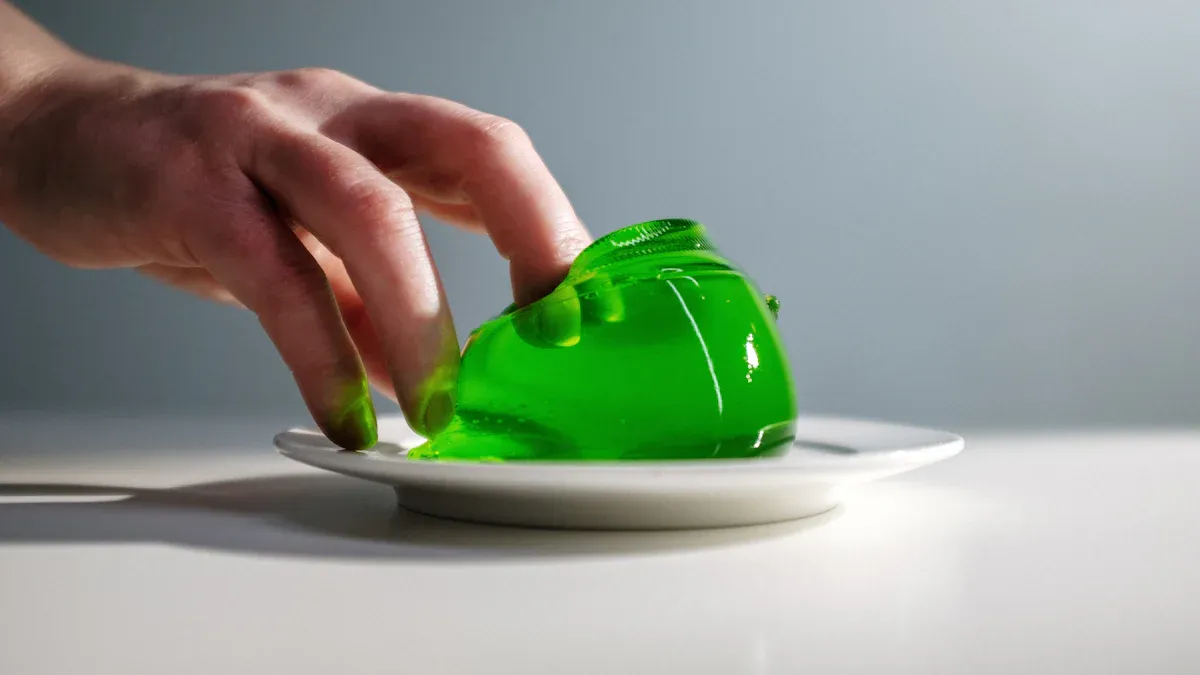
You need to bloom gelatin unflavoured powder before you use it. This step helps the powder absorb water and swell, so it will dissolve smoothly. Here’s how you can do it:
- Place 1/4 cup (60 ml) of cold water in a bowl.
- Sprinkle 1 package (about 2 1/4 to 2 1/2 teaspoons) of gelatin unflavoured powder over the water. Don’t dump it all at once—spread it evenly.
- Let the mixture sit for 5 to 10 minutes. The powder will soak up the water and become thick.
- Gently heat the bloomed gelatin. You can use a low burner or microwave in short bursts until it turns liquid.
Tip: Always bloom gelatin in cold water. If you skip this step, your dessert might turn out lumpy.
Dissolving and Mixing Gelatin
After blooming, you need to dissolve the gelatin. Use gentle heat so you don’t damage its gelling power. Try these steps:
- Soften the gelatin granules in a glass or ceramic bowl.
- Place the bowl in a shallow bath of simmering water.
- Stir gently as the gelatin melts. Don’t let it boil.
You want the gelatin to become clear and smooth. If you use too much heat, the gelatin won’t set right.
Incorporating Gelatin into Dishes
Now you can add the dissolved gelatin to your recipe. Make sure your liquid is not too hot or too cold. For most desserts, the ideal ratio is:
- One 0.25-ounce sachet of gelatin unflavoured powder for two cups of liquid.
- One envelope will firmly set two cups of liquid, which is perfect for unmolding desserts.
Stir the gelatin into your mixture. If you’re making a mousse or cream, fold it in gently. For layered desserts, let each layer set before adding the next.
Note: Gelatin works best at serving temperatures between 105°F and 160°F. This keeps the texture smooth and pleasant.
Tips for Best Results
You can get great results with a few simple tricks:
- Use the right ratio of gelatin to liquid for a firm set.
- Always bloom the powder in cold water.
- Melt gelatin gently and avoid boiling.
- Stir well to prevent lumps.
- Let your dish chill long enough for the gelatin to set.
If you follow these steps, your desserts will turn out smooth and delicious.
Common Mistakes and Troubleshooting
Sometimes things go wrong. Here are some common mistakes and how to fix them:
- Don’t boil gelatin mixtures. High heat can ruin the gelling ability.
- Watch out for fruits like pineapple and kiwi. They have enzymes that stop gelatin from setting. You can heat these fruits to deactivate the enzymes.
- If your gelatin doesn’t set, try these troubleshooting steps:
| Step | Description |
|---|---|
| 1 | Heat the liquid gradually without boiling to help gelatin crystals bloom. |
| 2 | Stir frequently while heating for even distribution. |
| 3 | Mix in more bloomed gelatin while heating to fix unset dishes. |
Callout: Always dissolve gelatin in cold water first. If you skip this, your dessert may not set.
Sheet Gelatin vs. Gelatin Unflavoured Powder
You might see recipes that use sheet gelatin instead of powder. Here’s how they compare:
| Type of Gelatin | Bloom Strength | Application Description |
|---|---|---|
| Gelatin Sheets | Higher bloom | Chefs use sheets for clarity and uniformity. Soak in cold water before use. |
| Gelatin Powder | Lower bloom | Easier to measure and use. Whisk quickly to avoid dense spots. 1 envelope = 5 leaves. Ideal for creamy desserts. |
Sheet gelatin gives a clearer finish, but gelatin unflavoured powder is easier for home cooks.
Substitutes for Dietary Restrictions
If you don’t eat animal products, you can use plant-based substitutes. Here are some options:
| Substitute | Description | Usage Instructions |
|---|---|---|
| Agar agar | Made from algae, flavorless, and works in custards and jellies. | Dissolve in hot liquid, let sit for 60 minutes. Use a 1:1 ratio with gelatin. |
| Pectin | Comes from fruit fiber, forms thick gels with acids and sugars. | Needs boiling to gel. Follow recipe directions for ratios. |
| Carrageenan | From red seaweed, used in many store-bought foods. | Mix with liquid and heat. Use iota for softer foods, kappa for firmer foods. |
Agar agar sets at higher temperatures and gives a firmer, more brittle gel. Gelatin unflavoured powder creates a softer, melt-in-your-mouth texture. Agar is good for vegan diets, but it may not work for every dessert. Pectin is best for jams and jellies.
Block Quote: Gelatin dissolves in warm water, but agar must be boiled to activate its gelling power.
If you want a softer texture, stick with gelatin unflavoured powder. If you need a vegan option, try agar or pectin, but remember the texture will be different.
You can master gelatin unflavoured powder with a few simple steps:
- Bloom in cold liquid.
- Dissolve gently.
- Mix while liquid.
- Chill to set.
- Measure accurately.
- Store in a dry place.
- Avoid raw pineapple and kiwi.
| Mistake | Fix |
|---|---|
| Clumps | Bloom first, whisk calmly. |
| Never sets | Use enough gelatin, avoid fresh pineapple. |
Try new recipes and enjoy experimenting!
FAQ
Can I freeze dishes made with gelatin unflavoured powder?
Freezing can change the texture. You might notice a watery or grainy result after thawing. Try chilling instead for best results.
How long does gelatin unflavoured powder last in the pantry?
Gelatin powder stays good for up to two years. Store it in a cool, dry place.
- Keep the package sealed
- Avoid moisture
What can I do if my gelatin dessert won't set?
| Problem | Solution |
|---|---|
| Not enough powder | Add more gelatin and reheat |
| Fresh fruit | Use canned or cooked fruit |
See Also
10 Creative Methods for Incorporating Bovine Gelatin Powder
Comparing Bovine Gelatin Powder with Fish and Pork Varieties
The Process and Ingredients Behind Edible Gelatin Production
Key Indicators of High-Quality Bovine Gelatin Powder
Understanding the Composition and Production of Bovine Gelatin