How to Use Edible Gelatin in Everyday Recipes
Culinary experts recognize edible gelatin as a staple that enhances both sweet and savory recipes. The following table highlights its versatility across a range of dishes:
| Type of Dish | Examples |
|---|---|
| Desserts | DIY sugar free jello, No Bake Cheesecake, Chocolate Orange Truffles |
| Beverages | Smoothies |
| Soups and Stews | Various soups and stews |
| Sauces and Gravies | Gravies |
| Other Culinary Uses | Thickening agent in various recipes |
The global market for this ingredient continues to expand rapidly, with a value projected at $3.9 billion in 2025 and expected to reach $8.6 billion by 2034.
What Is Edible Gelatin?
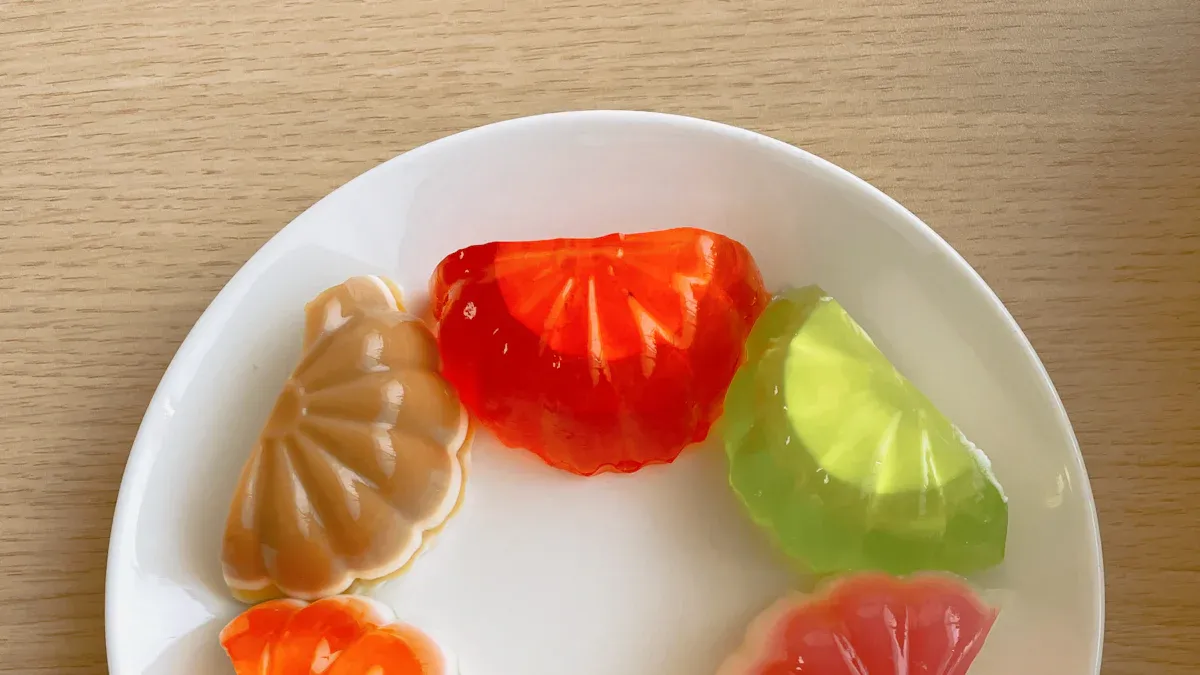
Basic Properties of Edible Gelatin
Edible gelatin serves as a protein-based ingredient derived from animal collagen. Manufacturers typically extract it from sources such as porcine skin, bovine hides, cattle bones, and fish skins. This process transforms collagen into a versatile, flavorless powder or sheet. The chemical composition of edible gelatin includes a high concentration of amino acids, which gives it unique functional properties. Glycine, proline, and hydroxyproline dominate its amino acid profile, supporting its gelling ability.
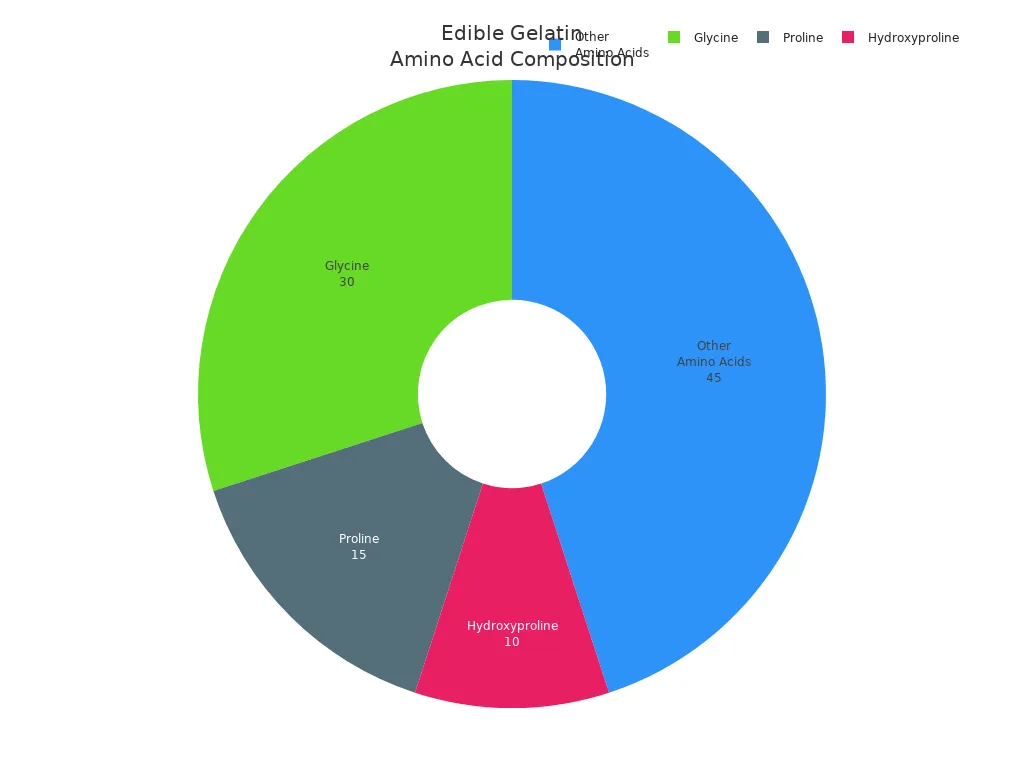
The table below summarizes the main amino acids found in edible gelatin:
| Amino Acid | Percentage |
|---|---|
| Glycine | 30% |
| Proline | 15% |
| Hydroxyproline | 10% |
| Other Amino Acids | 45% |
Edible gelatin consists of 98-99% protein when dry, but it lacks several essential amino acids, making it a nutritionally incomplete protein.
How Edible Gelatin Works in Recipes
Cooks value edible gelatin for its ability to form gels and thicken liquids. When mixed with water, it dissolves and creates a network that traps moisture, resulting in a smooth, elastic texture. This property allows chefs to prepare desserts, snacks, and savory dishes with improved consistency. In recipes, unflavored gelatin acts as a thickening agent, while other ingredients like fruit juice or tea add flavor. Water ensures proper dissolution, and sweeteners can enhance taste without adding many calories.
Tip: Edible gelatin melts at low temperatures and resets when cooled, making it ideal for both hot and cold preparations.
Everyday Uses for Edible Gelatin
Desserts with Edible Gelatin
Edible gelatin plays a central role in many beloved desserts around the world. Its unique ability to create a smooth, wobbly texture sets it apart from other stabilizers. Unlike agar, which produces a firmer and more brittle result, gelatin yields a creamy mouthfeel that melts in the mouth. This property makes it ideal for mousses, jellies, and soft-set puddings. The following desserts showcase the versatility of edible gelatin:
- Pumpkin Chiffon Pie: A light, airy alternative to traditional pumpkin pie.
- Sherry Cream Pie: A classic family favorite for special occasions.
- Coffee Jelly: A vintage dessert that highlights coffee’s bold flavor.
- Chocolate Panna Cotta with Port-Balsamic Cherries: An Italian pudding with a silky finish.
- Coffee Panna Cotta with Chocolate Cream: A modern twist on the classic panna cotta.
- Vanilla Panna Cotta: Creamy and perfect with fresh fruit.
- Panna Cotta (Low Fat & Low Calorie): A healthier take on a traditional favorite.
- Tea-Infused Orange Cream Pudding: A unique dessert with a subtle tea flavor.
Gelatin’s ability to deliver a luxurious, creamy texture elevates these desserts, making them favorites in both home kitchens and professional bakeries.
Snacks Made with Edible Gelatin
Many snack recipes benefit from the functional properties of edible gelatin. Home cooks often prepare homemade gummies, fruit snacks, and marshmallows using this ingredient. Gelatin provides structure and chewiness, allowing for creative shapes and flavors. Modern cuisine has embraced gelatin for innovative uses, such as shimmering aspic garnished with edible flowers or visually striking gelatin 'food art' popular on social media platforms. Health-conscious consumers also enjoy collagen-infused gummies, which promote skin elasticity and joint health. These snacks combine nutrition, fun, and visual appeal, making them popular with both children and adults.
Tip: For homemade gummies, use fruit juice and a small amount of sweetener with gelatin to create a snack free from artificial additives.
Savory Dishes Using Edible Gelatin
Chefs use edible gelatin to enhance the texture and presentation of savory dishes. It acts as a gelling agent in classic preparations and modern culinary creations. The table below highlights common savory dishes that rely on gelatin:
| Savory Dishes |
|---|
| Fish Gelatin |
| Meat Gelatin |
| Aspic |
Aspic, a dish made by suspending meats, vegetables, or seafood in a clear gelatin stock, demonstrates the ingredient’s versatility. Contemporary aspic recipes often feature fresh ingredients and creative garnishes, blending flavor and visual artistry. Traditional dishes such as Polish jellied pig’s feet and Russian kholodets also showcase the cultural significance of gelatin in global cuisine.
Beverages Enhanced by Edible Gelatin
Edible gelatin improves the texture and stability of many beverages. It acts as a thickener and stabilizer, increasing viscosity and enhancing mouthfeel. In juice drinks, a typical gelatin concentration of 2% to 3% ensures a delicate, rich texture that simulates the sensation of fat. Gelatin also prevents sedimentation, keeping solid particles suspended and maintaining uniformity. In winemaking, gelatin removes suspended particles and softens tannins by forming complexes with them. This process reduces astringency and creates a softer, more balanced flavor profile.
- Gelatin thickens and stabilizes beverages, improving taste and mouthfeel.
- It prevents sedimentation, ensuring a uniform drink.
- In wine, gelatin clarifies and softens tannins, enhancing overall flavor.
Beverages enhanced with gelatin offer a refined drinking experience, appealing to both casual consumers and connoisseurs.
Practical Recipe Examples with Edible Gelatin
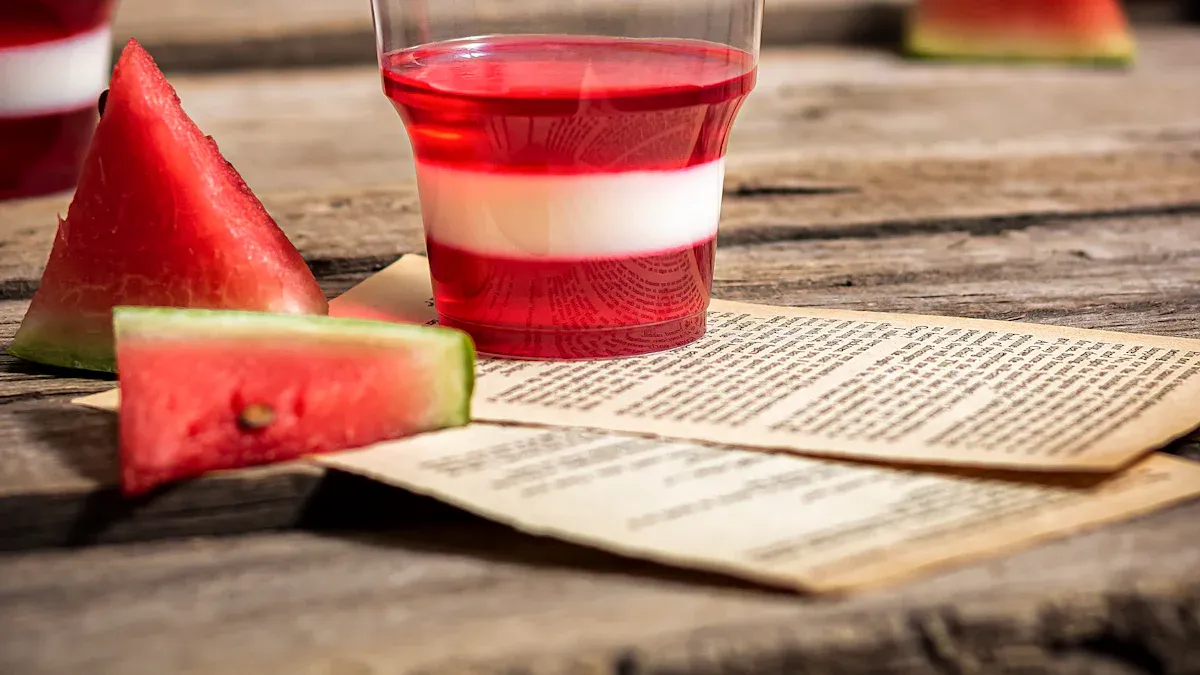
Classic Gelatin Desserts (Jello, panna cotta, No Bake Cheesecake)
Classic desserts like jello, panna cotta, and no bake cheesecake showcase the versatility of edible gelatin. These recipes deliver a smooth, creamy texture that appeals to a wide audience. Many home cooks choose these desserts for their simplicity and reliable results. The nutritional benefits of edible gelatin in these recipes include:
- High protein content, which boosts dietary intake.
- Amino acids such as glycine and proline, supporting muscle repair and skin elasticity.
- Glycine’s calming effect on the brain, which may improve sleep quality.
- Proline’s role in collagen synthesis, aiding joint health and skin regeneration.
Homemade Gummies and Marshmallows
Homemade gummies and marshmallows allow for creative flavor combinations and control over ingredients. These snacks rely on edible gelatin for their signature chewiness and structure. Many families enjoy preparing these treats together, using fruit juices and natural sweeteners for a healthier option.
Thickening Soups, Sauces, and Salmon Mousse
Cooks often use edible gelatin as a thickener in soups, sauces, and savory mousses. This animal-based ingredient dissolves in water and transforms liquids into solids, creating a unique texture. Unlike starch-based thickeners, gelatin provides a clear, glossy finish. It requires hydration in cold water before use, similar to agar agar. Chefs value its ability to deliver consistent results in both classic and modern recipes.
- Animal-based thickener, distinct from plant-based options.
- Requires time to dissolve and thicken.
- Derived from animal collagen, not starch.
Protein-Packed Smoothies and Yogurt
Smoothies and yogurt benefit from the addition of edible gelatin. This ingredient increases protein content and improves texture, making these foods more satisfying. Athletes and health-conscious individuals often add gelatin to their routines for its amino acid profile and functional benefits.
Tips for Using Edible Gelatin
How to Bloom Edible Gelatin
Proper blooming ensures gelatin dissolves evenly and delivers the best texture. Cooks typically sprinkle powdered gelatin over cold liquid and let it stand until the granules absorb moisture. The ideal ratio for blooming is:
- 1 tablespoon of powdered gelatin to 2 cups of liquid
This method prevents clumping and guarantees a smooth result. After blooming, the mixture should appear thick and jelly-like before heating.
Mixing and Dissolving Edible Gelatin
Dissolving gelatin at the correct temperature preserves its gelling properties. Experts recommend the following temperature range:
- 20°C to 30°C (77°F to 86°F)
This range maintains the desirable qualities of gelatin, such as a pleasant mouthfeel and a stable structure. Overheating can weaken the gel, while insufficient heat may leave undissolved granules. Stirring gently helps achieve a uniform mixture.
Adjusting Texture with Edible Gelatin
Gelatin offers remarkable versatility in culinary applications. It acts as a stabilizer in dairy products, preventing separation and maintaining a creamy texture in foods like yogurt and cream cheese. Adjusting the amount of gelatin creates textures from soft and wobbly to firm and chewy. In confections, gelatin provides structure and moisture retention for marshmallows, gummy candies, and mousses. Savory dishes such as terrines and aspics rely on gelatin to bind ingredients without altering their natural flavors. Most recipes require chilling for 4-6 hours to set completely, especially for desserts like panna cotta and mousse.
Troubleshooting and Best Practices for Edible Gelatin
Common Mistakes with Edible Gelatin
Many cooks encounter challenges when working with edible gelatin. The most frequent mistakes include:
- Overheating, which destroys the gelling ability.
- Rushing the setting process, resulting in imperfect gummies.
- Adding hydrated gelatin into a hot base, causing separation or clumping.
- Using fresh kiwi or pineapple, which contain enzymes that prevent proper gelling.
- Failing to hydrate gelatin thoroughly, leading to poor dissolution.
- Waiting too long to use the gelatin mixture, which can reduce effectiveness.
Note: Careful attention to temperature and timing helps prevent these issues and ensures consistent results.
Fixing Texture Issues in Edible Gelatin Recipes
Texture problems often arise during preparation. Culinary experts recommend the following solutions:
| Problem | Solution |
|---|---|
| Slow and difficult rehydration leading to lumps | Use a high shear mixer for rapid dispersion and hydration. |
| Insufficient shear from conventional agitators | High-speed rotation creates suction for intensive mixing. |
| Long mixing times required for dispersion | Circulatory mixing ensures full dispersion and hydration. |
Selecting the right mixing equipment and technique improves the final texture and appearance of gelatin-based foods.
Storing Edible Gelatin-Based Foods
Proper storage maintains the quality and safety of foods made with edible gelatin. Best practices include:
- Store in a cool, dry, well-ventilated area between 15°C and 25°C.
- Keep relative humidity below 60% to prevent moisture absorption.
- Use opaque, air-tight containers to protect from light and odors.
- Lay sheet gelatin flat in rigid boxes to avoid warping.
- Allow refrigerated containers to reach room temperature before opening.
- Follow the First-In-First-Out (FIFO) method for inventory management.
Tip: Consistent storage conditions extend shelf life and preserve texture.
Home cooks find edible gelatin easy to use and highly beneficial. Nutritionists highlight these advantages:
- Supports skin, hair, and nail growth
- Promotes joint health and recovery
- Improves digestion
- Provides dietary collagen and protein
The table below shows how edible gelatin creates unique dishes for everyday meals:
| Use Case | Benefit/Description |
|---|---|
| Thickening sauces | Makes sauces creamy and rich |
| Uncooked desserts | Delivers smooth texture without eggs |
| Nutritional boost | High protein for those unable to consume solid meals |
| Low-calorie option | Nutritious, low-calorie meals |
| Easy to use | Simple activation with cold water and brief heating |
| Cake decorations | Creative cake decoration |
| Preventing freezing | Maintains soft texture in frozen desserts |
| Immune-boosting gummies | Fun, healthy snacks |
| Collagen source | Benefits skin, bones, hair, and nails |
Experimenting with edible gelatin helps home cooks create delicious, unique dishes every day.
FAQ
Can edible gelatin be used in vegan recipes?
No, edible gelatin comes from animal collagen. For vegan recipes, they should use agar-agar or pectin as alternatives.
How long does it take for gelatin to set?
Gelatin usually sets in 4 to 6 hours in the refrigerator. For best results, they should chill the dish overnight.
Is edible gelatin safe for children?
- Yes, edible gelatin is safe for most children.
- Parents should check for allergies and consult a doctor if unsure.
See Also
The Process and Ingredients Behind Edible Gelatin Production
10 Creative Methods to Incorporate Bovine Gelatin in Cooking
Comparing Bovine Gelatin Powder with Fish and Pork Varieties
The Health Benefits of Bovine Gelatin Powder Explained
Understanding the Composition and Production of Bovine Gelatin