How to Use Urine Test Strips at Home
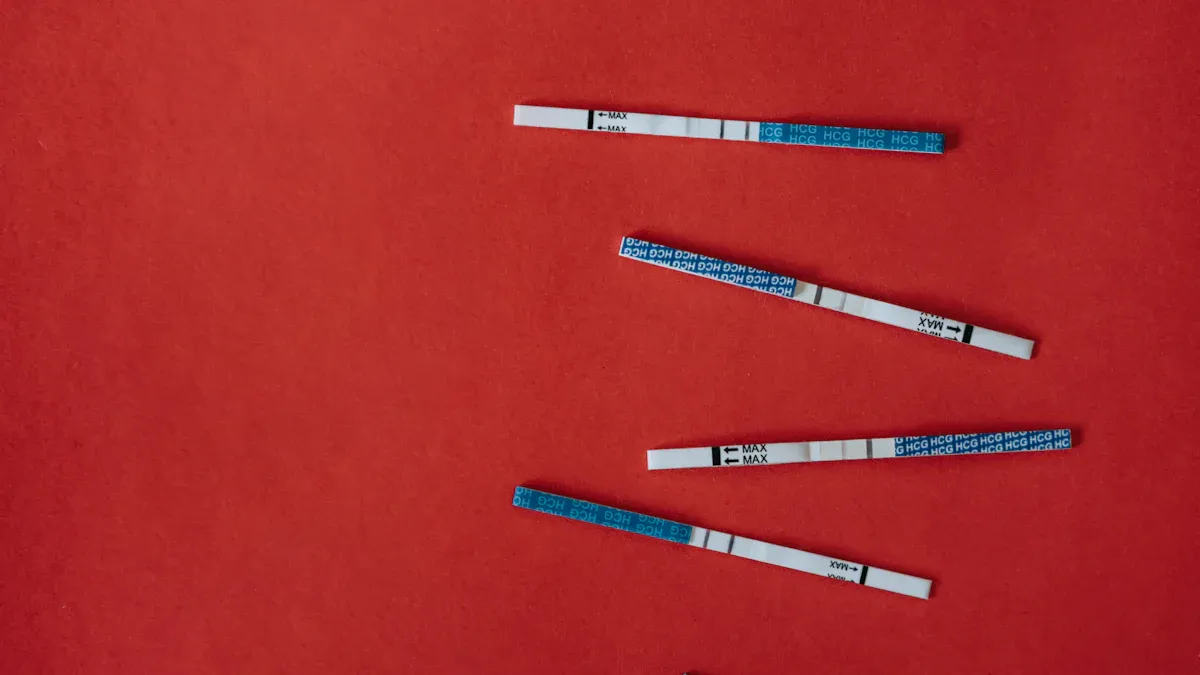
You can easily use a urine test strip at home. With 150 million UTIs yearly, these tests offer a quick screening. The market is growing over 3.8% annually.
To start, collect a clean, mid-stream sample. Dip the strip, tap off excess, and hold it flat. Wait for the specified time before reading.
Comprehensive tools like 14 Parameter Urine Test Strips for Urinalysis Tests for Ketone Calcuim help monitor many health markers.
Key Takeaways
- Follow all steps carefully when using a urine test strip. This includes collecting a clean sample and dipping the strip correctly. This helps get good results.
- Understand what the colors on the strip mean. Compare them to the chart on the bottle. This helps you learn about your health.
- Home urine tests are a first step. Always talk to a doctor about your results. They can give you the right diagnosis and treatment.
A Step-by-Step Guide to Using Your Urine Test Strip
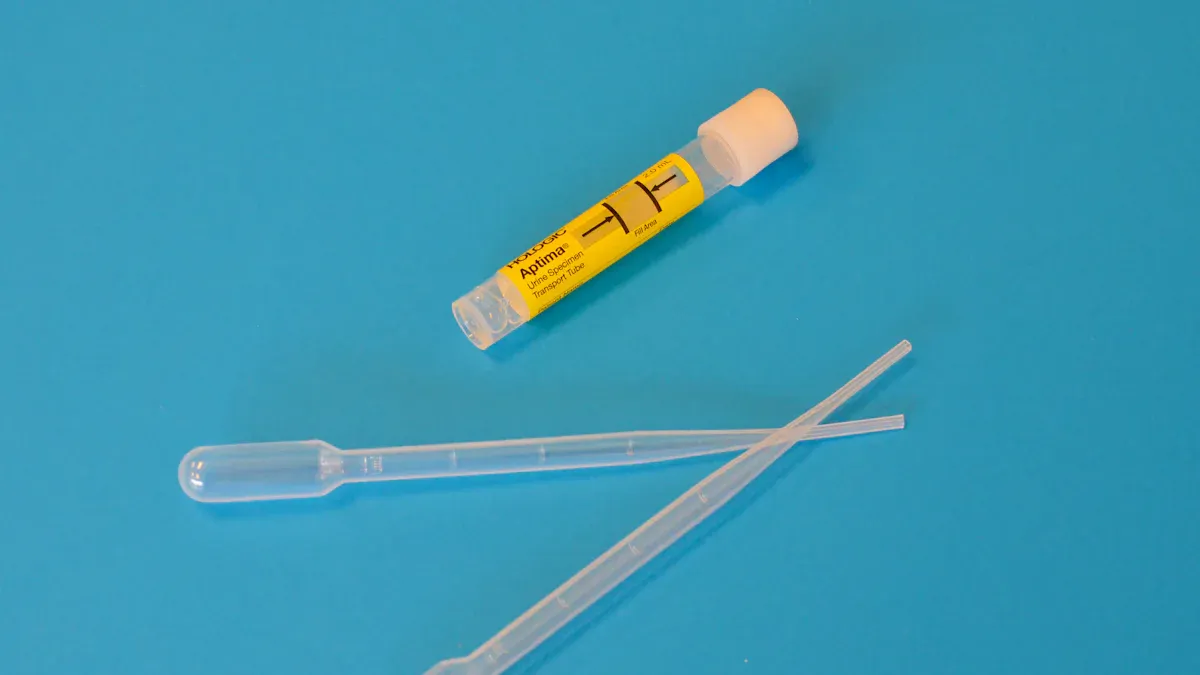
Following the correct procedure is essential for getting accurate results from your at-home test. This guide will walk you through each step, from preparation to reading the results, helping you avoid common mistakes.
Step 1: Get Ready for the Test
Proper preparation is the first step toward a reliable test. You should start by carefully reading the instructions included with your kit. Each brand can have slightly different requirements for timing and procedure.
Before you begin, check the expiration date on the container. Expired kits can give you false positive or negative results because the chemical pads may no longer react correctly.
Your diet and fluid intake also affect your urine.
- A high-meat diet can lower your urine pH. A vegetarian diet can raise it.
- Foods like beets can change your urine's color.
- Avoid drinking too much water right before the test. Overhydrating dilutes your urine and can make the results inconclusive.
Tip: When is the best time to test? Your urine concentration changes throughout the day. First-morning urine is very concentrated and might not reflect your average daily levels. For many tests, especially for hydration, a sample collected in the mid-to-late afternoon (between 2:00 PM and 8:00 PM) often provides a more accurate picture.
Step 2: Collect a Clean-Catch Urine Sample
Collecting a "clean-catch" sample prevents bacteria from your skin from contaminating the urine. Contamination can lead to false-positive results, especially for infections. Using a sterile container is vital for an accurate reading.
Follow these steps for a proper mid-stream, clean-catch collection:
- Wash your hands thoroughly with soap and water.
- Open the sterile collection cup. Do not touch the inside of the cup or lid.
- Use a cleansing towelette to clean your genital area.
- For females: Separate the skin folds and wipe from front to back.
- For males: Clean the tip of the penis. Retract the foreskin if necessary.
- Begin urinating into the toilet for a few seconds.
- Stop the stream, then place the collection cup under you.
- Continue urinating into the cup until it is about halfway full.
- Finish urinating into the toilet.
- Securely screw the lid onto the cup.
Step 3: Dip and Handle the Strip Correctly
How you handle the urine test strip is just as important as collecting a clean sample. Mishandling can cause the chemical pads to mix, ruining the test.
- Dip Briefly: Submerge all the reagent pads on the strip into the urine sample. Keep it in for no more than one or two seconds. A quick dip ensures the pads get wet without dissolving the chemicals.
- Remove Excess Urine: As you pull the strip out, gently drag its edge against the rim of the cup. This action removes most of the excess urine.
- Prevent Bleeding: Hold the strip horizontally (flat) after dipping. This position stops urine from running from one pad to another, which would cross-contaminate the reagents and invalidate your results. You can also blot the side edge of the strip on a paper towel.
Caution: Never touch the reagent pads with your fingers. The oils and germs on your skin can interfere with the chemical reactions.
Step 4: Time Your Reading Accurately
Each pad on a urine test strip is designed for a specific reaction time. You must wait for the exact time listed on the bottle's instructions before reading the results.
Reading the strip too early may give you a false negative because the chemical reaction is not finished. Reading it too late is also a problem. The colors can continue to change after the recommended time, but these later changes are not accurate and can lead to a false positive. For most tests, any changes that appear after two minutes should be ignored. A delay in testing, even by a day, can significantly alter results for key markers like leukocytes, proteins, and nitrites.
Use a timer or a watch to ensure you read each pad at the correct moment. Some pads require 30 seconds, while others may need 60 or 120 seconds.
How to Read and Interpret the Results
Once you have followed the testing procedure correctly, the next step is to understand what the colors on your strip mean. This part of the process requires careful observation and a basic knowledge of the health markers being tested.
Step 1: Compare the Strip to the Color Chart
After the correct waiting time has passed, you are ready to read the results. Hold the strip next to the color chart printed on the bottle. Match each reagent pad to its corresponding color row on the chart.
It is essential to read the results carefully in a good light. Dim lighting can make it difficult to see subtle color changes, which could lead to an incorrect interpretation.
For a more modern approach, you can use technology to help you.
- Some smartphone apps, like 'Colorimetrix', can analyze a picture of your test strip. The app reads the colors for you and provides a numeric result.
- Other applications, such as one from Spark, act as a "reader" for your strip. They use special algorithms to analyze an image from your phone's camera, turning the colors into measurable data.
These tools can make reading the results easier and more accurate, especially when you are in a place without expensive lab equipment.
Step 2: Understand Key Health Indicators
Your urine test strip checks for several substances. Each one provides a clue about your body's health. Here are some of the most common indicators and what they can tell you.
- Leukocytes: These are white blood cells. High levels of leukocytes in your urine can point to inflammation or an infection somewhere in your urinary tract, like the bladder or kidneys. It may also suggest non-infectious causes, such as kidney stones.
- Nitrites: Certain bacteria can turn a substance called nitrate (found in many foods) into nitrite. Finding nitrites in your urine is a strong sign of a bacterial infection, like a urinary tract infection (UTI). However, a negative result does not completely rule out a UTI, because not all bacteria produce nitrites.
- Protein (Proteinuria): Healthy kidneys keep protein in your blood. If your kidneys are damaged, protein can leak into your urine. Protein in the urine can be an early sign of chronic kidney disease. Even small amounts can indicate that the kidney's filters are not working correctly.
- Glucose (Glucosuria): Your kidneys normally reabsorb sugar back into the body. Glucose in the urine often means your blood sugar is too high. This is a common sign of type 1 or type 2 diabetes. During pregnancy, it can also indicate gestational diabetes.
- Ketones (Ketonuria): Your body produces ketones when it burns fat for energy instead of glucose. Small amounts can be normal, especially if you are fasting or on a ketogenic diet. However, moderate to large amounts can be dangerous and may signal a serious condition called ketoacidosis, which is a medical emergency, particularly for people with diabetes.
- pH Level: This measures how acidic or alkaline your urine is. A consistently high or low pH can be a sign of an underlying issue. High pH may suggest kidney stones or a UTI. Low pH could point to conditions like diabetic ketoacidosis or severe diarrhea.
- Blood (Hematuria): Finding blood in your urine can be caused by many things. Common causes include UTIs, kidney stones, or an enlarged prostate. It can also result from strenuous exercise or menstruation.
- Specific Gravity: This test shows how concentrated your urine is. A high specific gravity often means you are dehydrated. A low specific gravity suggests your urine is very diluted, which can happen if you drink too much fluid.
Step 3: What Your Results Might Mean
It is important to view your results with the right perspective. At-home tests are great for screening, but they have limitations.
- Accuracy Concerns: Studies show that a home Urine Test Strip cannot reliably rule out an infection. Their accuracy may only be around 30%. If your test is negative but you still have symptoms, you should question the result.
- Lab Tests vs. Strip Tests: Complete urine tests done in a lab are more sensitive and accurate. They are performed by trained professionals who can detect things that strips might miss.
Many factors can also interfere with your results, leading to a false positive or a false negative. A false positive is when the test says a substance is present, but it is not. A false negative is when the test fails to detect a substance that is actually there.
| Factor | How It Can Affect Results |
|---|---|
| Medications | High doses of Vitamin C can cause false negatives for glucose and blood. Antibiotics like tetracycline can interfere with leukocyte readings. |
| Foods | Eating poppy seeds can sometimes trigger a false positive for opiates. Beets can change your urine color and make the strip hard to read. |
| Supplements | Some diet pills or cold medicines contain substances that are structurally similar to amphetamines, causing false positives. |
| Urine Condition | Very dark urine can disrupt color development. An alkaline urine pH (above 7.5) can cause a false positive for protein. |
Step 4: When to See a Doctor
You should always discuss your results with a healthcare provider, especially if they are abnormal. These tests are a starting point, not a final diagnosis.
A doctor will consider your results along with your medical history and symptoms. They may order more tests to understand the full picture. Do not ignore your symptoms, even if your test results are normal.
Seek urgent medical attention if you have abnormal test results paired with any of the following symptoms:
- Fever or chills
- Back pain, especially in your side or flank
- Nausea and vomiting
- Blood in your urine
- Extreme exhaustion
- Breathing problems
- An abnormal heartbeat
Your doctor is the best person to give you a definitive diagnosis and recommend the right treatment plan.
For the most reliable results, you must follow all package instructions carefully. A urine test strip provides helpful screening information. However, it is not a substitute for a professional medical diagnosis. Always follow up with your doctor to discuss any results and get the right treatment plan.
FAQ
When is the best time to take a urine test?
For many tests, you get the most accurate picture in the mid-to-late afternoon. First-morning urine is very concentrated and can sometimes affect results.
What should I do if my results are abnormal?
You should always discuss abnormal results with your doctor. These tests are for screening. They do not replace a professional medical diagnosis.
Can I use an expired urine test strip?
No, you should not use an expired strip. The chemical pads can break down over time. This may give you inaccurate or false results.
See Also
Selecting the Optimal A1 A2 Milk Test Kit for Dairy Operations
Understanding Tablet Sampling Machines: A Comprehensive Lab Selection Guide
Key Steps for Successfully Obtaining PED 2014/68/EU Certification
Unexpected Methods for Effective Troubleshooting of Sulfur Recovery Catalyst
Top 5 Applications for Single Stage Rotary Vane Vacuum Pump Sets