Keep Your Desk Water Dispenser Fresh A How-To Guide
Note: Your desk water dispenser can harbor harmful bacteria like Pseudomonas Aeruginosa if not cleaned. These germs thrive in standing water and can cause illness.
You can keep your water safe and fresh. Perform an initial cleaning with a simple vinegar solution. Sanitize the unit every 3-6 months and rinse it well.
Key Takeaways
- Clean your new water dispenser before its first use. This removes manufacturing dust and ensures fresh-tasting water.
- Deep clean your dispenser every 3 to 6 months. This stops germs from growing and keeps your water safe.
- Always unplug your dispenser before cleaning. This prevents electric shock and keeps you safe.
Your First-Time Setup Guide
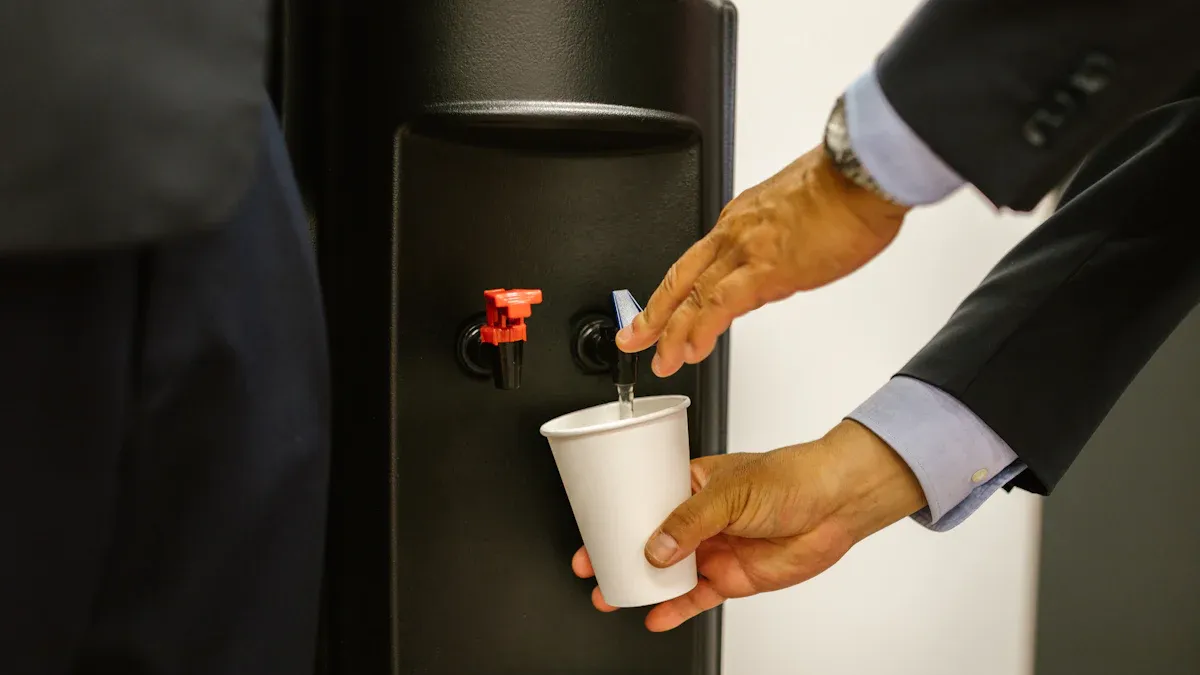
You just brought home a new desk water dispenser. Congratulations! You are one step closer to convenient, refreshing hydration. Follow these simple setup steps. You will ensure your first glass of water is as fresh and clean as possible.
Unboxing and Placement
First, you need to unbox your new appliance. Carefully remove all packaging materials and components from the box. You should check the user manual for a list of parts. Make sure you have everything.
Next, find the perfect spot for your dispenser.
- Choose a flat, stable, and level surface on your desk or a nearby counter. An uneven surface can cause leaks or operational issues.
- Place the unit away from direct sunlight. Sunlight can warm the water and encourage algae growth inside the reservoir.
- Ensure there is enough space around the dispenser for proper ventilation. This prevents the cooling mechanism from overheating.
The Pre-Use First Clean
You should always clean a new appliance before its first use. This process removes any dust or residues from manufacturing and shipping. A simple cleaning solution works best.
1. Create Your Cleaning Solution You can easily make a non-toxic cleaner with white vinegar and water. This solution disinfects and deodorizes the unit effectively.
- For a standard clean, mix 1 tablespoon of white distilled vinegar for every gallon of water.
- If you notice a strong plastic smell, you can use a stronger mix. Try 2 cups of white vinegar with 2 gallons of hot water.
Tip: Vinegar-Free Options If you dislike the smell of vinegar, you can use other non-toxic cleaners. A paste of baking soda and water can clean surfaces. You can also use a diluted solution of castile soap.
2. Wash and Sanitize Unplug the unit. Remove all washable parts like the drip tray and bottle adapter. Wash them with warm, soapy water and rinse them well.
Pour your vinegar solution into the dispenser's reservoir.
Allow the cleaning solution to rest in the reservoir for 10–15 minutes. This time lets the solution disinfect and eliminate potential bacteria.
After waiting, drain the solution through the spigots into a bucket or sink.
3. Rinse Thoroughly You must rinse the system completely to remove any vinegar taste. Fill the reservoir with fresh, clean water. Drain it through the spigots. Repeat this rinsing process two to three times. This ensures your drinking water will taste pure and fresh.
Installing the Water Bottle
Now you are ready to install the water bottle. Proper installation prevents leaks and ensures your dispenser works correctly.
How to Seat the Bottle Securely
- Remove the protective cap from the new water bottle.
- Lift the bottle and carefully place it onto the top of the dispenser. Align the bottle neck with the dispenser's probe or opening.
- Press down gently until the bottle fits snugly. You may hear a gurgling sound as water fills the reservoir. This is normal.
- Check for any leaks around the connection point.
- If you see drips, carefully lift the bottle and reseat it. A proper seal is crucial.
Signs of an Improperly Installed Bottle Pay attention to these signs. They indicate the bottle may not be seated correctly.
- Water Leaking: Puddles around the base of your desk water dispenser are a clear sign of a bad seal or a cracked bottle.
- No Water Flow: If the spigot releases no water, an airlock may have formed due to an incorrect seal.
- Strange Noises: Gurgling is normal at first, but constant strange noises could mean air is entering the system through a gap.
- Odd Taste or Smell: A poor seal can expose the water to air and contaminants, leading to an unpleasant taste.
Following these setup steps will give you a great start with your new appliance. You can now enjoy clean, fresh water right at your desk.
How to Clean Your Desk Water Dispenser
Regular maintenance is the key to enjoying fresh, clean water from your dispenser. Over time, standing water can become a breeding ground for bacteria. You can easily prevent this with a deep clean every 3 to 6 months. This routine ensures your water source remains safe and your water tastes great.
Preparing for a Deep Clean
Before you begin, you should gather all your supplies. Having everything ready makes the process smooth and efficient. Your first step is always safety.
Important Safety First! ⚠️ You must unplug your desk water dispenser from the electrical outlet before you start cleaning. This prevents any risk of electric shock.
Next, remove the water bottle from the unit and set it aside. Now, collect your cleaning tools.
Your Deep Cleaning Toolkit:
- White vinegar or a mild bleach solution (never mix these two chemicals)
- Soft microfiber cloths or sponges
- A soft-bristled brush for tight spots
- A bucket or large bowl to catch water
- Mild dish soap
- Rubber gloves for hand protection
Cleaning Removable Parts
You should start by cleaning all the parts you can remove. These components often collect dust and drips.
- Take out the removable parts. This usually includes the drip tray, the bottle adapter, and any baffles inside the reservoir.
- Fill a sink or basin with warm water. Add a small amount of mild dish soap to create a soapy solution.
- Place the parts in the soapy water. Let them soak for about 5-10 minutes to loosen any grime.
- Use a soft sponge or brush to gently scrub each part. Pay special attention to corners and crevices where buildup can occur.
- Rinse every component thoroughly under clean running water. You want to remove all soap residue.
- Set the parts on a clean towel to air dry completely. Putting them back wet can encourage mold growth.
Pro Tip: Cleaning the Spigots Spigots need special attention. You can clean their exterior by wiping them with a cloth dipped in your cleaning solution. Then, wipe them again with a cloth dampened with plain water to remove any residue.
Sanitizing the Reservoir and Lines
Now you will sanitize the inside of the dispenser. This step kills any hidden bacteria in the reservoir and water lines. White vinegar is a safe and effective sanitizer for this job.
Create a powerful cleaning solution by mixing equal parts white vinegar and water. For most units, a mix of a half-gallon of vinegar and a half-gallon of water works perfectly.
Pour this vinegar solution directly into the dispenser's reservoir. Let the solution sit for at least 15 minutes. This gives the vinegar enough time to sanitize the internal surfaces. After waiting, place your bucket under the spigots. Drain the entire vinegar solution through both the hot and cold taps to clean the lines.
Rinsing and Reassembly
You must rinse the system well to avoid a vinegar taste in your water. This is the most important step for ensuring your water is fresh.
Fill the reservoir completely with fresh, clean water. Drain this water through the spigots into your bucket. You should repeat this rinsing process two to three times. Using hot water for one of the rinses can help eliminate the vinegar smell more quickly.
Once the dispenser is fully rinsed and no longer smells of vinegar, you can reassemble it.
- Make sure all the removable parts you washed earlier are completely dry.
- Place the drip tray, bottle adapter, and any other components back into their proper positions.
- Install a fresh water bottle and plug your desk water dispenser back into the outlet.
Finally, test your work. Hold down each spigot until water flows steadily. This action bleeds any air from the lines. Check carefully around the base and connections for any signs of leaks. Now, you can enjoy pure, refreshing water with confidence.
You can now enjoy fresh, great-tasting water. Following these setup and cleaning steps extends the life of your desk water dispenser.
A few minutes of maintenance every few months is all it takes. This simple routine keeps your hydration source clean, safe, and running efficiently for years to come.
FAQ
How often should I clean my dispenser?
You should deep clean your dispenser every 3 to 6 months. This simple routine prevents bacteria growth and keeps your water tasting fresh, clean, and safe to drink.
My water tastes like vinegar. What do I do? 😟
A vinegar taste means you need more rinsing. Fill the reservoir with fresh water and drain it through the spigots. Repeat this process until the taste disappears completely.
Can I use bleach instead of vinegar?
Yes, you can use a very diluted bleach solution. Mix one teaspoon of unscented bleach per gallon of water. You must rinse the system multiple times afterward to be safe.