How to Select the Right Ice and Water Dispenser for Work
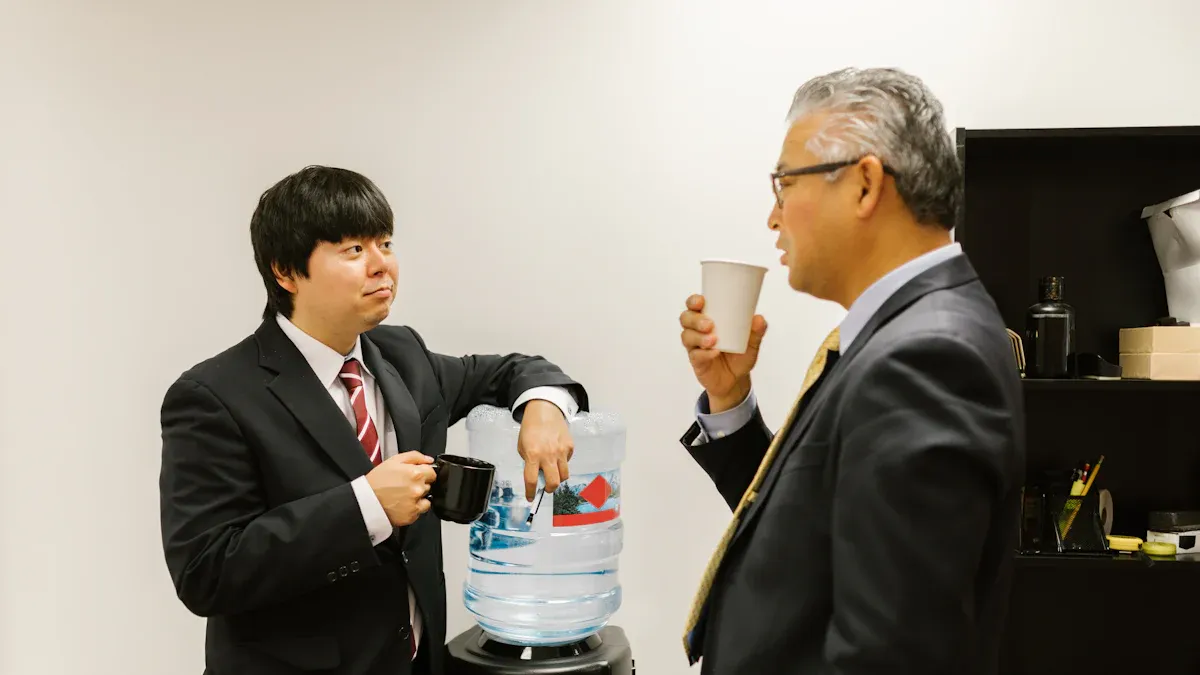
Did you know? Roughly 75% of Americans experience chronic dehydration daily. This condition negatively impacts brain functions like focus and short-term memory.
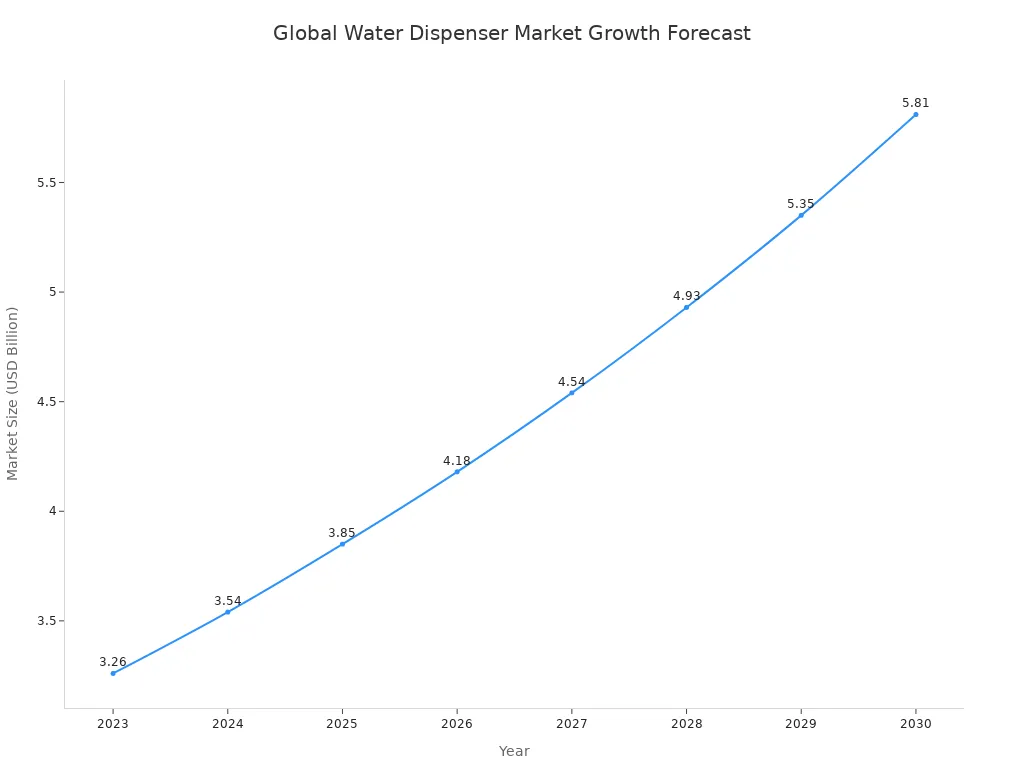
An accessible ice machine with water dispenser encourages employees to stay hydrated. You must evaluate your office's needs against key features. Consider the dispenser type, capacity, and installation to match the unit to your space and budget. The growing demand for these solutions is clear.
Key Takeaways
- Choose between bottleless or bottled water systems. Bottleless systems save money and help the environment.
- Pick a dispenser size that fits your office space. Freestanding models are for big areas. Countertop models are for small spaces.
- Look for extra features. These include an ice machine, hot and cold water, and good water filters. These features make the dispenser more useful.
Key Features to Look For in an Office Dispenser
Selecting the right dispenser requires you to look beyond the basics. You should compare different models based on their water source, size, and special features. This helps you find a unit that truly fits your workplace.
Bottleless vs. Bottled Water Sources
Your first major decision is choosing between a bottleless or a bottled water system. Bottleless dispensers connect directly to your building's water line. They filter tap water on-site. Bottled dispensers use large, pre-filled plastic jugs that require regular delivery and replacement.
While both provide drinking water, their environmental and cost impacts differ greatly. Bottleless systems offer a more sustainable and cost-effective solution.
| Environmental Impact | Bottled Water Coolers | Bottleless Systems |
|---|---|---|
| Plastic Waste | Creates waste from plastic jugs that often end up in landfills. | Produces zero plastic bottle waste by using your existing water supply. |
| Transportation Emissions | Relies on delivery trucks that burn fossil fuels and increase your carbon footprint. | Eliminates all emissions from water deliveries. |
| Energy Consumption | Requires energy for manufacturing, transporting, and recycling bottles. | Uses minimal electricity for on-site filtration and cooling. |
The financial savings are also significant. A bottleless system can save your company thousands of dollars each year. For an office of 50 people, the cost difference is clear.
| Dispenser Type | Annual Cost (50 users) |
|---|---|
| Bottled Water | $4,200 |
| Bottleless Water | $840 |
| Annual Savings | $3,360 |
Freestanding vs. Countertop Models
Next, you need to consider the dispenser's size and placement. Your choice between a freestanding or countertop model will depend on your available space and water consumption needs.
-
Freestanding Dispensers: These are standalone units. They are ideal for high-traffic areas like break rooms, lobbies, or hallways. A typical commercial-grade model stands about 39 inches tall and can hold large 3-gallon or 5-gallon bottles if you choose a bottled version. Their larger size often means higher capacity and more robust features.
-
Countertop Dispensers: These compact units sit on a kitchen counter or sturdy table. They are an excellent choice for smaller offices or departments with limited floor space.
Countertop models save space and are often portable. However, their smaller capacity may require more frequent refills. They work best for small teams rather than large, busy offices.
An Ice Machine with Water Dispenser Functionality
Many modern dispensers offer more than just water. An ice machine with water dispenser functionality provides an all-in-one hydration station for your office. This feature is a popular perk that encourages employees to drink more water throughout the day. These combination units are highly efficient. Some models can produce a surprising amount of ice.
Depending on the model, an ice machine with water dispenser can generate anywhere from 120 lbs to over 380 lbs of fresh ice daily. This ensures your team never runs out, even during busy periods. Choosing an integrated ice machine with water dispenser saves space and eliminates the need for a separate appliance.
Hot and Cold Water Options
Dispensers with hot and cold water taps add significant convenience. Employees can instantly make tea, oatmeal, or soup with the hot water spigot. The cold water tap provides refreshingly chilled water on demand.
When selecting a model with these features, you should consider its energy use.
- Usage directly impacts energy consumption. The heating and cooling systems use more power with frequent use.
- Look for Energy Star certified models. These units consume less than 0.16 kWh/day, making them up to 50% more efficient than non-certified coolers.
- You can also use a timer switch to turn off the heating and cooling elements overnight and on weekends to conserve energy.
Advanced Filtration Systems
The quality of your drinking water is paramount. A bottleless ice machine with water dispenser uses your building's tap water, so a powerful filtration system is essential. High-quality systems remove impurities and improve the taste of the water.
Look for dispensers with filters certified by NSF/ANSI. These certifications guarantee the removal of harmful contaminants.
- Key Contaminants Removed: Lead, PFAS, arsenic, bacteria, viruses, and VOCs (Volatile Organic Compounds).
- Important Certifications: Key standards to look for include NSF/ANSI 53, 58, and 401.
An advanced filtration system gives you peace of mind. It ensures your employees have access to clean, safe, and great-tasting water every day.
Practical Considerations for Your Office

Choosing the right features is only the first step. You also need to think about how a dispenser will fit into your office environment. Practical factors like employee count, available space, and your budget will guide your final decision.
Assess Employee Needs and Capacity
You need a dispenser that meets your team's daily hydration needs. A unit that is too small will cause long lines and require constant refilling. A unit that is too large can be an unnecessary expense. You can estimate your capacity needs with a few simple guidelines.
- Plan for at least one dispenser for every 25 employees.
- Consider that specific models are designed for certain headcount ranges.
- Calculate your potential monthly usage to understand demand.
Matching the dispenser's capacity to your team size ensures everyone has easy access to fresh water.
Plan for Installation and Space
Before you buy, you must measure your chosen location. Freestanding models need clear floor space, while countertop units require a sturdy surface near an electrical outlet. A bottleless ice machine with water dispenser also needs access to a water line.
You may need a professional for installation. They can safely connect the unit to your building's plumbing and electrical systems. This ensures your dispenser works correctly from day one.
Analyze Your Budget and Long-Term Costs
Your budget is a major factor in your decision. You should look beyond the initial purchase price and consider the total cost of ownership. An ice machine with water dispenser has several associated costs.
- Upfront Cost: The price to buy the unit or the initial rental fee.
- Installation Fees: The cost for professional setup, if needed.
- Ongoing Expenses: The price of replacement filters, maintenance plans, and electricity.
Rental agreements often include maintenance and filter changes. This can offer a predictable monthly expense and peace of mind.
Selecting the perfect office hydration station is a straightforward process.
- Start by choosing your dispenser type and size.
- Evaluate features like an ice machine with water dispenser and advanced filtration.
- Finally, match the unit to your team's needs, space, and budget to ensure a perfect fit.
FAQ
How often do dispenser filters need changing?
You should replace filters every 6 to 12 months. Your usage and local water quality determine the exact schedule. This practice ensures your water remains clean and tastes great.
What kind of ice do these machines make?
Models produce various ice types. Nugget ice is a popular, chewable option. Other units make classic cubed ice. You can select a machine that fits your team's preference.
Is it better to rent or buy a dispenser?
Renting provides a low initial cost with included maintenance. Buying costs more upfront but may save you money over time. Your budget will help you make the best choice.