How to Upgrade Kitchen Cabinets with Soft Closing Hinges
Soft closing hinges have become a popular choice in modern kitchens. Homeowners favor these hinges for their noise reduction and safety features. Many choose various hinges to extend cabinet lifespan and add a contemporary look. Learning how to install soft closing hinges requires only basic tools and patience.
How to Install Soft Closing Hinges
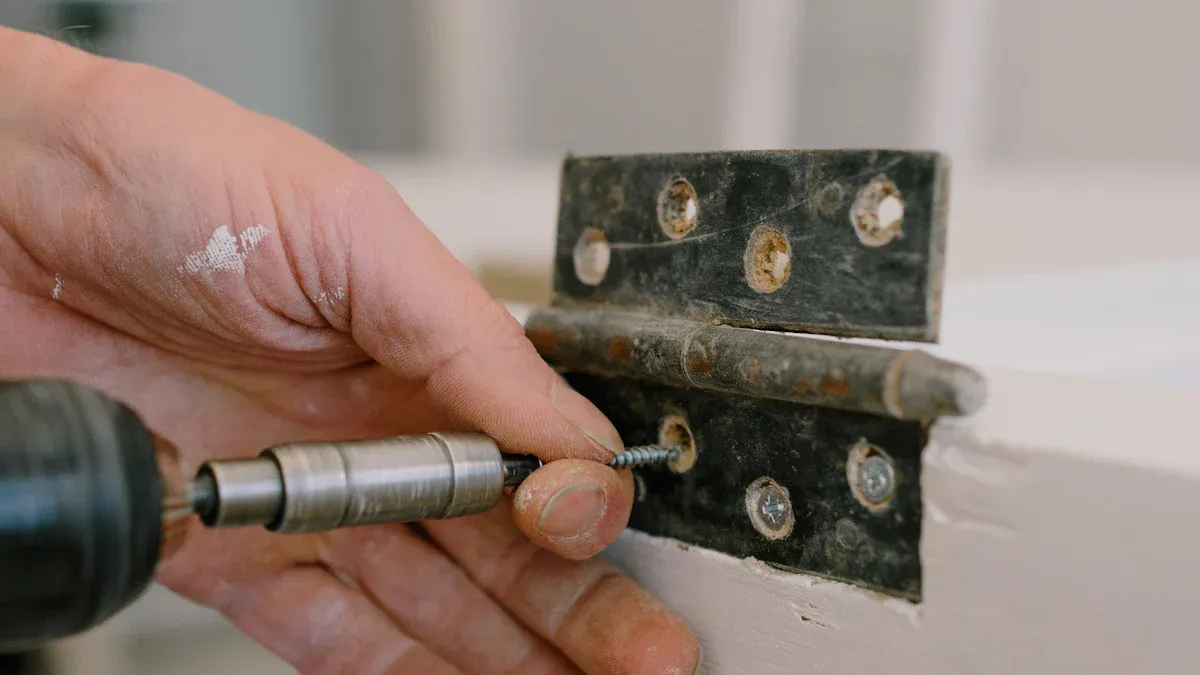
What Are Soft Closing Hinges and Their Benefits
Soft closing hinges use a hydraulic mechanism to control the speed and force of cabinet door closure. Industry experts highlight several advantages.
| Benefit | Description |
|---|---|
| Noise Reduction | Soft-close cabinets eliminate loud slamming noises, promoting a peaceful living environment. |
| Increased Longevity | The gentle closing action reduces wear and tear, extending the lifespan of cabinets. |
| Enhanced Safety | Prevents abrupt closures, reducing the risk of pinched fingers, especially for children. |
| Improved Aesthetics | The modern design of soft-close hinges maintains a seamless look, enhancing overall cabinet aesthetics. |
| Improved Functionality | Offers convenience by allowing doors to close gently with a nudge, even when hands are full. |
A soft closing hinge provides a controlled motion, which prevents abrupt closures and reduces the risk of accidents for children and pets. Homeowners appreciate the elimination of loud slamming noises, creating a quieter kitchen.
Tools and Materials Needed
To learn how to install soft closing hinges, gather the following tools and materials:
- Screwdriver or drill
- Tape measure
- Pencil
- Hinge jig or template
- Wood screws
- Power drill
- 35mm adjustable depth Forstner bit (for drilling new holes)
- Blum hinges or other soft close hinge brands
A drill speeds up the process, but a manual screwdriver works for most installations. A hinge jig ensures consistent placement.
How to Choose the Right Hinges for Your Cabinets
Selecting the correct hinge type is essential for a successful upgrade.
- Cabinet style and construction determine which hinge works best.
- Door weight and size affect hinge load capacity.
- Functionality requirements include opening angles and self-closing features.
- Installation complexity and tool requirements vary by hinge type.
- Budget constraints influence the choice between premium and standard hinges.
Common types include soft close cabinet hinges, concealed European-style hinges, full overlay, inset, partial overlay, and compact hinges. Homeowners should match hinge type to cabinet design for optimal results.
Tips for Matching Hinges to Cabinet Style
Matching hinges to cabinet style enhances the kitchen’s appearance.
- Full overlay, half overlay, and inset options suit different door styles.
- Concealed hinges maintain sleek lines in modern kitchens.
- Decorative hinges complement vintage or rustic cabinets.
- Liberty Soft-Close Frameless Concealed Hinges fit modern frameless cabinets.
- Rok Hardware Soft Close Cabinet Hinges work well with traditional face frame cabinets.
Tip: Decide if hinges should match other hardware or remain hidden for a cleaner look.
Learning how to install soft closing hinges starts with choosing the right style and finish for your kitchen.
Step-by-Step Guide to Installing Soft Closing Hinges

Removing Old Hinges and Cabinet Doors
Removing old hinges and cabinet doors is the first step in how to install soft closing hinges.
Follow these steps for safe removal:
- Open the cabinet door fully to access all screws.
- Unscrew the hinge from the cabinet frame while holding the door steady.
- Unscrew the hinge from the cabinet door, taking care not to strip the screws.
- Remove any debris or residue from the hinge area and inspect for damage.
Safety Tip:
Prepare a clear, well-lit workspace. Wear protective gloves, safety goggles, and a dust mask. Use the correct tools and check for hidden fasteners or adhesives before starting. Apply lubricant to corroded screws and take breaks to avoid rushing.
Measuring and Marking for New Hinges
Accurate measurements are essential for a successful installation.
Critical measurements include:
- Overlay: Measure the distance from the door edge to the cabinet frame. Full overlay hinges require 0.5 to 1 inch; half overlay hinges need 0.25 to 0.375 inches.
- Cup Diameter: Measure the circular recess for the hinge cup, usually 35 mm or 26 mm.
- Screw Hole Pattern: Measure the center-to-center distance of screw holes, typically 45 mm, 48 mm, or 52 mm.
- Overall Length and Width: Measure the exposed hinge leaf.
- Door Thickness: Use a caliper or ruler to check compatibility.
- Examine Existing Hinges: Look for identification marks to match replacements.
- Accuracy: Double-check all measurements to prevent misalignment.
| Tool Name | Purpose | Compatibility | Functionality | Ease of Use | Additional Requirement |
|---|---|---|---|---|---|
| Kreg Concealed Hinge Jig | Ensures accurate hinge alignment for cabinet doors using concealed hinges. | Works with ordinary drill | Positions bit at correct position and depth for drilling cup holes | Simple to use | 1/16" bit needed for screws |
Drilling Holes for Hinge Cups
Drilling precise holes is a key part of how to install soft closing hinges.
Use a 35mm Forstner bit for most European-style and Ikea hinges.
Recommended techniques for clean and accurate drilling:
- Measure down from the edge of the door 3 inches.
- Measure over 15/16 inches to mark the center point.
- Use a center punch to indent the drilling spot.
- Center the Forstner bit on the mark and drill the bore.
- Drill to the exact depth required for the hinge cup.
- Use slow speed and steady pressure for a clean cut.
Note:
Specific jigs, drill presses, and Forstner bits help achieve professional results. The ECOdrill and Blum transfer jig provide clean cuts and precise centerline measurements.
Attaching Soft Closing Hinges to Doors
Attaching hinges correctly ensures smooth operation.
Follow these steps:
- Remove old cabinet doors and hinges.
- Drill new holes for soft closing hinges if needed, using a self-centering drill bit.
- Align the new hinges with guide marks.
- Install the hinges into the drilled holes, leaving screws slightly loose for adjustments.
- Check alignment and use adjustment screws for fine-tuning.
Common Mistakes:
Hinge gap misalignment, damaged soft close mechanisms, incorrect mounting of dampers, and loose screws can affect performance.
Installing Hinges on Cabinet Frames
Proper installation on the cabinet frame provides stability.
Steps include:
- Mark the placement for new hinges on the cabinet frame.
- Attach the soft closing hinges to the cabinet door.
- Secure the door to the cabinet frame.
- Adjust hinges for smooth operation.
- Test the soft close mechanism.
Tip:
Use a power drill for fastening and check the depth of drilled holes for compatibility. Ensure proper placement and alignment for stability.
Adjusting Hinges for a Perfect Fit
Fine-tuning hinges is essential in how to install soft closing hinges.
Adjustments include:
- Unscrew the base plate slightly and move the doors until level at the top and bottom.
- Tighten screws after achieving the correct position.
- Use adjustment screws on the hinge for vertical, in-and-out, and left-right alignment.
| Tool | Usage Scenario | Benefit |
|---|---|---|
| Phillips Screwdriver | Adjusting mounting screws and hinge parts | Precise hinge adjustments |
| Adjustment Wrench | Fine-tuning alignment or tension settings | Accurate small adjustments |
| Hammer | Correcting misalignment or tapping components | Useful for stubborn alignment issues |
| Shim | Fixing gaps from misalignment or warped doors | Creates even surface for closure |
| Cloth/Duster | Cleaning debris around mounting plate and hinges | Prevents dirt interference |
Testing and Final Adjustments
Testing ensures the hinges function as intended.
Steps to verify performance:
- Gently close the cabinet door to test the soft close function. The door should close softly and quietly.
- Adjust the damper to control the closing speed.
- Use a screwdriver to turn the adjustment screw until the desired speed is achieved.
Signs that final adjustments are needed:
Misaligned cabinet doors, improper closure, or loose screws indicate further alignment or tightening may be required.
Troubleshooting and Common Mistakes to Avoid
Installers often encounter issues during how to install soft closing hinges.
Frequent problems include:
- Hinge gap misalignment
- Incorrect mounting of dampers
- Loose hinge screws
- Damaged soft close mechanisms
- Sticky or dirty hinges
Troubleshooting steps:
- Check and tighten all screws.
- Test door closure for smooth operation.
- Regularly inspect and tighten screws.
- Identify locations for dampers and attach securely.
- Double-check damper alignment.
- Adjust damper tension as needed.
- Test the soft close function by gently closing the door.
- Repeat installation steps if the action is not smooth.
Pro Tip:
Regular maintenance and careful installation prevent most issues. Always follow manufacturer guidelines for best results.
Upgrading to soft closing hinges transforms kitchen cabinets with enhanced functionality, quieter operation, and modern aesthetics.
- Homeowners report improved durability and reduced noise.
- Installation takes 1–3 hours for retrofits.
| Cost Type | Soft-Close Hinges | Replacing Cabinets |
|---|---|---|
| Hinge price | $5–$15 each hinge | N/A |
| Labor cost | Free (your time) | $200–$500 total |
| Total example (20 hinges) | ~$100–$300 | ~$300–$800 |
Regular cleaning, lubrication, and screw checks keep hinges working smoothly.
FAQ
How long does it take to install soft closing hinges?
Most homeowners complete installation in one to three hours. The process depends on cabinet size, hinge type, and experience level.
Can soft closing hinges fit any cabinet door?
Soft closing hinges work with most cabinet doors. He or she should check door thickness and hinge style for compatibility before purchasing.
What maintenance do soft closing hinges require?
Regular cleaning and occasional lubrication keep hinges working smoothly. He or she should inspect screws and dampers every few months for optimal performance.