Never See Fruit Flies in Water Dispenser Again

You might think your refrigerator's water is pure. The reality can be surprising. Studies show refrigerator water lines contain significantly more bacteria than your tap water. This unseen buildup creates a perfect breeding ground for mold and germs. You may even find fruit flies in water dispenser nozzles, attracted to the fermenting organic matter.
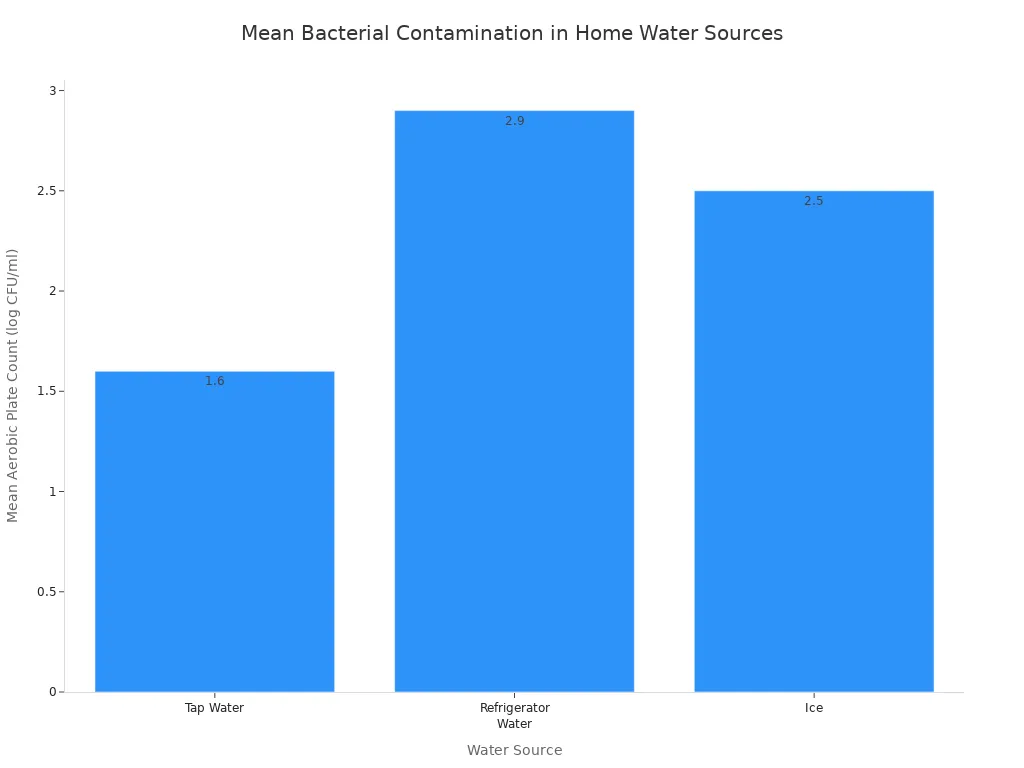
The National Sanitation Foundation (NSF) found the refrigerator water dispenser is the germiest spot in many kitchens. It ranked higher for yeast and mold than the vegetable drawer and even the rubber spatula.
Keeping your dispenser clean is vital for your family's health. We have tested the top solutions for 2026. Here are our top three picks to help you achieve a spotless dispenser:
- Best for Heavy-Duty Mold and Slime: Impresa Products Refrigerator Water Line Cleaning Brush
- Best All-Natural Option: Distilled White Vinegar Solution
- Best for Deep Cleaning: BZTT Refrigerator Drain Cleaning Tool Kit
Key Takeaways
- Refrigerator water lines can have more bacteria than tap water. This creates a place for mold and fruit flies to grow.
- Clean your water dispenser often to stop fruit flies and germs. Use tools like a brush, vinegar, or a cleaning kit.
- A weekly cleaning schedule helps keep your water dispenser clean. This stops fruit flies from coming back.
Detailed Reviews: Why These Are the Best Cleaners
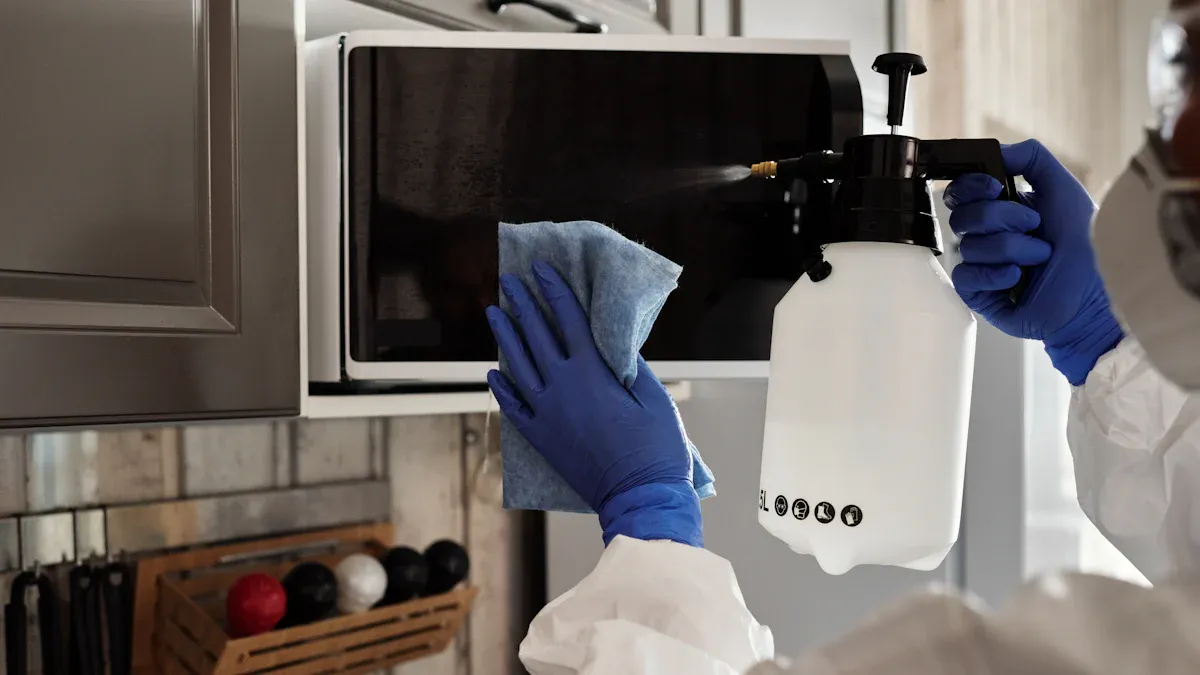
You need the right tool for the job. A simple wipe-down will not remove the hidden grime inside your dispenser's water line. These three cleaners offer distinct advantages. They help you tackle everything from surface slime to deep-seated bacteria.
Impresa Products Brush: Best for Heavy-Duty Mold and Slime
Sometimes, you need pure scrubbing power. The Impresa Products Refrigerator Water Line Cleaning Brush provides exactly that. This tool is your top choice for physically removing stubborn mold and slime buildup. Its design is simple yet highly effective for breaking apart organic matter that clings to the inside of the dispenser tube.
The brush is 36 inches long. This length allows you to reach deep into the refrigerator's water line from the front dispenser opening. Its flexible wire body bends easily. You can navigate the curves of the water line without the tool getting stuck. The bristles are made of sturdy nylon. They are tough enough to scrape away gunk but gentle enough to avoid damaging the plastic tubing.
Pro Tip 💡: For maximum cleaning power, dip the Impresa brush in your distilled white vinegar solution before scrubbing. The brush dislodges the grime, and the vinegar disinfects the surface simultaneously.
Why It Works:
- Physical Removal: It directly scrubs away visible mold and biofilm.
- Extra-Long Reach: Cleans far deeper than a cloth or cotton swab ever could.
- Durable Bristles: Effectively scrapes away buildup without scratching the line.
Distilled White Vinegar: Best Eco-Friendly & All-Natural Solution
You may already have this powerful cleaner in your kitchen pantry. Distilled white vinegar is a safe, non-toxic, and incredibly effective solution for disinfecting your water dispenser. Its cleaning power comes from acetic acid. Household white vinegar typically contains 5 to 8 percent acetic acid, creating an acidic environment with a pH of around 2.5. This acidity stops many types of mold and bacteria from growing.
Scientific research confirms vinegar's ability to act as a natural disinfectant. It is a proven choice for keeping your water dispenser free of harmful microbes.
-
Fights Mold and Fungi: Studies show vinegar is effective against common household molds. Its vapor can even prevent the germination of fruit decay fungi. Research from the International Journal of Environmental Research and Public Health found that a 4 percent acetic acid solution stopped the growth of P. chrysogenum, a fungus often found in damp places like a dispenser line.
-
Kills Bacteria: Vinegar also has strong antibacterial properties. Researchers have demonstrated its ability to kill food-borne pathogens on fruits, vegetables, and other surfaces. A 2014 study published by the American Society for Microbiology highlighted that acetic acid is a powerful disinfectant. It works against even tough, drug-resistant bacteria.
Using vinegar gives you peace of mind. You are cleaning with a food-safe ingredient, not harsh chemicals.
BZTT Cleaning Kit: Best for a Complete Deep Clean
For the most thorough cleaning possible, you need a multi-tool approach. The BZTT Refrigerator Drain Cleaning Tool Kit provides an all-in-one solution. While designed for refrigerator drain holes, its tools are perfectly suited for deep cleaning your water dispenser system. This kit equips you to scrub, flush, and clear any potential blockages.
This kit goes beyond a simple brush. It gives you the tools to perform a complete system flush, ensuring no residue is left behind.
| Tool in Kit | Purpose for Water Dispenser Cleaning |
|---|---|
| Flexible Scrub Brush | Scours the inside of the water line to remove slime. |
| Syringe with Hose | Injects cleaning solution (like vinegar) or hot water deep into the line. |
| PVC Dredging Pipe | Helps push out stubborn clogs or thick buildup. |
| Ice Shovel | Clears ice or debris from the dispenser tray area. |
Note: This kit is a versatile problem-solver. Use the syringe to forcefully flush the line with your chosen cleaner after scrubbing. This action pushes out all the dislodged particles and ensures a comprehensive rinse.
How to Eliminate Fruit Flies in Water Dispenser for Good
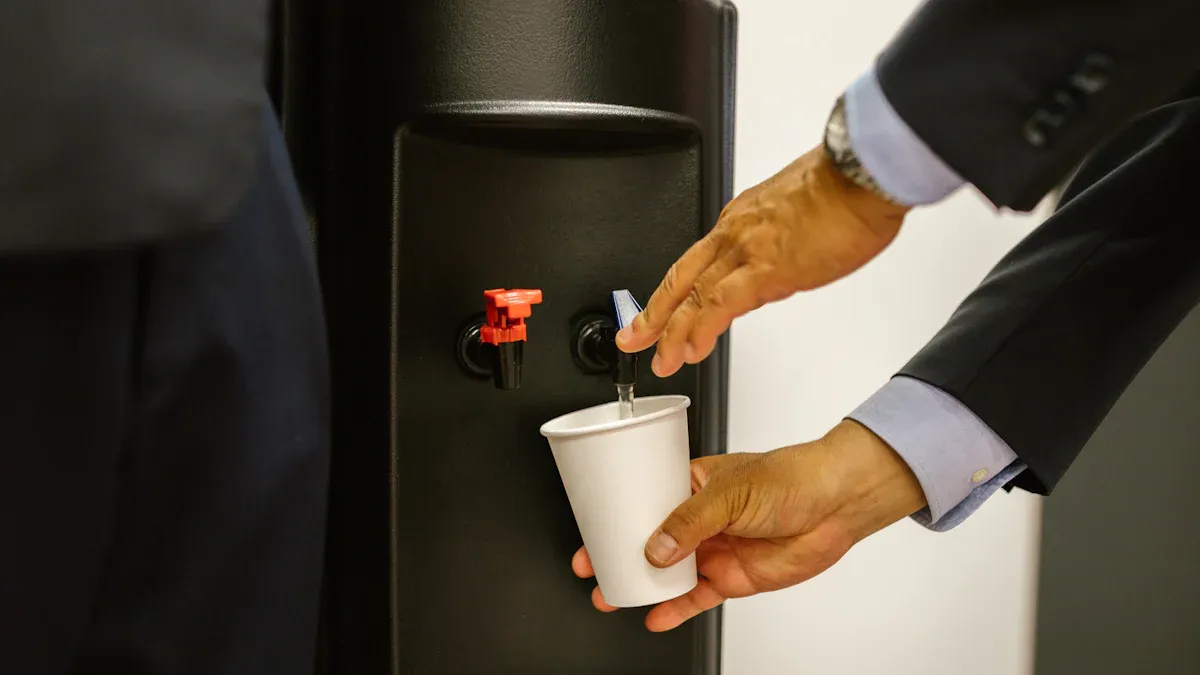
Following a consistent cleaning process is the best way to remove existing pests and prevent future infestations. This six-step guide will help you eliminate the grime that attracts fruit flies in water dispenser nozzles for good.
Step 1: Disassemble Dispenser Nozzle and Tray
First, you need to take apart the accessible components. Carefully remove the dispenser tray and the nozzle tip. Some nozzles twist off, while others may require a gentle pull. If your nozzle has small O-rings or anti-drip parts, place them in a small bowl so you do not lose them. This step gives you direct access to the areas where buildup occurs.
Step 2: Apply Your Chosen Cleaner
Next, prepare your cleaning solution.
- For a brush cleaner: Dip the brush tip into your vinegar solution.
- For a liquid-only approach: Use the syringe from a kit like the BZTT to inject vinegar directly into the water line opening.
Soak the disassembled nozzle and tray in a bowl filled with a 1:1 vinegar-and-water solution. Let them sit for at least 5-10 minutes.
Step 3: Scrub the Water Line and Nozzle
Now, it is time to scrub. Insert your cleaning brush into the water line and move it back and forth to dislodge slime. This physical scrubbing removes the damp organic matter where fruit flies lay their eggs. Use a smaller brush or a fine needle to gently clean the tiny crevices of the nozzle itself. This action is crucial for stopping the fruit fly life cycle.
Step 4: Rinse All Components Thoroughly
After scrubbing, you must rinse everything with warm water. Hold the nozzle, tray, and any other small parts under the tap until all visible cleaner and debris are gone.
Safety Tip ⚠️: Never use boiling water or harsh chemicals like bleach. These can damage the plastic and rubber components of your dispenser.
Step 5: Flush the Dispenser System
Reattach the nozzle. Use your dispenser to run fresh water through the system. Dispense at least 1-2 gallons of water to flush out any remaining vinegar or dislodged particles. We recommend flushing the reservoir at least twice to ensure no cleaning residue remains. This step is key to preventing any aftertaste and removing the last traces of what attracts fruit flies in water dispenser systems.
Step 6: Set a Weekly Cleaning Schedule
Consistency is your best defense against fruit flies in water dispenser components. Since fruit flies can enter your kitchen through drains or overripe fruit, regular cleaning is essential. Use your phone or a smart home device to set an automated weekly reminder. A quick wipe-down and flush each week will prevent buildup and keep your water pure.
Comparison Chart: Top Dispenser Cleaners of 2026
Choosing the right cleaner depends on your specific problem and budget. This chart breaks down our top three picks to help you make the best decision. You can see how each product stacks up against the others. This will help you find the perfect tool to fight grime and stop fruit flies in water dispenser nozzles.
| Feature | Impresa Brush | Distilled White Vinegar | BZTT Cleaning Kit |
|---|---|---|---|
| Target Issue | Heavy mold & slime | Bacteria & light mold | Clogs, slime & bacteria |
| Type | Brush | Liquid | Multi-Tool Kit |
| Key Ingredient | Physical Bristles | Acetic Acid | Syringe & Brush |
| Ease of Use | ★★★★★ (Very Easy) | ★★★★☆ (Easy) | ★★★☆☆ (Moderate) |
| Price Point | $ | $ | $ |
Target Issue (Mold, Bacteria, Fruit Flies)
You should first identify your main problem. The Impresa brush physically removes thick slime. Vinegar is excellent for disinfecting and killing germs. The BZTT kit handles everything, including tough clogs.
Type (Brush, Liquid, Kit)
Your comfort level with cleaning tools matters. You can choose a simple brush, a natural liquid solution, or a complete kit. Each type offers a different approach to cleaning.
Key Ingredients (N/A, Acetic Acid, Multi-Tool)
The "ingredient" is what does the work. For the brush, it is the physical scrubbing action. For vinegar, it is the natural acid. For the kit, it is the combination of tools that flush and scrub the system.
Ease of Use (1-5 Rating)
We rated each option on how simple it is to use. A higher star rating means less effort is required from you to get a clean dispenser.
Price Point ($, $, $$)
Your budget is also important. We use a simple scale to show the relative cost, where $ is the most affordable and $$ is the most expensive.
Quick Tip 💡: For the best results against stubborn fruit flies in water dispenser lines, combine the Impresa Brush with the vinegar solution. This gives you both scrubbing power and disinfecting action.
You can stop fruit flies in water dispenser lines for good. The Impresa Brush paired with a vinegar solution offers the most effective strategy for 2026. Choose the right tool from our list and follow the cleaning steps. This ensures your water is always clean, fresh, and free of pests.
Keep Your Whole Kitchen Clean: Remember to store fruits and vegetables in the refrigerator. Fruit flies cannot survive in cold temperatures, which helps prevent them from entering your home in the first place.
FAQ
How often should I clean my water dispenser?
You should perform a quick clean weekly. A deep clean with a brush and vinegar is best every one to two months to prevent any buildup.
Is vinegar safe for my refrigerator's plastic parts?
Yes, diluted white vinegar is safe. It cleans effectively without damaging the plastic tubing or rubber seals in your dispenser. Always rinse the system thoroughly after cleaning.
Why are fruit flies in my water dispenser anyway?
Fruit flies are attracted to the moist organic matter (slime) that builds up inside the dispenser line. 💡 Regular cleaning removes their food source and breeding ground.