The Ultimate Guide to Fix Any Water Dispenser Problem
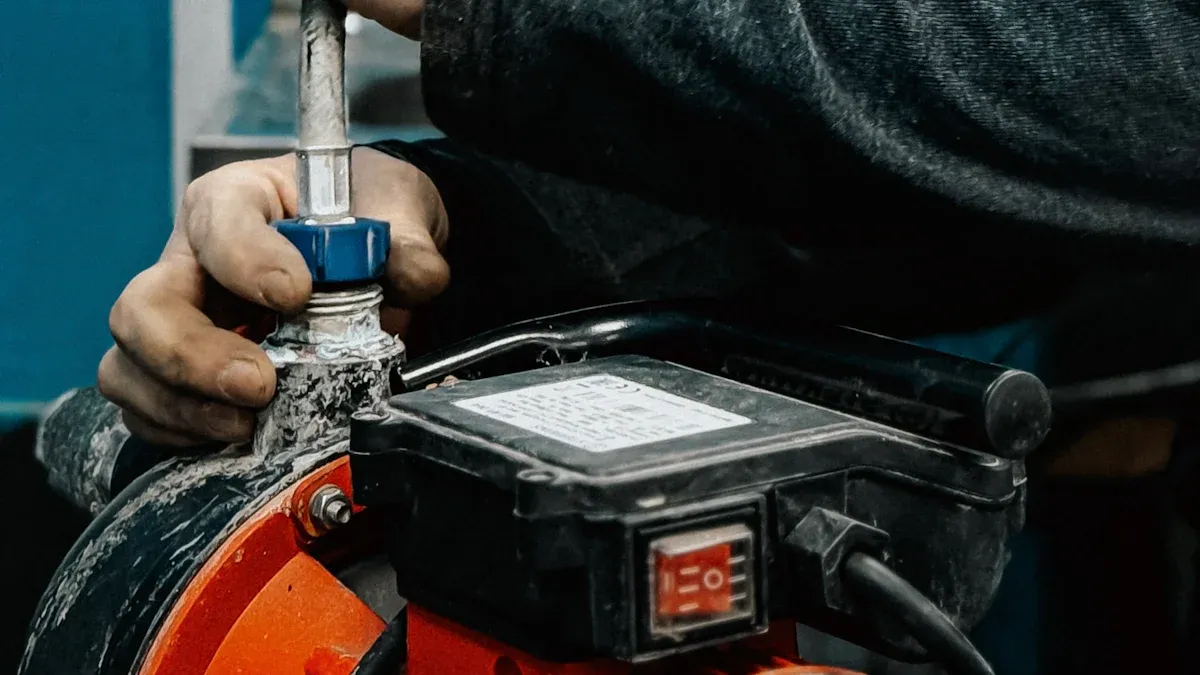
Is your water dispenser giving you trouble? You can often fix water dispenser problems with a few simple checks. An airlock might be blocking the water. That annoying puddle could just be from a loose fitting. If the water isn't cold, a quick thermostat adjustment often does the trick.
Key Takeaways
- Check for airlocks if water does not come out.
- Tighten loose parts to stop leaks.
- Adjust the thermostat if water is not cold.
Fix 1: No Water Dispensing
You press the lever, but nothing comes out. It's a frustrating moment, but don't worry! This is one of the most common issues and is often an easy fix. Let's walk through the steps to get your water flowing again.
Diagnosing the Problem
First, you need to figure out why the water isn't dispensing. The cause often depends on your dispenser type.
- For bottled dispensers: Is the water bottle simply empty? It's an obvious question, but one worth asking! An airlock in the system is another frequent cause.
- For mains-fed (plumbed-in) dispensers: Check if the unit is plugged in and the power switch is on. You should also make sure the power outlet itself is working. Finally, find the water isolation tap connected to your dispenser and confirm it's in the open position.
How to Release an Airlock
If you suspect an airlock, you can "bleed" the air out of the system. This simple process can fix water dispenser issues quickly.
- Press and Hold: Firmly press and hold both the hot and cold water levers or buttons simultaneously for about 60 seconds. You might hear some gurgling as the trapped air escapes.
- Release and Test: Let go of the levers and try dispensing water again. It should now flow freely.
- Check for Leaks: After releasing the air, take a quick look around the dispenser for any drips. Sometimes, a small leak is what allowed air to get into the lines in the first place.
Quick Tip: Releasing an airlock is often the first thing to try. It's a fast, tool-free solution that solves the problem a surprising amount of the time.
Checking for Blockages
If an airlock wasn't the issue, you might have a blockage. Mineral buildup from hard water can clog the lines over time. In some cases, the lines can even freeze if the unit's thermostat is set too low.
To clear a blockage, you'll need a few simple items:
- Distilled white vinegar
- A small funnel or turkey baster
- A bucket to catch water
Pour a solution of vinegar and warm water into the reservoir and let it sit for about 20-30 minutes. This helps dissolve any mineral deposits. Then, try to flush the system by running the water through the spigots into your bucket. An old toothbrush can also be useful for scrubbing any visible buildup inside the reservoir or around the spigots.
Fix 2: Water Tastes or Smells Bad
You expect a crisp, clean glass of water, but you get something that tastes or smells off. This is a clear sign that your dispenser needs a good cleaning. Bacteria, mold, or mineral buildup are the usual culprits.
Identifying the Cause
That strange taste or odor can give you clues about what's wrong. Your senses can help you pinpoint the problem.
- Musty or Earthy: This often points to mold, fungi, or a high bacterial count inside the reservoir or lines.
- Metallic: If your water tastes like metal, it could be from tiny amounts of iron, copper, or zinc from the plumbing.
- Chlorine: A swimming pool smell means there might be too much chlorine from the municipal water supply.
- Rotten Egg: This unpleasant smell is usually caused by sulfur or certain microbiological contaminants.
Identifying the cause is the first step to fix water dispenser taste issues. No matter the cause, a thorough cleaning is the solution.
Step-by-Step Cleaning Guide
Most manufacturers recommend cleaning your dispenser every 3 to 6 months. A deep clean removes residue and bacteria, restoring your water's fresh taste.
Pro Tip: Unplug your dispenser before you start cleaning. Safety first! 💧
Here’s how to get it done:
- Drain the Reservoir: Drain any remaining water from the dispenser's hot and cold tanks through the spigots into a bucket.
- Prepare a Cleaning Solution: Mix a solution of one part distilled white vinegar to one part warm water. You will need about a gallon of this mixture.
- Clean the Inside: Pour the vinegar solution into the dispenser's reservoir. For any stubborn mineral buildup, you can use a paste of baking soda and water on a soft cloth or brush to gently scrub it away.
- Flush the System: Let the solution sit for about 30 minutes. Then, drain it completely through both the hot and cold spigots to clean the lines.
- Rinse Thoroughly: Fill the reservoir with fresh, clean water and drain it through the spigots. Repeat this rinsing process two or three times to remove any lingering vinegar taste.
Fix 3: The Dispenser is Leaking
Finding a puddle of water around your dispenser is never a good sign. But don't panic! A leak is often caused by a simple issue you can solve yourself. Let's track down that drip and get it stopped.
Finding the Source of the Leak
First, you need to play detective and find where the water is coming from. Unplug the unit and carefully inspect it. Most leaks come from just a few common places.
- A cracked water bottle: Check the jug for any hairline cracks. Even a tiny one can cause a slow, steady leak.
- Loose connections: Tubes and water lines can become loose over time. You might see moisture at the back of the unit.
- A clogged water filter: If your filter is blocked or not seated correctly, back pressure can force water out.
- A worn-out inlet valve: This part controls water flow. If it's faulty, it can cause a constant trickle.
How to Stop Drips and Puddles
Once you have an idea of the cause, you can take action. Here are the most effective ways to fix water dispenser leaks and stop those puddles from forming.
- Check the Bottle First: The water bottle is the most common culprit. Remove the current bottle and place a new one on the dispenser. If the leaking stops, the old bottle was the problem.
- Tighten the Spigots: The dispenser's spigots or valves can loosen with use. Gently tighten them by hand to ensure a snug fit. This often stops drips from the front of the unit.
- Release Trapped Air: Sometimes, air bubbles get trapped in the lines. This builds pressure and forces water out. Run the dispenser for a minute or two to flush the air out of the system.
Leaky Bottle Tip: 💧 Did you find a cracked bottle? Mark it with a big 'X' and label it as a "leaker." Your delivery service will often replace it for free on your next delivery.
Fix 4: Water Isn't Cold Enough
You go for a refreshing glass of cold water, but it comes out lukewarm. This is a common problem that usually has a simple solution. You don't need to be an expert to fix water dispenser cooling issues. Let's look at why your water isn't getting cold and how to fix it.
Common Causes for Poor Cooling
First, you need to figure out why the cooling system isn't working correctly. A few things can cause this problem.
- Thermostat Setting: The cold water thermostat might be set too high.
- Poor Ventilation: Your dispenser needs space to breathe. If it's too close to a wall or in direct sunlight, it can't release heat properly.
- Dirty Coils: The condenser coils on the back of the unit can get covered in dust and lint. This buildup acts like a blanket, forcing the compressor to work much harder to cool the water and wasting energy.
Adjusting Settings and Cleaning Coils
Once you know the likely cause, you can get to work. Start with the easiest fixes. Look for a small dial or screw on the back of the dispenser, which is the cold water thermostat. Turn it slightly toward a colder setting and wait a few hours to see if it helps.
If that doesn't work, it's time to clean the condenser coils. This simple task can make a huge difference.
- Unplug the water dispenser for safety.
- Gently vacuum the coils on the back of the unit with a brush attachment.
- You can also use a soft brush to wipe away any remaining dust.
- Try to do this quick cleaning about once a month.
Space is Key! 🌬️ Make sure your dispenser has at least 4-6 inches of clearance on all sides. This gives it enough airflow to prevent overheating and keep your water ice-cold.
How to Fix Water Dispenser Temperature Issues
Is your dispenser failing to produce hot water for your tea or coffee? This is another common issue that you can often resolve without calling a professional. Let's walk through the simple checks to get your hot water flowing again.
Diagnosing No Hot Water
Before you start, make sure the dispenser is plugged into a working outlet. If the power is on but the water is still cold, you might have a problem with the thermostat. A faulty thermostat can cause several issues.
- Inconsistent water temperature: The water might switch from lukewarm to scalding hot.
- Too little or no hot water: The thermostat may not be telling the heater to turn on.
- High energy bills: A sudden jump in your electricity bill could mean the thermostat is stuck, causing the heater to run constantly.
If you notice these signs, the thermostat could be the culprit.
Locating the Hot Water Switch and Reset Button
Most dispensers have a dedicated switch for the hot water tank. This allows you to turn off the heating function to save energy.
Look on the back of your unit for a small switch, often red or green, labeled "Hot" or with a heat symbol. Make sure this switch is in the "On" position. Nearby, you might find a small, red reset button. This button is a safety feature that trips if the tank overheats.
Safety First! ⚠️ Before you try to fix water dispenser temperature problems, always unplug the unit from the wall. Wait a few minutes, then firmly press the reset button. Plug the dispenser back in and wait about 30 minutes for the water to heat up.
Fix 6: Water Flow is Very Slow

Is your dispenser trickling water out instead of giving you a steady stream? A slow flow is usually a sign that something is blocking the lines. Don't worry, this is a fixable problem that just requires a little cleaning.
Why is the Flow So Weak?
The most common reason for a weak flow is mineral buildup. If you live in an area with hard water, your water contains high levels of minerals like calcium and magnesium. Over time, these minerals form a hard, chalky substance called scale inside the dispenser's lines and tanks. This scale buildup slowly narrows the pathways for the water. As the pipes get tighter, the water pressure drops, and the flow becomes very slow. Think of it like a clogged drain in your sink—the water just can't get through as quickly.
How to Descale Your Dispenser
Descaling is the process of removing this mineral buildup. It's the best way to fix water dispenser flow issues and restore its performance. You should aim to descale your unit every 3 to 6 months.
Pro Tip: 💡 Use distilled white vinegar for descaling. It's a safe, natural, and effective cleaner that dissolves mineral deposits without harsh chemicals.
Here’s how to get your water flowing freely again:
- Unplug and Drain: First, unplug the dispenser. Drain all the water from the hot and cold tanks into a bucket.
- Create the Solution: Mix a solution of one part distilled white vinegar and three parts warm water. Pour this into the dispenser's reservoir until it's full.
- Flush and Wait: Run the vinegar solution through both the hot and cold spigots until you can smell the vinegar. Let the solution sit inside the dispenser for at least 30 minutes.
- Rinse, Rinse, Rinse: Drain the vinegar solution completely. Fill the reservoir with fresh, clean water and drain it through both spigots. Repeat this rinsing step 3-4 times to get rid of any leftover vinegar taste.
Fix 7: Dispenser is Making Loud Noises
Is your water dispenser suddenly making a racket? Some noises are normal, but loud or new sounds can signal a problem. Let's figure out what those sounds mean and how to get some peace and quiet.
Normal vs. Problem Noises
First, you need to know if the sound is normal or a sign of trouble. Your dispenser will naturally make some noise while it works.
You can expect to hear sounds like these during normal operation:
- Gurgling when air enters the bottle
- Clicking as the thermostat turns on or off
- Popping from temperature changes
- A soft hum from the compressor cooling the water
However, you should pay attention to loud or unusual noises. A constant, loud buzzing could mean the water inlet valve is clogged. A rattling or vibrating sound often points to loose panels or internal parts that need tightening. If the humming gets louder over time, the compressor might be working too hard.
How to Quiet a Noisy Dispenser
Once you identify a problem noise, you can take steps to fix it. These simple adjustments can often solve the issue without needing a professional.
- Level the Unit: Use a level to check if your dispenser is sitting flat on the floor. An uneven unit can vibrate and make a lot of noise. Adjust the feet on the bottom until it's stable.
- Create Some Space: Pull the dispenser about 4-6 inches away from the wall. This improves airflow and can reduce humming from the compressor. It also stops the unit from vibrating against the wall.
- Tighten Loose Parts: Gently check the panels on the outside of the dispenser. If you find any that are loose, tighten the screws. This can stop rattling sounds.
Quick Check! 🕵️ Before you try to fix water dispenser noises, make sure the drip tray is seated correctly. A loose tray is a common cause of rattling.
You now have the skills to tackle most common issues. Remember these simple habits:
- 🧼 Clean your dispenser regularly to prevent bad taste and slow flow.
- 💧 Check spigots and bottles often to stop leaks before they start.
- 🌬️ Keep the coils dust-free for perfectly chilled water.
These quick checks help you fix water dispenser problems and avoid costly repairs.
FAQ
How often should I clean my dispenser?
You should clean your dispenser every 3 to 6 months. This simple habit prevents mineral buildup and keeps your water tasting fresh and clean.
Why won't the reset button stay pushed in?
The hot water tank is likely still too hot. Unplug the unit and wait 30 minutes for it to cool down. Then, you can press it again.
Is it normal for my dispenser to gurgle?
Yes, gurgling is a totally normal sound! 🔊 It just means air is entering the bottle to replace the water you used. No need to worry.