How to Clean Your Hot and Cold Water Dispenser in 2026
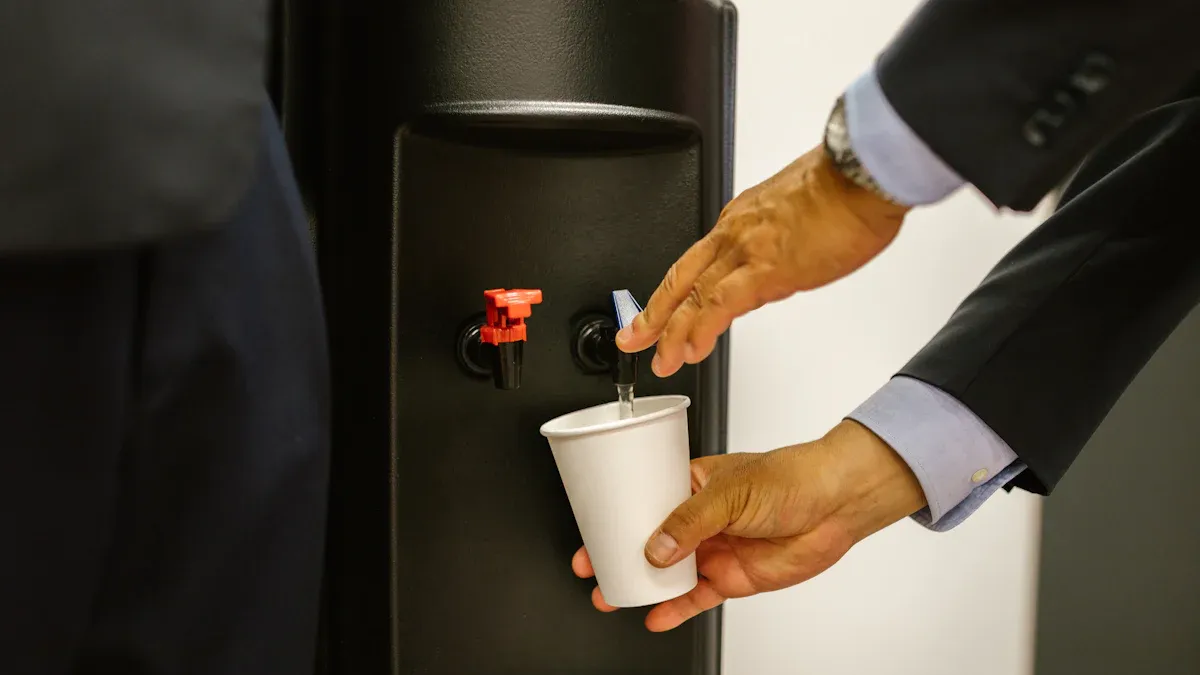
An excellent, clean water dispenser hot cold is essential for your health. You can easily maintain your appliance with a few simple steps. This guide provides a quick overview. You will learn to unplug, drain, clean, and rinse your machine. Following these instructions ensures fresh, great-tasting water every time.
Key Takeaways
- Clean your water dispenser often. This keeps your water fresh and safe to drink.
- Use vinegar or bleach to clean the inside. Never mix them, as this creates dangerous fumes.
- Rinse the dispenser many times after cleaning. This removes any leftover cleaner taste.
Your Step-by-Step Guide to a Deep Clean
Following a detailed process keeps your appliance running perfectly. This guide breaks down each action into simple, manageable steps. You will have sparkling clean water in no time.
What You'll Need
You should gather your supplies before you begin. This makes the cleaning process smooth and efficient. Most items are common household products.
- Clean cloths or sponges (lint-free for the final wipe-down)
- A gentle, long-handled brush to avoid scratching the reservoir
- A bucket to catch draining water
- Rubber gloves for safety
- Your choice of cleaning solution:
- Plain white vinegar and hot water
- Unscented household bleach and room temperature water
Pro Tip: You can also find DIY water cooler cleaning kits. These often include a special scouring pad and a premixed cleaning solution. Professionals use similar grade sanitizers for a deep clean.
Step 1: Unplug and Drain the Unit
Safety is your first priority. You must disconnect the dispenser from power before you start cleaning.
- Turn off the power switch on your dispenser.
- Unplug the unit from the wall outlet.
- Carefully lift the water bottle off the top and set it aside.
- Let the hot water tank cool down for at least an hour to prevent burns.
Next, you will drain all the water from the unit. Place your bucket under the spigots. Press both the hot and cold water taps until water stops flowing. Some models have a separate drain plug on the back for the hot tank. You should open this plug to release any remaining water.
Step 2: Prepare and Apply the Cleaning Solution
Your dispenser can become a home for unwanted microorganisms if not cleaned. Stagnant water allows a slimy layer called biofilm to grow. This biofilm can protect harmful bacteria. Studies show that water dispensers can contain more germs than regular tap water. These germs can include:
- Aspergillus
- Penicillium
- Fusarium
- Rhodotorula
Cleaning removes this buildup. You have two excellent options for a cleaning solution.
| Solution | Recipe |
|---|---|
| Vinegar | Mix 1 part white vinegar with 3 parts hot water. |
| Bleach | Mix 1 tablespoon of bleach per gallon of room temperature water. |
⚠️ Important Safety Warning Never mix bleach with vinegar, ammonia, or any other cleaner. Mixing these chemicals creates dangerous toxic gases that are harmful to breathe in.
Pour your chosen cleaning solution into the dispenser's reservoir. Use a gentle, long-handled brush to scrub the inside surfaces. A soft brush is important because scratches can become new places for bacteria to hide. Let the solution sit for 5-10 minutes, but do not turn the machine on.
Step 3: Clean the Drip Tray and Removable Parts
While the solution works inside your water dispenser hot cold, you can clean the removable parts.
- Remove the drip tray and the baffle (the part the bottle sits on).
- Wash these parts in your sink with warm, soapy water. Use a sponge to clean all the small corners.
- For stubborn white mineral spots, soak the parts in a vinegar-water solution for about 20 minutes before scrubbing.
- You can also use a small brush or a dedicated spray bottle with a bleach solution to clean the nozzles of the spigots. Wipe them with a clean, wet cloth afterward to remove any residue.
Some people put these parts in the dishwasher. However, high heat can damage rubber seals on spigots over time. Hand washing is the safest method to ensure parts do not get damaged or lost.
Step 4: Thoroughly Rinse the System
You must now flush the cleaning solution out completely.
Drain the entire cleaning solution through the spigots into your bucket. Afterward, fill the reservoir with fresh, clean water and drain it again. You need to repeat this rinsing process 2 to 3 times. Modern appliances are very good at rinsing away residues. One or two extra rinses will ensure no bleach or vinegar taste remains. Keep rinsing until you can no longer smell any cleaner.
Step 5: Reassemble and Final Wipe-Down
Your dispenser is now clean on the inside. It is time to put it back together.
- Make sure all drain plugs are securely closed.
- Dry the removable parts and put the baffle and drip tray back in place.
- Place a new water bottle on top of the unit.
- Plug your water dispenser hot cold back into the wall and turn it on.
For the final touch, wipe down the entire exterior of the dispenser. Use a lint-free microfiber or nanofiber cloth for a polished, streak-free shine. This removes any fingerprints or water spots from the cleaning process.
Maintaining Your Water Dispenser Hot Cold
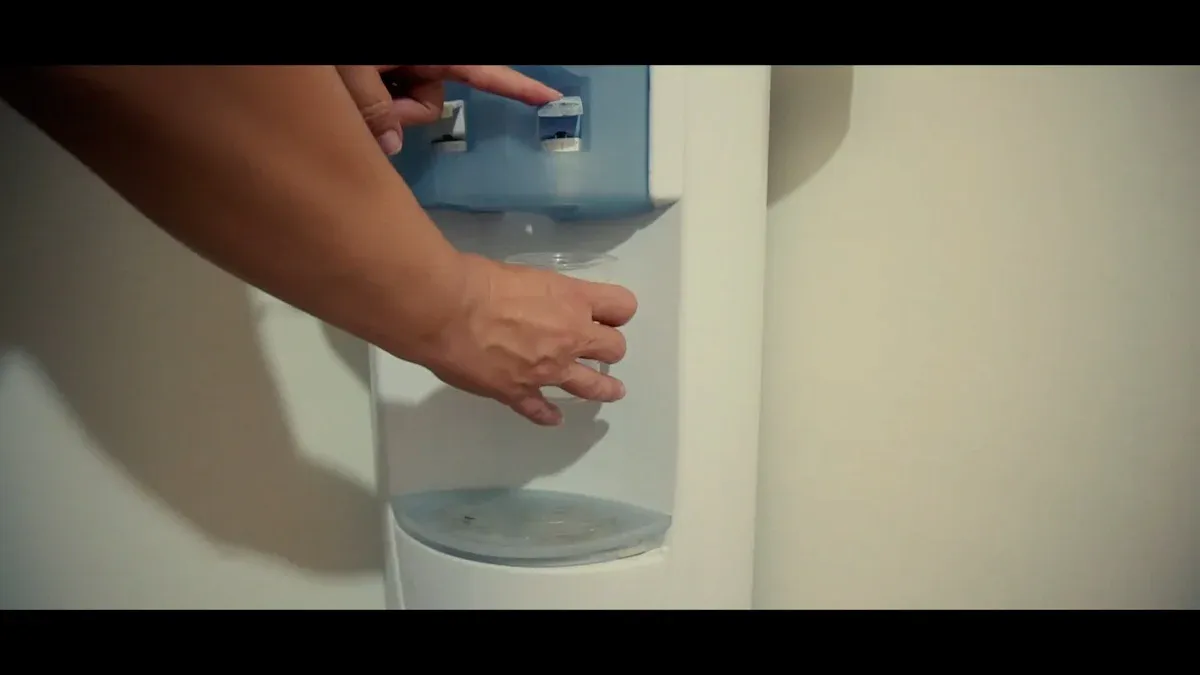
Consistent care keeps your water dispenser hot cold running smoothly. A regular maintenance schedule prevents buildup and ensures your water always tastes fresh and pure.
How Often to Clean Your Dispenser
You should perform a deep clean every 3 to 6 months. However, the frequency also depends on your local water supply. Areas with hard water have high mineral levels, like calcium. This causes limescale to build up faster. You may need to descale your machine more often in these regions. If your area has soft water, you can likely wait longer between cleanings. A good rule is to descale at least once every 12 months.
Vinegar vs. Bleach: Which to Use
You can choose between vinegar and bleach for cleaning. Both are effective, but they have different strengths.
- Vinegar: White vinegar is a great natural choice. Its acetic acid content easily dissolves mineral deposits and grime. It is also strong enough to kill many types of bacteria.
- Bleach: Unscented bleach is a powerful sanitizer. It is excellent for killing a wide range of germs.
Important: You must never mix bleach and vinegar together. This combination creates toxic chlorine gas. Always follow the manufacturer's instructions for your water dispenser hot cold to avoid health risks or strange-tasting water.
Daily and Weekly Maintenance Tips
Simple habits make a big difference in keeping your appliance clean.
Daily Tip 🗓️ At the end of each day, wipe the spigots and buttons. You can use a food-safe disinfectant wipe. This quick task removes fingerprints and neutralizes germs from daily use.
Weekly Checklist ✅ Once a week, perform these simple checks:
- Wipe down the entire exterior.
- Check the water bottle to ensure it is clean.
- Clean the nozzles and drip tray.
You now have the steps to maintain your appliance. Consistent cleaning removes mineral deposits and bacteria that cause musty tastes. Following this guide prevents buildup, which protects heating elements and improves efficiency. Your water will taste fresh and pure.
Set a Reminder! 🗓️ Perform a deep clean every 3-6 months to keep your appliance in top condition.
FAQ
Why does my water taste like vinegar after cleaning?
You likely need to rinse the system more. Flush the dispenser with fresh water one or two extra times. This simple step removes any leftover taste from the cleaning solution.
Can I clean my dispenser less than every 3 months?
Yes, you can clean it less often with soft water. Hard water creates mineral buildup faster. You should always perform a deep clean at least once a year.
Quick Tip 💡 A bad taste is a clear sign that your dispenser needs another rinse cycle.
What if the spigots are still dirty?
You can use a small, soft brush for stubborn grime. A spray bottle with your cleaning solution helps you target the nozzles directly for a more focused and effective clean.