How to Clean Your Clay Water Dispenser The Right Way
Your clay water dispenser naturally improves your drinking water, enhancing its quality in several ways.
| Parameter | Clay Pot Effect |
|---|---|
| Dissolved Oxygen | Increases significantly |
| Total Hardness | Decreases significantly |
| Total Viable Bacteria | Filters effectively |
| Turbidity | Decreases significantly |
To protect these benefits, you must clean the pot correctly. You only need warm water and a soft brush.
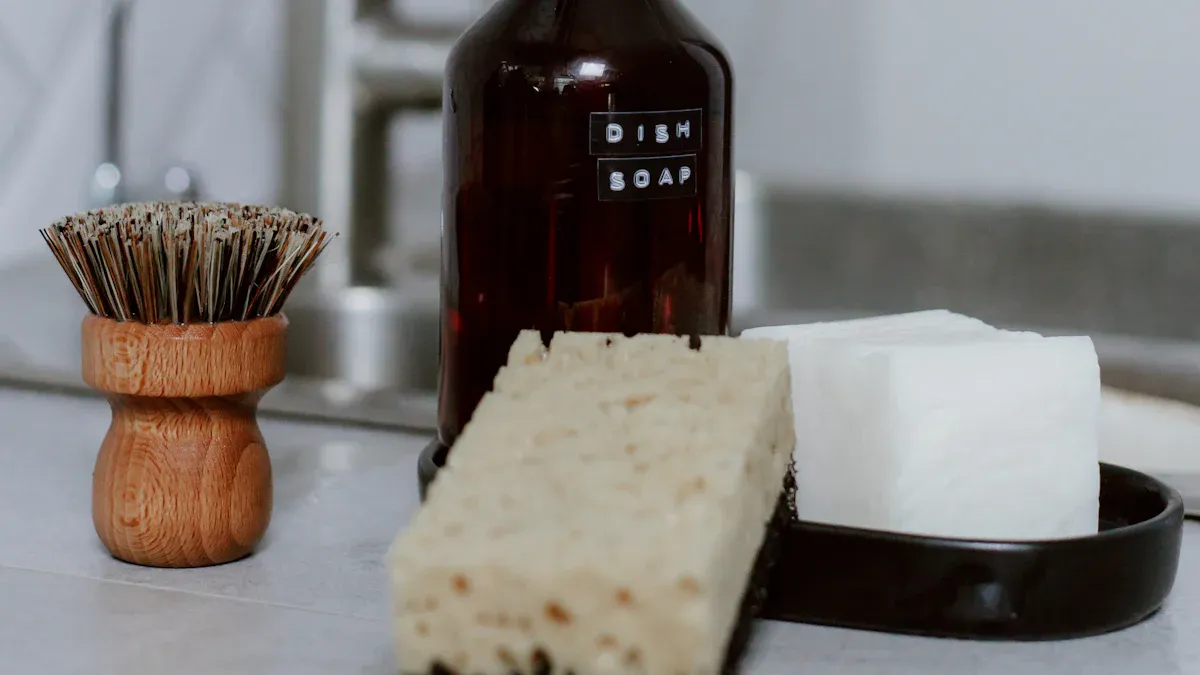
Important: Never use soap or detergents. The porous clay will absorb these chemicals, which contaminates your water and ruins its natural taste.
Key Takeaways
- Clean your clay water dispenser with only warm water and a soft brush. Never use soap or detergents.
- Rinse the pot many times until the water is clear. Then, air dry it completely in the sun for 6 to 8 hours.
- Clean your pot every three to four days. This keeps your water fresh and prevents mineral buildup.
The Step-by-Step Cleaning Process
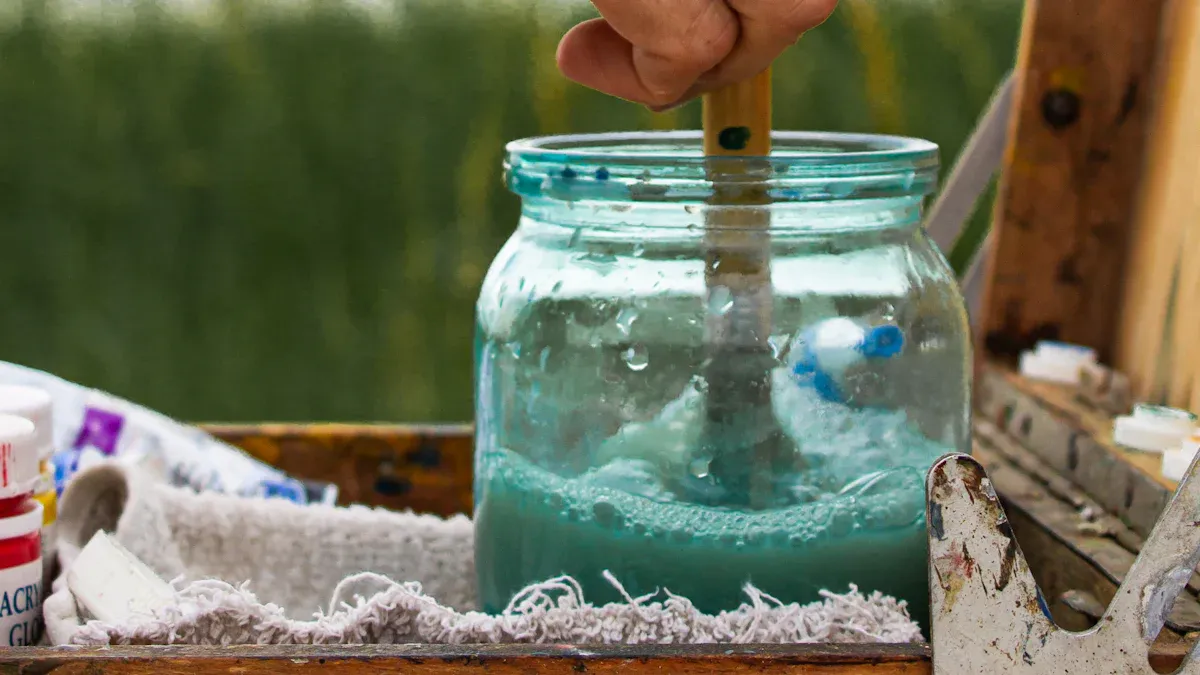
Following a simple, consistent cleaning routine keeps your water fresh and your pot in great condition. This process uses only natural elements to protect the integrity of your clay water dispenser.
Empty and Prepare the Pot
First, you need to get your dispenser ready for cleaning.
- Carefully pour out any remaining water from the pot. You can use this water for your plants.
- Move the empty pot to a sink or an area where you can easily wash it.
- Prepare a bowl of warm water. Remember, you will not use any soap.
Scrub Gently with Warm Water
Next, you will clean the inside of the pot. Your goal is to remove any buildup without scratching the clay.
Dip a soft brush or cloth into the warm water. Gently scrub the entire inner surface of the pot. A good brush is your best tool for this job. The ideal brush has specific qualities:
- It is made from food-grade materials, like polypropylene.
- Its bristles are firm enough to clean well but soft enough to prevent scratches.
- It is resistant to chemicals and does not contain any metal parts.
A Note on Mineral Buildup You might see white, chalky spots inside your pot. These are usually harmless mineral deposits, like calcium, that come from the water. They do not harm the pot or your water. You can gently scrub them, but do not worry if they don't come off completely.
Rinse Multiple Times
Rinsing is a crucial step. You must remove all the particles you loosened during scrubbing.
Pour fresh, cool water into the pot. Swirl the water around and then pour it out. Repeat this process at least three to four times. Continue rinsing until the water you pour out is completely clear. This ensures no loose sediment is left behind in your clay water dispenser.
Air Dry in the Sun
Finally, you must dry your pot completely before using it again.
Place the clean, empty pot upside down in a sunny, well-ventilated spot. The sun is a natural sanitizer and helps the pot dry thoroughly. Let it air dry for at least 6 to 8 hours, or until it is completely dry to the touch.
Important: Never store your pot or refill it with water before it is completely dry. Storing a damp clay pot can cause it to develop cracks over time as different parts dry at uneven rates. Patience during this final step is key to the long life of your dispenser.
Essential Maintenance for Your Clay Water Dispenser
Proper maintenance goes beyond cleaning. You can protect your pot and ensure it functions perfectly for years. Following a few key rules will preserve the natural benefits of your clay water dispenser.
What to Avoid When Cleaning
You must protect the porous surface of your pot. Never use soaps, detergents, or harsh chemical cleaners. These products contain substances that cause permanent damage.
- Surfactants: These agents in soap can clog the tiny pores in the clay. This action reduces the pot's natural cooling ability.
- Salts and Sodium: Found in many detergents, these chemicals can break down the clay's structure over time.
A Safer Choice If you face tough stains or mineral buildup, you can use natural alternatives. A paste of baking soda and water works well for scrubbing. A solution of vinegar and water can help dissolve mineral deposits. Always rinse the pot thoroughly after using them.
How Often to Clean
Regular cleaning prevents mineral buildup and keeps your water tasting fresh. You should clean your pot every three to four days. If your water has a high mineral content, you might need to clean it more frequently.
Preparing a New Pot
You need to season a new pot before its first use. This process prepares the clay and ensures the best performance.
- First, rinse the new pot and its lid thoroughly with plain water.
- Next, fill the pot halfway with water.
- Let the pot sit for one full day (24 hours).
- Finally, pour out the water. Your pot is now seasoned and ready for drinking water.
Storing Your Dispenser
If you need to store your pot, proper preparation is essential. First, clean it following the steps in this guide. Make sure it is completely air-dried. Storing a damp pot can lead to damage. Place the dry, empty pot in a safe, secure location where it will not get knocked over.
You ensure your clay water dispenser performs well with consistent care. Cleaning it with only warm water and a soft brush is the key to its long life.
The most important rule is to avoid all soaps and detergents. This action protects your water's purity and natural taste.
Following these simple steps guarantees you will enjoy fresh, cool water for years to come.
FAQ
Why can't I use soap on my clay pot?
The porous clay absorbs soap and chemicals. These substances will then leak into your drinking water. This process contaminates the water's taste and purity, making it unsafe.
Are the white spots inside my pot harmful?
No, those white spots are usually harmless mineral deposits from your water. You can gently scrub them, but they do not pose a risk to your health.
How do I know when my pot is dry enough?
Your pot must feel completely dry to the touch. You should let it air dry in a sunny spot for at least 6 to 8 hours before you refill it.