Sparkling Clean Water Dispenser Ceramic A Simple Guide

You can properly clean your water dispenser ceramic by washing the pot and lid with mild dish soap. The spigot needs a separate, thorough cleaning. You should perform this regular cleaning each time you change the water bottle, or at least monthly. This prevents bacteria and keeps your water tasting fresh.
Key Takeaways
- Clean your ceramic water dispenser often. This stops germs and keeps your water tasting good.
- Use mild soap for regular cleaning. Use white vinegar for a deep clean every few months.
- Do not use harsh cleaners or rough scrubbers. They can harm your dispenser.
Why Regular Cleaning is Non-Negotiable
You might think your water dispenser is clean because the water looks clear. However, constant moisture creates a perfect home for unwanted guests. Regular cleaning is a simple task that protects your health and your investment.
Preventing Mold and Bacteria
Your dispenser's moist environment can easily grow mold and harmful bacteria. Studies show that water dispenser tanks can have more bacteria than the water bottles supplying them. Without regular washing, you risk contamination from several sources.
- Pseudomonas: This bacterium thrives in water and can cause infections.
- E. coli: Its presence often points to contamination and can lead to serious illness.
- Coliform bacteria: These are indicators that other harmful germs may be in your water.
Regular cleaning removes this microbial buildup. It ensures the water you drink is safe and free from pathogens that can cause waterborne diseases.
Maintaining Fresh-Tasting Water
Have you ever noticed your water tasting stale or musty? This is often a sign of biofilm, a slimy layer of bacteria that builds up on surfaces. Mineral deposits from your water source, like iron or zinc, can also accumulate. These deposits give your water an unpleasant metallic taste. Cleaning your water dispenser ceramic removes both biofilm and mineral buildup. This simple step guarantees every glass of water is crisp, clean, and refreshing.
Extending the Life of Your Dispenser
Consistent care does more than keep your water clean; it protects the dispenser itself. Mineral buildup can clog the spigot over time. This makes it difficult to use and can cause permanent damage. Cleaning prevents corrosion and keeps all parts working smoothly.
Tip: A well-maintained spigot ensures a perfect seal, preventing annoying drips and leaks that can damage your floors or countertops.
By taking a few minutes to clean your dispenser, you extend its lifespan for years of reliable use.
Your Step-by-Step Regular Cleaning Guide
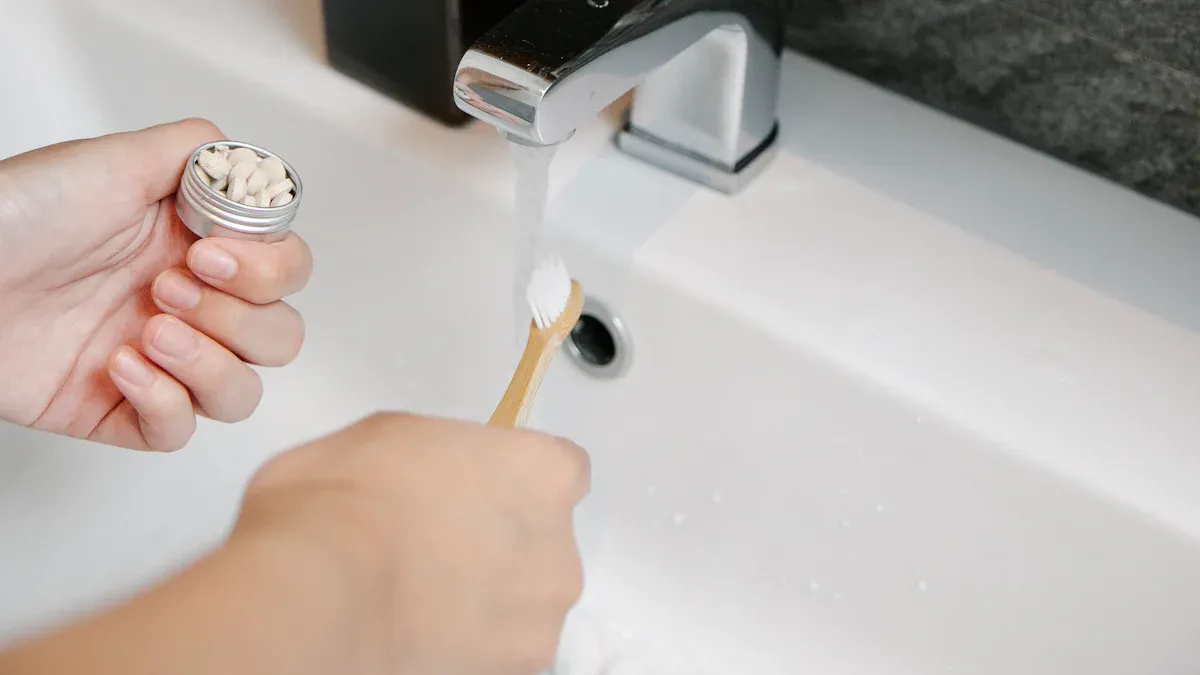
Regular cleaning is a simple process that takes only a few minutes. Following these steps ensures your dispenser remains a reliable source of fresh water. You can complete this routine every time you change your water bottle.
Gather Your Simple Supplies
You do not need special equipment for a regular clean. You likely have everything you need in your kitchen already. Before you start, gather these items:
- Mild, unscented dish soap
- A soft, lint-free microfiber cloth
- Warm water
- A small, soft-bristled brush or an old, clean toothbrush
Note: Using a microfiber cloth is important. It is soft enough to clean without scratching the ceramic surface and will not leave behind any lint.
Safely Disassemble Your Dispenser
You must take your dispenser apart to clean it properly. This process is quick and ensures you can reach every surface.
- Carefully lift the empty water bottle off the top of the dispenser.
- Place the dispenser in a sink or use a bucket to catch any remaining water.
- Open the spigot to drain the reservoir completely.
- Reach inside the dispenser and locate the nut holding the spigot in place.
- Hold the spigot steady with one hand. Use your other hand to slowly unscrew the nut.
- Once the nut is off, you can gently pull the spigot out from the front.
Wash the Ceramic Pot and Lid
Now you can wash the main parts of your water dispenser ceramic. Proper washing removes buildup without causing damage.
Use warm, soapy water for the best results. This temperature helps dissolve residue effectively. Gently wipe the inside and outside of the ceramic pot with your soft microfiber cloth. Use straight, gentle motions instead of harsh scrubbing. This technique protects the glazed surface from micro-scratches. Rinse the pot and lid thoroughly with clean water to remove all soap.
| Cleaning Tool | Use It? | Reason |
|---|---|---|
| Microfiber Cloth | ✅ Yes | The soft fibers clean effectively without scratching the glaze. |
| Baking Soda | ❌ No | This is an abrasive material that can damage the dispenser's surface. |
| Steel Wool | ❌ No | This will create deep scratches and permanently ruin the finish. |
Clean the Spigot Thoroughly
The spigot is a critical part that needs special attention. Biofilm can easily build up inside its narrow channel.
First, wash the outside of the spigot with soapy water. Next, use your small, soft-bristled brush or an old toothbrush to scrub the inside. Push the brush all the way through the spigot's opening to dislodge any hidden grime. Make sure you clean the threads where the nut attaches as well. Rinse the spigot completely under running water until no soap bubbles remain.
Dry and Reassemble for a Perfect Seal
Proper drying and reassembly prevent leaks and ensure your dispenser is ready for use.
You should air-dry the ceramic pot and lid or wipe them with a clean, lint-free microfiber towel. This prevents water spots and ensures no fibers are left behind. Once everything is completely dry, you can reassemble the dispenser.
- Insert the spigot back into the hole from the outside.
- Screw the nut back on from the inside. Hand-tighten it to create a snug seal.
- Place the dispenser back in its spot and fill it with a small amount of water.
- Check around the spigot for any drips or leaks. If you see a leak, tighten the nut a little more.
- Test the spigot lever to ensure water flows correctly.
Your dispenser is now clean and ready for a new bottle of water.
How to Deep Clean and Sanitize Your Dispenser
Regular cleaning keeps your dispenser fresh day-to-day. A deep clean, however, tackles the tough buildup that soap and water cannot remove. This process sanitizes the ceramic and dissolves stubborn mineral deposits.
When to Perform a Deep Clean
You should perform a deep clean every 3 to 6 months. The timing also depends on your water source and how often you use the dispenser. Hard water with high mineral content may require more frequent deep cleaning. You will know it is time for a deep clean when you see specific signs.
Look for these indicators of buildup:
- White, chalky film on the ceramic, which is calcium buildup.
- Small black or green mold spots inside the pot.
- A slimy feeling near the spigot's nozzle.
- Cloudy water or ice, even with a fresh water bottle.
The Safe Sanitizing Solution: White Vinegar
You do not need harsh chemicals to sanitize your dispenser. Distilled white vinegar is a safe, effective, and natural solution. Its main component is acetic acid, which is excellent for cleaning.
The 5% acetic acid in white vinegar breaks down grime and mineral deposits. It also acts as a mild disinfectant that is effective against common bacteria like E. coli and Salmonella.
You can easily make your own cleaning solution. The scientifically supported ratio is simple and effective.
- Combine 1/2 cup of distilled white vinegar.
- Add 1/2 cup of water.
This 1:1 mixture creates a powerful solution to sanitize your dispenser and remove mineral scale without damaging the ceramic.
The Deep Cleaning and Sanitizing Process
This sanitizing process is straightforward. Set aside about 30 minutes to complete it thoroughly. Following these steps will restore your dispenser to a like-new condition.
- Disassemble Your Dispenser. First, take your dispenser apart completely. Remove the lid and the spigot, just as you do for a regular cleaning.
- Prepare and Fill. Mix your 1:1 white vinegar and water solution. Pour this solution into the empty ceramic pot. Use your soft brush to gently scrub the inside walls with the solution.
- Let the Solution Sit. Re-insert the spigot and close it. Let the vinegar solution sit inside the reservoir for at least 15 minutes. This waiting period is crucial. It gives the acetic acid enough time to dissolve mineral buildup and sanitize the surfaces.
- Drain and Scrub. Open the spigot and drain the entire vinegar solution through it. This cleans the inside of the spigot channel. Use your small brush again to scrub the inside of the spigot to remove any loosened grime.
- Rinse Thoroughly. The vinegar smell and taste must be completely removed. Fill the dispenser with warm water and drain it through the spigot. Repeat this rinsing process at least one more time with cool, clean water. Rinsing twice ensures no vinegar aftertaste remains.
- Dry and Reassemble. Air-dry all the parts or use a clean microfiber cloth. Once everything is completely dry, reassemble your water dispenser ceramic. It is now sanitized and ready to provide pure, fresh-tasting water.
Essential Maintenance for a Lasting Water Dispenser Ceramic
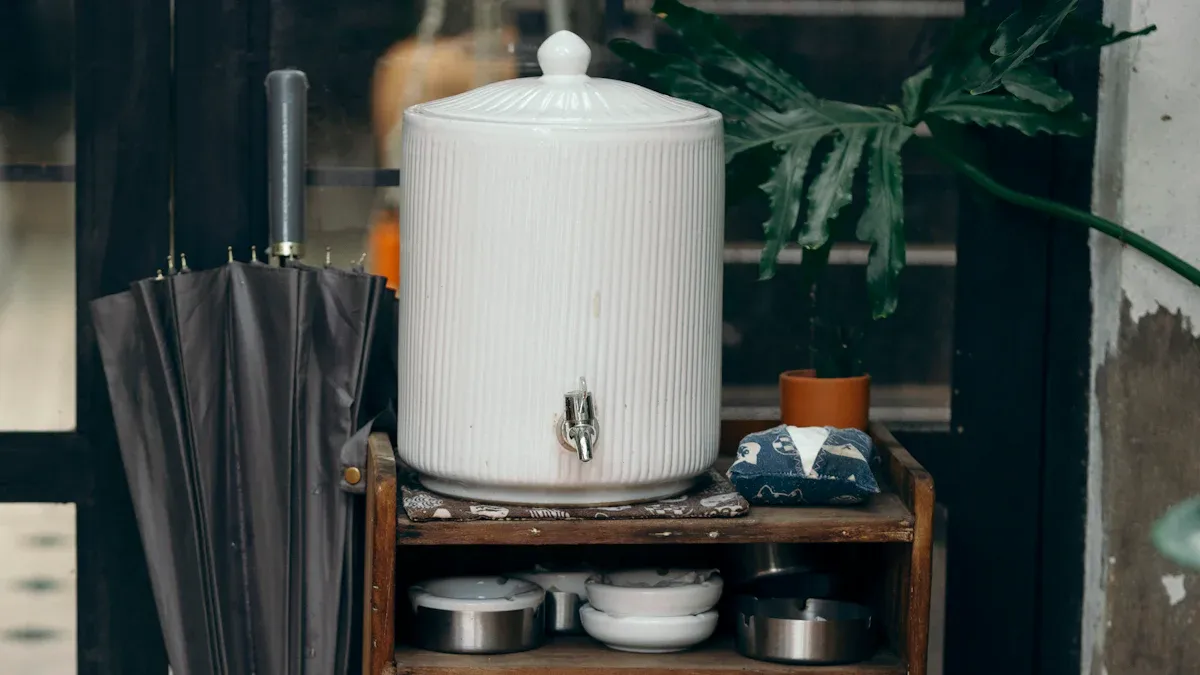
Proper maintenance goes beyond cleaning. You can protect your investment with a few simple habits. These practices ensure your dispenser functions perfectly for years.
What to Avoid: Harsh Chemicals and Abrasives
You should always use gentle cleaning methods. Harsh chemicals like bleach or ammonia can damage the ceramic glaze and may leave harmful residues. Abrasive tools are also very damaging.
- Steel wool and abrasive sponges will scratch the glazed coating.
- These scratches create a rough surface that can trap bacteria.
- A damaged glaze makes the ceramic porous, allowing liquids to seep in and cause permanent stains.
Stick to mild soap and soft cloths to protect the finish of your water dispenser ceramic.
Checking and Caring for Your Spigot
Your spigot controls the water flow, so it needs regular attention. You should inspect it monthly for any issues. Check for slow water flow, which could mean there is a clog from mineral buildup. Look for drips around the spigot base when it is closed. A leak often means the inner washer is worn or the nut is loose.
Tip: If your spigot leaks, try hand-tightening the nut on the inside of the dispenser. Do not overtighten it, as this can crack the ceramic.
Storing Your Dispenser Properly
You may need to store your dispenser at some point. Proper storage prevents damage and keeps it ready for future use. First, perform a deep clean and make sure every part is completely dry. Moisture can lead to mold growth during storage. Wrap the ceramic pot in a soft blanket or bubble wrap. Store it in a sturdy box in a safe, dry place where it will not be knocked over.
You now hold the key to fresh, safe, and great-tasting water. Consistent cleaning is essential for your ceramic water dispenser. You can easily maintain your dispenser for years by following the simple regular and deep cleaning routines. Your small effort guarantees every glass of water is pure and refreshing.
FAQ
How often should I clean my dispenser?
You should perform a regular clean monthly or with each new water bottle. A deep clean with vinegar is necessary every 3 to 6 months for optimal performance.
Can I use bleach instead of vinegar?
You should not use bleach. Harsh chemicals can damage the ceramic glaze and may leave behind unsafe residues. White vinegar is the safest and most effective sanitizing solution.
What if my spigot is still slow after cleaning?
You might have stubborn mineral buildup. Try soaking just the spigot in pure white vinegar for 30 minutes. Then, scrub the inside again with a small brush.