Keeping Your Guinea Pig Healthy How to Maintain Their Water Bottle
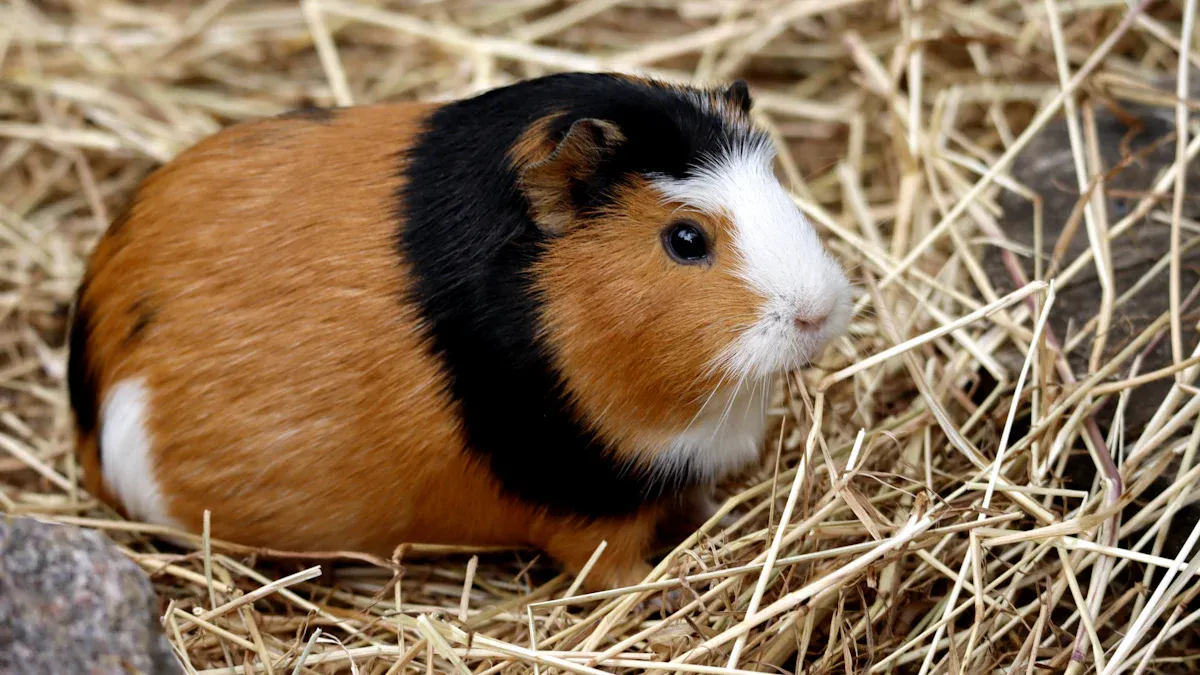
You maintain your pet's health with proper bottle care. Perform a daily rinse of the guinea pig water dispenser. A weekly deep clean is also essential for your pet's well-being.
Weekly Cleaning Tip: Use a bottle brush and a safe vinegar-water solution to scrub the bottle and sipper tube. You must rinse all parts thoroughly with fresh water before refilling to ensure safety.
Key Takeaways
- Clean your guinea pig's water bottle often. Rinse it daily. Deep clean it once a week to stop germs.
- Use vinegar and a brush for deep cleaning. Make sure to rinse all parts well. This keeps your pet safe from harmful cleaners.
- Check the water bottle daily for leaks or blocks. This ensures your guinea pig always has fresh water to drink.
How to Deep Clean Your Guinea Pig Water Dispenser
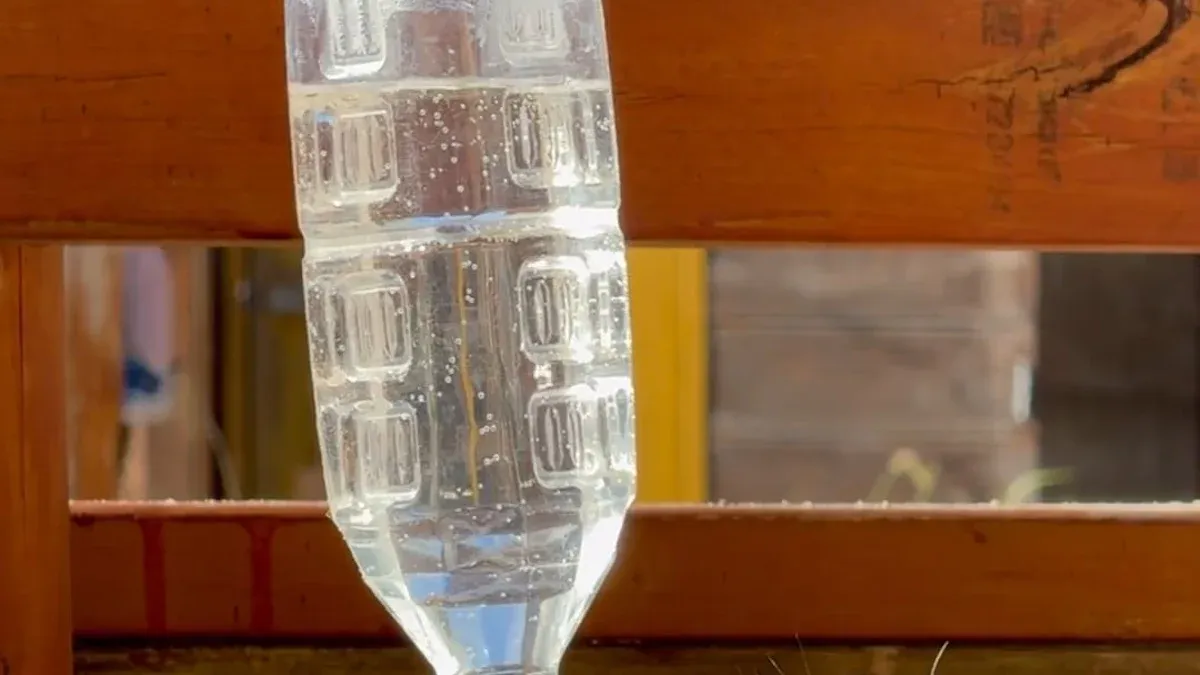
A weekly deep clean removes grime and bacteria that a simple rinse leaves behind. This process ensures every part of the water bottle is sanitary for your pet. Following these steps will make your cleaning routine fast and effective.
Essential Cleaning Supplies
Before you begin, gather your tools. Having everything ready makes the job much easier. You will need:
- Unscented dish soap
- White vinegar
- A bottle brush set (including a large brush and a small, thin brush for the sipper)
- Clean cloths or paper towels
Step 1: Disassemble and Rinse
First, you need to take the bottle apart. Unscrew the cap and remove the sipper tube assembly. Empty any old water from the bottle. Give the bottle, cap, and sipper tube a preliminary rinse under warm running water. This initial step washes away any loose debris before you start scrubbing.
Step 2: Scrub the Bottle and Cap
Now you will scrub the inside of the bottle. This step is vital for removing invisible threats. You should scrub the bottle immediately if you notice any signs of biofilm.
Signs of Biofilm Buildup 🦠
- A slimy or slippery film on the inner surfaces.
- A strange or musty odor coming from the bottle.
- Cloudy water even after you just refilled it.
Create a cleaning solution by mixing equal parts white vinegar and warm water. Pour this solution into the bottle. Use your bottle brush to scrub the interior surfaces thoroughly, paying close attention to the bottom and shoulders of the bottle. For a narrow-necked guinea pig water dispenser, you have several effective options:
- Use a baby bottle brush. Its design works perfectly for narrow openings.
- Add a spoonful of uncooked rice and a little water. Shake the bottle vigorously to let the rice scrub the sides, then rinse completely.
- Drop a denture cleaning tablet into the water-filled bottle. Let it fizz and sit for the recommended time before rinsing.
Do not forget to scrub the cap, especially the threads where bacteria can hide.
Step 3: Clean the Sipper Tube
The metal sipper tube needs special attention. Mineral deposits from hard water can build up inside the narrow tube. This buildup restricts water flow and can create a complete blockage, preventing your guinea pig from drinking. These rough mineral surfaces also create a perfect place for harmful bacteria to grow, which can alter the taste of the water and make your pet sick.
Use a thin pipe cleaner or the small brush from your bottle brush kit to clean the inside of the sipper tube. Dip the brush in your vinegar solution and push it through the tube several times. Also, scrub the outside of the tube and the ball bearing at the tip.
Step 4: Rinse Thoroughly and Reassemble
This final step is crucial for your pet's safety. You must rinse every component—the bottle, the cap, and the sipper tube—with fresh, clean water. Continue rinsing until you can no longer smell any vinegar or soap. Any leftover cleaning solution can be harmful to your guinea pig.
Dry the outside of the guinea pig water dispenser. Reassemble the cap and sipper tube. Refill the bottle with fresh, cool water and hang it back in the cage. Finally, tap the ball bearing at the end of the sipper tube a few times. This ensures water is flowing correctly and breaks any airlock that may have formed.
Maintenance Schedule and Troubleshooting
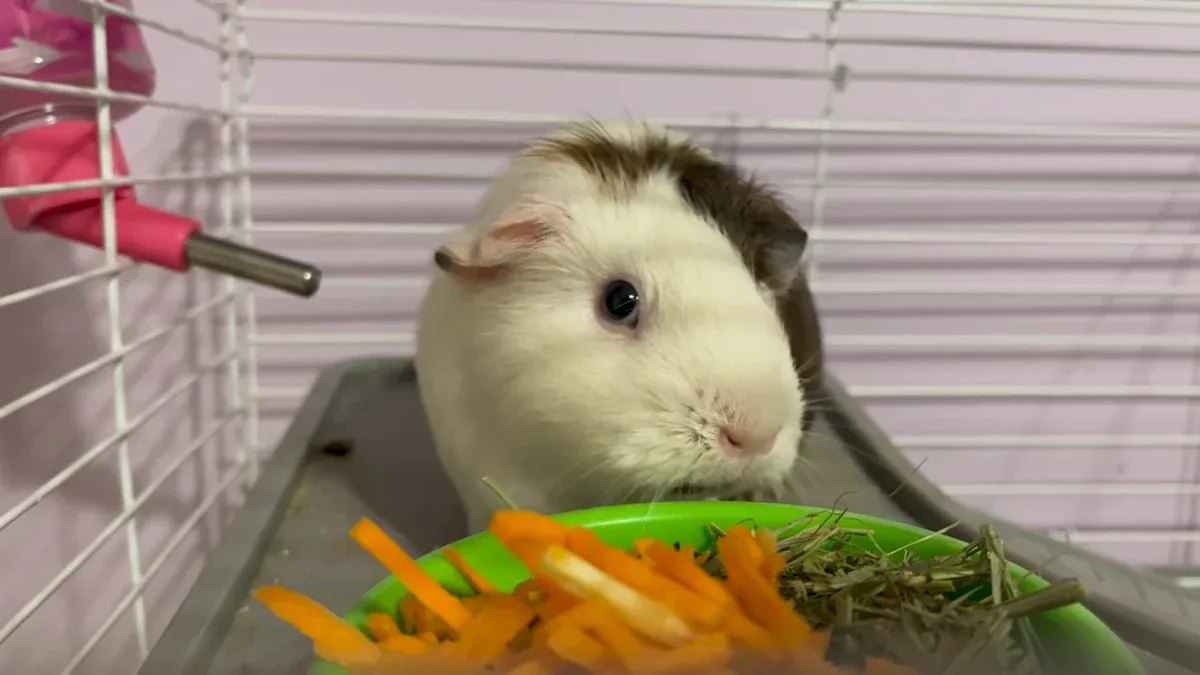
Consistent care prevents most water bottle problems. A simple daily check and knowing how to fix common issues will keep your guinea pig's water supply safe and reliable.
Daily Water Bottle Care
You should change your guinea pig’s water every day. This provides them with a fresh supply and stops bacteria from growing. Check the water level to understand your pet's drinking habits. When you refill the bottle, consider the type of water you use.
Water Quality Matters 💧 Vets often have specific recommendations based on a guinea pig's health needs.
- Filtered or bottled water may be suggested for guinea pigs with bladder issues, as some brands have very low calcium content.
- Tap water contains chlorine. Chlorine can harm the good bacteria in your guinea pig's gut. You can remove chlorine by using a water filter or by letting tap water sit out for 24 hours before use.
Common Problem: Leaking Bottle
A leaky bottle creates a wet, unhealthy mess in your pet's cage. You can usually fix a leak easily. Check for these common causes:
- Temperature Change: Filling a bottle with cold water and placing it in a warm room causes the air inside to expand, forcing water out. Use cool or room-temperature water.
- Incorrect Assembly: A cap that is too tight can damage the seal. Screw the cap on firmly but do not overtighten it.
- Damaged Washer: The small rubber washer inside the cap creates a seal. If it is cracked or missing, the bottle will leak.
Common Problem: Water Blockage
A water blockage is dangerous because it stops your guinea pig from drinking. This usually happens when the ball bearing in the sipper tube gets stuck. After refilling your guinea pig water dispenser, always tap the ball bearing with your fingertip. You should see a few drops of water come out. This action confirms water is flowing and breaks any airlock.
Common Problem: Algae Growth
You might see green or black stuff growing inside the bottle. This is algae. Algae grows when the bottle is exposed to direct sunlight. Move the cage or bottle to a spot away from windows. Your weekly deep cleaning routine will remove any existing algae and keep the bottle sanitary.
You practice responsible pet care with a simple cleaning routine. A daily rinse and weekly deep clean of the guinea pig water dispenser prevent harmful bacteria. This ensures your pet has constant access to fresh water, which is vital for hydration. A lack of clean water can lead to dehydration. Watch for these signs:
- Sunken or crusty eyes
- Lethargy or lack of appetite
- Reduced urination
- A dull coat
FAQ
How often should I deep clean the bottle?
You should perform a deep clean once every week. This important schedule prevents harmful bacteria from growing and keeps your pet's water supply safe and sanitary.
Can I use soap instead of vinegar?
Yes, you can use a small amount of unscented dish soap.
Important: You must rinse every part thoroughly. Leftover soap residue is harmful to your guinea pig and can make them very sick.
Why isn't my guinea pig drinking from the bottle?
Your pet might need time to learn. You can tap the sipper tube to show them where the water comes from. Also, always check for water blockages.