How to Clean and Sanitize Your Countertop Water Dispenser in 2025
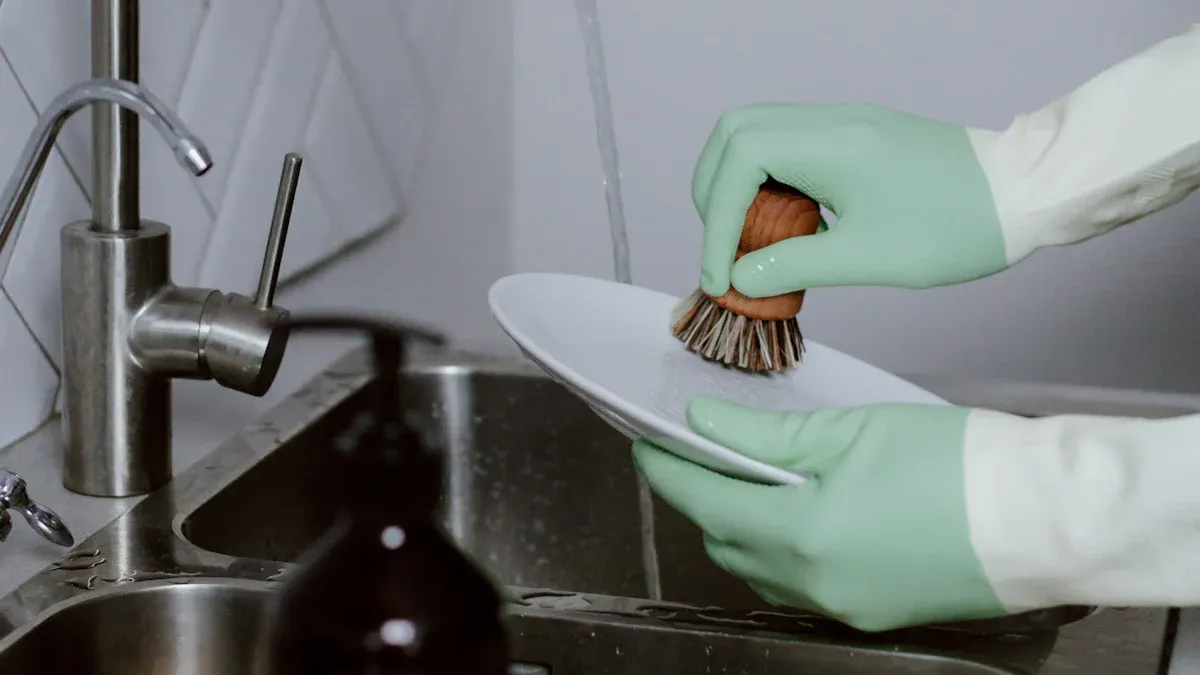
You can easily clean your countertop water dispenser hot cold. Use a simple solution of vinegar and water or diluted bleach. This process removes harmful bacteria like Aspergillus and mineral buildup from the reservoir and parts.
Did you know? Studies show water from dispensers can have significantly higher contamination rates than municipal tap water.
Following these steps ensures your water is safe and tastes fresh.
Key Takeaways
- Clean your water dispenser monthly. This stops germs and keeps your water fresh.
- Use vinegar or diluted bleach for cleaning. Do not use harsh chemicals or soap inside the dispenser.
- Follow a regular cleaning schedule. This makes your dispenser last longer and keeps your water safe.
The Complete Cleaning and Sanitizing Guide
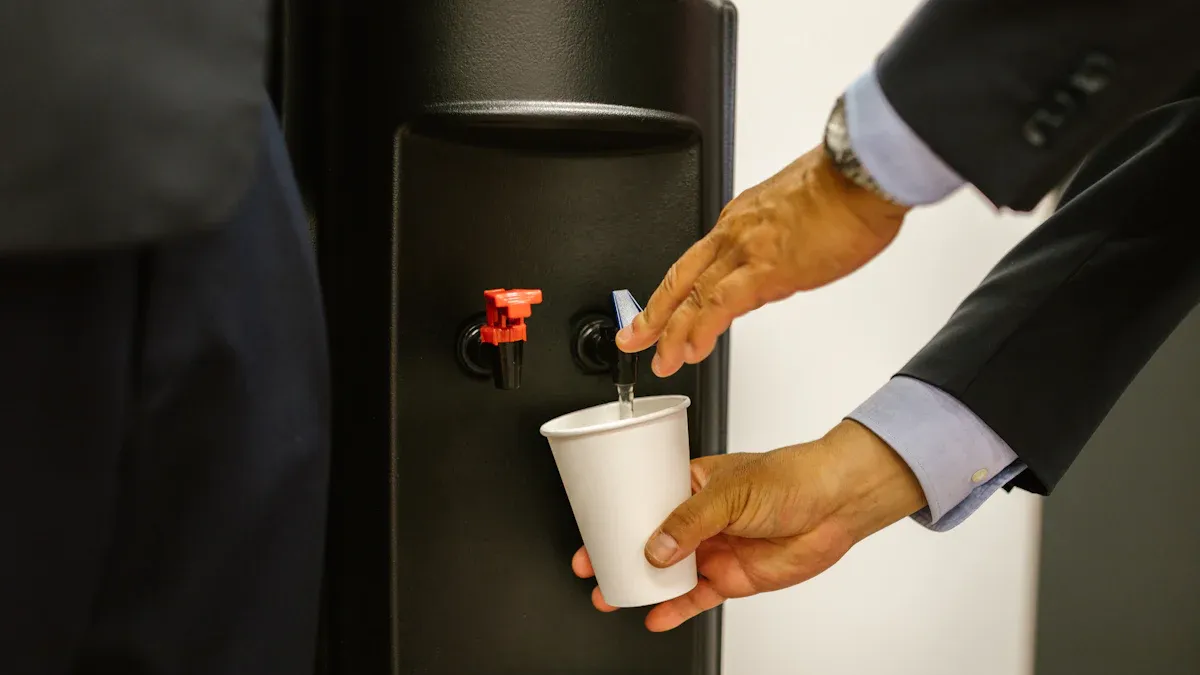
This guide provides a detailed, step-by-step process to get your water dispenser sparkling clean and free of germs. Following these instructions will protect your health and improve the taste of your water.
Step 1: Preparation and Supplies
First, you need to prepare your workspace and gather your supplies. Safety is the top priority when handling any electronic appliance.
Safety First! ⚠️ Before you begin, always check your manufacturer's user manual for specific instructions. Your safety is crucial.
- Turn off the hot water switch on your dispenser.
- Allow the hot water tank to cool down completely. This can take about an hour.
- Unplug the countertop water dispenser hot cold from the wall outlet.
Next, collect all the necessary cleaning tools. Having everything ready makes the process smooth and efficient.
Your Cleaning Toolkit:
- Mild dish soap
- A soft cloth and a microfiber towel
- White vinegar or unscented household bleach
- A small, soft-bristled brush for nozzles and tight spots
- A bucket or large bowl to catch water
Step 2: Mix Your Cleaning Solution
You have a few options for a cleaning solution. You can choose a natural vinegar solution or a bleach solution for sanitizing. Avoid harsh chemical cleaners. They can damage your dispenser's internal parts and leave behind harmful residues.
Choose one of the following solutions:
| Solution Type | Recipe | Instructions |
|---|---|---|
| Vinegar Solution | Mix 1 part white vinegar with 3 parts water. | Pour the ingredients into your dispenser's reservoir. |
| Bleach Solution | Mix 4 teaspoons of bleach per quart of water. | This follows CDC guidelines for sanitizing food-contact surfaces. |
| Commercial Descaler | Follow product label instructions. | Many products like Universal Descaler or DuPharm® SR are designed to safely remove mineral deposits from appliances like coffee urns and water dispensers. |
Step 3: Clean the Water Reservoir
Now you will clean the main water tank, or reservoir. This is where bacteria and mineral buildup often occur.
- Remove the empty water bottle. Drain any remaining water from the reservoir through the spigots.
- Pour your chosen cleaning solution into the reservoir.
- Use a soft brush or sponge to gently scrub the inside surfaces. The goal is to loosen debris without scratching the plastic. Scratches can become new hiding spots for bacteria. A Magic Eraser can also work well without causing damage.
- Let the solution sit inside the reservoir for at least 5 to 15 minutes. This contact time is essential for the solution to effectively sanitize the unit.
Step 4: Sanitize Spigots and Drip Tray
The spigots and drip tray are high-contact areas that need regular attention.
- Spigots: While the solution is in the reservoir, dip your small brush into the cleaning solution. Carefully scrub the inside and outside of each spigot to remove any grime.
- Drip Tray: Lift the drip tray and its cover off the unit. If it is detachable, you can wash it in your sink with warm, soapy water. If it is not detachable, use a soft cloth soaked in your cleaning solution to wipe it down thoroughly.
Step 5: Flush and Rinse the System
Properly flushing your countertop water dispenser hot cold is the most important step for safety. You must remove all traces of the cleaning solution.
- Place a bucket under the spigots. Drain the entire cleaning solution from the reservoir by pressing both the hot and cold taps.
- Fill the reservoir with fresh, clean water.
- Drain this fresh water completely through the spigots.
- Repeat the rinsing process at least two more times. You want to flush the system until you can no longer smell any vinegar or bleach. Sniff the reservoir to be sure. Any leftover residue can affect your water's taste and safety.
Step 6: Reassemble and Final Wipe-Down
You are almost finished! The final step is putting everything back together and cleaning the exterior.
- Ensure all removable parts, like the drip tray and baffles, are completely dry before you put them back.
- Wipe the entire exterior of your countertop water dispenser hot cold with a damp microfiber cloth. You can use a little mild dish soap for any stubborn spots.
- Place a new water bottle onto the dispenser.
- Plug the unit back into the wall outlet and turn the hot water switch back on.
- Dispense a cup of water from each tap to ensure everything is working correctly.
Congratulations! 🎉 You have successfully cleaned and sanitized your water dispenser.
Long-Term Maintenance and Tips
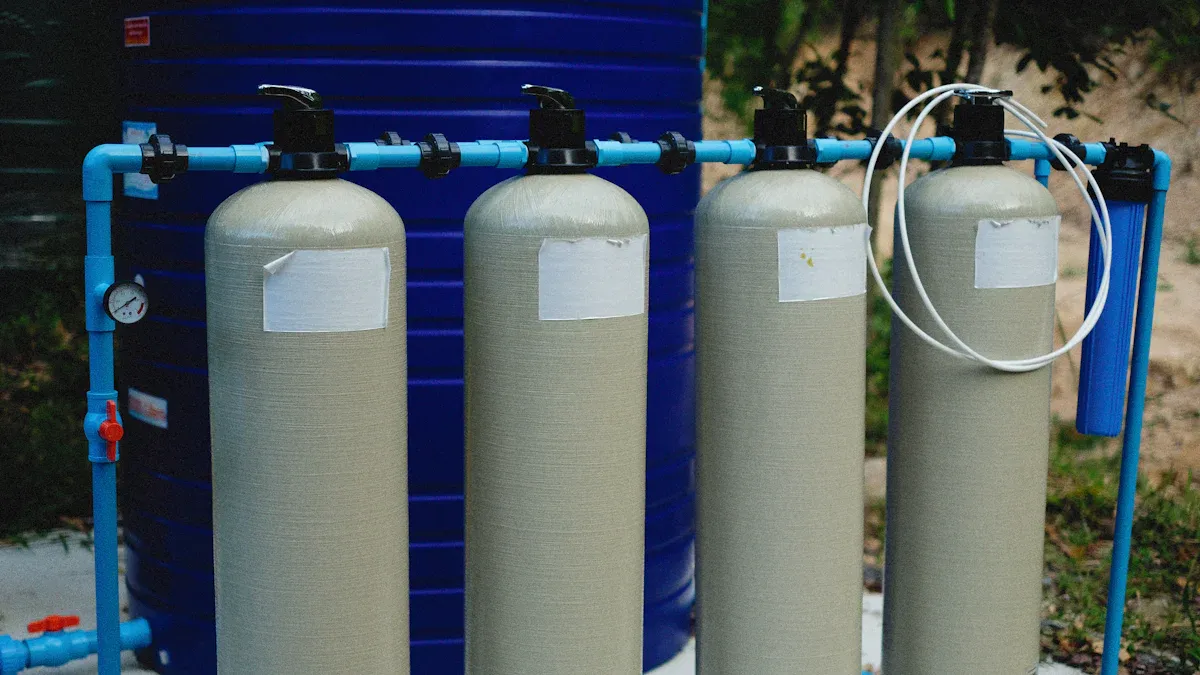
Consistent care keeps your water dispenser running smoothly. These long-term habits prevent common problems and extend the life of your appliance.
Your Regular Maintenance Schedule
You can maintain a clean dispenser with a simple routine. Follow these daily and weekly habits to prevent grime and odors.
- Daily: Wipe the exterior surfaces with a damp cloth. You should also empty and wash the drip tray with warm, soapy water.
- Weekly: Use a small brush dipped in vinegar to clean the dispensing nozzles. You should also inspect the unit for any leaks around the base or connections.
- Monthly: Perform a full internal cleaning as described in the guide above. This prevents serious bacteria and mineral buildup.
Tips for Your Countertop Water Dispenser Hot Cold Taps
You may occasionally face issues with your taps. Here is how you can troubleshoot common problems.
Troubleshooting Tip 💡 If you have no hot water, first check that the unit is plugged in and the hot water switch is on. A faulty heating element may require you to contact the manufacturer.
A slow flow from the cold tap often points to a clog. Mineral deposits can block the nozzle, especially in areas with hard water. A clogged filter can also stop water flow. You should replace your filters every 3 to 6 months to keep your countertop water dispenser hot cold working well.
Identifying and Removing Mineral Buildup
Hard water contains minerals that create limescale. You can easily spot the signs of this buildup.
- Look for a white, chalky crust around the spigots.
- Notice if your water or ice cubes appear cloudy.
- Experience a slow flow of water from the taps.
Vinegar is the best tool to remove heavy limescale. You can soak a cloth in white vinegar and wrap it around the faucet for an hour. The acid naturally dissolves the mineral deposits. The type of water in your area affects how often you need to descale your countertop water dispenser hot cold.
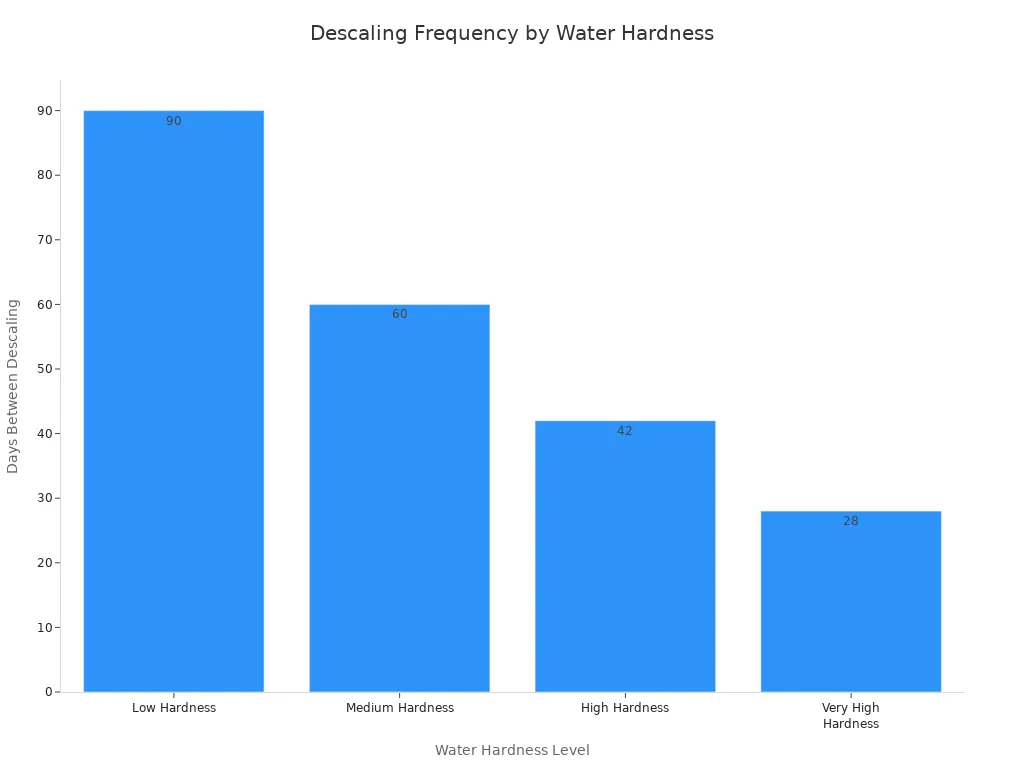
Following this schedule ensures your appliance performs at its best.
You now have the knowledge to keep your water safe and fresh. Following this guide helps you confidently stop harmful bacteria like Salmonella from growing inside your unit.
Consistent cleaning is the key. You protect your health and can extend your dispenser's life to seven years or more.
Adhere to the recommended schedule. Your appliance will run perfectly for years to come.
FAQ
How often should I clean my water dispenser?
You should perform a deep clean every month. Wipe the outside daily. This simple schedule prevents bacteria growth and keeps your water tasting fresh and pure.
Can I use soap to clean the inside?
No, do not use soap inside the reservoir. Soap can leave a residue that affects your water's taste. Use a vinegar or diluted bleach solution instead.
Why does my water taste funny? 🤢
A funny taste often means your dispenser needs cleaning. Mineral buildup or bacteria can change the water's flavor. Regular cleaning solves this common problem.