How to Deep Clean Your Cold Water Dispenser at Home
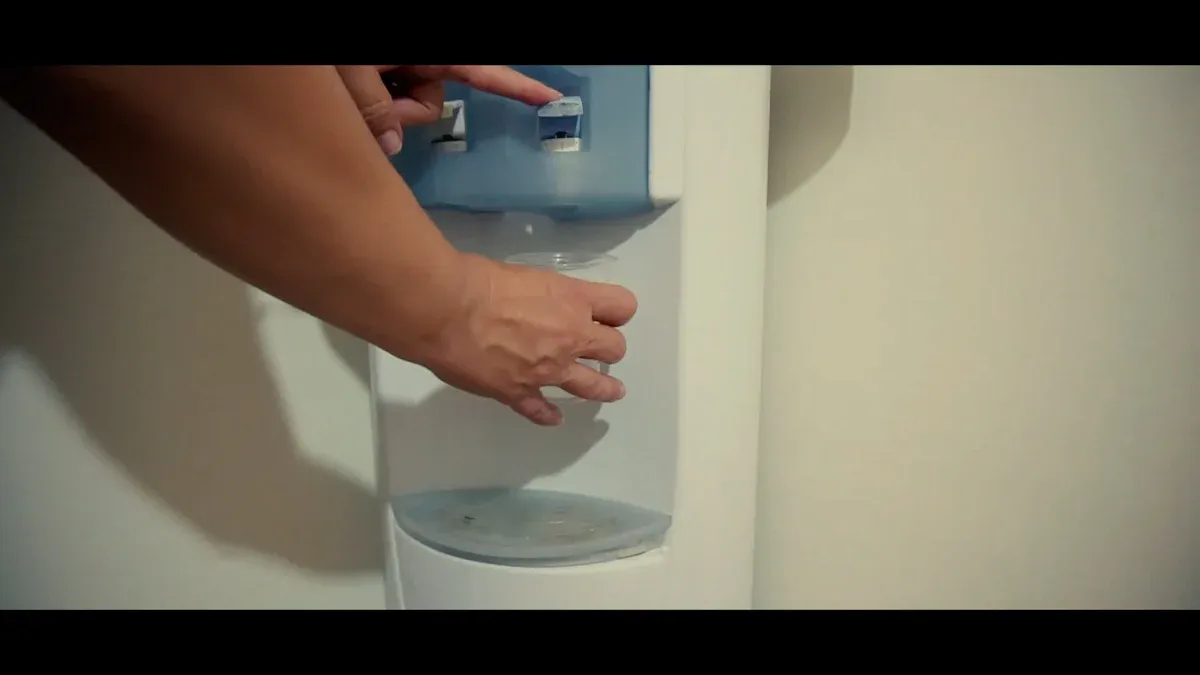
Your water dispenser can harbor unseen bacteria. Research shows over 76% of dispensers contain contamination, which can cause upset stomachs. You should deep clean your cold water dispenser countertop every 3 to 6 months to prevent this buildup.
Quick Tip: Use a simple solution of one part white vinegar to one part water. Let the solution sit in the reservoir for 5-10 minutes.
Key Takeaways
- Deep clean your water dispenser every 3 to 6 months. This prevents bacteria and mold from growing. It keeps your drinking water safe and fresh.
- Use a simple vinegar or bleach solution to clean the inside. Scrub taps and the drip tray well. Rinse the dispenser many times to remove all cleaning solution.
- Regular cleaning helps your dispenser last longer. It also makes sure your water always tastes good. Look for signs like bad taste or visible mold to know when to clean.
Your Step-by-Step Deep Cleaning Guide
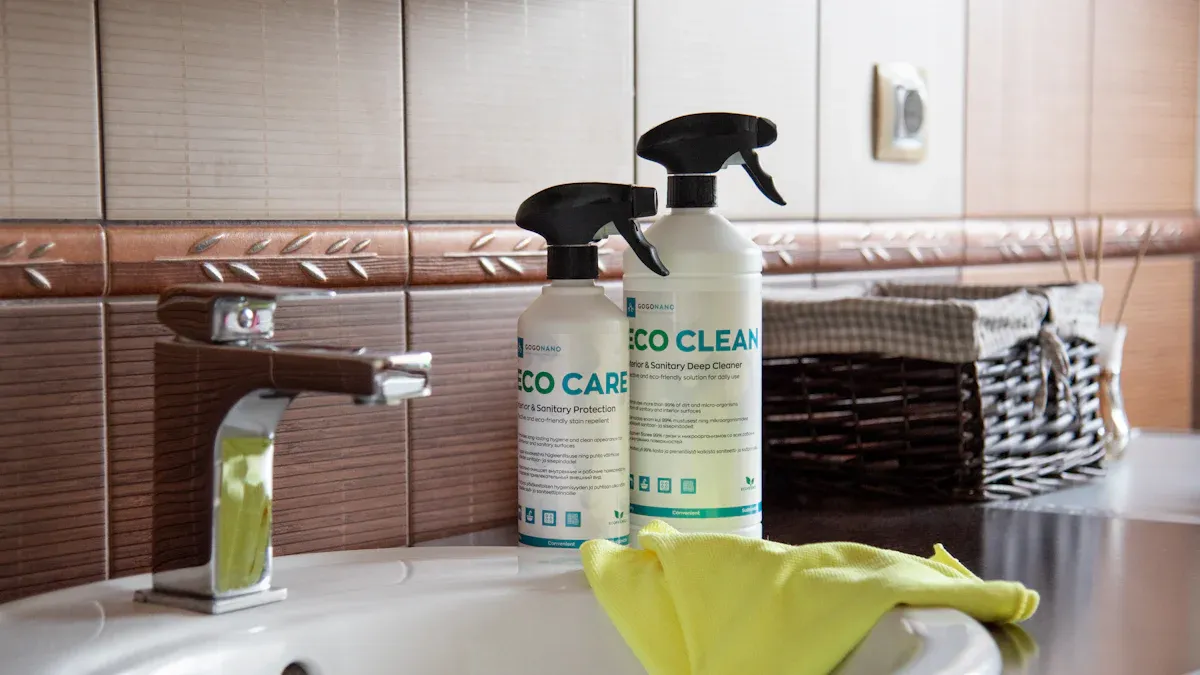
Follow these six steps to ensure your water is always fresh, clean, and safe to drink. This process removes harmful buildup and keeps your dispenser in top condition.
Step 1: Gather Your Cleaning Supplies
Before you begin, you should collect all the necessary items. This preparation makes the cleaning process smooth and efficient. You will need a cleaning solution, soft cloths, and brushes.
You can create a simple and effective cleaning solution at home.
- Vinegar Solution: Mix one part white vinegar with one part water.
- Bleach Solution: Mix ½ teaspoon of unscented bleach per gallon of water.
Some companies offer convenient cleaning kits. For example, ReadyRefresh provides a kit with a scour pad and food-grade hydrogen peroxide. Rainbow Technology offers a kit with baking soda, liquid soap, and sponges.
Note for Ceramic Dispensers 📝 You should clean your ceramic water dispenser every time you change the water bottle, or at least once a month. Regular cleaning is simple. It prevents the buildup of a slimy layer called biofilm.
Step 2: Unplug and Drain the Dispenser
Safety is the most important first step. You must protect yourself from any electrical shock.
- Unplug the Unit: Always unplug the water cooler from the wall outlet before you start cleaning.
- Remove the Bottle: Lift the empty water bottle off the top of the dispenser. For bottom-loading models, open the cabinet and remove the bottle.
- Drain the Water: Locate the drain valve. It is usually on the back or side of the unit near the bottom. Place a bucket under the valve. Open it by turning it counterclockwise and let all the water drain out. You should also press both spigots to empty any water left in the lines.
Step 3: Clean the Internal Reservoir
The internal reservoir is where bacteria and mold can grow. You need to sanitize it properly.
Pour your chosen cleaning solution (vinegar or bleach) into the reservoir. Fill it completely. Let the solution sit for 5 to 10 minutes. This contact time is necessary to effectively kill germs. Do not let it sit for longer than 10 minutes, as it could damage internal parts.
The CDC provides guidelines for sanitizing food-contact surfaces. You can use a similar bleach concentration for your dispenser.
| Surface Type | Bleach Amount | Water Amount |
|---|---|---|
| Food-Contact Surfaces | 1 tablespoon | 1 gallon |
After the solution has soaked, drain it completely through the taps. This cleans the lines and spigots from the inside.
Step 4: Scrub the Taps and Spigots
Biofilm can build up inside the spigots, affecting your water's taste and safety. Vigorous scrubbing is the key to removing it.
- Use a small, clean brush to scrub the inside and outside of each tap. An old toothbrush or a special "behind faucet brush" works perfectly for hard-to-reach areas.
- Soaking the taps helps break down stubborn grime. Studies show that soaking disassembled parts in vinegar or very hot water (above 176°F or 80°C) for five minutes is highly effective.
You might wonder if you can take the spigots apart for a deeper clean. This depends on your model. Check your user manual first. Some designs allow for easy disassembly, while others are single, sealed units.
Step 5: Wash the Drip Tray and Removable Parts
The drip tray often collects stagnant water and mineral deposits. You should clean it thoroughly. Many drip trays and removable baffles are dishwasher safe, but always check your manual to be sure.
If your drip tray has hard water stains, you can easily remove them with white vinegar.
- Place a dry paper towel over the stains inside the tray.
- Pour white vinegar onto the paper towel until it is completely soaked.
- Let it sit for 15 to 30 minutes.
- Remove the paper towel. The stains should wipe away easily. For tougher spots, you may need to scrub lightly with a soft brush.
Safety Tip ⚠️ Vinegar can damage natural stone. If you have stone countertops, place the drip tray in a baking dish or on a plate before cleaning it with vinegar.
Step 6: Rinse Thoroughly and Reassemble
You must remove all traces of the cleaning solution to prevent any aftertaste.
Fill the reservoir with fresh, clean water. Drain the entire reservoir through the taps. You should repeat this rinsing process at least 3 to 4 times. This ensures your cold water dispenser countertop is completely flushed.
Once you no longer smell any vinegar or bleach, you can reassemble the unit.
- Place the baffle and any other removable parts back into the reservoir.
- Wipe down the outside of a new water bottle.
- Place the new bottle onto your cold water dispenser countertop.
- Drain about two cups of water from each faucet. Continue draining until the water tastes completely clean and fresh.
How to Maintain Your Cold Water Dispenser Countertop
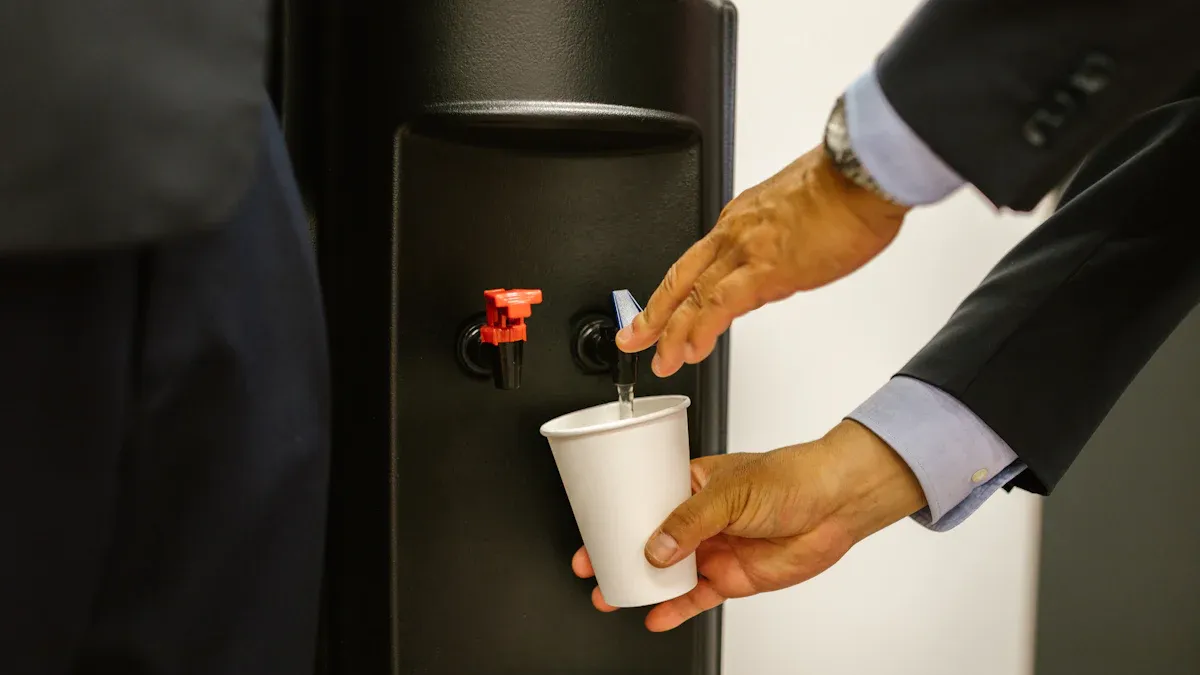
Regular maintenance keeps your water fresh and your dispenser working well. You can follow a simple schedule to prevent problems before they start. Consistent care extends the life of your cold water dispenser countertop.
How Often Should You Clean It?
You should perform a deep clean every 3 to 6 months. However, the ideal frequency depends on how much you use the dispenser.
The frequency of servicing largely depends on how frequently the water cooler is used. High-traffic areas such as offices, gyms, and public spaces may require more frequent servicing compared to residential settings with lower water consumption.
If your cold water dispenser countertop is in a busy office, you may need to clean it more often.
Signs It's Time for a Deep Clean
Your dispenser will show you signs when it needs cleaning. Look for these clear indicators.
- You see visible mold or mildew around the spouts or inside the reservoir.
- Your water has brown or black flakes floating in it.
- The water has a musty, metallic, or "off" taste.
- You notice an unusual odor coming from the dispenser.
- There is a slimy film inside the reservoir, which points to contamination.
Tips for Cleaning the Exterior
A clean exterior looks better and prevents germs from spreading. You should wipe down the outside and nozzles weekly with a damp cloth. For stainless steel models, you can use special cleaners like Weiman or ECOS to remove fingerprints and add shine.
You also need to clean the cooling coils on the back of the unit.
- First, unplug the dispenser.
- Use a coil brush or a vacuum with a brush attachment to remove dust.
- This simple step improves efficiency and helps your appliance last longer.
You now have the steps to keep your water dispenser pristine. Following this routine is crucial for your health and your appliance.
- You ensure your water is safe and tastes great by preventing harmful bacteria and slimy biofilm from growing.
- You help your dispenser run efficiently and extend its lifespan with consistent care.
FAQ
Can I use dish soap to clean the reservoir?
You should avoid using dish soap inside the reservoir. Soap can leave behind a residue. This residue affects your water's taste and is difficult to rinse out completely.
What if my water still tastes like vinegar?
A vinegar taste means you need to rinse more. You should fill and drain the reservoir with fresh water again. Repeat this step until the water tastes clean.
How do I clean a bottom-loading water dispenser?
You clean a bottom-loading model almost the same way. The main difference is the pump system. You will need to circulate the cleaning solution through the pump and lines.
Pro Tip 💡 Always check your user manual. It provides specific instructions for your bottom-loading model's unique parts.