Properly Clean and Maintain Your Glass Water Dispenser
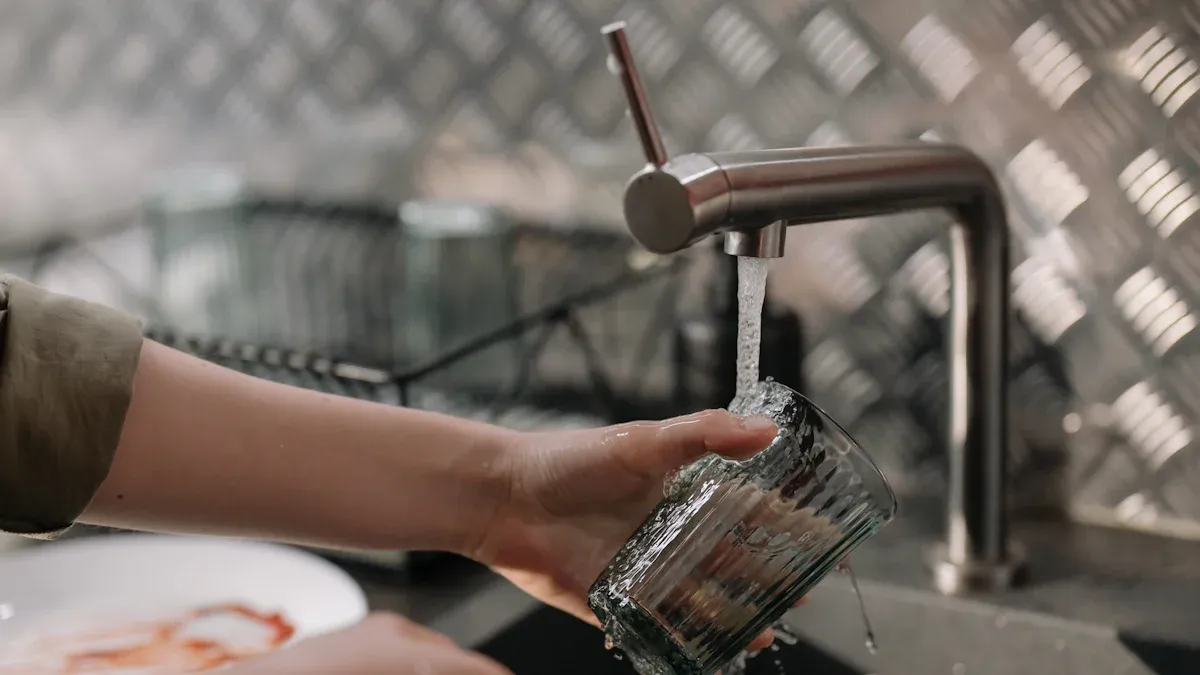
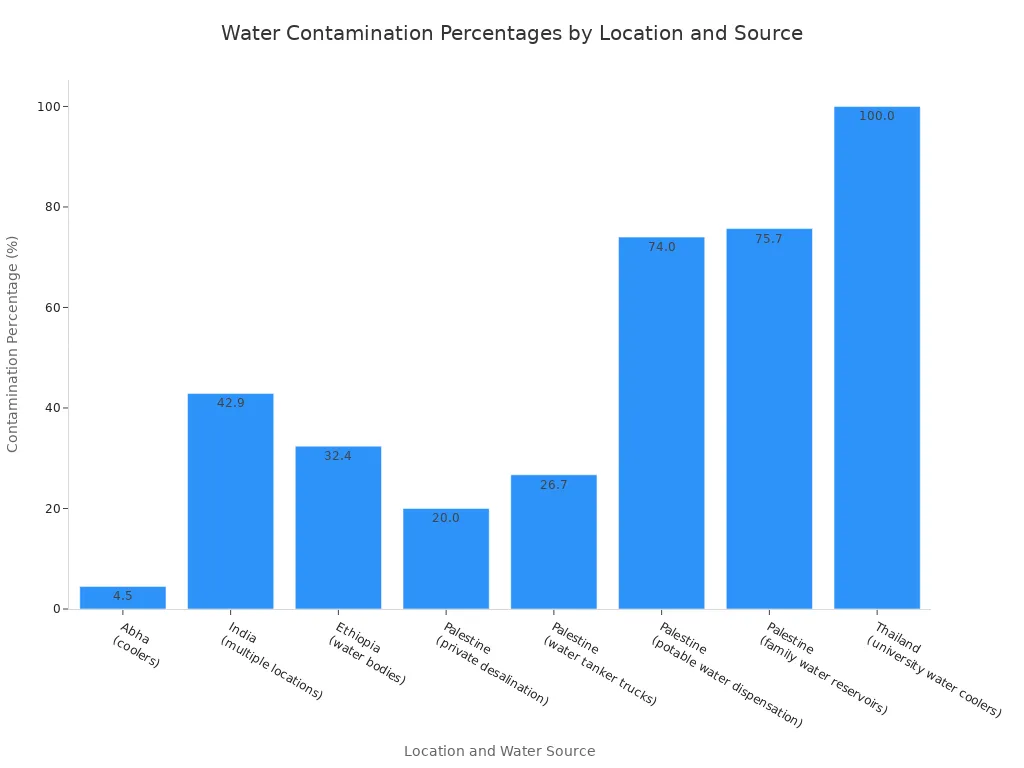
You should deep clean your glass water dispenser every 1-3 months. This sanitizes the interior and spigot, preventing harmful biofilm. Studies show a high percentage of water dispensers suffer from contamination. Use a safe solution of one part distilled white vinegar to three parts water. Daily wiping and weekly rinsing also maintain freshness.
Key Takeaways
- Clean your glass water dispenser every 1-3 months. This stops germs from growing inside.
- Use a mix of one part vinegar and three parts water to deep clean. This keeps your water safe to drink.
- Wipe your dispenser daily and rinse it weekly. This helps it stay clean and last longer.
How to Deep Clean Your Glass Water Dispenser
A deep clean every one to three months is essential for your health. Uncleaned dispensers can become breeding grounds for harmful bacteria and mold. This buildup creates a slimy layer called biofilm, which can contain germs like E. coli and Legionella. Drinking contaminated water may lead to stomach problems or serious infections. The U.S. Centers for Disease Control and Prevention (CDC) reports that waterborne diseases affect over 7 million Americans each year. You can protect yourself by following a simple cleaning routine.
💡 Pro Tip: Adjust your cleaning schedule based on usage. High-traffic areas may require cleaning more frequently.
Usage Scenario Recommended Cleaning Cycle High-use areas (offices, schools) Every 2–3 months Low-use areas (single-person home) Every 3 months
Gather Your Cleaning Supplies
Before you begin, you need to collect a few simple items. Having everything ready makes the process quick and easy.
- Distilled white vinegar
- Warm water
- A long-handled bottle brush
- A small spigot brush or pipe cleaner
- A soft cloth or sponge
- A clean, lint-free towel or microfiber drying mat
🌿 Natural Alternatives: If you dislike the smell of vinegar, you can use other natural cleaners.
- Baking Soda: This mild abrasive is great for scrubbing away residue and neutralizing odors.
- Lemon Juice: The citric acid in lemons helps break down grime and leaves a fresh scent.
Step 1: Empty and Prepare the Dispenser
First, you must completely empty the glass water dispenser. Drain any remaining water through the spigot. If your dispenser has a removable lid or other parts, take them off. Place all removable components, including the spigot if it unscrews, in a separate basin or clean sink.
Step 2: Mix and Add the Cleaning Solution
Now, you will create your cleaning solution. Mix a solution of one part distilled white vinegar to three parts warm water. Pour this solution into your empty glass water dispenser until it is about half full. Swirl the liquid around to coat the entire interior surface. Let the solution sit for at least 30 minutes. This contact time allows the vinegar's acetic acid to dissolve mineral deposits and break down buildup.
Step 3: Clean the Spigot
The spigot is a common spot for biofilm to grow. You must clean it carefully. If you removed the spigot, submerge it in the vinegar solution. Use a small, flexible tool to scrub the inside of the spout.
- Recommended Tools:
- Straw cleaner brushes
- Pipe cleaners
- Small nylon tube brushes
Push the brush all the way through the spigot several times. This action dislodges any hidden grime. Scrub the outside of the spigot and its handle with a sponge.
Step 4: Wash the Dispenser Body
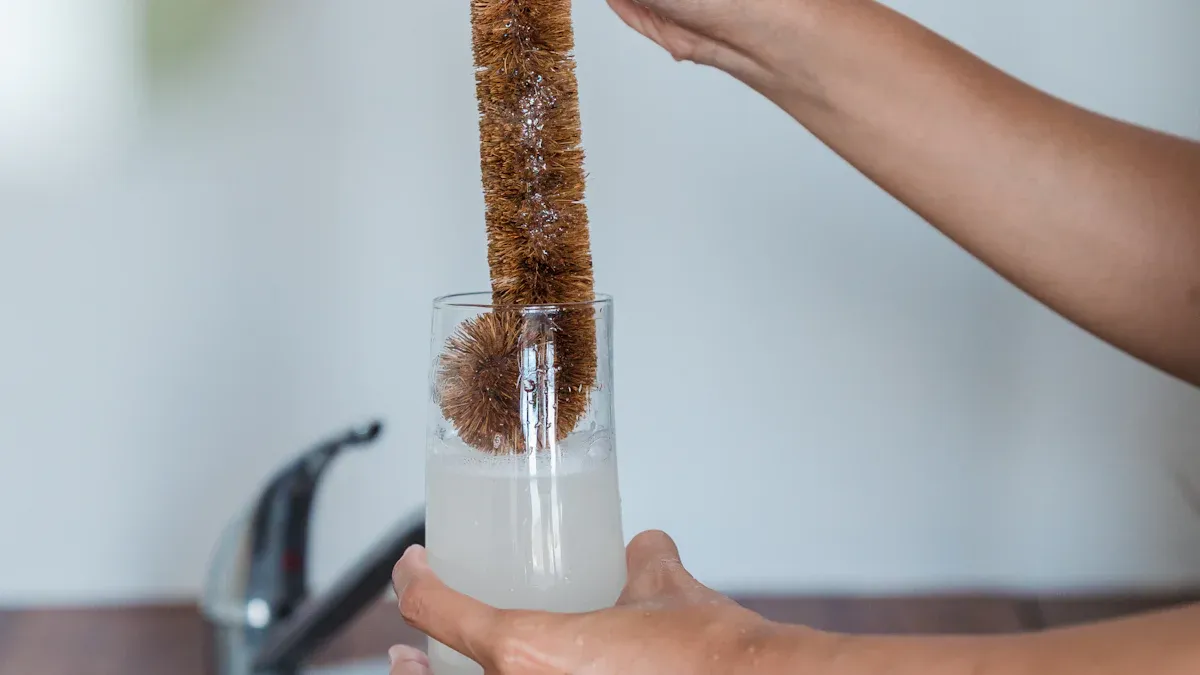
Next, you will clean the main body of the dispenser. Use a long-handled bottle brush to scrub the interior walls. Pay special attention to the bottom and any corners where sediment can settle. For very hard-to-reach areas, you can try a simple trick: add a handful of uncooked rice and a little warm water, then shake the dispenser vigorously. The rice acts as a gentle abrasive to scrub away residue. After scrubbing, pour the cleaning solution out through the spigot to help flush it one last time.
Step 5: Rinse and Dry Thoroughly
Rinsing properly is the final, crucial step. You must remove all traces of the vinegar solution to prevent an aftertaste.
⚠️ Important Safety Note: Never use very hot or boiling water to rinse a cool glass container. The rapid temperature change can cause thermal shock, which may crack the glass. Always use lukewarm water.
Rinse the dispenser several times with clean, lukewarm water. For a spot-free finish, perform a final rinse with distilled water. This removes any minerals found in tap water. Shake out as much excess water as possible. To prevent lint and water spots, place the dispenser upside down on a clean microfiber drying mat in an area with good airflow. Allow it to air-dry completely before you reassemble it and add fresh water.
Routine Maintenance and Care
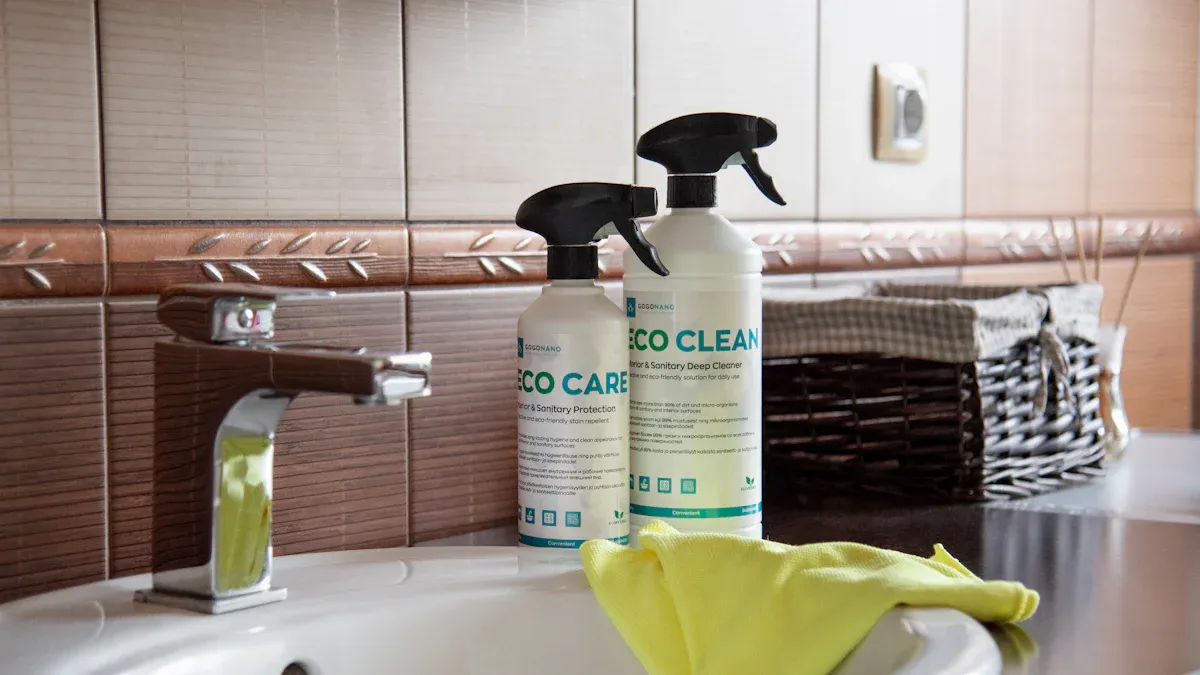
Consistent care keeps your water fresh and your dispenser in top shape. A few simple, regular tasks will protect your health and extend the life of your glass water dispenser.
Daily Wiping
You should wipe the outside of your dispenser every day. This simple habit removes dust, smudges, and water spots. For a streak-free shine, use a microfiber cloth.
Why Microfiber?
- Standard cotton towels often leave behind lint and can push dirt around.
- Paper towels can create streaks and micro-scratches on the glass.
- Microfiber cloths trap dust and oils, leaving a clean, polished finish without scratching the surface.
Pay special attention to the spigot handle, a high-touch area. Apply a gentle, non-abrasive cleaner to your cloth, not directly onto the spigot, and wipe it clean.
Weekly Rinsing
Once a week, give your glass water dispenser a quick rinse. Empty any old water and swish fresh, lukewarm water inside. Drain it completely before refilling. This fast routine prevents mineral buildup and keeps your water tasting clean. Regular maintenance like this helps you avoid unexpected problems. It also reduces the risk of sudden breakdowns and saves you money on future repairs.
Long-Term Inspection
Every few months, you should inspect your dispenser for signs of wear. A careful check ensures everything is working safely. Look for these warning signs:
- Spigot Leaks: A constant drip means the internal seals may be worn out.
- Visible Rust: Corrosion on or around the spigot indicates it is deteriorating.
- Weak Water Flow: Sputtering or slow flow can point to an internal blockage or crack.
- Hairline Cracks: Empty the dispenser and hold it up to a light. Carefully check the glass body for any small cracks or chips that could weaken it.
If you notice any of these issues, you may need to replace the damaged part.
You can enjoy safe, fresh-tasting water with consistent cleaning. A simple routine of daily, weekly, and monthly tasks protects your health and extends your dispenser's life. Studies show that improving household water quality is highly effective.
- A major review found that home water treatments significantly reduce episodes of diarrhea.
FAQ
Can I use soap to clean my dispenser?
You should avoid dish soap. It can leave a residue that affects your water's taste. Use vinegar or lemon juice for a clean rinse and fresh flavor.
What if my water still tastes like vinegar?
A vinegar taste means you need to rinse more. Fill and empty the dispenser several times with lukewarm water. This removes any leftover cleaning solution.
How often should I replace my spigot?
You should replace your spigot if it leaks, rusts, or has weak flow. There is no set schedule. Inspect it during each deep clean for damage.