How to Choose Your Roller Blind Fabric Light Filtering, Blackout, or Solar
Your choice of roller blinds fabric directly impacts your room's light and privacy. You can make the best decision by understanding each type's main purpose.
- For soft, diffused light, choose Light Filtering fabrics. They create a warm glow and offer privacy during the day.
- For maximum darkness, select Blackout fabrics. They block nearly all light and give you complete privacy.
- For preserving your view, opt for Solar fabrics. They reduce glare and UV rays while letting you see outside.
Key Takeaways
- Light filtering fabrics make sunlight soft. They give you privacy during the day. They are good for living rooms and kitchens.
- Blackout fabrics block almost all light. They give you full privacy day and night. They are best for bedrooms and media rooms.
- Solar fabrics reduce sun glare and UV rays. They let you see outside. They are good for offices and sunrooms.
- Think about how much light you want. Also, think about how much privacy you need. Consider if you want to keep your view outside.
- You can layer different blinds. This gives you more control over light and privacy. For example, use a solar blind with blackout curtains.
What Are Light Filtering Fabrics?
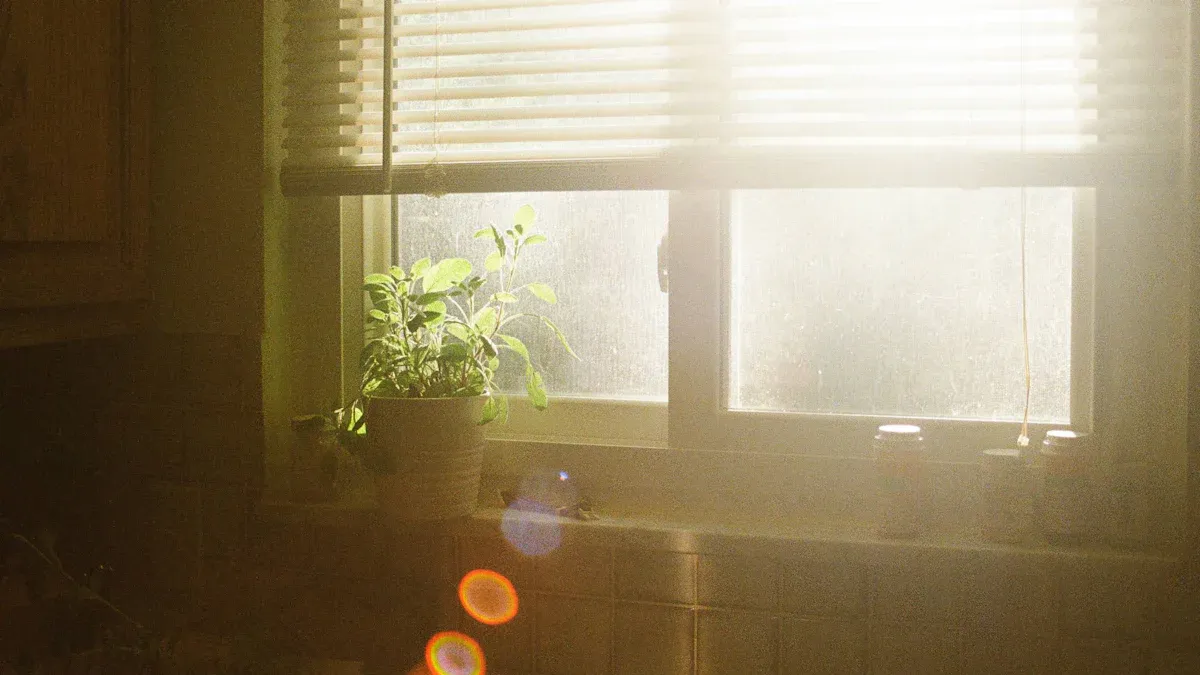
Light filtering fabrics are the perfect middle ground for your windows. You get beautiful, soft light without the harsh glare of the direct sun. These fabrics turn intense sunlight into a gentle, warm glow that fills your space. They are made from semi-transparent materials that diffuse light evenly, creating a comfortable and inviting atmosphere.
Softens and Diffuses Natural Light
Imagine your room bathed in soft, natural light without any sharp shadows. Light filtering fabrics achieve this effect. Their unique weave scatters sunlight as it passes through, preventing glare on your screens and surfaces. This makes your space feel bright and airy. Manufacturers use several materials to create this effect, each with its own benefits.
- Polyester: A durable and popular choice that holds its color well.
- Voile: A very lightweight, sheer fabric that is excellent at reducing glare.
- Faux Silk: Offers a luxurious look while effectively filtering sunlight.
- PVC: A practical option known for its durability and waterproof qualities.
Provides Daytime Privacy
These fabrics offer a smart solution for privacy during the day. They allow you to see outside while preventing anyone from looking in. This feature lets you enjoy natural light without feeling exposed.
Note: At night, the effect is reversed. When your lights are on inside, shadows and silhouettes may be visible from the outside. For nighttime privacy, you might consider layering these blinds with curtains.
Best Rooms: Living Rooms, Kitchens, Dining Areas
Light filtering fabrics are ideal for the social hubs of your home where you want a bright and welcoming environment.
- Living Rooms: They create a cozy ambiance perfect for relaxing or entertaining guests.
- Kitchens: You get plenty of light for cooking and daily tasks without the sun in your eyes.
- Dining Areas: These fabrics set a pleasant mood for meals, from a bright breakfast to a softly lit dinner.
In these spaces, you can enjoy the benefits of daylight while maintaining a comfortable level of privacy.
What Are Blackout Fabrics?
When you need to turn day into night, blackout fabrics are your best solution. These materials are engineered for one primary purpose: to block incoming light. They are made from opaque fabric, often with a special foam backing or dense inner layer. This construction prevents light from penetrating the material, giving you ultimate control over the brightness of your room.
Blocks Nearly All Incoming Light
Blackout fabrics are the champions of darkness. They are designed to eliminate nearly 100% of sunlight and artificial light from outside. This makes them far more effective than standard room-darkening options. However, it is important to know that different terms describe different levels of light control.
You can see the differences in how much light each fabric type blocks below:
| Fabric Type | Light Blockage Percentage |
|---|---|
| Room-Darkening | 90-95% |
| 95% Blackout | Nearly 100% |
| Total Blackout | 100% |
| Dim-Out (unlined) | 80-90% |
For the darkest possible room, you should choose a Total Blackout fabric. This ensures no light seeps through the material itself.
Ensures Complete Privacy Day and Night
Blackout fabrics offer absolute privacy. Unlike light-filtering options, no one can see through them from the outside. This is true whether it is day or night. You can have your lights on in the evening without worrying about casting shadows or silhouettes.
Peace of Mind: This complete opacity provides a strong sense of security and seclusion, making blackout blinds a perfect choice for any room where privacy is your top priority.
Best Rooms: Bedrooms, Nurseries, Media Rooms
The light-blocking power of these fabrics makes them ideal for specific rooms in your home. Consider them for spaces where controlling light is essential.
- Bedrooms 😴: You can improve your sleep quality by blocking out streetlights, car headlights, and early morning sun.
- Nurseries: They help babies and young children nap soundly during the day by creating a dark, restful environment.
- Media Rooms 🎬: You can eliminate screen glare completely. This creates an immersive, cinema-like experience for watching movies or playing video games.
What Are Solar Fabrics?
Solar fabrics are like sunglasses for your windows. They offer a modern solution for managing sunlight. You can reduce glare and heat without losing your connection to the outdoors. These fabrics use a special open weave that blocks harmful UV rays while still letting you see through the window. This makes them a unique and practical choice for many rooms.
Reduces Glare and Protects from UV Rays
Solar fabrics are excellent at cutting down on harsh glare. This makes it easier to watch TV, work on a computer, or simply relax without squinting. Beyond comfort, they also offer powerful protection for your home and family. These materials are designed to block a high percentage of damaging ultraviolet (UV) rays. This helps prevent your furniture, floors, and artwork from fading over time.
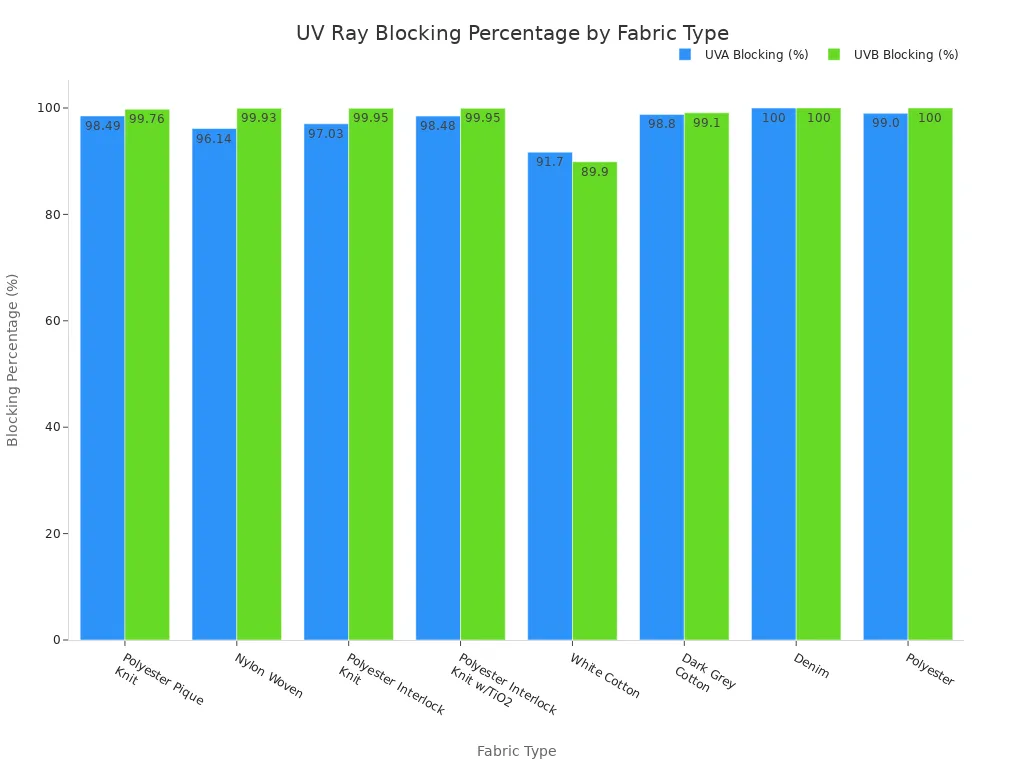
Different materials offer different levels of UV protection. As you can see below, many high-performance fabrics block over 95% of UVA and UVB rays.
Maintains Your View to the Outside
The biggest advantage of solar fabrics is their ability to preserve your view. Unlike blackout or light-filtering blinds, you do not have to sacrifice your beautiful scenery to control the sun. The unique woven texture allows you to see outside clearly during the day.
A Room with a View: This feature makes solar blinds perfect for rooms overlooking a garden, a city skyline, or any scenic landscape you want to enjoy.
Understanding Openness Factor (1% vs. 10%)
Solar fabrics come with an "openness factor." This number tells you how tight the fabric's weave is. A lower number means a tighter weave, which blocks more light and offers more privacy. A higher number means a looser weave, which provides a clearer view.
Here is how two common options compare:
- 1% Openness: This gives you maximum privacy and glare reduction. You can see general shapes and movement outside, but fine details are not visible.
- 10% Openness: This provides an excellent, crisp view of the outdoors. It is ideal for rooms where preserving a scenic view is your top priority.
Choosing the right openness factor depends on balancing your need for a view with your desire for privacy and light control.
Best Rooms: Sunrooms, Offices, Rooms with a View
You can maximize the benefits of solar fabrics by installing them in rooms that get a lot of sun. Their unique design makes them a perfect fit for specific areas where you want to balance light control with your outdoor view.
-
Sunrooms ☀️ These rooms are designed to let in maximum sunlight. Solar fabrics help you manage the intense heat and glare that often come with it. You can relax comfortably without feeling like you are in a greenhouse. The blinds protect your furniture from fading while still letting you enjoy the panoramic views that make a sunroom special.
-
Offices 🖥️ A home office needs to be a productive space. Solar fabrics are an excellent choice because they cut down on screen glare. This reduces eye strain and helps you focus on your work. They also block UV rays, protecting your desk, documents, and electronics. You get a bright, comfortable workspace without the distracting reflections.
-
Rooms with a View 🏞️ Do you have a living room overlooking a beautiful garden or a kitchen with a city skyline view? Solar fabrics allow you to enjoy that scenery all day long. You do not have to close your blinds and lose your view just to avoid the afternoon sun. These fabrics give you the best of both worlds: a clear connection to the outdoors and a comfortable indoor environment.
Pro Tip: For rooms that face direct, intense sunlight for many hours a day, consider a solar fabric with a lower openness factor (like 1% or 3%). This will provide extra glare and heat reduction while still allowing you to see outside.
Key Factors for Choosing Your ROLLER BLINDS FABRIC
Choosing the right material comes down to three main factors: light, privacy, and your view. You should think about what is most important for each specific room. This will help you select the perfect ROLLER BLINDS FABRIC for your home.
Light Control Needs
First, consider how much light you want in a room. Your choice depends on the room's purpose.
- Bedrooms and Media Rooms: You need maximum darkness in these spaces. Blackout fabrics are the best choice. They block nearly all light for restful sleep or a great movie experience.
- Living Rooms and Dining Areas: You often want soft, natural light here. Light filtering fabrics create a warm and inviting atmosphere without harsh glare.
- Kitchens and Offices: These rooms need bright, functional light. Light filtering or solar fabrics work well. They let in daylight while reducing glare on screens and countertops.
Privacy Requirements
Next, decide how much privacy you need. Each fabric offers a different level of seclusion.
Remember: Your privacy needs can change from day to night. Solar fabrics offer great privacy during the day but become transparent when you have lights on at night.
The table below shows how each fabric type performs.
| Fabric Type | Daytime Privacy | Nighttime Privacy |
|---|---|---|
| Solar | Good | Poor |
| Light Filtering | Excellent | Fair (shadows visible) |
| Blackout | Complete | Complete |
For total privacy day and night, you should choose blackout fabrics. They are ideal for bedrooms and bathrooms.
View Preservation
Finally, think about your view. Do you want to see outside when your blinds are down?
Your ability to see out is a key difference between fabric types. Solar fabrics are the only option that preserves your view. Their special weave lets you enjoy your scenery while reducing heat and glare. In contrast, both light filtering and blackout fabrics will obstruct your view. Light filtering fabrics turn your window into a soft, glowing panel. Blackout fabrics completely block the window. If you have a room with a beautiful landscape, a solar ROLLER BLINDS FABRIC is the clear winner.
UV Protection and Glare Reduction
Protecting your home from the sun involves more than just controlling brightness. You also need to consider ultraviolet (UV) radiation and glare. The right ROLLER BLINDS FABRIC can safeguard your belongings and improve your comfort.
UV rays are a silent threat to your home's interior. They cause furniture, flooring, and artwork to fade and lose their color over time. Some fabrics offer much better protection than others.
- Solar and Blackout Fabrics: These are your best defense. They are designed to block up to 99% of harmful UV rays, preserving your valuables for years.
- Light Filtering Fabrics: These offer a moderate level of protection. They scatter some UV rays but are not as effective as solar or blackout options.
Glare is another common problem, especially in rooms with screens. It creates distracting reflections and can cause eye strain. Your choice of ROLLER BLINDS FABRIC directly determines how much glare you will experience.
Did You Know? Glare reduction is essential for creating a comfortable and productive workspace. It helps you focus without squinting or repositioning your screen.
The table below shows how each fabric type manages glare.
| Fabric Type | Glare Reduction |
|---|---|
| Solar | Excellent (Reduces glare while preserving view) |
| Light Filtering | Good (Diffuses light to soften glare) |
| Blackout | Complete (Eliminates all light and glare) |
If your main goal is to protect your furniture from fading, solar or blackout fabrics are the top contenders. For rooms like home offices or media rooms where screen visibility is crucial, solar fabrics offer a perfect balance. They cut glare significantly while still allowing you to enjoy natural light and a view of the outdoors.
Side-by-Side Comparison: Which Fabric Wins?
Choosing between these fabrics is easier when you compare them directly. You can weigh their strengths and weaknesses to see which one best fits your room's needs. Let's break down the key differences.
Light Filtering vs. Blackout
This choice comes down to ambiance versus absolute darkness. You are deciding between creating a soft, inviting atmosphere and having complete control over light.
Light filtering fabrics create a warm glow, while blackout fabrics block nearly all light. This difference is the most important factor when choosing between them.
| Fabric Type | Light Transmission Level |
|---|---|
| Light Filtering | Allows soft, diffused light to pass through |
| Blackout | Blocks up to 99% of incoming light |
Your decision depends on the room's primary function.
When should you choose blackout? Blackout fabrics are superior when you need to eliminate light completely.
- For Better Sleep 😴: They create a dark, calming environment in bedrooms. This is perfect for night-shift workers or for helping babies nap during the day.
- For Media Rooms 🎬: They get rid of screen glare. This improves your viewing experience for movies and video games.
- For Temperature Control 🌡️: They block UV rays and heat. This helps keep your room cooler in the summer.
The Winner: For living rooms and kitchens where you want a bright, welcoming feel, light filtering is the winner. For bedrooms and media rooms where darkness and privacy are essential, blackout is the clear choice.
Blackout vs. Solar
Here, your choice is between total privacy and preserving your view. You must decide if you want to block the outside world completely or maintain a connection to it.
Both fabrics are excellent at blocking heat and UV rays. However, they handle light and your view in opposite ways.
| Feature | Blackout Fabric | Solar Fabric |
|---|---|---|
| Heat Blocking | Highly effective | Reduces heat |
| Light Control | Blocks all light | Filters light, reduces glare |
| View Preservation | Blocks the view | Maintains the view |
For an office, solar fabric is often the better choice. It allows you to enjoy natural daylight while cutting down on screen glare. This creates a bright and productive workspace without annoying reflections.
Privacy is another major difference. Blackout fabric provides complete privacy day and night. Solar fabric's privacy level depends on its openness factor and the time of day.
| Feature | Blackout Fabric | Solar Fabric (1-5%) | Solar Fabric (7%+) |
|---|---|---|---|
| Daytime Privacy | Maximum | High | Moderate to Low |
| Nighttime Privacy | Maximum | Poor (Reverses) | Poor (Reverses) |
| View Preservation | None | Minimal | Good to Maximum |
The Winner: If you need 100% privacy and darkness, blackout fabric wins. If you want to reduce glare, block UV rays, and keep your beautiful view, solar fabric is the champion.
Light Filtering vs. Solar
This comparison is about a soft glow versus a clear view. Both fabrics manage sunlight, but they create very different visual effects and serve different purposes.
Light filtering fabric diffuses light to create a cozy atmosphere. Solar fabric manages light to provide a functional, glare-free space while letting you see outside.
| Feature | Light Filtering Fabric | Solar Fabric |
|---|---|---|
| Sunlight Effect | Creates a soft, warm glow | Allows natural light in with less glare |
| Aesthetic | Cozy and inviting | Modern and functional |
| Primary Benefit | Soft ambient lighting | Glare reduction and view preservation |
Both fabrics reduce glare, but solar fabric is the specialist. It is designed specifically to cut reflections on screens.
Glare Reduction Showdown 🥊
- Solar Fabric: Excellent. It is the best choice for offices and TV rooms where you need to see a screen clearly.
- Light Filtering Fabric: Good. It softens harsh light, which reduces general eye strain and makes a room more comfortable.
For daytime privacy, both are strong contenders. Light filtering fabric offers great privacy, while a low-openness solar fabric (1-3%) provides excellent privacy. The main difference is that with solar fabric, you can still see out.
The Winner: If your goal is to create a warm, cozy ambiance with soft light, light filtering fabric is your best bet. If you need to reduce screen glare and want to enjoy your outdoor view, solar fabric is the undisputed winner.
Practical Considerations for Your Home
Beyond the main fabric types, you should think about a few more details. These practical factors help you make the best final choice for your windows.
Energy Efficiency and Insulation
Your roller blinds can help you save money on energy bills. They provide insulation by trapping air between the fabric and the window. This insulation is measured by its R-value. A higher R-value means better insulation.
A Cornell study found that roller shades have an R-value between 1.3 and 1.8. Blackout fabrics usually have a higher R-value than light-filtering options. This extra insulation helps keep your home warmer in the winter and cooler in the summer. These savings can add up over time. For example, one Texas home saved $167 on cooling costs in a single year after installing energy-efficient blinds.
Fabric Texture and Color Options
The look of your blinds is also important. You can choose from many textures and colors to match your home's style.
- Popular Textures: Simple
Plain weavesandOxford weavesare common choices for a clean, modern look. - Popular Colors: Neutral tones like
Paleo Linen Sandstone,Arlo Modern Grey, andAcantha Snow Whiteare very popular.
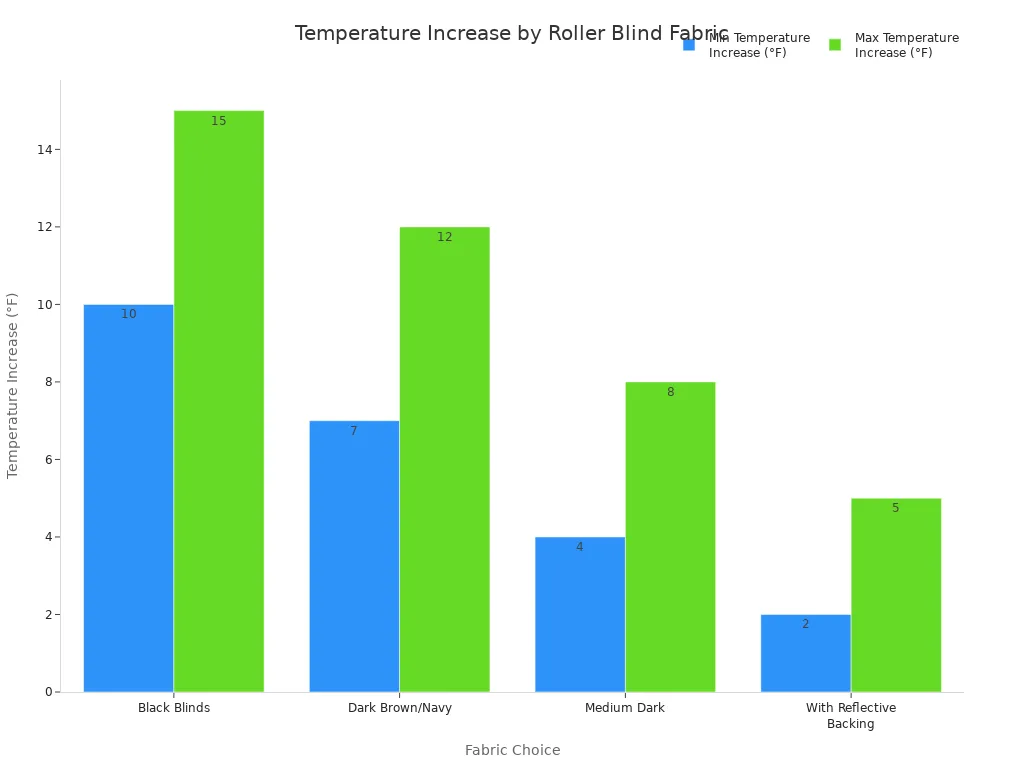
Your color choice affects more than just style. It also impacts how much heat enters your room. Light-colored blinds reflect sunlight, while dark-colored blinds absorb it.
| Blind Color | Heat Reflection Rate | Heat Absorption Rate |
|---|---|---|
| White | 80-90% | 10-20% |
| Cream/Beige | 70-80% | 20-30% |
| Light Gray | 60-70% | 30-40% |
| Dark Colors | 20-40% | 60-80% |
Dark blinds can make a room feel much warmer. This can increase your cooling costs in the summer.
Layering Blinds for Ultimate Control
Sometimes, one blind fabric is not enough. You might want soft light during the day and complete darkness at night. Layering your window treatments gives you the best of both worlds.
A Flexible Solution: You can pair a light-filtering or solar roller blind with blackout curtains. This lets you control light, privacy, and your view at any time of day.
For example, you can keep the roller blind down during the day for diffused light and daytime privacy. At night, you can close the curtains for total darkness and seclusion. This combination offers the most flexibility for any room.
You can now choose the right roller blind fabric with confidence. Your decision depends on what you value most for your space.
- Light Filtering fabrics create a soft, welcoming ambiance.
- Blackout fabrics deliver total darkness and privacy.
- Solar fabrics protect from UV rays while keeping your view.
Trust your needs. You can select the perfect material by matching the fabric’s primary function to your room’s purpose. Prioritize what matters most to you—light, privacy, or the view—to make a choice you will love.
FAQ
Can I clean my roller blinds?
Yes, you can easily clean most roller blinds. You should use a feather duster or a vacuum with a brush attachment for regular dusting. For small stains, you can gently spot-clean the fabric with a damp cloth and a mild soap solution.
Which fabric is best for saving energy? 💡
Blackout fabrics offer the best insulation. Their dense construction helps trap air, keeping your room warmer in the winter and cooler in the summer. This can help you reduce your heating and cooling costs over time.
Do solar fabrics provide privacy at night?
No, solar fabrics do not provide privacy at night. The effect reverses when you have lights on inside. People outside can see in.
For nighttime privacy with a solar blind, you should layer it with blackout curtains.
Can I get a fabric sample before I buy?
Absolutely. Most companies offer free fabric samples. You can order them to see how the color, texture, and light-filtering effect look in your own room. This helps you make a choice with confidence.