How to Choose the Right PET Sheet Roll Manufacturer
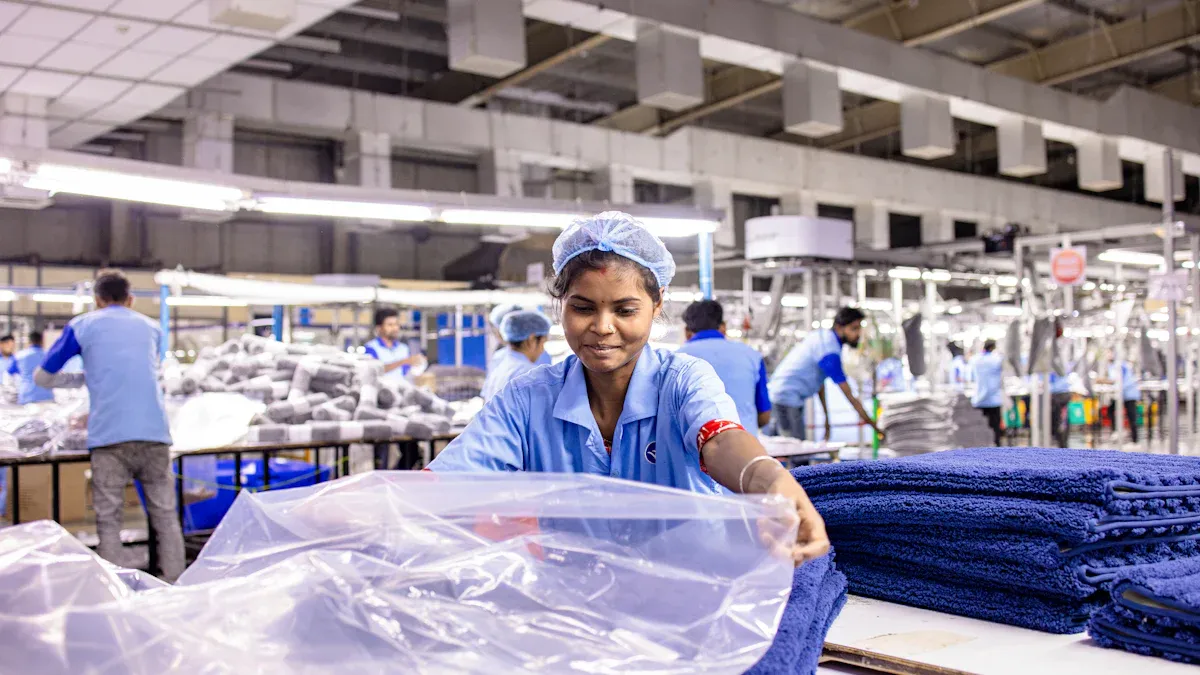
An excellent manufacturing partner is crucial for your business. You need a partner who can deliver consistent product quality. This helps you avoid expensive production delays. A good PET sheet roll manufacturer ensures your operations run smoothly. Your choice of partner directly impacts your success and stability in the market.
💡 Did You Know? The global market for PET sheets is growing fast. This growth comes from the rising demand for sustainable and recyclable packaging. New technologies also make production better and more efficient.
| Market Metric | Value |
|---|---|
| Market Size (2024) | $3.5 billion |
| Projected Market Size (2033) | $5.8 billion |
| Growth Rate (CAGR) | 5.2% |
Key Takeaways
- Choose a PET sheet roll maker who delivers good quality products. This helps your business run smoothly.
- Check the maker's quality systems. Make sure they use pure materials and follow good quality control steps.
- Look at how much the maker can produce. Make sure they can meet your order size and deliver on time.
- Find a maker with a strong delivery system. They should get your orders to you safely and on schedule.
- Test samples of the material yourself. Visit the factory if you can, or ask for a virtual tour.
Assess Quality Systems and Material Standards

A manufacturer's quality system is the foundation of a good product. You must evaluate their standards for materials and production. This ensures you receive a consistent and reliable PET sheet roll. A strong quality system protects your own production from defects and delays.
Verify Material Sourcing and Purity
You should first understand where the manufacturer gets their raw materials. They use either new or recycled materials. Each type has a different origin.
| Material Type | Source of Raw Materials |
|---|---|
| Virgin PET | New raw materials, typically from the petrochemical industry. |
| RPET | Recycled plastic waste, such as discarded plastic bottles and packaging, which undergoes purification. |
Next, you need to confirm the material's purity. High-purity PET is essential for quality. Ask the manufacturer for data on these key metrics:
- Intrinsic Viscosity (IV): This measures the material's strength. Film applications often need an IV between 0.65–0.72 dl/g.
- Moisture Level: The material must be very dry, with moisture below 50 parts per million (ppm). Too much moisture can make the final product brittle.
- Acetaldehyde (AA) Content: For food packaging, AA levels must be below 3 ppm. This prevents any unwanted taste from transferring to the food.
- FDA Compliance: Always check for documentation showing compliance with FDA 21 CFR 177.1630, especially for food-grade applications.
Confirm Quality Control Processes
A good manufacturer performs tests throughout production. You should ask about their quality control (QC) procedures. They should check for consistency in thickness, color, and strength. One important test is chemical resistance testing. This process exposes the PET sheet to chemicals to see how it holds up. It is vital for products used in the chemical or pharmaceutical industries. A quality sheet will show very little damage.
Validate Key Industry Certifications
Certifications prove a manufacturer follows global quality standards. You should look for key industry certifications as evidence of their commitment to quality. The most important one is ISO 9001. This certification shows the company has a strong quality management system.
💡 Tip While many ISO 9001 versions exist, ISO 9001:2015 is the most current standard. A manufacturer with this certification demonstrates a modern and effective approach to quality control.
Here are some common certifications you might see:
| Certificate | Relevance |
|---|---|
| ISO 9001:2015 | The international standard for a quality management system. |
| ISO 9001:2000 | An older but still valid version of the quality standard. |
| Kosher | Certifies the product meets kosher dietary laws. |
Evaluate Production Capability for Your PET Sheet Roll
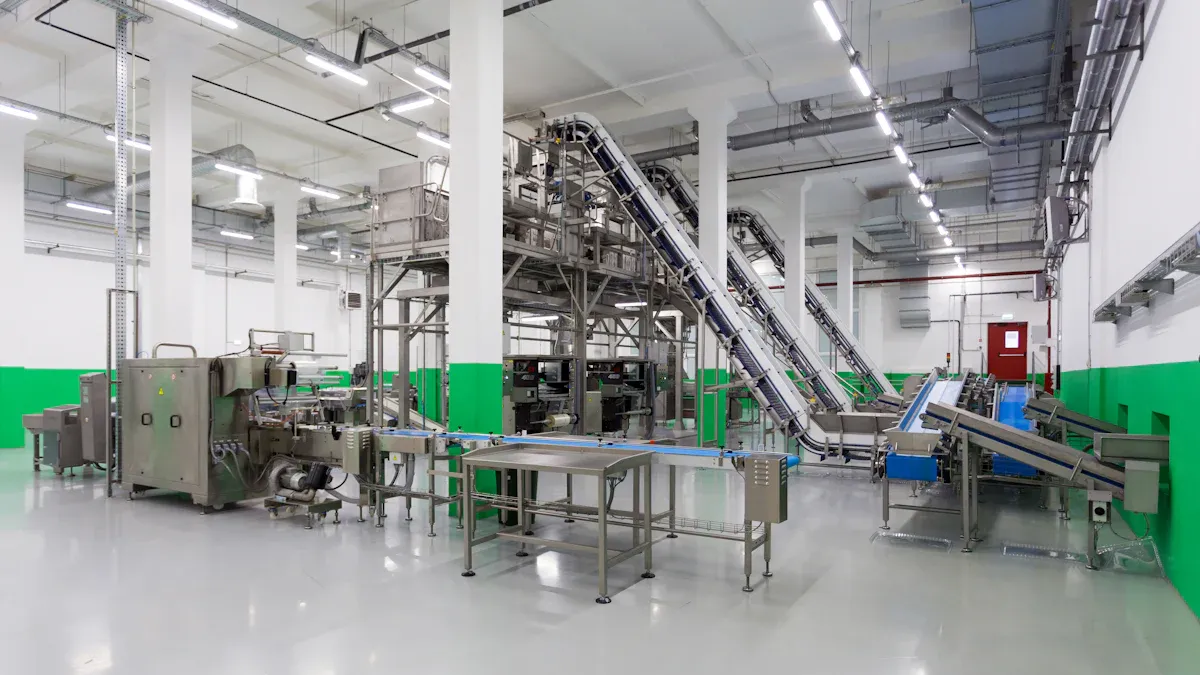
After confirming quality, you must assess a manufacturer's production capabilities. This step ensures they can meet your volume, timeline, and product specifications. A capable partner helps you scale your operations and adapt to market demands.
Analyze Production Capacity and Lead Times
You need a manufacturer who can handle your order volume. Their production capacity shows how much material they can produce monthly. This capacity varies greatly between suppliers.
| Manufacturer Type | Typical Supply Ability (tons per month) |
|---|---|
| Large-Scale Producer | 10,000+ |
| Mid-Sized Producer | 2,000 |
Ask about their lead times for both standard and custom orders. Lead time is the period from placing an order to receiving it.
- Standard orders often ship within 7 to 15 days.
- Custom orders will require a longer lead time.
💡 Tip Always confirm if a manufacturer’s stated capacity can meet your peak demand periods, not just your average needs.
Review Customization Capabilities
Your product may require a PET sheet roll with special properties. You should check if the manufacturer offers customization options. Many suppliers can add coatings to enhance performance. Common options include:
- UV protection coatings
- Anti-scratch or anti-fog coatings
- Printable or heat-seal coatings
- Anti-static (ESD) properties
Color is another important customization. Ask if they can match specific color systems. Many manufacturers use Pantone or RAL color standards to ensure your product has a consistent and accurate color.
Inquire About Technical and Processing Support
A great manufacturing partner provides support after the sale. They should help you solve processing issues. Common problems during manufacturing can include yellowing, bubbles, or impurities in the final product.
Your supplier should offer technical guidance to fix these issues. They can help you adjust drying parameters, control melt temperature, or ensure proper material flow. This support is invaluable for maintaining production efficiency and minimizing waste.
Analyze Supply Chain Reliability and Logistics
A reliable supply chain is just as important as a quality product. You need a manufacturer who can deliver your order on time and in good condition. This analysis ensures your production line keeps running without unexpected interruptions.
Evaluate Logistics and Delivery Performance
You should investigate a manufacturer's delivery track record. Ask for their on-time delivery rate. A high rate shows they are dependable. You can also ask about their shipping partners and the routes they use. This information helps you understand their logistical network. A strong network means fewer delays, even during busy seasons.
💡 Tip Ask potential suppliers how they handle unexpected shipping delays, such as port congestion or bad weather. A good partner has contingency plans to minimize disruptions.
Check Experience with Industrial Clients
A manufacturer's experience with different industries shows their versatility. You should check if they have served clients in your specific sector. Each industry has unique needs for its PET sheet roll. For example, a supplier may serve:
- Food and Beverage: For packaging trays, containers, and bottles.
- Medical and Pharmaceutical: For packaging drugs and medical devices.
- Electronics: For protective covers for displays and screens.
- Printing and Graphics: For creating signs and promotional materials.
The requirements for medical and food packaging are very different. You need a supplier who understands these distinctions.
| Feature/Requirement | Medical Device Packaging | Food Packaging |
|---|---|---|
| General Properties | Clean, clear, stable, biologically inert | Excellent oxygen barrier |
| Special Considerations | Often antimony-free | Often metallized or coated |
| Processing | Must be sterilizable | Must be heat-sealable |
| Regulatory Compliance | FDA and USP Class VI compliant | FDA compliant |
Review Packaging and Shipping Standards
Proper packaging protects your material during transit. You should ask the manufacturer about their packaging methods. They typically wrap rolls in protective film and secure them on pallets. This prevents moisture, dust, and physical damage. Confirm that their packaging standards are robust enough for the shipping distance and method. Clear labeling with product details and handling instructions is also essential for your receiving team.
Implement a Practical Vetting Process
You have now analyzed a manufacturer's quality, capability, and supply chain. The final step is to put them to the test. This practical vetting process confirms their claims and ensures they are the right partner for your business.
Request and Test Material Samples
Words and data sheets are not enough. You must get your hands on the material. Ask potential suppliers for samples of their PET sheet roll. This allows you to perform your own tests.
You should check for several key qualities:
- Thickness Consistency: Measure the sheet's thickness at various points.
- Clarity and Appearance: Look for any haze, gels, or black specks.
- Thermoforming Performance: Test how the material behaves in your own machinery.
- Durability: Bend and stress the material to check for brittleness.
Testing samples helps you avoid surprises after placing a large order. It is a critical step to verify real-world performance.
Conduct a Supplier Audit or Virtual Tour
Seeing a manufacturer's facility gives you valuable insights. You should schedule a visit to their plant if possible. If a physical visit is not practical, ask for a live virtual tour. This allows you to see their operations firsthand.
💡 What to Look For During a Tour Observe the overall cleanliness and organization of the production floor. Look for visible quality control checkpoints and modern, well-maintained equipment. A tidy and efficient facility often produces a higher quality product.
An audit shows you how they manage their processes day-to-day. It provides confidence that they can deliver on their promises.
Check Customer References and Case Studies
A good manufacturer has a history of satisfied customers. You should ask for customer references, especially from clients in your industry. Speaking with other customers gives you an honest perspective on the manufacturer's performance.
| Questions to Ask References |
|---|
| Were deliveries consistently on time? |
| How was the material quality and consistency? |
| How did the supplier handle any issues or problems? |
| Would you recommend them as a partner? |
Also, review any case studies on their website. These documents show how the manufacturer has solved specific challenges for other clients. This proves their expertise and problem-solving abilities.
Choosing the right PET sheet roll manufacturer means finding a long-term partner, not just a low price. You must prioritize suppliers with proven quality control. Poor raw materials directly increase rejection rates and reduce production capacity. A reliable supply chain also provides business stability through smooth production and cost-effective solutions. Your comprehensive vetting process ensures your final choice supports production efficiency and product quality.
FAQ
What is the difference between virgin PET and RPET?
Virgin PET comes from new petrochemical materials. RPET, or recycled PET, comes from post-consumer plastic waste like bottles. You choose the material based on your product's needs and sustainability goals. Both can produce high-quality results when processed correctly.
Why is ISO 9001 certification important?
ISO 9001 certification shows a manufacturer follows global quality standards. It proves they have a reliable quality management system. This gives you confidence in their ability to produce a consistent product and manage their processes effectively.
How can I verify a manufacturer's quality?
You should always request and test material samples. This lets you check for thickness, clarity, and durability. You can also schedule a facility audit or a virtual tour. This allows you to see their production environment and quality controls firsthand.
What should I do if a PET Sheet Roll has defects?
You should contact your supplier immediately. A good partner provides technical support to solve processing problems. They can help you identify the cause of the defect and suggest adjustments to your equipment or their material to fix it.