Water Dispenser Stands A Comprehensive 2026 Guide

You want your dispenser to work correctly. Many users face problems like the unit not chilling or water tasting funny. A stable water dispenser stand helps prevent these troubles. You must measure your space and check the stand's weight capacity. Also, consider materials and extra features for the best fit.
Key Takeaways
- Measure your space and dispenser carefully. Check the stand's weight limit to ensure safety and a good fit.
- Pick a stand material like metal, wood, or plastic. Each material offers different looks and strengths for your home.
- Think about extra features. Storage shelves or wheels can make your water dispenser more useful and organized.
Step 1: Measure for a Perfect Fit
Taking correct measurements is the most important first step. A mistake here can lead to a wobbly dispenser or a stand that does not fit your room. You can avoid these problems with a simple tape measure and a few minutes of your time. This ensures your setup is safe, stable, and looks great.
Sizing Your Dispenser and Space
First, you need to find the size of your water dispenser's base. Use a tape measure to get its width and depth. Write these numbers down. This tells you the minimum surface area the top of the stand needs.
Next, measure the floor area where you plan to place the unit. You should leave extra room around the stand. A good rule is to add at least two inches of clearance on all sides. This space allows air to circulate around the dispenser and makes cleaning easier. Many top-loading dispensers share similar dimensions. You can see a common example below.
| Dimension | Measurement |
|---|---|
| Height | 44-1/2 inches |
| Width | 15-1/2 inches |
| Depth | 15-1/2 inches |
Checking Weight Capacity for Safety
Every water dispenser stand has a maximum weight it can safely hold. You must choose a stand with a weight capacity greater than your total load. Exceeding this limit can cause the stand to break.
To find your total weight, you need to add two numbers together:
- The weight of your water dispenser unit.
- The weight of a full water bottle.
A full 5-gallon water bottle weighs about 42 pounds. A smaller 3-gallon bottle weighs around 25 to 27.5 pounds. You can find your dispenser's weight in its user manual or on the manufacturer's website.
Safety Tip: Always choose a stand that can hold more weight than you need. If your total weight is 60 pounds, look for a stand rated for at least 75 pounds. This extra buffer provides peace of mind and long-term stability.
Manufacturers determine these weight ratings through serious safety tests. They perform static load tests to see if the structure can handle heavy, unmoving force. They also conduct stability tests to ensure the stand will not tip over easily. This process guarantees the listed weight capacity is reliable and safe for your home.
Step 2: Choose the Right Material
The material of your stand determines its durability, style, and price. You have three main choices: metal, wood, or plastic. Each one offers different benefits for your home or office. Your decision will affect how the stand looks and how long it lasts.
Metal Stands: Durable and Modern
You should choose a metal stand if you want maximum strength and a modern look. Steel and iron are common materials that provide excellent support for heavy water dispensers. Some high-end models are constructed from thick gauge solid stainless steel rod. These stands are incredibly stable and can often support over 150 pounds. Their sleek, metallic finish fits well in contemporary kitchens and office break rooms.
Many metal stands also feature a special finish called powder coating. This adds an extra layer of protection and comes in various colors.
How Powder Coating Protects Metal
- It gives aluminum surfaces more resistance to wear and tear.
- It protects iron from developing rust and other corrosion.
- It prevents brass and copper from tarnishing over time.
- It provides galvanized steel with additional defense against corrosion.
Wooden Stands: Classic and Sturdy
A wooden stand offers a classic, warm aesthetic that complements traditional home decor. Materials like bamboo, pine, and oak add a natural element to your space. Solid wood stands are very sturdy and reliable. They look great in a dining area, living room, or country-style kitchen.
You need to protect wood from water damage. Constant drips or spills can cause the wood to warp, stain, or rot over time.
Care Tip: Place a small, waterproof mat on top of your wooden stand. This will catch any drips from the spigot and protect the wood's surface, helping it last for many years.
Plastic Stands: Lightweight and Affordable
Plastic is your most lightweight and budget-friendly option. A plastic water dispenser stand is easy to move and simple to clean. This material is perfect for dorm rooms, garages, or any place where you need a simple, functional solution without a high cost. While they are strong enough for standard use, they may not feel as solid as metal or wood.
You will find that most plastic stands are made from either ABS or PVC plastic. It helps to know their differences.
- ABS is more resistant to impact, so it is less likely to crack if you bump into it. It also handles hot and cold temperatures better than PVC. However, ABS can deform if left in direct sunlight for long periods.
- PVC is also durable but is more brittle than ABS. It can crack under extreme force. While it handles cold well, it may warp in very high heat.
- Both plastics resist damage from chemicals and water, making them easy to wipe clean.
| Plastic Stands | Pros & Cons |
|---|---|
| Pros | ✅ Affordable, ✅ Lightweight, ✅ Water-resistant |
| Cons | ❌ Less durable than metal/wood, ❌ Can look less premium |
Step 3: Select a Functional Water Dispenser Stand
Beyond material, you should think about how your stand will function in your daily life. Some stands are simple platforms, while others offer extra features like storage or wheels. Choosing the right functions will make your water station more convenient and organized.
Freestanding vs. Countertop Stands
You first need to decide between a freestanding or a countertop model. Freestanding stands are standalone units that sit on the floor. They are a great choice if you have open floor space. Countertop stands are smaller and designed to sit on a counter, table, or desk.
Countertop models are very practical in certain situations. They are a popular choice because they save space and are easy to set up.
- They are perfect for offices where counter space is limited.
- Their compact design fits well in small kitchens or break rooms.
- Many modern dispensers, like those from Farberware or TsoLay, have ultra-compact designs made for tight spaces.
Storage: Shelves and Cabinets
Many stands come with built-in storage. This is a useful feature for keeping your water area tidy. You can find stands with open shelves or enclosed cabinets.
Storage Ideas: Use shelves to hold cups, coffee supplies, or even small plants. A cabinet is great for hiding extra water bottles or cleaning supplies, giving your space a cleaner look.
A water dispenser stand with storage helps you organize everything in one place. This reduces clutter in your kitchen or office.
Portability: Stands with Wheels
Consider a stand with wheels if you need to move your dispenser often. This feature, also known as casters, adds great flexibility. You can easily roll the unit to a different room for a party or move it for cleaning. Most stands with wheels have locking mechanisms. You can lock the wheels to keep the stand securely in place during regular use. This ensures both mobility and stability.
Step 4: Match the Stand to Your Decor
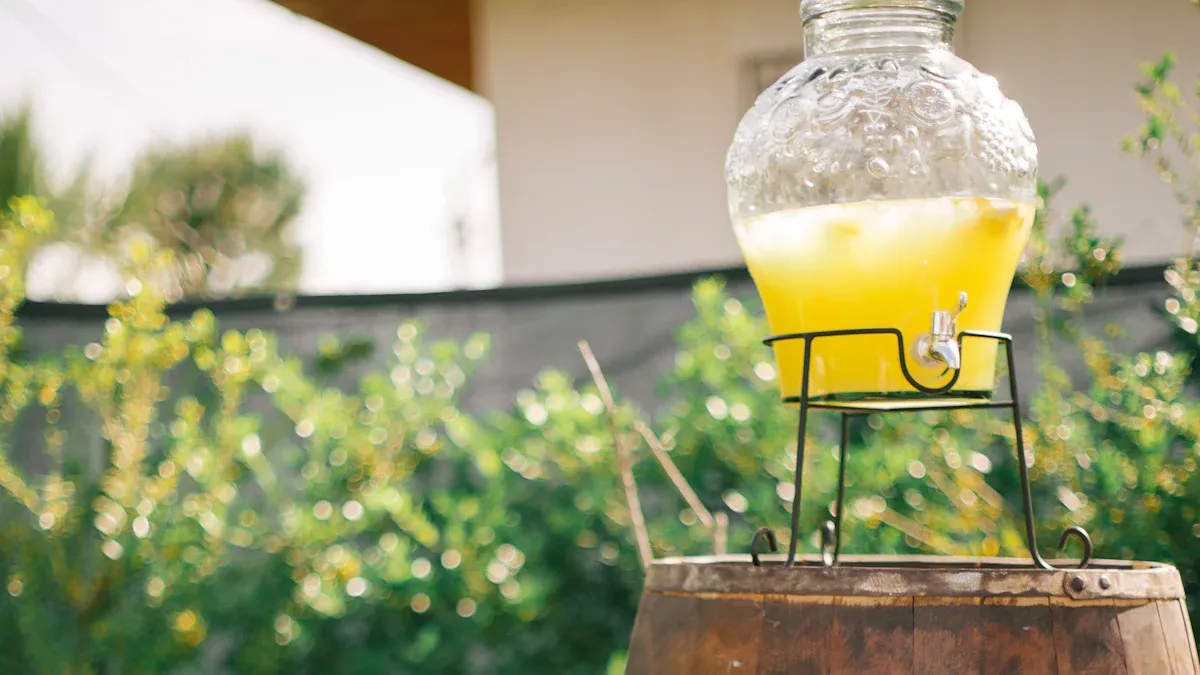
Your water dispenser stand is more than just a support. It is a piece of furniture that should fit the style of your room. You can choose a stand that blends in quietly or one that makes a statement. Thinking about your home's overall look will help you pick the perfect match.
Finding Your Aesthetic
First, identify your room's style. A sleek metal stand works well in a modern kitchen with stainless steel appliances. A plastic stand is practical for a garage or utility room. For a warmer, more traditional feel, a wooden stand is an excellent choice. Natural wood is a major trend, with many people wanting stained wood finishes instead of paint. A beautiful wooden stand can make your kitchen feel cozier and more inviting.
Color and Finish Options
Color helps your stand fit into your decor. You can match it to your walls, cabinets, or other furniture. For 2026, home design is moving away from cool grays. Instead, popular colors are soft and inspired by nature.
2026 Color Trends: Look for stands in earthy, calming tones. These colors create a grounded and modern look in any space.
You will find many products reflecting these new trends. Valspar has even announced its Color of the Year for 2026, highlighting this shift. Consider these popular palettes for your stand:
- Warm whites, putty, and mushroom
- Earthy shades like clay, taupe, and Universal Khaki
- Muted greens and dusty blues, like Secret Garden
A stand in a color like Creamy or a natural wood finish can perfectly complement these modern color schemes.
Step 5: Plan for Assembly and Maintenance
Your new stand needs proper setup and care to last. You should think about assembly before you buy. Regular cleaning will keep your stand looking great and functioning well for years. A little planning makes a big difference.
What to Know About Assembly
Most water dispenser stands are easy to put together. Many arrive with all the necessary parts and tools. You should always check the product description before you buy. It often tells you what to expect for assembly.
Here are a few things to keep in mind:
- Check for Tools: Some stands require basic tools like a screwdriver or wrench. Make sure you have them ready.
- Read the Instructions: Always read the manual first. Following the steps in order prevents mistakes.
- Ask for Help: Some heavier metal or wood stands can be tricky to assemble alone. An extra person can help hold pieces steady.
Most plastic stands snap together without any tools. Metal and wood stands usually involve screws or bolts. The process is typically simple and takes less than 30 minutes.
Cleaning and Long-Term Care
You need to clean your stand regularly to keep it in good condition. Dust and spills can build up over time. The right cleaning method depends on the stand's material.
Cleaning Tip: Always use a soft cloth for cleaning. Abrasive sponges or harsh chemicals can scratch or damage the stand's finish, no matter the material.
For metal and plastic stands, you can use a damp cloth with mild soap. Wipe them dry afterward to prevent water spots. For a wooden stand, you should dust it often. Clean spills immediately with a dry cloth to protect the wood from water damage. You can use a wood-safe cleaner for deeper cleaning. Every few months, you should also check that all screws and bolts are tight to ensure the stand remains stable. 🛠️
You now have the knowledge to select the perfect stand for your needs. Always prioritize accurate measurements for size and weight to ensure a safe setup. You can choose a water dispenser stand that supports your unit and enhances your room's style. A well-chosen stand provides a secure base and adds valuable convenience.
FAQ
Can you use a stand for a bottom-loading dispenser?
Yes, you can. A stand raises the spigots to a comfortable height. You just need to ensure the stand's weight capacity can support your specific dispenser model.
How much space should you leave around the stand?
You should leave at least two inches of clearance on all sides. This space provides proper air circulation for the dispenser and makes cleaning the area much easier.
Are stands with wheels safe to use?
Yes, they are safe. You should look for models with locking wheels, also called casters. You can lock them to keep the stand securely in place during daily use. 🔒