Achieve Low Noise Elevator Operation
An elevator's hum or rattle can disrupt the peace of a building. Achieving elevator low noise operation involves a systematic approach. The two primary sources of this noise are the machine room and the elevator shaft. Effective soundproofing starts with identifying the specific noise source before applying a targeted solution. Common disturbances include mechanical humming from the machine room and structural vibrations originating from the shaft.
Did You Know? 💡 Recent studies show that noise is a significant factor for property owners. In fact, 65% of homeowners view noise as a major concern when considering a home elevator installation.
How to Identify the Source of Elevator Noise
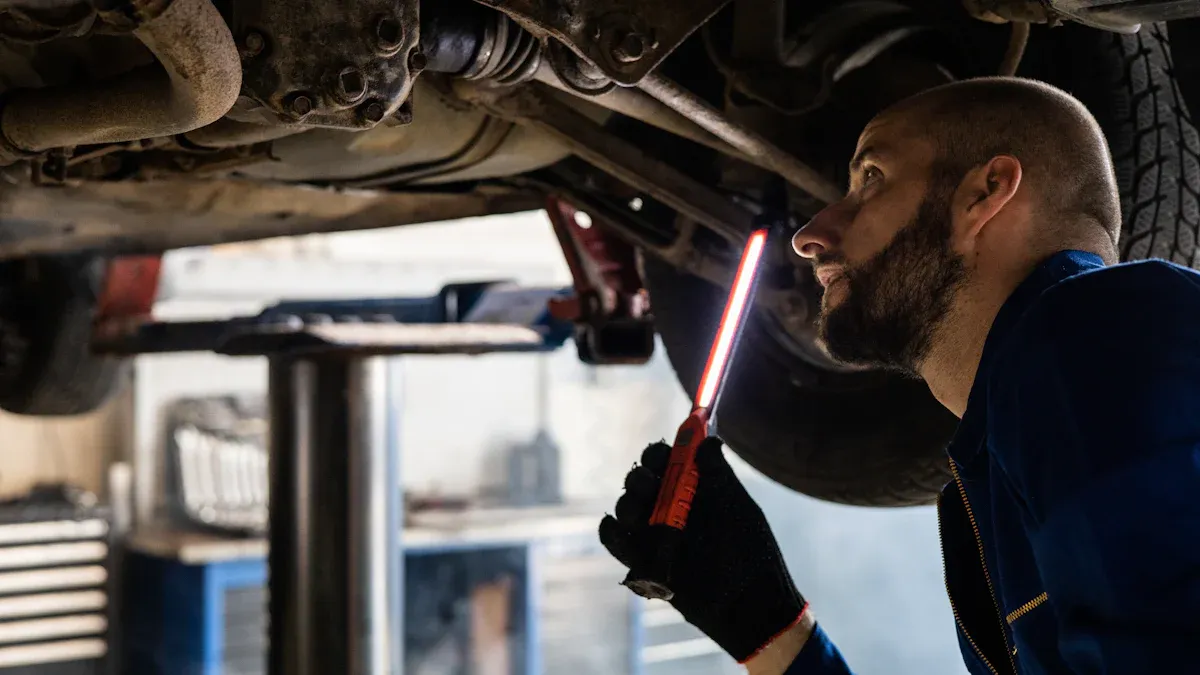
Accurate diagnosis is the first step toward a quieter building. Property managers must distinguish between noises from the machine room and those from the shaft. This allows for a targeted and effective soundproofing strategy. Each area produces distinct sounds that point to specific mechanical or structural issues.
Diagnosing Machine Room Noises
The elevator machine room often houses the loudest components. A careful listening session in this area can reveal the root cause of many disturbances. Technicians listen for specific sounds to diagnose problems.
- Humming or Buzzing: These electrical sounds often point to a malfunctioning motor or a problem in the control system. Faulty wiring can also produce a persistent hum. An electrical inspection is necessary for a safe and accurate diagnosis.
- Unexpected Pump Noises: Hydraulic elevators use pumps that can become noisy. These sounds may signal serious issues. A loud pump might indicate cavitation, which is the formation of air bubbles in the hydraulic fluid. It could also mean aeration, where air leaks into the system.
Pinpointing Shaft and Structural Noises
Noise can also travel from the elevator shaft into adjacent rooms. Identifying the type of noise is key to achieving elevator low noise operation. These sounds generally fall into two categories.
Airborne vs. Structure-Borne Noise Airborne noise travels through the air, passing through walls and floors. You might hear the "whoosh" of the car or conversations inside. Structure-borne noise, also called impact noise, occurs when the elevator's movement sends vibrations through the building's frame. This creates the low rumbles and thuds felt in nearby spaces.
Distinguishing between these two helps determine whether the solution requires airborne sound barriers or structural vibration isolation.
Soundproofing Solutions for Elevator Low Noise

Once a technician identifies the noise source, property managers can implement targeted soundproofing solutions. A comprehensive strategy addresses the machine room, the elevator shaft, and adjoining walls. This multi-pronged approach is the most effective path to achieving elevator low noise operation.
Quieting the Elevator Machine Room
The machine room contains the primary noise-generating equipment. A quiet machine room significantly reduces disturbances throughout the building. Professionals use several methods to contain and absorb this mechanical noise.
First, they isolate vibrating equipment from the building structure. Technicians place rubber isolation pads or spring isolators directly under motors and hydraulic pumps. These mounts decouple the machinery from the floor, which stops vibrations from traveling through the building's frame. For an even higher degree of isolation, a soundproof enclosure can be built around the motor. These enclosures contain sound within a small space, while acoustic blankets inside absorb vibrations and echoes.
Ventilation openings are another common path for noise to escape. Acoustic louvers offer an excellent solution. They allow necessary airflow for cooling while quieting the room.
- They minimize noise levels for quieter performance.
- They deliver clean air while blocking sound.
- Their aerodynamic design reduces fan energy consumption.
Finally, treating the room's surfaces prevents sound from reflecting and escaping. The table below outlines common materials for this purpose.
| Material Type | Material Name | Key Features |
|---|---|---|
| Sound Barrier | Mass Loaded Vinyl (MLV) | A heavy, flexible vinyl sheet that blocks airborne sound. It is ideal for wrapping pipes and lining walls. |
| Sound Absorption | Acoustic Foam Panels | Open-cell foam panels that absorb echoes and reverberation. They are applied directly to walls and ceilings. |
| Sound Absorption | Acoustic Mineral Wool | High-density fibrous batts installed inside wall cavities to absorb a wide range of sound frequencies. |
| Vibration Isolation | Rubber Isolation Pads | Thick rubber pads placed under equipment to reduce the transfer of structure-borne vibration. |
| Sealing Gaps | Acoustic Caulk | A flexible sealant used to close air gaps around pipes, conduits, and wall perimeters where sound can leak. |
Soundproofing the Elevator Shaft
The elevator shaft acts like a large echo chamber, amplifying and transmitting noise. Soundproofing the shaft involves managing both airborne and structure-borne sounds.
For airborne noise, such as the "whoosh" of the car, adding absorptive material to the shaft walls is effective. Technicians can install insulation within the stud cavities of the shaft walls.
| Insulation Type | Acoustic Properties |
|---|---|
| Fiberglass Batts | Offers excellent acoustic absorption. |
| Mineral Wool Batts | Provides good acoustic absorption and superior fire resistance. |
| Spray Foam | Creates a continuous air seal, which indirectly improves soundproofing by eliminating gaps. |
For structure-borne noise, such as vibrations from the guide rails, decoupling the drywall from the building's frame is essential. This is where resilient isolation clips come in.
How Resilient Clips Work ⚙️ Resilient clips are installed on the wall studs. Drywall furring channels then snap into the clips. Finally, drywall is attached to the channels, not the studs. A small rubber base on each clip absorbs vibrations, preventing them from passing into the wall and becoming noise.
These specialized clips are designed to support a maximum load of 36 pounds each and feature a molded rubber base that isolates the wall from the framing. This system dramatically improves the wall's ability to block low-frequency rumbles and thuds.
Treating Walls Adjoining the Elevator
Even with a treated machine room and shaft, some noise may still reach adjacent living or working spaces. Improving the walls that directly adjoin the elevator shaft is the final step for a truly quiet environment. The goal is to add mass and damping to the wall assembly.
A highly effective method involves adding a second layer of drywall. Technicians apply a viscoelastic damping compound, such as Green Glue, between the existing drywall and the new layer. This compound converts sound vibrations into a tiny amount of heat, effectively dissipating the noise energy before it can pass through the wall. This technique significantly boosts wall performance, especially in timber-framed buildings, and is a key part of a complete elevator low noise solution.
Sound can also travel through small openings. Air gaps around electrical outlets, light switches, and vents are common weak points. Sealing these penetrations is critical. Installers should use a fire-rated sealant or a putty pad to air seal electrical boxes. Applying acoustic sealant around the perimeter of the outlet box ensures no sound can leak through, completing the soundproofing barrier.
Maintenance and Safety for a Quiet Elevator
Soundproofing materials address noise, but mechanical health is the foundation of a quiet elevator. A comprehensive approach combines structural treatments with diligent maintenance and strict adherence to safety standards. This ensures both quiet operation and occupant safety.
The Role of Regular Mechanical Maintenance
Mechanical wear is a primary source of elevator noise. Over time, parts that rub, grind, or vibrate create disturbances that travel throughout a building. Regular maintenance directly counteracts this degradation. A proactive service plan keeps components operating as designed, preventing noise before it starts.
Proper lubrication minimizes friction, reduces wear, and extends the lifespan of moving parts.
A qualified technician performs a series of checks during routine service visits. These inspections are essential for identifying potential issues and achieving long-term elevator low noise performance. A thorough maintenance plan includes:
- Ride Quality Assessment: Technicians check for smooth acceleration, accurate leveling at each floor, and consistent door operation.
- Component Inspection: They visually inspect for fluid leaks, worn cables, and corrosion in the machine room and pit.
- Door System Checks: This involves cleaning door tracks and testing safety sensors to ensure they are responsive.
- Emergency System Verification: Technicians test the emergency phone, alarm, and backup lighting to confirm they function correctly.
- Record Keeping: They maintain up-to-date service logs and ensure all required safety certificates are properly posted.
Critical Fire Safety Compliance
Safety is the top priority in any elevator project. When soundproofing an elevator shaft or machine room, all materials must comply with local building and fire codes. Many high-performance acoustic products are available in fire-rated versions specifically for this purpose. For example, mineral wool insulation offers excellent sound absorption and is naturally fire-resistant. Similarly, acoustic sealants used to close gaps must be fire-rated to maintain the integrity of fire-rated walls.
Technicians must also perform regular fire service tests. This ensures the elevator's fire recall system works correctly, automatically returning the car to a designated floor in an emergency. Consulting with both an acoustical expert and a fire safety professional guarantees that any soundproofing solution is both effective and fully compliant with all safety regulations.
Achieving elevator low noise operation is a systematic process. Property managers find success by first identifying noise sources, then applying targeted solutions. A comprehensive strategy delivers the best long-term results.
Key Takeaways for a Quiet Elevator 🔑
- Combine regular mechanical maintenance with structural soundproofing treatments.
- Prioritize safety by using fire-rated materials and consulting with professionals.
- Ensure all work complies with local building and fire codes.
This integrated approach ensures a quiet, safe, and reliable elevator system for any building.
FAQ
What is the most common source of elevator noise?
The machine room is the most frequent noise source. It houses the motor, pumps, and control systems. These components generate significant mechanical and electrical sounds that can travel throughout the building. This area requires targeted soundproofing for effective noise reduction.
How much does it cost to soundproof an elevator?
Costs vary widely based on the project's scope. A simple machine room treatment is less expensive than a full shaft and wall overhaul. Property managers should obtain a detailed quote from a professional acoustical consultant for an accurate estimate.
Can property managers install soundproofing materials themselves?
Professional Installation Recommended ⚠️ Experts ensure materials meet fire safety codes and are installed correctly for maximum effectiveness. Improper installation can compromise both safety and acoustic performance, making it a risky task for non-professionals.
Are new elevators always quieter than old ones?
Not necessarily. While modern elevators have quieter designs, poor installation or a lack of structural soundproofing can still create significant noise. Proper installation and targeted acoustic treatments are essential for quiet operation in any elevator, new or old.
See Also
Simple Upkeep Practices to Avoid Costly Dumbwaiter Elevator Malfunctions
Comparing Leading Hospital Bed Elevators: Safety and Performance Insights
Custom Cargo Lifts: Evaluating Advantages and Disadvantages for Businesses
Boosting Industrial Efficiency with Advanced Plate Air Preheater Technology
Essential Industrial Checkweighers: A Must-Have for Every Food Plant