Why Does My Pill Have a Coating? The Magic of a Tablet Coating Machine
Have you ever wondered about the smooth, often colorful layer on your pills? This coating is a high-tech feature, not just a simple shell. A specialized tablet coating machine applies this layer with incredible precision. The coating is essential for making your medicine safer and more effective. It helps the drug work correctly inside your body. This layer also protects the medicine's potency and makes it much easier for you to take. It is a key part of modern pharmaceutical science.
Better Efficacy: Ensuring Your Medicine Works Right
A pill's coating is a sophisticated delivery system. Pharmaceutical scientists engineer this layer to control where and when the active pharmaceutical ingredient (API) becomes available in the body. This precision ensures the medication performs its job with maximum effectiveness. The coating directs the drug to the right location and manages its release over time, turning a simple tablet into a highly efficient therapeutic tool.
Reaching the Right Target
Many medications are sensitive to the body's internal environment. The stomach, in particular, is a harsh, acidic place that can degrade or destroy certain drugs before they ever reach the bloodstream. This is where a special type of coating, known as an enteric coating, becomes critical.
What is an Enteric Coating? An enteric coating is a polymer barrier applied to oral medications. It remains intact in the acidic conditions of the stomach but dissolves in the higher pH (more alkaline) environment of the small intestine.
This technology shields the active ingredients from acid degradation. It ensures the drug passes through the stomach unharmed and is released only in the intestine, the primary site for drug absorption. This targeted delivery significantly improves the drug's bioavailability and therapeutic efficacy.
Several common medications rely on this technology:
- Proton Pump Inhibitors (e.g., omeprazole, esomeprazole): These drugs are acid-activated. An enteric coating prevents them from activating prematurely in the mouth or stomach.
- Aspirin and other NSAIDs: These can irritate the stomach lining. The coating allows them to bypass the stomach, reducing the risk of gastric side effects.
- Certain Antibiotics and Enzymes: Many complex molecules, like peptides or enzymes, would be destroyed by stomach acid. The coating protects them until they reach the intestine.
Scientists create these smart coatings using specific polymers. Materials like cellulose derivatives (HPMCP) or polymethacrylates (Eudragit®) are chosen for their precise pH-dependent solubility, making them ideal for this targeted delivery mission.
Controlling the Drug's Release
Beyond just targeting a location, coatings can also manage the speed of a drug's release. This is the principle behind "extended-release" (ER) or "sustained-release" (SR) formulations. Instead of the body receiving the entire dose at once, the medication is released slowly over many hours.
This controlled-release mechanism offers significant therapeutic advantages. It maintains a constant and steady concentration of the drug in the bloodstream. This process avoids the sharp peaks and deep troughs in drug levels associated with taking multiple doses throughout the day.
| Benefit of Controlled Release | Description |
|---|---|
| Steady Therapeutic Levels | The drug concentration stays within the optimal range—above the minimum effective level but below toxic levels. |
| Reduced Side Effects | Avoiding high initial peaks in drug concentration can minimize side effects. |
| Improved Patient Compliance | A patient may only need to take one or two pills per day instead of three or four, making it easier to follow the treatment plan. |
Engineers achieve this control by carefully designing the coating. They can adjust the coating's thickness, permeability, and the specific polymers used. By combining different types of polymers, such as hydrophilic (water-loving) and hydrophobic (water-repelling) materials, they can fine-tune the dissolution rate. This allows for the creation of immediate, delayed, or extended-release profiles, all tailored to the specific needs of the drug and the patient.
Improved Stability: Keeping Your Medicine Safe and Potent
A medication's journey does not end when it leaves the factory. It must survive packaging, shipping, and storage before it ever reaches a patient. The active pharmaceutical ingredient (API) inside a tablet is often a delicate chemical compound. A tablet coating provides crucial protection, ensuring the medicine remains stable, safe, and effective from the production line to the medicine cabinet.
A Shield Against the Environment
The core of a tablet is vulnerable to the world around it. Several environmental factors can degrade the API, reducing the medicine's potency or causing physical changes. A film coating acts as a robust barrier, shielding the sensitive ingredients from these threats.
Uncoated tablets face numerous risks that can compromise their quality.
- High relative humidity can affect the physical handling of tablets and interfere with the accurate weighing of hygroscopic (water-absorbing) powders.
- Packaging defects, like a small tear in a blister pack, can expose the tablet to the environment and lead to degradation.
- Foreign particles or inadequate cleaning of manufacturing machinery can introduce impurities, sometimes appearing as black spots on the tablet surface.
To counter these threats, pharmaceutical scientists select specific materials to create a protective film. The choice of material depends on the drug's specific vulnerabilities.
Key Protective Coating Materials Scientists use a variety of advanced materials to build this shield. These include:
- Hydrophobic materials like lipids and waxes that repel water.
- Water-soluble and insoluble polymers such as polysaccharides and vinyl polymers.
- Specific high-performance polymers like polyvinyl alcohol (PVA), hydroxypropyl methyl cellulose (HPMC), and Eudragit® grades, which offer excellent protection against moisture and oxygen.
This engineered shield preserves the chemical integrity of the drug. It prevents moisture from causing the tablet to soften or the API to break down. It can also contain opacifiers, like titanium dioxide, to block light that could degrade light-sensitive medications. This ensures the dose you take is the dose prescribed by your doctor.
Stronger, More Durable Pills
An uncoated tablet, often called a "tablet core," is essentially compressed powder. It can be brittle and prone to damage. During the rigors of packaging, shipping, and handling, these cores can easily chip, crack, or crumble. This process, known as friability, can lead to inaccurate dosing and product loss.
A film coating dramatically increases the tablet's mechanical strength and durability. The coating acts as a flexible, protective shell that holds the core together. It functions as a cushioning material, absorbing impacts and stresses. The polymer film also fills in microscopic surface imperfections on the tablet core, which are often starting points for fractures. The film's own elasticity and strength can even keep the tablet core intact after it has fractured internally.
The increase in physical robustness is substantial.
Scientific studies show that a thin film coating, adding only 3% to the tablet's total weight, can increase its hardness by an incredible 50% to 140%.
This added strength is most effective along the tablet's diameter. It works perpendicularly to any compressional force, preventing the tablet from being crushed. This ensures the pill that reaches the patient is whole, intact, and delivers the precise, intended dose of medication.
The Role of the Tablet Coating Machine

The coatings on pills do not appear by magic. They are applied with incredible precision by a highly specialized piece of equipment: the tablet coating machine. This technology is the bridge between pharmaceutical science and the final product you see in the bottle. It performs the critical task of applying a flawless, functional layer to thousands of tablets at once, ensuring each one is safe and effective. A modern tablet coating machine is essential for producing high-quality medication.
Applying the Perfect Layer
A tablet coating machine works by tumbling thousands of tablet cores in a rotating drum or pan. While the tablets are in motion, a series of high-tech spray guns apply the liquid coating solution. The key to a perfect layer is a process called atomization.
Atomization breaks the liquid coating solution into a fine, consistent mist. This mist evenly covers the surface of each tumbling tablet, ensuring a smooth and uniform film.
Different types of machines, such as perforated pan systems or fluidized bed coaters, use advanced airflow to help the coating dry quickly and evenly. This sophisticated process allows the tablet coating machine to achieve several goals at once:
- Masking unpleasant tastes and odors.
- Protecting the drug from moisture and light.
- Controlling where and when the drug is released in the body.
- Improving the pill's appearance and making it easier to identify.
Ensuring Quality and Consistency
Consistency is everything in medicine. Every pill in a batch must be identical to ensure predictable performance and safety. A tablet coating machine uses advanced controls to guarantee this uniformity. Operators carefully manage several critical process parameters. These include the pan's rotation speed, the temperature of the air, and the rate at which the coating is sprayed.
If the pan rotates too slowly, tablets can become over-wet and stick together. If it spins too fast, they may not get enough coating. Modern machines use automated sensors to monitor these conditions in real-time. These sensors act as a constant quality check, making immediate adjustments to maintain perfect balance. This intelligent process control ensures that every single tablet receives the exact same coating thickness, preventing visual defects and variations in drug release. This level of precision is how a tablet coating machine helps guarantee that your medication works as intended every time.
A Better Experience for You
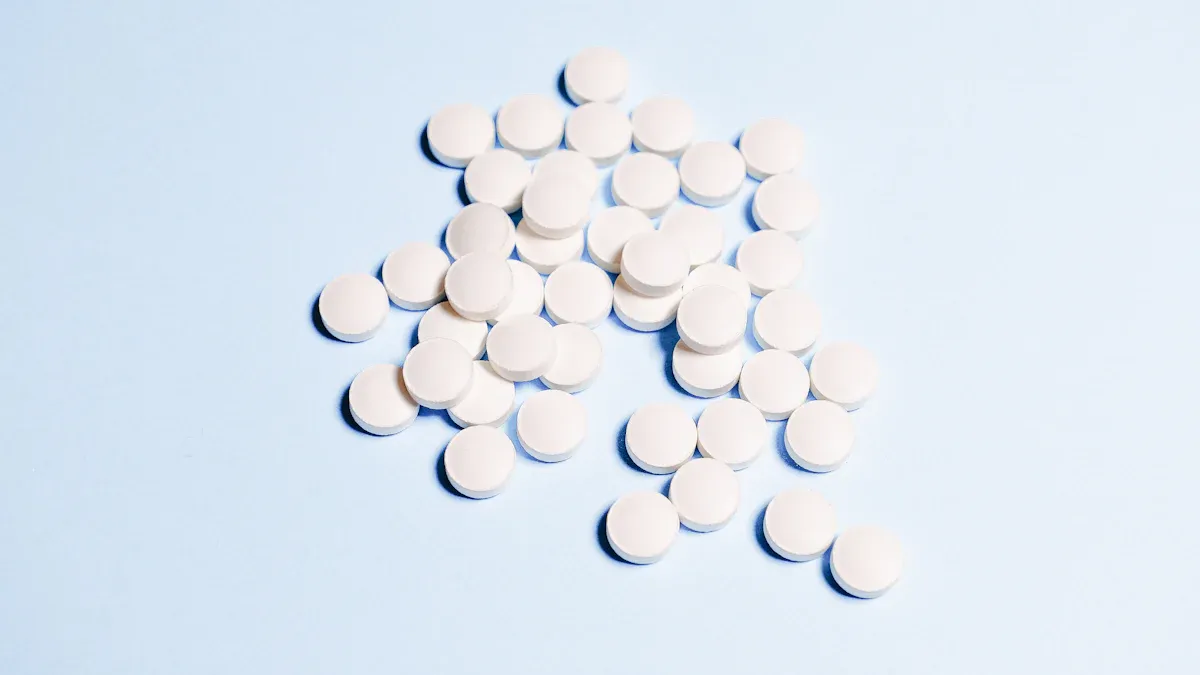
Beyond its technical functions, a pill's coating significantly improves the experience of taking medication. Manufacturers design these layers with the patient in mind, addressing common challenges like unpleasant tastes and difficulty swallowing. This focus on user experience helps ensure that patients can take their medicine safely and consistently.
Masking Bitter Tastes and Smells
Many active pharmaceutical ingredients have a strong, bitter taste or an unpleasant odor. These sensory issues can make taking medicine a dreaded task, which often leads to poor patient compliance, especially among children and the elderly. A tablet's coating creates a physical barrier that locks away these unpleasant tastes and smells.
To make medications more palatable, pharmaceutical companies use a variety of approved flavoring agents and sweeteners in the coating.
- Sweeteners: Intense sweeteners like sucralose or bulk sweeteners like sorbitol add a pleasant taste.
- Flavoring Agents: Natural oils (peppermint, lemon) or synthetic flavors (vanillin) effectively mask bitterness.
This simple feature makes a major difference, turning a negative experience into a neutral or even positive one and encouraging patients to stick to their treatment plans.
Making Pills Easier to Swallow
Swallowing a dry, chalky tablet can be difficult. Studies show that a large percentage of adults—as many as 40% in one report—experience difficulty swallowing pills. A specialized coating solves this problem by making the tablet's surface incredibly smooth and slippery.
Many coatings contain hydrophilic (water-loving) polymers. When the pill comes into contact with saliva, these polymers absorb moisture and create a lubricated, gel-like layer. This allows the tablet to glide down the throat with ease, reducing the risk of it getting stuck.
This innovation makes the daily routine of taking medication more comfortable and less stressful for millions of people.
Helping You Identify Your Medication
The color and shape of a pill are not random; they are important safety features. A unique appearance helps patients, caregivers, and pharmacists quickly and accurately identify medications. This visual coding is crucial for preventing dangerous mix-ups. For example, color can distinguish between different strengths of the same drug.
A pharmacist can use color as an extra safety check before dispensing a prescription. The U.S. Food and Drug Administration (FDA) strictly regulates the colorants used in pills to ensure they are safe for consumption. Approved colorants include natural sources like caramel and carmine, as well as mineral-based pigments like iron oxides. This thoughtful design element plays a vital role in medication safety.
A pill's coating is a critical feature engineered for health, not just for appearance. This layer has evolved far beyond simple sugar coatings. It now plays a vital role in a drug's efficacy, stability, and the overall patient experience.
A modern tablet coating machine applies this functional film with incredible precision. This small, engineered layer is a key part of what makes modern medicine so safe and effective for everyone.
FAQ
Are all pill coatings the same?
No, coatings serve different purposes. A film coating might mask a bitter taste. An enteric coating protects the drug from stomach acid. Each type uses specific materials to achieve a unique goal for the medication, improving its function and stability.
Is the coating on a pill safe to consume?
Yes, the materials are completely safe. Regulatory bodies like the U.S. Food and Drug Administration (FDA) approve all components in a tablet coating. These materials include common food-grade polymers, sweeteners, and colorants chosen for safety and effectiveness.
Why are some pills uncoated?
Some active ingredients are very stable. They do not require protection from the environment. Other drugs may not have a strong taste or need a special release profile. In these specific cases, a coating is not functionally necessary.
How does a machine coat every pill evenly?
A tablet coating machine tumbles the pills in a rotating drum. Special spray guns create a fine mist of the coating solution. This process, combined with controlled airflow, ensures every single tablet receives a uniform and consistent layer.
See Also
Boosting Pharmaceutical Efficiency: Modern Capsule Decapsulation Machine Innovations Explained
The Indispensable Role of Automatic UV Coaters in High-Speed Printing Operations
Selecting the Best Tablet Sampling Machines: An Essential Laboratory Guide
Capsule Sorters: Key to Flawless Product Quality Through Defect Elimination
Forecasting 2025's Best Precoating Materials for Advanced Filtration Systems