How Optical Sorters Ensure Squash Quality
A squash and zucchini optical sorter guarantees quality using high-resolution cameras and specialized lighting. These systems rapidly inspect each vegetable for size, shape, color, and blemishes. The machine's software instantly analyzes this data. It then uses precise air jets to automatically remove any item failing to meet predefined standards.
- The Zucchini Produce Market was valued at $22.81 billion.
- It is projected to reach $30.55 billion by 2030.
- The market is expected to grow at a CAGR of 6% from 2025-2030.
The Step-by-Step Sorting Process
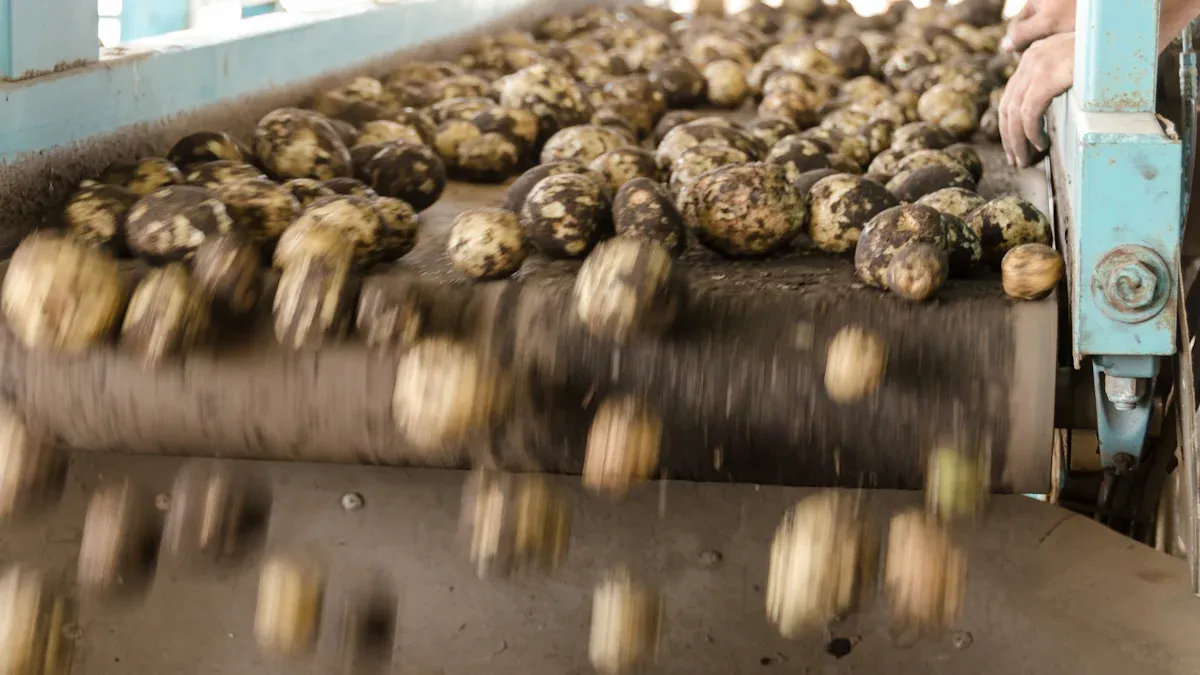
An optical sorter executes a precise, four-stage operation to guarantee squash quality. The process begins with careful product handling and moves through high-speed inspection, instant analysis, and automated removal. Each step works together seamlessly to sort large volumes of produce with accuracy and efficiency.
Infeed and Individual Presentation
The sorting process starts at the infeed stage. Squash and zucchini arrive on a vibratory shaker conveyor. This specialized conveyor is crucial for preparing the vegetables for inspection. Its design ensures each item is handled gently and presented individually to the cameras. The system achieves this through two key actions:
- Spreading: The conveyor uses vibrations to spread the squash evenly across its surface. This action creates a uniform, single layer of product, preventing clumps that could hide defects.
- Laning: The conveyor guides each vegetable into distinct lanes. This alignment positions every squash correctly for the inspection zone, improving throughput and preventing jams.
Proper presentation is essential. It guarantees the cameras have an unobstructed view of each vegetable from all angles.
The Inspection Zone: Cameras and Lighting
Once properly aligned, the squash moves into the inspection zone. Here, a combination of specialized lighting and high-resolution cameras captures detailed images of each vegetable. The lighting illuminates the entire surface, eliminating shadows and revealing subtle imperfections. The cameras then capture multiple images in milliseconds.
Tech Tip: These systems often use advanced industrial cameras to ensure no detail is missed. For example, a 1.6 MP GigE camera with a Sony IMX273 sensor can detect tiny cracks, while a high-speed camera capable of 227 frames per second (fps) is ideal for fast-moving production lines. These cameras are GenIcam compatible, allowing them to work with various software platforms like NI LabVIEW or Cognex Vision Pro.
This powerful combination of light and optics creates a complete digital picture of every squash, providing the necessary data for the analysis phase.
Instant Data Analysis
The captured images are sent to the system's central computer for immediate analysis. The software uses this visual data to assess each squash against predefined quality standards. It compares the size, shape, color, and surface texture of the vegetable to an ideal model.
The software employs sophisticated deep learning algorithms to make these judgments. It is trained using "golden templates," which are images of perfect squash. This training teaches the AI to recognize acceptable products. The AI can then identify subtle color variations that indicate a defect while ignoring natural color differences, which significantly reduces false rejections. This intelligent analysis allows the a squash and zucchini optical sorter to make highly accurate decisions in a fraction of a second.
Ejection and Separation
The final stage is ejection. Once the software identifies a squash that fails to meet quality standards, it signals the ejection system. The system tracks the defective item's exact location on the conveyor. As the squash passes the ejection point, a targeted burst of air removes it from the main product stream.
The most common ejection mechanisms include:
- Precise air jets
- Air nozzles
- Mechanical fingers
These mechanisms are incredibly fast and accurate. They remove only the targeted item without disturbing the surrounding acceptable products. The rejected squash falls onto a separate conveyor, while the high-quality squash continues toward packaging. This automated separation ensures a consistently premium final product.
How a Squash and Zucchini Optical Sorter Assesses Quality
A squash and zucchini optical sorter evaluates produce with a level of precision and speed that manual inspection cannot match. The system uses its advanced imaging capabilities to assess multiple quality attributes simultaneously. It meticulously checks every single vegetable for size, shape, color, and surface integrity, ensuring only the best products move on to packaging.
Grading by Size and Shape
Processors often need to sort squash by specific dimensions for different packaging or market grades. The optical sorter excels at this task. As each squash passes through the inspection zone, the system's cameras capture its complete profile. The software then measures key geometric features, including:
- Length
- Width or diameter
- Curvature and straightness
This data allows the machine to categorize each squash with high accuracy. For example, it can separate uniformly straight zucchini from those that are slightly curved. It can also sort squash into predefined size categories, such as small, medium, or large. This automated grading ensures consistency for value-added products like pre-cut vegetable mixes or uniform retail packs.
Analyzing Color for Ripeness
Color is a primary indicator of a squash's ripeness and quality. The sorter's software analyzes the images to evaluate color uniformity and identify discoloration. It compares the hue of each squash to a pre-programmed ideal color profile. This allows the system to differentiate perfectly ripe, dark green zucchini from under-ripe or over-ripe ones.
The system is also programmed to detect specific color defects that signal damage. For instance, it can easily identify sunscald, where excessive sun exposure damages the fruit's skin. The software distinguishes these blemishes from the squash's natural color.
Note: Sunscald appears in different ways, and the sorter's cameras are calibrated to detect these specific color spectrum changes.
Type of Sunscald Color Spectrum of Affected Area Sunscald Browning Yellow, bronze, or brown spots Photooxidative Sunscald Bleached, completely white areas
By analyzing these subtle color variations, the squash and zucchini optical sorter ensures that only produce with ideal color and ripeness reaches the consumer.
Detecting Surface Defects and Damage
Perhaps the most critical function of a squash and zucchini optical sorter is its ability to detect a wide range of surface defects. The high-resolution cameras can spot blemishes, cuts, scars, and signs of disease that might be missed by the human eye.
The system is trained to identify common issues that affect squash quality. These include:
- Blossom end rot: A dark, leathery blemish at the blossom-end of the fruit.
- Choanephora rot: A fuzzy gray or black mold that makes the fruit soft and mushy.
- Viruses: Bumps, rings, or discolored patterns on the skin of the squash.
- Pollination problems: Deformed or underdeveloped fruit shapes.
Beyond visible defects, advanced sorters use hyperspectral imaging (HSI) to find problems before they are visible. Unlike standard cameras that see red, green, and blue light, HSI captures hundreds of narrow wavelength bands across the visible and infrared spectrums. This technology detects the unique "fingerprint" of an object's chemical and structural composition. Disease infections like rot or mold alter a plant's cellular structure and moisture content. These changes affect how the squash reflects light, creating a spectral signature that HSI can identify long before the rot becomes visible to the naked eye. This capability is crucial for improving shelf life and food safety. detective
A squash and zucchini optical sorter systematically applies precise standards for size, color, and defects at high speeds. This automation guarantees consistent product quality. The system removes human error and subjectivity from inspection. This process delivers a reliably high-quality supply of squash and zucchini for consumers.
FAQ
How fast can an optical sorter process squash?
An optical sorter processes several tons of squash per hour. The system's high-speed inspection and ejection capabilities significantly increase production line throughput and overall efficiency.
Can the sorter handle different types of squash?
Yes, the system's software is highly adaptable. Processors program it with specific quality parameters for various squash types, including zucchini, yellow squash, and butternut squash.
Does the sorter ever make mistakes?
The system is extremely accurate. Advanced AI minimizes false rejections by distinguishing natural product variations from actual defects, which ensures reliable and consistent sorting performance.
See Also
Capsule Sorters: Essential Technology for Effective Defect Removal Explained
Top Capsule Checkweighers: A Buyer's Guide for 2025 Considerations
Defining Pharmaceutical Checkweighers: Key Features for Industry Professionals
Three Essential Industrial Checkweighers for Modern Food Processing Plants
How Sterile Filter Devices Operate: A Comprehensive Guide to Functionality