An Inside Look at How Sewage Plants Clean Our Water
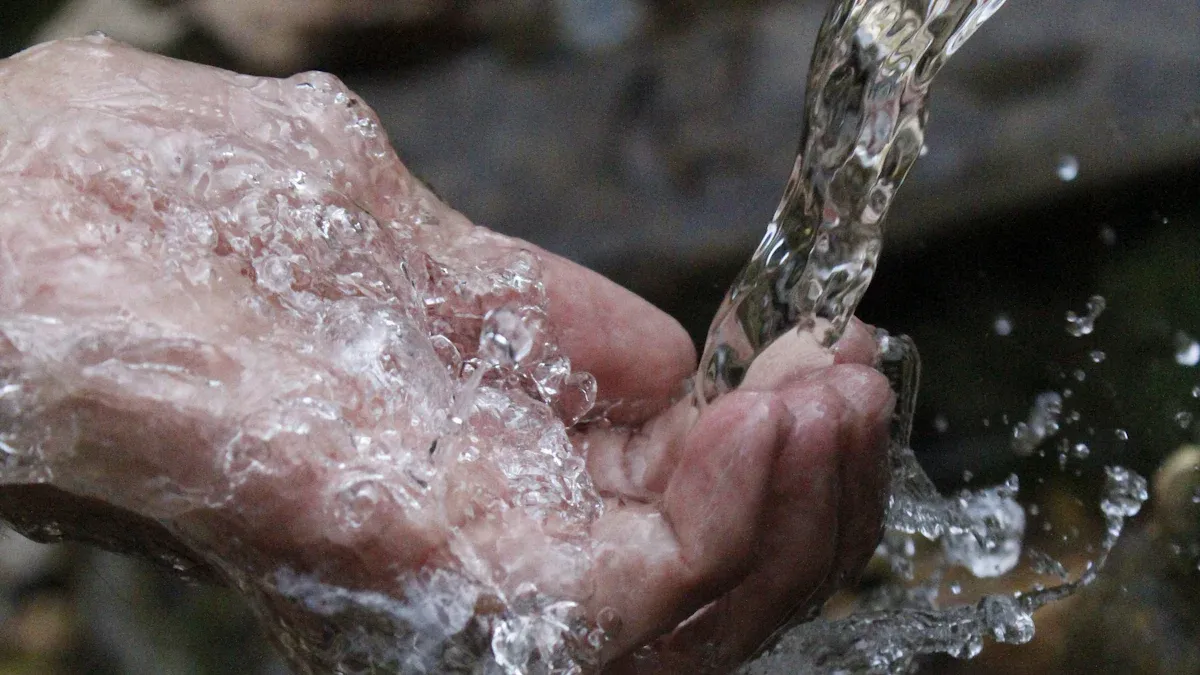
Wastewater from homes and businesses flows to a sewage treatment plant. This water contains waste, chemicals, and solids. The plant uses several steps to remove these contaminants. This process transforms dirty water into clean water, which is safe to return to the environment.
💧 Did You Know? Wastewater treatment facilities in the United States process approximately 34 billion gallons of wastewater every single day.
Key Takeaways
- Sewage plants clean dirty water in three main steps. First, they remove large solids. Then, tiny living things eat the small waste.
- After these steps, the water gets extra cleaning. Filters take out tiny bits, and special lights kill germs.
- This whole process makes water safe. It protects our health and keeps rivers and lakes clean.
The Three Core Stages of Cleaning Water in a Sewage Treatment Plant
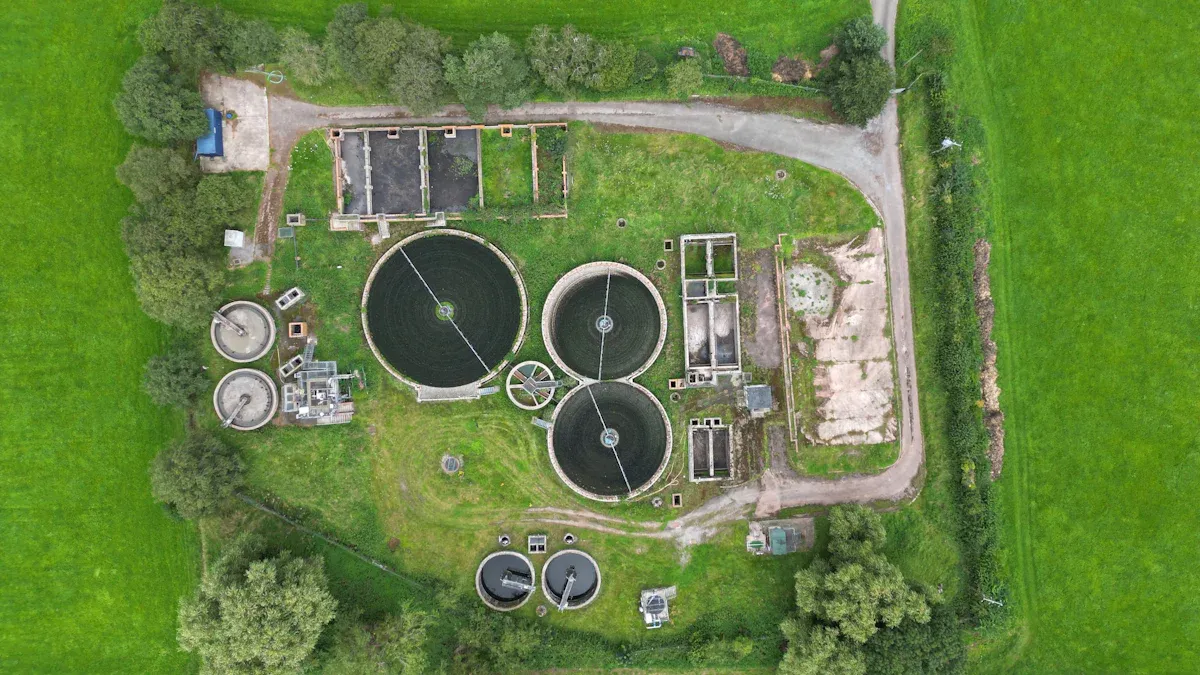
The cleaning process at a sewage treatment plant is a systematic journey. Wastewater moves through three core stages. Each stage targets different types of contaminants. Primary treatment first removes large solids. Secondary treatment then uses helpful bacteria to clean the water further. The final core stage, sedimentation, allows any remaining solids to settle out. This step-by-step approach ensures the water becomes progressively cleaner.
Primary Treatment: Removing Solids
Primary treatment is the first and most physical step. It acts like a giant strainer for incoming wastewater. The goal is to remove large solid objects and materials that can be easily screened or settled.
The process begins when wastewater flows through a series of screens. These screens catch large debris before it can damage pumps and equipment. The types of screens used can vary.
- Coarse Screens: These have wide openings to trap bigger items like sticks, rags, and plastics.
- Fine Screens: These have smaller openings to capture finer materials like gravel and hair.
- Manual Bar Screens: Workers must clean these screens by hand. They are common in smaller facilities.
- Mechanical Bar Screens: These screens clean themselves automatically. They are essential for larger, high-volume plants.
After screening, the large objects are handled carefully.
- The collected trash, plastics, and rags are gathered.
- These materials are washed, pressed to remove water, and loaded into covered trucks.
- Finally, the solid waste is transported to a landfill for proper disposal.
The water then moves into large tanks called primary clarifiers. Here, the water sits for a period, allowing heavy solids to sink to the bottom as "primary sludge." Lighter materials like grease and oil float to the top and are skimmed off. This single stage is very effective, removing approximately 60% of all suspended solids from the water.
Secondary Treatment: Breaking Down Waste with Bacteria
Secondary treatment is the biological powerhouse of the water cleaning process. This stage focuses on removing dissolved organic waste that was too small to be caught by screens or settling. It uses a natural process, harnessing millions of living microorganisms to do the hard work.
The most common method is the "activated sludge" process. The water from primary treatment enters a large aeration tank. Here, two key things happen: air is pumped into the water, and a microbe-rich sludge is added.
🌬️ Oxygen is Key! Aeration is crucial for this stage. The constant supply of oxygen helps the helpful bacteria and other microorganisms thrive. It also keeps them mixed and suspended in the water, ensuring they come into contact with their "food"—the harmful organic pollutants.
These microorganisms consume the organic matter in the wastewater. They convert it into harmless byproducts like carbon dioxide and water. This biological digestion dramatically cleans the water. The effectiveness of this stage is measured by the reduction in Biochemical Oxygen Demand (BOD), which is the amount of oxygen bacteria would consume in the environment. A modern sewage treatment plant achieves a high rate of purification.
| Treatment Type | BOD Reduction Rate |
|---|---|
| Secondary Treatment | 85% |
Sedimentation: Letting Gravity Do the Work
After the bacteria have done their job in the aeration tank, the water moves to the final core stage: sedimentation. This step is also known as secondary clarification. Its purpose is to separate the clean water from the microbe-filled sludge created during secondary treatment.
The water flows into another large, quiet tank called a secondary clarifier. The flow is very slow, allowing gravity to take over. The heavy clumps of microorganisms, now called "activated sludge," slowly settle to the bottom of the tank. This process can take between one and three hours. The design of these tanks is specialized to make settling more efficient.
- Inclined Plates: Some tanks use angled plates that increase the surface area for solids to settle on, speeding up the process.
- Sludge Hopper: The bottom of the tank is shaped like a funnel to collect all the settled sludge.
- Inlet and Outlet Structures: Water enters gently to avoid stirring things up, and the clean water exits from the top.
The settled sludge at the bottom is very valuable. A portion of it is recycled back to the aeration tank. This ensures a healthy population of microorganisms is ready to treat the next batch of incoming wastewater. The remaining excess sludge is removed and sent for further processing, often called "digestion." The clear, treated water at the top of the tank is now ready for the final stages of purification.
Advanced Steps for Purity and Safety
After the core stages, water enters advanced treatment. These final steps ensure the water is exceptionally clean and safe for the environment. They act as a final quality check, removing microscopic pollutants and dangerous germs.
Tertiary Treatment: Filtering and Polishing
Tertiary treatment is the polishing stage. It removes any remaining fine particles and contaminants. Water passes through special filters to achieve a very high level of purity.
- Sand and Carbon Filters: These common filters trap tiny suspended solids and adsorb organic compounds.
- Membrane Filters: Advanced systems use membranes with microscopic pores. Reverse osmosis, for example, can remove dissolved solids, including pharmaceuticals like ibuprofen and aspirin.
✨ Final Polish! This stage is designed to eliminate any final traces of odor or taste. The result is water that meets strict purity standards before it leaves the sewage treatment plant.
Disinfection: Eliminating Harmful Germs
Disinfection is a critical safety step. Its goal is to kill or inactivate any remaining pathogens. These harmful germs can include bacteria like E. coli and parasites like Giardia. One popular method is ultraviolet (UV) light. The water flows past powerful UV lamps. The light damages the DNA of the microorganisms, which stops them from reproducing. This is a physical process that adds no chemicals to the water. Chlorine is another effective disinfectant, but it must be handled carefully to avoid creating harmful byproducts.
Nutrient Removal: Protecting the Environment
Wastewater contains nutrients like nitrogen and phosphorus. Too much of these in rivers and lakes can cause harmful algal blooms. Nutrient removal protects aquatic ecosystems.
- Nitrogen Removal: This uses a two-step biological process. First, bacteria convert ammonia to nitrate (nitrification). Then, different bacteria convert the nitrate into harmless nitrogen gas (denitrification).
- Phosphorus Removal: This often involves adding chemical salts, such as alum or ferric chloride. These chemicals react with phosphorus to form solid particles that can be settled and removed.
A sewage treatment plant uses a sophisticated process. It combines physical screening, biological action, and chemical disinfection. Each stage systematically removes different contaminants, from large solids to microscopic pathogens. This essential public service protects community health and helps restore our natural water ecosystems, as seen in major rivers around the globe.
This vital work transforms wastewater from a public health risk into a resource that protects our environment.
FAQ
Why doesn't the area around a sewage plant smell bad?
Modern plants use advanced odor control systems. They cover tanks and filter the air. This technology traps bad smells, keeping the surrounding community clean and fresh.
What happens to the sludge that is removed?
The sludge is treated to remove pathogens. It can become a nutrient-rich fertilizer called biosolids. This product helps fertilize farmland and restore landscapes. ♻️
Where does the clean water go after treatment?
The treated water is safely released back into the environment. It often flows into local rivers, lakes, or oceans, helping to replenish natural water sources.
See Also
Cutting-Edge Materials Transforming the Future of Heat Exchanger Technology
Understanding Nozzle Applications Across Diverse Fields: Gardening to Bioprinting
A Comprehensive Guide: Unveiling the Mechanics of Plate Heat Exchangers
Eco-Friendly Solutions: Reducing Environmental Impact Using Plate Heat Exchangers
Comparing EHEDG Guidelines and 3A SSI Standards for Optimal Hygienic Design