How Roll Lifters Help Avoid Common Workplace Injuries
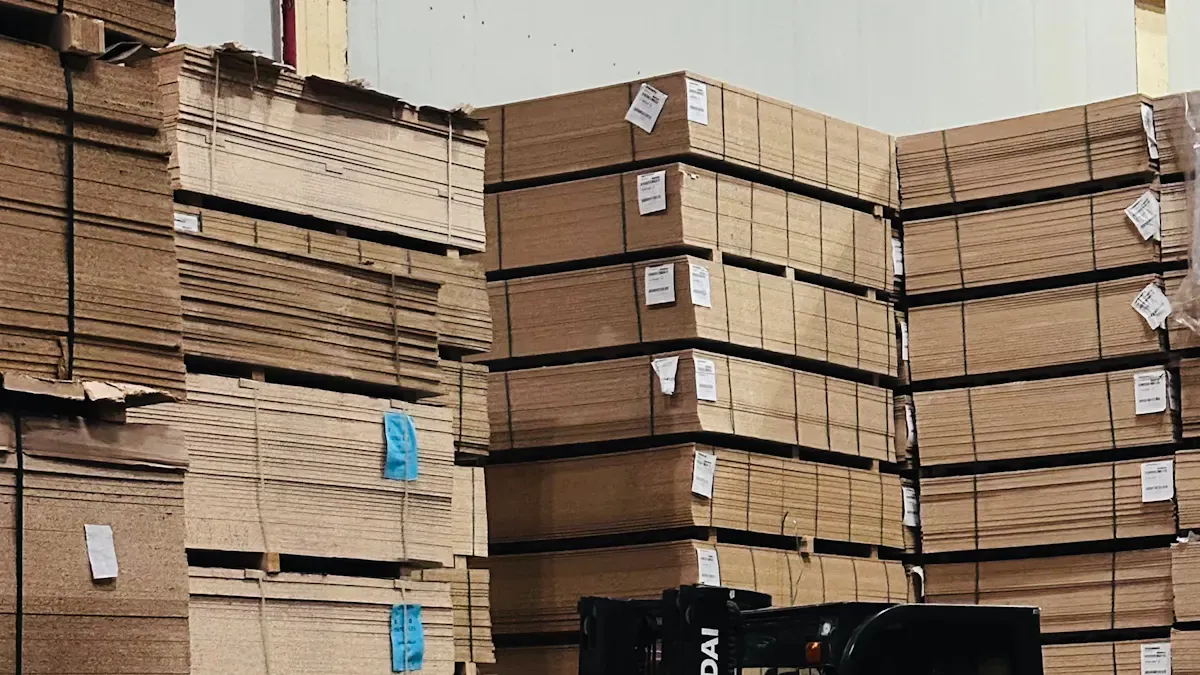
You face serious risks when you move heavy rolls by hand. Many injuries happen in workplaces that handle materials, and overexertion from lifting causes a large number of them.
- In 2023, there were about 145,000 injuries and 106 deaths linked to material handling in the U.S.
- Overexertion from lifting made up 27% of these injuries.
- Material-handling injuries account for almost two-thirds of the 3 million employee injury cases each year.
You can lower your risk with the right tools. A roll lifter like the Convenient trolley max handling 80-200KG reel drum with different grippers or a Portable Reel Lifter for lifting and rotating rolls gives you a safe way to move heavy items. Many workers report less pain and strain when they use these solutions.
Key Takeaways
- Using roll lifters significantly reduces the risk of injuries caused by manual lifting, protecting your muscles and joints.
- Roll lifters enhance workplace safety by minimizing slips, trips, and falls, allowing you to move heavy items without direct contact.
- Regular training on proper use of roll lifters ensures safe operation and helps prevent accidents in the workplace.
- Incorporating roll lifters into daily tasks boosts productivity, allowing workers to complete jobs faster and with less physical strain.
- Maintaining roll lifters through regular inspections keeps equipment reliable and safe, preventing potential injuries.
Common Injuries Prevented by Roll Lifters

Musculoskeletal Disorders
You face a high risk of musculoskeletal disorders when you move heavy rolls by hand. These injuries often happen because you lift, lower, or carry loads without help. Overexertion leads to strains, sprains, and pain in your muscles and joints. The table below shows the most common types of injuries linked to manual roll handling:
| Type of Injury | Description |
|---|---|
| Musculoskeletal disorders | Linked to manual handling tasks |
| Strains and sprains | Soft tissue injuries frequently reported |
| Back injuries | Significant risk due to overexertion |
| Shoulder injuries | Commonly affected area in manual handling |
| Knee injuries | Frequently impacted |
| Cuts and lacerations | Resulting from handling sharp objects |
| Ankle and foot injuries | Often occur during manual handling tasks |
When you use a roll lifter, you reduce the physical workload. Studies show that mechanical aids like roll lifters lower the frequency of lifting and handling goods by almost a quarter. You also decrease the strain on your back and knees, making your work safer.
Back and Shoulder Injuries
Manual roll handling puts your back and shoulders at risk. You may experience pain or injury from repeated movements and poor posture. The most frequent causes include:
- Rotator cuff degeneration from repeated push cycles
- Shoulder impingement syndrome due to forceful propulsion
- Poor biomechanics that increase strain
A roll lifter removes muscle stress and helps you keep a neutral spine. You avoid awkward positions and reduce fatigue. You also gain confidence because you handle loads safely, no matter your strength.
Hand and Finger Injuries
Hand and finger injuries often happen when you grip, lift, or move rolls by hand. Repetitive actions and forceful exertions can lead to musculoskeletal disorders and even surgeries. The table below highlights key findings:
| Key Findings | Description |
|---|---|
| Ergonomic Risks | Hand-intensive tasks pose significant risks |
| Musculoskeletal Disorders | Strenuous hand motions can cause injuries |
| Assessment System | Data-driven systems measure hand and finger risks |
| Biometric Assessment | Advanced scores provide detailed risk analysis |
| Machine Learning Models | Predict ergonomic metrics for new participants |
Roll lifters keep your hands away from pinch points. You do not need to touch heavy loads directly, which lowers your risk of injury.
Slips, Trips, and Falls
You face a real risk of slips, trips, and falls when you move heavy rolls by hand. Wet floors, cluttered walkways, and unstable loads can cause accidents. You may lose your balance or drop a reel, which can lead to serious injuries. Roll lifters like the Convenient Trolley Max help you avoid these hazards.
Tip: Always check your workspace for obstacles before you start moving reels. A clear path keeps you safe.
Roll lifters improve your safety in several ways:
- You keep a safe distance from heavy loads. The electric control system lets you operate the lifter without standing close to the reel.
- You avoid sudden movements. The trolley grips reels securely and moves them smoothly, so you do not need to rush or strain.
- You reduce the risk of dropping reels. The secure coregripper holds the reel tightly, even when you rotate or lift it.
- You maneuver reels with ease. The lightweight design and easy steering help you move reels in any direction without stumbling.
A roll lifter also helps you place reels on high shelves or machine axes without climbing or stretching. You do not need to use ladders or step stools, which lowers your risk of falling.
| Hazard | How Roll Lifters Help You Avoid It |
|---|---|
| Wet floors | Keep distance, operate remotely |
| Cluttered walkways | Maneuver easily, avoid obstacles |
| Unstable loads | Secure grip, prevent dropping |
| High placements | Lift and position safely, no climbing needed |
You protect yourself and your coworkers when you use a roll lifter. You create a safer workplace and reduce the chance of accidents. You also work faster and with more confidence.
How Roll Lifters Reduce Injury Risks
Eliminating Manual Lifting
You face fewer risks when you do not have to lift heavy rolls by hand. A roll lifter takes over the hard work, so you avoid straining your muscles or hurting your back. These machines use smart features to make lifting safe and easy.
Here is a table that shows how different features help you avoid manual lifting:
| Feature | Description |
|---|---|
| Hydraulic Systems | Lift heavy rolls with little effort from you. |
| Electric Motor | Power the lifting and moving, so you do not need to use your strength. |
| Powered Rotation | Turn rolls into the right position without lifting them yourself. |
| Core Gripping Mechanisms | Hold rolls tightly, so you do not have to touch or balance them. |
| Adjustable Forks/Clamps | Fit many roll sizes, keeping them secure during movement. |
| User-Friendly Control Panel | Let you raise or lower rolls with simple buttons. |
| Safety Features | Warn you about problems and stop accidents before they happen. |
You can move, lift, and rotate rolls with just a push of a button. This means you stay safe and avoid the dangers of lifting by hand.
Enhancing Ergonomics
You work better and safer when your tools fit your body. A roll lifter uses ergonomic designs to help you stay comfortable and avoid awkward movements. These machines follow important principles to protect your health.
- Human-centered design makes sure the lifter matches your needs. You do not have to stretch or bend in unsafe ways.
- Controls and adjustable parts stay within easy reach. You can change the height or position of the roll without extra effort.
- User-friendly interfaces help you understand and use the machine quickly. You make fewer mistakes and feel more confident.
- Customization options let you set the lifter for your size and the job you need to do.
Note: Ergonomic tools like roll lifters can reduce musculoskeletal disorders by up to 25%. You feel less tired and avoid pain at the end of your shift.
You can also adjust your workspace. Good lighting and keeping tools close by help you work faster and safer. When you use a roll lifter, you keep loads at the right height, which protects your back and shoulders.
Preventing Repetitive Strain
You often repeat the same motions when you move rolls by hand. This can cause pain and injuries over time. A roll lifter helps you avoid these problems by taking over the hard, repetitive tasks.
- Automated lifting and rotating mean you do not have to bend, twist, or reach again and again.
- The machine keeps rolls steady, so you do not have to grip or balance them for long periods.
- You can set the lifter to stop at the right height, which means you do not have to adjust the roll by hand.
Using a roll lifter reduces the number of times you repeat risky movements. You protect your muscles and joints, and you can focus on other parts of your job. This makes your workday safer and more comfortable.
Improving Stability and Control
You need stability and control when you move heavy rolls in your workplace. Without these, you risk accidents, dropped materials, and injuries. A roll lifter gives you the tools to handle rolls safely and confidently. You can trust the machine to keep your load steady, even when you move it across the floor or lift it to a higher shelf.
Many roll lifters use special features to improve stability and control. These features help you avoid slips, drops, and sudden movements. You do not have to worry about the roll shifting or falling while you work. The table below shows some important features and how they help you:
| Feature | Benefit |
|---|---|
| Cone-shaped attachment | Safely grasps the roll, providing stability. |
| Rubber-coated jaws | Offers secure support during transport. |
| Innovative lifting mechanism | Maintains paper quality and increases safety. |
You see that each part of the roll lifter works to keep your load safe. The cone-shaped attachment holds the roll in place, so it does not wobble or slip. Rubber-coated jaws grip the roll tightly, which means you can move it without fear of dropping it. The lifting mechanism lifts the roll smoothly, which protects both you and the material.
When you use a roll lifter, you also get better control over your movements. You can steer the trolley in any direction with little effort. The brakes let you stop and park the lifter exactly where you want. You can rotate the roll or set it down gently, which helps you avoid sudden jolts or impacts.
Tip: Always check that the gripping mechanism is secure before you start moving a roll. This simple step keeps your load stable and prevents accidents.
Stability and control matter for more than just safety. They also help you work faster and with less stress. You do not have to use extra force to balance the roll. You can focus on your task, knowing the machine supports you every step of the way.
Roll Lifter Features for Safety
Adjustable Height and Positioning
You need to adjust the height and position of heavy rolls to work safely. A good roll lifter lets you set the right height for every task. This feature helps you avoid bending or stretching, which can hurt your back or shoulders. Many roll lifters meet strict safety standards for adjustable height and positioning. These standards make sure you stay safe while you work.
| Requirement | Description |
|---|---|
| Inner Roll Stop | Stops the front wheels from moving past a set point when the lift is down. |
| Operating Instructions | Clear instructions and warnings near the controls and in the manual. |
| Vertical Deployment | Keeps the roll stop at the correct height during lifting and lowering. |
When you use a roll lifter with these features, you can lift and place rolls at the perfect height. This keeps your body in a safe position and lowers your risk of injury.
Secure Gripping Mechanisms
You want to keep rolls from slipping or falling while you move them. Secure gripping mechanisms hold each roll tightly by its core. These grips only let go when you choose to release them after placing the roll on a flat surface. Built-in safety controls stop the roll from dropping by accident. This design protects you from injuries and keeps your materials safe. You can trust the roll lifter to hold the load until you finish the job.
Easy Maneuverability
You need to move heavy rolls through tight spaces and around corners. Easy maneuverability makes this possible. Features like a three-position foot-operated brake system give you more control and stability. Swivel and directional caster locks help you steer the lifter safely. A single-mast design lets you see around the load, so you avoid obstacles. Mechanized precision keeps the roll steady as you move.
| Feature | Benefit |
|---|---|
| Three-position foot-operated brake | Better control and stability |
| Swivel/directional caster lock | Easier steering, fewer accidents |
| Single-mast design | Improved visibility for safer movement |
| Mechanized precision | Secure handling, less risk of drops or tipping |
Tip: Always check the brakes and steering before you start moving a roll. This simple step helps you avoid accidents and keeps your work area safe.
Safety Locking Systems
You need to trust your equipment when you move heavy rolls. Safety locking systems give you that confidence. These systems keep the roll lifter secure during operation. You avoid accidents because the lifter stays locked in place until you release it. The Protema Convenient Trolley Max uses advanced safety locking features to protect you and your coworkers.
How Safety Locking Systems Work:
- The lifter uses a safety belt to hold the reel drum tightly.
- An anti-falling mechanism prevents the roll from dropping unexpectedly.
- The emergency switch stops the machine instantly if you notice a problem.
- The locking system keeps the lifter stable when you park it or move it.
You control the locking system with simple buttons or foot pedals. You can lock the wheels, secure the gripper, and activate emergency stops. These features make your job safer and easier.
Tip: Always check the locking system before you start moving a roll. A quick inspection helps you avoid mistakes and keeps your workplace safe.
Benefits of Safety Locking Systems:
| Feature | How It Protects You |
|---|---|
| Safety belt | Stops the reel from slipping |
| Anti-falling mechanism | Prevents sudden drops |
| Emergency switch | Lets you stop the lifter instantly |
| Wheel locks | Keeps the trolley from rolling away |
You reduce the risk of injuries when you use these systems. You keep your hands and feet safe. You also protect the material from damage.
Checklist for Safe Operation:
- Inspect the locking system before each shift.
- Test the emergency switch.
- Make sure the safety belt is tight.
- Lock the wheels before lifting or lowering a roll.
- Release the locks only when you finish the task.
Safety locking systems help you work with confidence. You know the roll lifter will not move or drop the load unexpectedly. You create a safer environment for everyone in your workplace.
Injury Prevention Strategies with Roll Lifters
Training and Proper Use
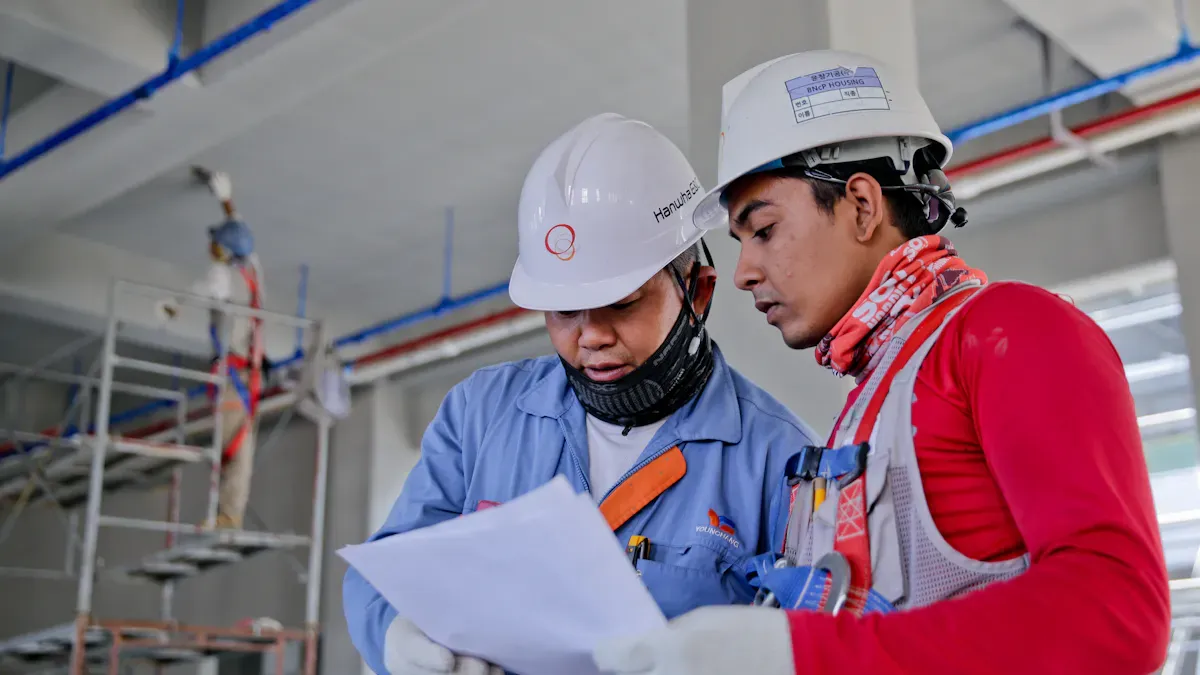
You protect yourself and your coworkers when you receive proper training. Safe lifting training teaches you how to handle heavy objects without injury. You learn important techniques that keep your body safe. Training covers body mechanics and posture. You discover how to use tools like dollies and hoists. You practice keeping a stable base, bending at your knees, and holding loads close to your body. These skills help you avoid strain and accidents. When you use a roll lifter, you must follow the instructions and safety guidelines. Training ensures you operate the equipment correctly and confidently.
Tip: Always ask questions during training sessions. Understanding each step helps you stay safe.
Integrating Roll Lifters into Workflow
You improve workplace safety when you integrate roll lifters into your daily routine. Workers experience less physical strain and complete tasks faster. Facilities report better health and safety metrics. The table below shows the benefits of using roll lifters in your workflow:
| Benefit | Description |
|---|---|
| Reduced Physical Strain | Workers feel less tired and avoid injuries. |
| Improved Productivity | Tasks finish quickly and safely, boosting efficiency. |
| Enhanced Safety Metrics | Companies see fewer compensation claims and better safety records. |
You make your workplace safer and more productive when you use roll lifters for heavy lifting.
Regular Maintenance and Inspection
You keep your equipment safe and reliable by performing regular maintenance. Inspect the roll lifter often to check for wear and tear. Clean the machine to prevent dust and debris from causing problems. Lubricate joints and pivots so everything moves smoothly. Adjust how often you maintain the lifter based on how much you use it and where you work. Follow the manufacturer’s guidelines and use genuine parts. Before each use, look over the equipment for any issues. These steps help you catch problems early and prevent accidents.
Note: A well-maintained roll lifter lasts longer and keeps you safe every day.
Benefits of Roll Lifters for Workers and Employers
Lower Injury Rates
You lower your risk of injury when you use a roll lifter in your workplace. Manual lifting often leads to muscle strains, sprains, and other injuries. These injuries can keep you away from work and cause pain. A roll lifter takes over the heavy lifting. You do not need to bend, twist, or reach in unsafe ways. This tool helps you avoid accidents and keeps you healthy. When you stay safe, you can focus on your job and feel more confident each day.
Higher Productivity
You finish your tasks faster when you use the right equipment. A roll lifter lets you move heavy reels with less effort. You do not waste time struggling with awkward loads. You can lift, rotate, and position reels with the push of a button. This means you get more done in less time. Your team works together better because everyone can use the lifter, no matter their strength. You also reduce downtime because fewer injuries mean fewer missed workdays.
Tip: When you use a roll lifter, you can handle more reels in a shift and keep your workflow smooth.
Reduced Compensation Costs
You help your company save money when you prevent injuries. Fewer injuries mean fewer workers’ compensation claims. Over time, companies see a big drop in costs after they start using roll lifters. Here are some results from a long-term study:
- The average cost per claim went down after roll lifters were introduced.
- The cost per full-time worker also dropped.
- These changes lasted for more than a decade in a large hospital.
You create a safer and more efficient workplace. You also help your employer invest in better tools and training instead of paying for injuries.
Improved Employee Morale
You feel happier and more confident when you work in a safe environment. Roll lifters, such as the Convenient Trolley Max, help you avoid injuries and make your job easier. You see that your employer cares about your well-being. This boosts your morale and makes you want to do your best.
Tip: When you use a roll lifter, you spend less time worrying about getting hurt. You focus on your tasks and enjoy your work more.
You notice that your team works better together. Everyone can use the roll lifter, no matter their strength or experience. You help each other and share the workload. This builds trust and respect among coworkers.
Here are some ways roll lifters improve morale:
- You feel less stress because you do not have to lift heavy rolls by hand.
- You gain confidence when you use safe and reliable equipment.
- You see fewer injuries, which means fewer missed workdays.
- You enjoy a positive atmosphere where safety comes first.
| Benefit | How It Helps You |
|---|---|
| Less stress | You worry less about injuries |
| More confidence | You trust your equipment |
| Better teamwork | You support each other |
| Positive attitude | You feel valued and respected |
You also notice that your employer invests in quality tools. This shows that your company values your health and safety. You feel proud to work in a place that puts people first.
😊 Happy workers are productive workers. When you feel safe and supported, you bring your best to the job every day.
You can make your workplace safer by using a roll lifter. This tool helps you avoid muscle strain, awkward postures, and repetitive movements. Many companies report fewer injuries and higher productivity after switching to mechanical lifting equipment.
- Workers feel less tired and enjoy their jobs more.
- Employers save money on injury costs and keep skilled staff.
OSHA recommends training and mechanical aids to prevent injuries. You protect yourself and your team when you choose safer tools.
FAQ

How does a roll lifter improve workplace safety?
You use a roll lifter to move heavy reels without lifting by hand. This tool keeps you safe from muscle strains and accidents. You avoid dropping rolls and hurting yourself.
Can anyone operate the Convenient Trolley Max?
Yes, you can operate the Convenient Trolley Max after basic training. The controls are simple. The one-button operation and clear panel make it easy for anyone to use.
What types of materials can I handle with a roll lifter?
You can handle reels, drums, sacks, cardboard boxes, wooden sheets, and sheet metal. The roll lifter adapts to many shapes and sizes. You stay safe while moving different materials.
How often should I inspect my roll lifter?
You should inspect your roll lifter before each use. Look for signs of wear or damage. Regular checks help you catch problems early and keep your equipment safe.
See Also
Simple Practices To Avoid Dumbwaiter Elevator Failures
Comparing Leading Hospital Bed Elevators For Safety And Efficiency
Evaluating The Advantages And Disadvantages Of Custom Cargo Lifts
Cost-Saving Insights About Pressure Plates You Should Know
Essential Safety Guidelines For Storing Nitric Acid Properly