Unlocking Durability How PVC Stabilizers Fortify Your Products
A PVC stabilizer is an essential additive in plastics manufacturing. It prevents thermal and environmental degradation during production and end-use. This protection fortifies products, enhancing their durability and ensuring consistent performance.
Stabilizers work by neutralizing harmful acids and shielding polymer chains. This action directly contributes to a longer product lifespan and superior quality for finished goods.
Key Takeaways
- PVC stabilizers protect products from heat and sunlight. This makes them last longer and work better.
- Stabilizers keep PVC strong and prevent it from breaking down. This helps products keep their shape and strength.
- Using stabilizers makes manufacturing easier and faster. They help PVC flow smoothly and reduce machine problems.
- Different types of stabilizers exist for different needs. Some are good for cost, some for clarity, and some for the environment.
What is a PVC Stabilizer and Why is it Essential?
A PVC stabilizer is a crucial additive that shields the polymer from damage. It provides essential protection against heat, light, and oxygen during both manufacturing and end-use. This defense mechanism is fundamental to creating reliable and long-lasting PVC products.
Preventing Thermal Degradation
High temperatures during processing can cause PVC to break down. This process releases destructive hydrochloric acid (HCl). Stabilizers immediately counteract this threat. For example, organotin compounds absorb and neutralize these acidic by-products. This chemical reaction prevents discoloration, brittleness, and a loss of structural strength. The stabilizer's action is vital for maintaining the material's integrity under heat.
Protecting Against Environmental Factors
PVC products often face harsh environmental conditions like sunlight and moisture. Stabilizers provide a robust shield against these elements. Different additives offer unique layers of defense:
- UV Absorbers (UVA): These compounds capture harmful ultraviolet rays. They convert the energy into harmless heat, protecting the product surface.
- Hindered Amine Light Stabilizers (HALS): HALS do not absorb UV light directly. Instead, they neutralize destructive free radicals that form during sun exposure, halting polymer breakdown.
- UV Blocking Pigments: Materials like Titanium Dioxide scatter and reflect UV radiation. This protects the product from sun damage, especially in white or colored applications.
Preserving Polymer Integrity
The primary goal of a stabilizer is to preserve the long molecular chains that form the PVC polymer. By neutralizing acids and deflecting UV radiation, these additives prevent the chains from breaking.
This protection is the key to durability. It ensures the final product maintains its intended mechanical properties, including flexibility, impact resistance, and overall strength, for its entire service life.
How Stabilizers Enhance Product Durability and Performance
Stabilizers are the key to unlocking the full potential of PVC. They transform a heat-sensitive polymer into a robust material ready for demanding applications. Their protective actions directly improve the final product's lifespan, strength, and appearance.
Boosting Thermal and Weather Resistance
PVC products must withstand extreme conditions. Outdoor applications face intense sunlight, temperature swings, and moisture. A high-quality PVC stabilizer provides the necessary defense against these environmental stressors. This protection is critical for long-term performance.
Key benefits include:
- Heat Shielding: Stabilizers absorb thermal energy during processing and in hot climates. This action prevents the polymer from breaking down.
- UV Protection: They block or deflect harmful UV radiation from the sun. This defense stops the material surface from cracking and fading.
- Weather Durability: Products maintain their integrity through rain, snow, and humidity, ensuring a longer service life.
Maintaining Mechanical Strength
A product's strength is its most important feature. Stabilizers preserve the core mechanical properties of PVC. They stop the degradation that weakens the polymer's molecular structure. This ensures the material remains tough and resilient.
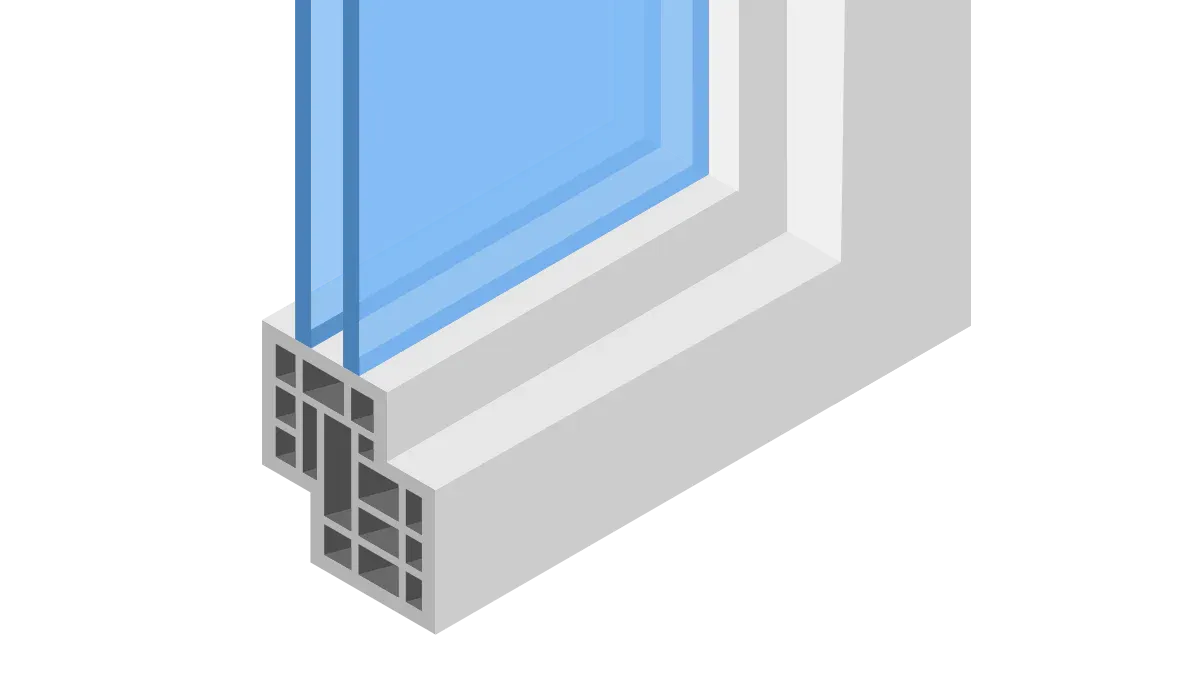
The stabilizer's role is to maintain the polymer chains that give PVC its strength. This protection guarantees that products like pipes, window frames, and cables can resist impacts, bending, and tension without failing.
By preserving these properties, stabilizers ensure that a product performs reliably from the first day to the last. The material retains its intended flexibility and impact resistance, delivering consistent and safe performance.
Ensuring Color Retention and Aesthetics
Appearance is crucial for consumer products. Degradation often causes PVC to yellow or discolor, making it look old and low-quality. Stabilizers are essential for maintaining a product's original color and finish. They neutralize the chemical reactions that cause discoloration.
| Problem | Stabilizer Solution |
|---|---|
| Yellowing | Neutralizes acids that cause color change. |
| Fading | Blocks UV rays that bleach pigments. |
| Surface Defects | Prevents residue buildup during manufacturing. |
For example, Liquid Barium Zinc stabilizers offer outstanding dispersibility. This feature ensures they mix evenly with the PVC resin, providing uniform protection and a flawless, consistent color. Their excellent resistance to plate-out also means no unwanted residues are left on equipment, guaranteeing a clean product surface and an efficient production process.
Optimizing Manufacturing with PVC Stabilizers
A high-quality PVC stabilizer does more than protect the final product; it streamlines the entire manufacturing process. These additives create a more stable and efficient production environment. This leads to higher quality output and reduced operational costs.
Ensuring Stability in High-Temperature Processing
PVC processing requires very high temperatures for melting and shaping. Without protection, the polymer would quickly degrade, releasing corrosive gas and turning into a charred, useless material. Stabilizers provide critical thermal stability during these demanding phases. They neutralize harmful by-products the moment they form. This action allows manufacturers to run equipment at optimal temperatures without risking material decomposition, ensuring a smooth and predictable operation.
Improving Melt Flow and Consistency
Stabilizers also function as internal lubricants, which is essential for achieving a uniform product. They improve the flow characteristics of the molten PVC. This enhancement ensures the material moves smoothly through extruders and molds.
Better melt flow delivers several key advantages:
- It reduces friction against machine surfaces.
- It prevents material from sticking or building up.
- It helps create a consistent product shape and thickness.
- It results in a smoother, defect-free surface finish.
This improved consistency is vital for producing high-quality pipes, profiles, and films that meet strict industry standards.
Increasing Production Throughput
A stable and consistent manufacturing process directly translates to higher productivity. When the polymer melt flows smoothly and does not degrade, machines can run faster and for longer periods.
By preventing material buildup and equipment corrosion, stabilizers reduce the need for frequent shutdowns and cleaning. This efficiency boost maximizes output, lowers energy consumption, and ultimately increases production throughput, making the entire operation more profitable.
Choosing the Right Stabilizer for Your Application
Selecting the correct stabilizer is crucial for meeting specific product requirements. Different stabilizers offer unique benefits in terms of cost, performance, and safety. Manufacturers must match the additive to the application to achieve optimal results.
Lead-Based Stabilizers for Cost-Effective Performance
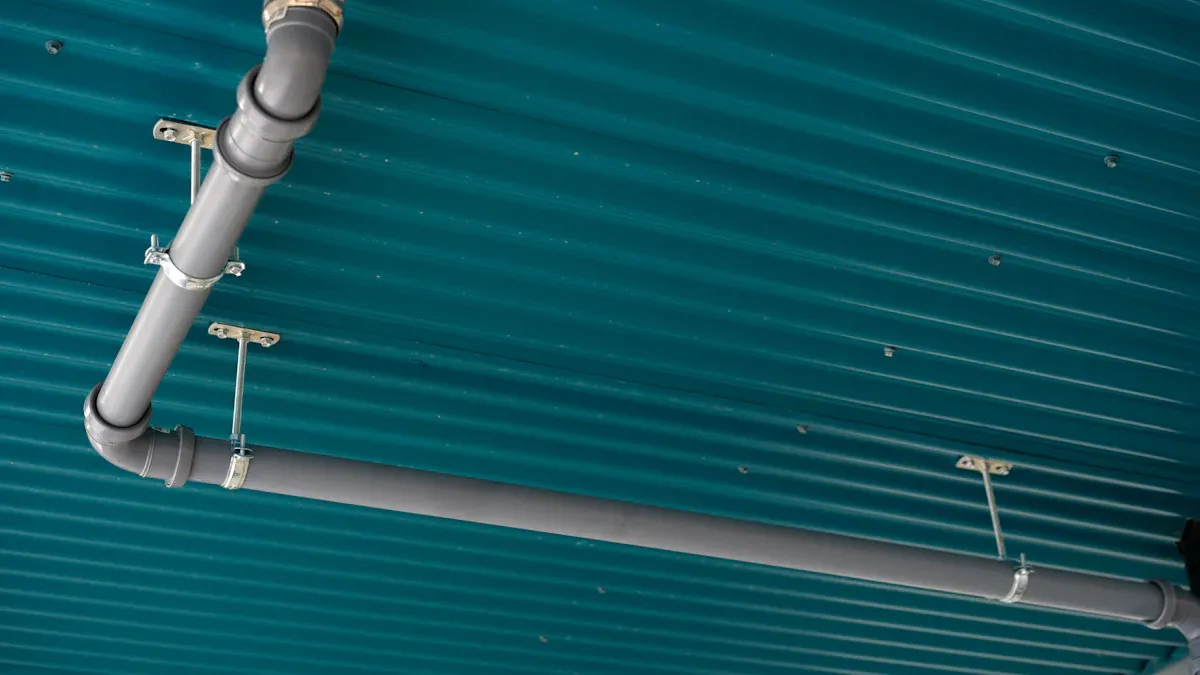
Lead-based stabilizers are a traditional choice known for their excellent performance-to-cost ratio. They provide outstanding long-term heat stability and superior electrical insulation properties. These characteristics make them ideal for manufacturing rigid and durable products. Common applications include PVC pipes, electrical wire insulation, and cable sheathing, where reliability and cost-effectiveness are top priorities. Their robust nature ensures products can withstand demanding service conditions over a long lifespan.
Mixed-Metal Stabilizers for Versatile Applications
Mixed-metal stabilizers, such as Barium-Zinc or Calcium-Zinc systems, offer a balanced and versatile solution. They are adaptable to a wide range of PVC applications, from flexible films to rigid profiles. These stabilizers provide good initial color and long-term heat stability. One of their most valuable features is excellent resistance to plate-out. This quality prevents residue from building up on processing equipment, leading to cleaner and more efficient production runs. Their great dispersibility also ensures a uniform blend and a high-quality final product.
Tin-Based Stabilizers for Clarity and Safety
Tin-based stabilizers are the premier choice for applications requiring exceptional transparency and safety. They deliver unmatched clarity, making them essential for producing crystal-clear PVC films, sheets, and bottles. Certain organotin compounds, like Monobutyltin oxide (MBTO), provide several key advantages:
- They create products with excellent transparency for high-clarity applications.
- They offer superior high-temperature color stability.
- They reduce equipment fouling, which shortens cleaning times.
For food-contact applications, tin or mixed metal stabilizers are the only heat stabilizers permitted by the most important national and international ruling bodies, such as the European Pharmacopeia and The Food and Drug Administration (FDA).
This approval underscores their status as a safe option for sensitive products like food packaging and medical tubing.
Organic-Based Stabilizers for Sustainable Solutions
Organic-based stabilizers (OBS) represent a modern approach to PVC formulation. These systems are gaining popularity due to growing environmental awareness and stricter regulations. They offer an effective, heavy-metal-free alternative to traditional stabilizers. This makes them a leading choice for manufacturers focused on sustainability and product safety. Their unique chemistry provides excellent performance without relying on lead or cadmium.
Organic-based systems are built on compounds like uracils or aminocrotonates. These materials provide robust heat stability and are often combined with other co-stabilizers, such as zinc soaps, to enhance their protective capabilities.
These stabilizers deliver a range of benefits that align with green manufacturing goals. They are particularly well-suited for applications where consumer safety and environmental impact are primary concerns.
Key advantages of organic-based stabilizers include:
- Eco-Friendly Profile: They are completely free of heavy metals, helping manufacturers meet stringent environmental standards like RoHS (Restriction of Hazardous Substances).
- Excellent Initial Color: OBS systems provide outstanding initial color and clarity, making them ideal for transparent or brightly colored products.
- Low Odor and Volatility: Products made with these stabilizers have minimal odor and low volatile organic compound (VOC) emissions, improving indoor air quality.
- Good Processing Performance: They offer good thermal stability during manufacturing, ensuring a smooth and efficient production cycle.
Manufacturers use organic-based stabilizers in a variety of sensitive applications. Common uses include flooring, wall coverings, automotive interiors, and consumer goods. Their combination of performance, safety, and sustainability makes them an essential tool for creating next-generation PVC products.
A PVC stabilizer is an indispensable component for creating durable, high-performance products. These additives provide critical protection against degradation. They directly contribute to superior quality and a longer product lifespan.
Adopting the right stabilizer streamlines manufacturing. It improves efficiency and ensures consistent, high-quality output. This choice fortifies products by maintaining their aesthetic appeal and preserving mechanical integrity for reliable, long-term performance.
FAQ
What happens if PVC is processed without a stabilizer?
PVC degrades rapidly without a stabilizer. High temperatures cause it to release corrosive acid. The material discolors, becomes brittle, and loses its structural integrity. This makes the final product completely unusable for any application.
Can a stabilizer affect the final product's color?
Yes, stabilizers are essential for color control. They prevent yellowing and fading caused by heat and UV light. The right stabilizer choice ensures the product maintains its intended color and appearance throughout its service life.
How do stabilizers improve the manufacturing process?
Stabilizers enhance production efficiency. They improve the PVC's melt flow for smoother processing. This action prevents material buildup on equipment, reduces downtime, and allows for faster, more consistent manufacturing cycles.
Tip: A stabilizer with good dispersibility, like a Liquid Barium Zinc type, mixes evenly. This ensures uniform protection and a flawless, consistent product finish.
Are there environmentally friendly PVC stabilizers?
Yes, sustainable options are available. Organic-based stabilizers (OBS) represent a modern, eco-friendly choice. These systems are completely free of heavy metals. They provide excellent performance while helping manufacturers meet strict environmental and safety standards.
See Also
Fortifying Your Home: Doors and Hinges Resilient Against Wildfires and Floods
Unpacking Plate Pack Benefits: A Comprehensive Cost Analysis for 2025
The Indispensable Role of Automatic UV Coaters in High-Speed Printing Today
US Tariffs' Impact: Reshaping the Residential Hinges Market Outlook for 2025
A Novice's Handbook: Frame Plate Kits for Enhanced Auto Reinforcement