How the Latest Premade Bag Packing Machines Simplify Food Packaging
Food manufacturers demand solutions that deliver speed, safety, and cost control. The latest premade bag packing machine, such as the Soontrue Servo Pouch Packing Machine Doypack Packaging, transforms packaging lines by automating critical tasks.
- A factory can double or triple its output compared to manual filling, while maintaining consistent weight and seal quality.
- Contactless sealing and minimized human contact reduce contamination risks, which is vital in ready-to-eat and dairy sectors.
Smart sensors, automated changeovers, and energy-efficient designs further support operational efficiency and sustainability.
| Model | Packing Speed (B/M) |
|---|---|
| D-160 and D-180 | 5-55 |
| D-210 and D-260 | 5-45 |
| D-320 and D-350 | 5-35 |
| D-450 | 5-30 |
Manufacturers benefit from reliable, flexible machines that address today’s packaging challenges.
Premade Bag Packing Machine: What It Is and How It Works
Definition and Core Functions
A premade bag packing machine operates as a specialized packaging solution in the food industry. This equipment uses premade pouches instead of forming bags from flat film. Manufacturers choose this technology when they require packaging with high-end graphics, reclosable zippers, spouts, or unique shapes. These features are more easily achieved with premade pouches than with traditional form-fill-seal systems. The core functions of a premade bag packing machine include bag loading, opening, filling, sealing, and discharging. Advanced models, such as the Soontrue Servo Pouch Packing Machine Doypack Packaging, also offer automated detection systems and user-friendly interfaces. These features help operators maintain consistent quality and reduce the risk of errors during production.
Note: The use of premade pouches allows brands to enhance product presentation and improve consumer convenience.
Types of Food and Products Handled
Premade bag packing machines handle a wide variety of food products and packaging formats. Their flexibility makes them suitable for many applications in the food and pet industries. Common examples include:
- Stand-up pouches for coffee, pet food, and snacks
- Zipper pouches for frozen fruits or cereals
- Spout bags for liquids like sauces or soups
- Coffee powder and ground coffee in bags, sachets, or stand-up pouches
- Frozen foods such as dumplings, buns, vegetables, seafood, and meat
Manufacturers rely on these machines to package both dry and wet products efficiently. The ability to accommodate different bag types and sizes supports diverse production requirements. As a result, the premade bag packing machine has become an essential tool for modern food packaging operations.
The Packaging Process with a Premade Bag Packing Machine
Bag Loading and Preparation
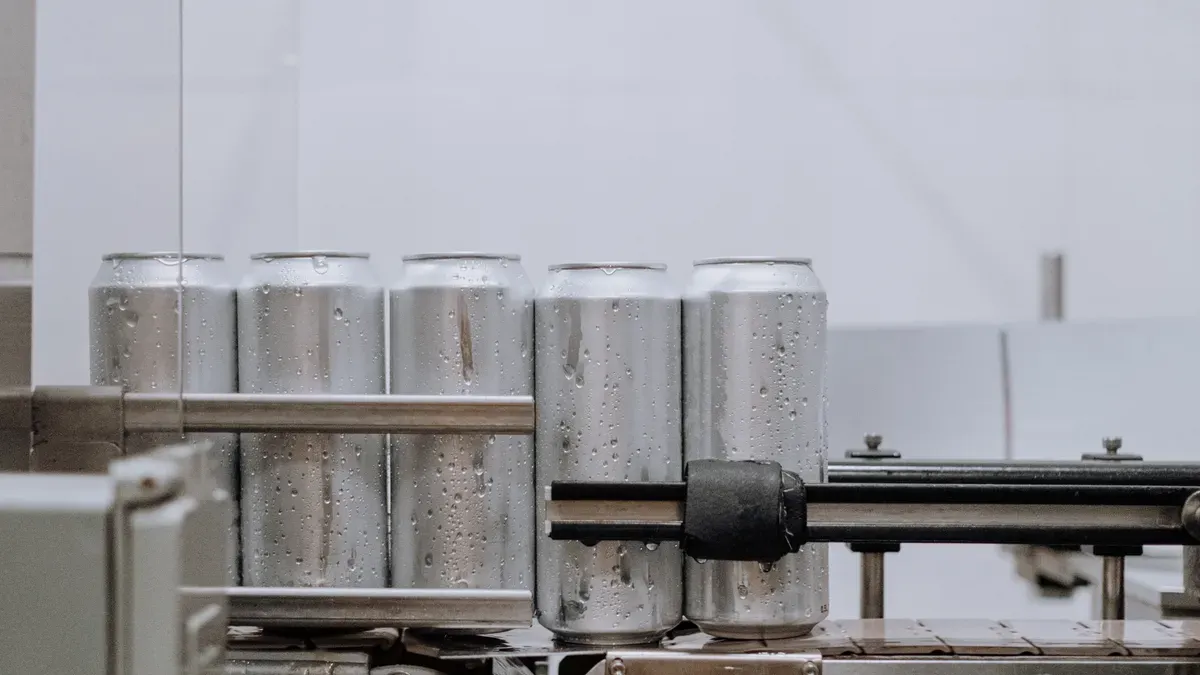
The packaging process begins with bag loading and preparation. Operators place stacks of premade pouches into the machine’s magazine. A mechanical arm or suction head retrieves each pouch and positions it for the next step. The machine uses air jets to open the pouch, while sensors verify that the bag is present and ready for filling. This automated sequence ensures that each pouch is handled with precision and reduces the risk of errors.
| Step | Description |
|---|---|
| Pouch feeding from magazine | Stacks of premade pouches are loaded and picked by a suction head or mechanical arm. |
| Pouch opening and verification | Air jets open the pouch, and sensors confirm readiness. |
Tip: Automated detection systems help prevent wasted materials by ensuring only properly opened bags proceed to filling.
Product Filling and Dispensing
Once the pouch is open, the machine moves to the filling stage. The product is measured and dispensed into the pouch using advanced weighing systems or auger/pump mechanisms. The filling system adapts to different product types, such as powders, granules, or pieces. The machine gently settles the product to ensure even distribution and prepares the pouch for sealing. This step maintains product consistency and supports high-speed operation.
- The machine opens the pouch using air or vacuum.
- The product is dispensed accurately into the pouch.
- The pouch is gently shaken or settled to ensure proper filling.
Sealing, Quality Control, and Discharge
After filling, the premade bag packing machine transitions to sealing and quality control. The machine removes dust and excess air from the seal area, which helps create a strong, airtight closure. Heated seal bars apply pressure to seal the pouch, and a cooling station strengthens the seal. Sensors monitor each step to ensure quality and safety. The finished pouch is then discharged, ready for downstream processes or shipping.
| Station | Description | Importance |
|---|---|---|
| Dust Cleaning / Deflation | Removes dust and air for a clean seal area | Ensures seal integrity |
| Heat Sealing | Applies heat and pressure to close the pouch | Protects product freshness |
| Seal Cooling and Discharge | Cools the seal and releases the finished pouch | Prepares pouch for handling and shipping |
Note: Real-time monitoring and automated controls help maintain consistent quality and reduce the risk of faulty packaging.
Key Benefits of Using a Premade Bag Packing Machine

Boosting Efficiency and Productivity
Food manufacturers face constant pressure to increase output while maintaining quality. A premade bag packing machine addresses this challenge by automating repetitive tasks and reducing manual intervention. Modern machines, such as those used in leading factories, can fill and seal up to 150 pouches per minute. This high-speed operation allows companies to meet large orders quickly and consistently.
The following table highlights how these machines compare to traditional packaging methods:
| Aspect | Premade Bag Packing Machines | Traditional Methods |
|---|---|---|
| Throughput | Higher | Slower |
| Labor Requirements | Lower | Higher |
| Efficiency | More efficient | Less efficient |
| Accuracy | High | Prone to human error |
| Cost-effectiveness | More cost-effective long-term | Higher due to labor and waste |
| Versatility | More versatile | Limited |
| Safety | Safer for workers | Higher risk of injury |
Manufacturers benefit from quick, automated operation, which reduces operator input and speeds up the packing process. The machines support a wide range of bag styles and sizes, making them suitable for bakery goods, frozen foods, snacks, and even non-food items. Precision sealing and user-friendly controls further enhance productivity. Durable construction ensures minimal downtime, so companies can maintain high output without sacrificing quality.
Tip: Companies that switch from manual to automated systems often see an 800% increase in speed and significant annual labor savings.
Ensuring Product Safety and Hygiene
Product safety and hygiene remain top priorities in the food industry. A premade bag packing machine helps manufacturers meet strict regulatory requirements and maintain high standards. Machines constructed from food-grade stainless steel prevent contamination and support easy cleaning. Features such as vacuum packaging remove air from the pouch, extending shelf life and preventing freezer burn.
The table below outlines key safety and hygiene features:
| Feature | Benefit |
|---|---|
| Food-grade stainless steel | Prevents contamination and supports hygiene standards |
| Tamper-evident packaging | Restricts spillages and unauthorized opening |
| Vacuum sealing | Extends shelf life and maintains product freshness |
| Automated quality control | Detects anomalies and ensures consistent packaging quality |
Manufacturers also benefit from automated systems that apply batch codes and expiration dates directly onto bags. This supports traceability and compliance with food safety regulations. Digital data-logging features store production records, which are essential for audits and quality assurance. By minimizing human touchpoints, these machines reduce the risk of contamination and costly recalls.
Note: Machines that meet FDA, GMP, and ISO standards help companies maintain compliance and protect their brand reputation.
Reducing Packaging Waste
Sustainability has become a critical concern for food manufacturers. A premade bag packing machine supports waste reduction by optimizing material usage and minimizing errors. Automated systems ensure precise dosing and consistent sealing, which reduces the amount of wasted packaging material.
- Manufacturers using these machines have achieved a 38% reduction in packaging waste compared to traditional rigid-container systems.
- The lightweight design of premade pouches lowers transportation emissions by up to 18%.
- Machines can handle recyclable and eco-friendly materials, aligning with sustainability goals.
- Accurate web control and precise dosing further minimize waste and enhance efficiency.
Callout: Efficient design and the use of biodegradable materials help reduce non-recyclable waste and lower the carbon footprint of packaging operations.
By adopting these advanced machines, companies not only reduce their environmental impact but also improve their bottom line through lower material costs and streamlined operations.
Achieving Cost Savings and ROI
Food manufacturers constantly seek ways to reduce costs and maximize return on investment. The adoption of advanced packaging technology plays a crucial role in achieving these goals. The latest machines, such as the Soontrue Servo Pouch Packing Machine Doypack Packaging, deliver measurable financial benefits across several areas.
Lower Labor Costs
Automated packaging systems reduce the need for manual labor. Operators can oversee multiple machines at once, which decreases staffing requirements. Companies save on wages, training, and employee-related expenses. Over time, these savings add up and improve profitability.
Minimized Material Waste
Precision engineering ensures that each bag receives the correct amount of product and sealing material. This accuracy reduces overfilling and prevents wasted packaging. Manufacturers spend less on raw materials and avoid the costs associated with product giveaway.
Reduced Downtime and Maintenance Expenses
Modern machines feature robust construction and self-diagnostic systems. These features help operators identify and resolve issues quickly. Less downtime means more production hours and fewer emergency repairs. Scheduled maintenance becomes easier, which extends equipment life and lowers long-term costs.
Energy Efficiency
Newer models use energy-saving components and smart controls. These features lower electricity consumption during operation. Companies benefit from reduced utility bills and a smaller environmental footprint.
Fast Changeovers and Versatility
The ability to switch between different bag types and sizes without lengthy adjustments increases operational flexibility. Manufacturers can respond quickly to market demands and run multiple product lines on the same equipment. This versatility reduces the need for additional machines and capital investment.
Tip: Investing in a high-quality packaging machine often pays for itself within one to three years, depending on production volume and labor costs.
The table below highlights the main areas where companies achieve cost savings:
| Cost Area | How Savings Are Achieved |
|---|---|
| Labor | Fewer operators needed, less training required |
| Materials | Accurate dosing, less waste, fewer rejects |
| Maintenance | Fewer breakdowns, easier scheduled service |
| Energy | Lower power usage, efficient operation |
| Capital Investment | One machine handles multiple bag types/sizes |
A premade bag packing machine provides a clear path to improved ROI. Companies that invest in this technology see faster production, lower costs, and greater flexibility. These advantages help businesses remain competitive in a challenging market.
Addressing User Concerns About Premade Bag Packing Machines
Setup, Operation, and Training
Manufacturers often express concerns about the initial setup and daily operation of premade bag packing machines. Common issues include machine stoppages, pouch opening failures, inaccurate filling, and poor seal quality. These challenges usually stem from incorrect settings, insufficient operator training, or lack of preventive maintenance. The table below summarizes typical user concerns and practical solutions:
| User Concern | Symptoms/Issues | Solutions |
|---|---|---|
| Frequent stoppages | Alarm overload, manual intervention | Correct settings, operator training |
| Pouch opening problems | Pouches not opening, product spillage | Adjust vacuum, timing, pouch quality |
| Inaccurate filling | Inconsistent weights, spills | Optimize filling speed, integration |
| Poor seal quality | Weak seals, leakage | Adjust sealing parameters, clean seal area |
| Zipper malfunction | Zippers not closing, complaints | Align zippers, adjust pressure |
| Limited flexibility | Long changeovers, reduced efficiency | Use modular design, tool-less adjustments |
Tip: Comprehensive operator training and clear setup instructions help reduce stoppages and improve efficiency.
Maintenance and Reliability
Reliability remains a top priority for food manufacturers. Preventive maintenance programs enhance machine uptime and extend equipment life. Operators should perform daily checks on belts, seals, and pneumatic systems. Motors require scheduled maintenance every three to six months. Regular lubrication prevents bearing wear, while cleaning routines reduce product buildup. A structured maintenance plan includes:
- Adhere to a preventive maintenance schedule with inspections and lubrication.
- Assign simple maintenance tasks to operators for early issue detection.
- Partner with responsive OEMs for quick support.
- Keep high-wear spare parts in stock.
- Plan for upgrades to minimize downtime.
Note: Consistent maintenance practices ensure reliable operation and reduce unexpected downtime.
Flexibility for Different Bag Types and Sizes
Premade bag packing machines offer significant versatility. They handle a range of bag types, including gusseted bags, zipper bags, and stand-up pouches. Advanced models feature automated size detection, allowing the machine to adjust filling mechanisms based on bag dimensions. This flexibility supports high production demands and reduces changeover times. However, technical factors such as forming systems and control design determine compatibility with specific bag formats.
- Machines accommodate stand-up pouches, flat bags, and zipper bags.
- Automated adjustments increase efficiency and reduce labor costs.
- Quick changeovers support multiple product lines with minimal downtime.
Callout: Flexible packaging solutions help manufacturers respond quickly to market trends and customer preferences.
Food manufacturers gain significant advantages by adopting premade bag packing machines. These systems deliver economic, functional, and adaptive benefits, as shown below:
| Advantage Type | Description |
|---|---|
| Economic Superiority | Pouches offer cost-effective packaging for diverse products. |
| Functional Superiority | Machines boost efficiency in filling and sealing for fast-moving goods. |
| Adaptability | Equipment adapts to recyclable materials, meeting market trends. |
Modern machines enhance productivity, ensure product safety, and reduce costs through automation and precise dosing. Industry leaders recommend upgrading to advanced solutions like the Soontrue Servo Pouch Packing Machine Doypack Packaging for reliable, flexible, and sustainable food packaging.
FAQ
How does the Soontrue Servo Pouch Packing Machine handle different bag sizes?
Operators select bag size settings on the touchscreen interface. The machine automatically adjusts filling and sealing mechanisms. This process ensures accurate packaging for various pouch dimensions. Flexible design supports quick changeovers between products.
What types of products can the machine package?
The machine packages snacks, chips, popcorn, dried fruits, cookies, candies, nuts, and pet food. It handles granular, strip, sheet, block, ball-shaped, and powdered items. Manufacturers use it for both dry and moist foods.
Is operator training required for efficient use?
Operator training ensures efficient machine use. Soontrue provides clear instructions and user-friendly controls. Most operators learn basic functions quickly. Advanced settings require additional guidance for optimal performance.
Tip: Regular training updates improve productivity and reduce errors.
How does the machine maintain product safety and hygiene?
The machine uses food-grade stainless steel and automated detection systems. It minimizes human contact with products. Real-time monitoring prevents contamination and ensures consistent quality. Cleaning routines keep the equipment sanitary.
See Also
Innovative Folder Gluer Technologies Shaping 2025 Carton Production
Enhancing Pharmaceutical Efficiency With Advanced Capsule Decapsulation Machines
Cost Benefits And Features Of Plate Packs In 2025
Essential Capsule Checkweighers To Evaluate For 2025 Purchases
Three Must-Have Industrial Checkweighers For Food Processing Facilities