How a Pine Nut Sorter Guarantees Premium Quality Nuts
A pine nuts sorting machine guarantees premium quality by using advanced imaging and AI. This technology identifies and removes defects like discoloration, foreign material, and shape irregularities with high precision. The automated process involves three core steps: feeding, identification, and ejection.
The global pine nuts market was valued at over USD 3.3 billion in 2024 and is projected to reach USD 4.63 billion by 2029, reflecting the rising demand for high-quality products.
The Step-by-Step Sorting Process
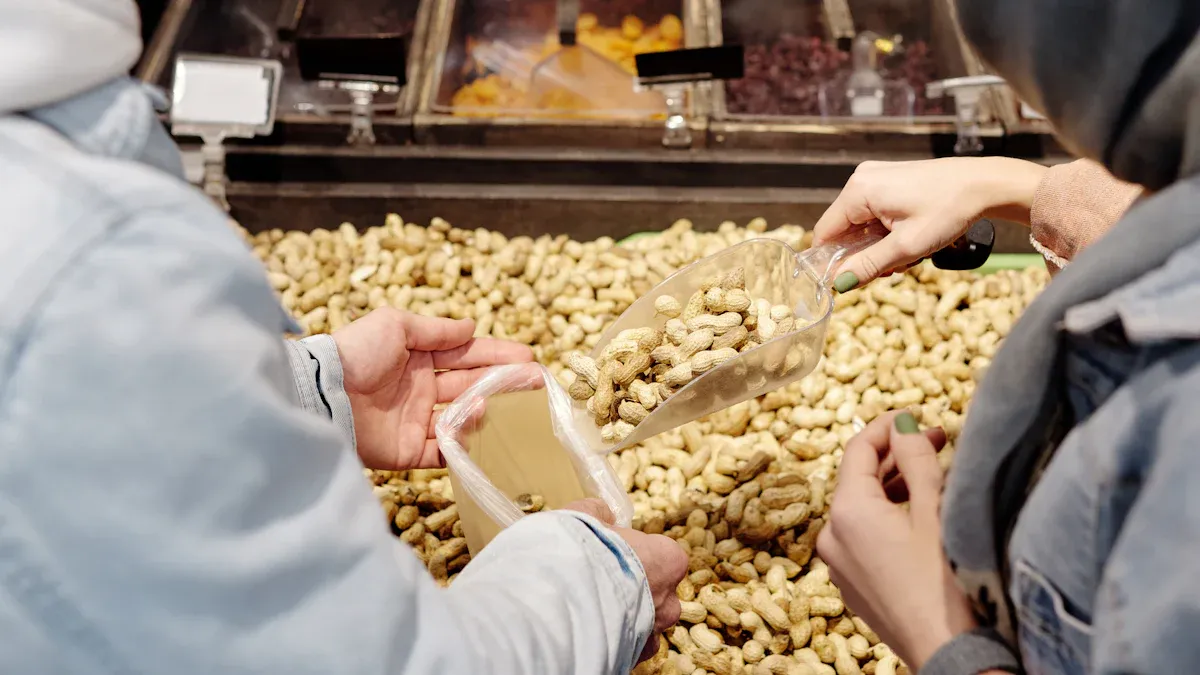
The automated sorting process transforms a bulk batch of raw pine nuts into a premium-grade product. This journey involves a sequence of meticulously engineered steps, each designed to maximize accuracy and efficiency. A modern pine nuts sorting machine executes this process flawlessly from start to finish.
Consistent Feeding for Accurate Inspection
The sorting process begins with the consistent feeding of pine nuts into the machine. A vibratory feeder or conveyor belt transports the nuts in a single, uniform layer. This step is critical. It prevents nuts from clumping together or overlapping, ensuring each nut is individually presented to the inspection system. Proper separation allows the cameras to capture a clear, unobstructed view of every single nut.
The capacity of these machines varies, allowing processors to choose a system that matches their production needs.
| Machine Type | Capacity (kg/h) |
|---|---|
| Drum Grading Machine | 1000 |
| Color Sorting Machine | 1000 |
| Five Stage Grader | 600-800 |
High-Resolution Imaging and AI Identification
Once fed into the inspection zone, the pine nuts pass under an array of high-resolution cameras. These are not ordinary cameras; they are specialized sensors that see far more than the human eye. Different camera technologies work together to capture a complete profile of each nut.
| Camera Type | Description | Application in Nut Sorting |
|---|---|---|
| CMOS | Detects visible light defects. | Identifies surface-level issues like discoloration, spots, and shape irregularities. |
| InGaAs | Senses light in the Near-Infrared (NIR) and Short-Wave Infrared (SWIR) spectrum. | Detects defects forming under the skin, such as mold or rot, that are invisible to the naked eye. |
| Hyperspectral | Records hundreds of spectral channels to identify materials by their chemical composition. | Provides a highly accurate depiction of color and can distinguish nuts from foreign materials like shells or stones. |
This visual data feeds directly into the machine's brain: its Artificial Intelligence (AI) software. The AI analyzes the images in real-time, comparing each nut against a pre-defined quality standard. It can identify defects as small as 0.04 mm², making it incredibly precise. The system uses this deep learning capability to differentiate between acceptable variations and true defects, such as:
- Discolored or mildewed nuts
- Broken or misshapen kernels
- Foreign materials (e.g., shells, stones, glass)
Precision Ejection of Defective Nuts
Immediately after identification, the machine takes action. When the AI flags a nut or foreign object as a defect, it calculates its exact position and trajectory. As the defective item continues along the conveyor, it passes a bank of high-speed air jets or pneumatic ejectors.
Note: These ejectors use a targeted puff of compressed air to precisely knock the single defective nut out of the main product stream and into a rejection chute.
This ejection mechanism is incredibly fast and accurate. It targets only the rejected items, which minimizes the accidental loss of good-quality nuts. This efficiency ensures a high yield of premium product while effectively removing all unwanted material.
Collection of Premium-Quality Output
The process concludes with two separate collection points. The rejected nuts and foreign materials fall into one container for disposal or reprocessing. The stream of accepted, premium-quality pine nuts continues uninterrupted to a separate collection bin. This final output consists of clean, uniform, and defect-free nuts, ready for packaging and distribution. The result is a consistently high-grade product that meets the strictest quality standards of the global market.
What Defines a High-Performance Pine Nuts Sorting Machine?
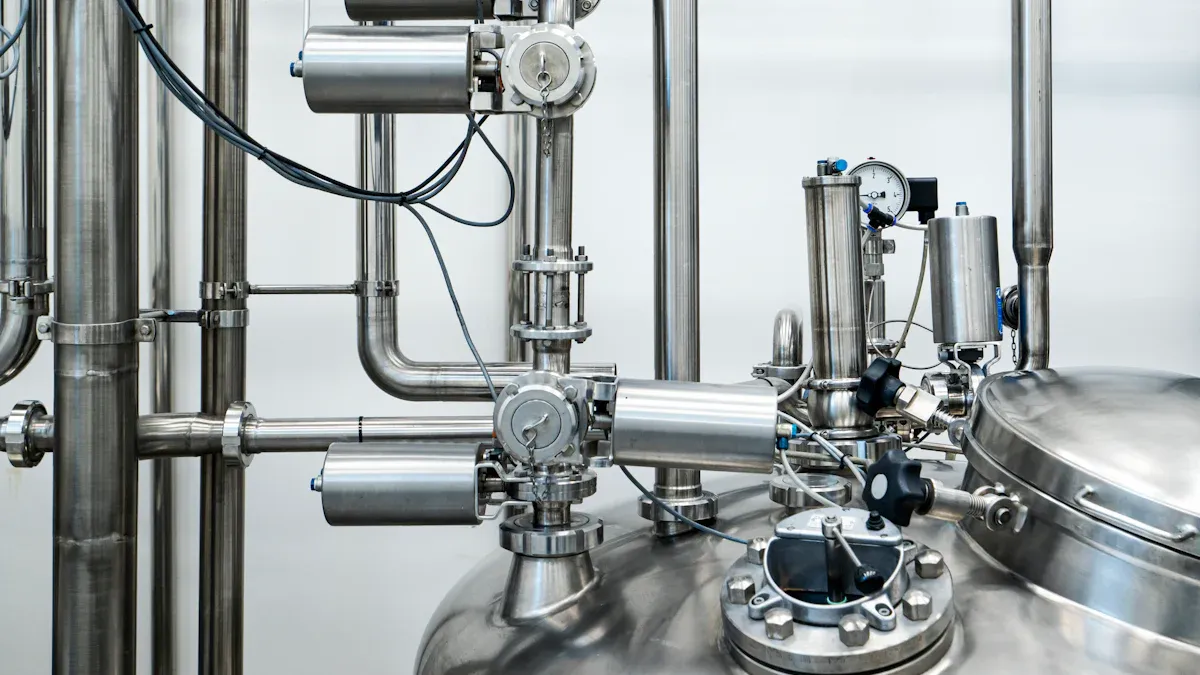
Not all sorters are created equal. A high-performance pine nuts sorting machine stands apart by delivering exceptional results across several key metrics. These machines combine advanced technology with robust engineering to ensure processors achieve the highest possible quality and yield. Four core characteristics define a top-tier system: accuracy, efficiency, gentle handling, and operational stability.
High Sorting Accuracy
Accuracy is the cornerstone of automated sorting. A high-performance machine must correctly identify and eject nearly all defects and foreign materials. Modern sorters achieve this with remarkable precision. Innovations like CCD imaging and real-time calibration have pushed sorting accuracy to over 98% for many nut types. Some specialized machines can even reach an accuracy of 99.9%, ensuring the final product is virtually free of imperfections. This level of precision allows producers to meet strict international quality standards consistently. The machine's ability to detect subtle color variations, internal decay, and tiny foreign objects is what separates a premium product from a standard one.
Low Good-Nut Rejection Rate
While removing defects is crucial, it is equally important to avoid discarding perfectly good nuts. This is measured by the good-nut rejection rate, or "carryover." A superior pine nuts sorting machine minimizes this loss.
Advanced optical sorters achieve a low rejection rate by using variety-specific profiles. These profiles store precise parameters for acceptable color, size, and defect tolerances, allowing the machine to make highly accurate distinctions.
For example, systems like the SORTEX F BioVision use 4-in-1 camera technology to precisely identify foreign materials like shells and membranes. This advanced detection removes unwanted items without compromising the yield of good nuts. By fine-tuning its sorting criteria, the machine ensures that only true defects are ejected, maximizing the processor's final output and profitability.
Gentle Product Handling
Pine nuts are delicate and can easily break or bruise during processing. A high-performance machine is designed to handle them gently from start to finish. Engineers incorporate specific features to minimize impact and friction, preserving the integrity of each kernel.
Key design elements for gentle handling include:
- Vibrating Mechanisms: Many systems use vibration to elevate and move nuts. This method is much gentler than mechanical conveyors and avoids breakage.
- Frequency Conversion Technology: This feature allows operators to control the machine's speed. Adjusting the speed for different batches helps optimize the process and prevents damage caused by excessive force.
- Wide Screen Surfaces: A wider screen design enhances separation efficiency. It also prevents kernels from falling back into other processing stages, which reduces the risk of crushing.
- Circulation Systems: Some machines re-process unseparated nuts through a gentle circulation system. This improves the shelling rate and significantly reduces kernel damage, leading to a higher whole-kernel yield.
Stable and Continuous Operation
A premium pine nuts sorting machine must operate reliably for long periods with minimal downtime. Stability is achieved through robust construction and a comprehensive maintenance plan. Regular upkeep ensures the machine's sensors, ejectors, and software perform optimally day after day.
A typical maintenance schedule involves several key tasks:
- Daily: Operators should clean the camera glass and remove any dust or material buildup from the machine's components.
- Weekly: Technicians inspect and clean the hoppers, chutes, and conveyor systems to prevent material adhesion, which is common with oily nuts like pine nuts.
- Monthly: A more thorough inspection includes cleaning internal optics with approved materials, checking for loose wiring, and assessing wear on parts like brushes and belts.
Tip: For optimal performance, the machine should run on a stable power supply, often supported by a voltage stabilizer. Additionally, using a cold dryer with the air compressor guarantees a dry air source for the ejectors, preventing moisture-related issues.
A pine nuts sorting machine ensures a premium final product through its precise, automated system. By combining AI-powered identification with targeted defect removal, it delivers consistent, high-grade pine nuts that meet strict quality standards. This investment typically yields a return in one to three years, driven by several key factors:
- Reduced manual labor costs
- Decreased product waste for a higher yield
- Lower customer rejection rates
- Potential for premium pricing
Processors can conduct a detailed cost-benefit analysis with their operational data to accurately determine the ROI for their business.
FAQ
Can a pine nut sorter handle different nut sizes?
Yes. High-performance sorters use adjustable settings and AI profiles. This technology allows the machine to accurately process various pine nut sizes and varieties for consistent quality across batches.
How fast can a pine nut sorter operate?
The capacity varies by model. Some color sorters can process up to 1,000 kg of pine nuts per hour. This high throughput helps processors meet large-scale production demands efficiently.
What is the main technology behind the sorting process?
The core technology combines high-resolution cameras and AI software. The cameras capture detailed images, while the AI analyzes them to identify and command the ejection of defective nuts instantly.
See Also
Identifying High-Quality Bovine Gelatin Powder: Essential Indicators to Recognize
Capsule Sorters: Key to Efficient Defect Elimination in Manufacturing
Essential Industrial Checkweighers: Three Must-Haves for Every Food Facility
Selecting the Ideal A1 A2 Milk Test Kit for Dairy Operations
Ensuring Safety: Best Practices for Storing Nitric Acid Securely