How Much Is a Heat Exchanger and Why Prices Vary
Many homeowners and businesses ask how much is a heat exchanger. Prices often range from $1,000 to $5,000. Several factors influence cost, including type, installation method, and build quality. Understanding these elements helps buyers select the most efficient solution for their heating needs.
How Much Is a Heat Exchanger? Price Ranges and Key Factors
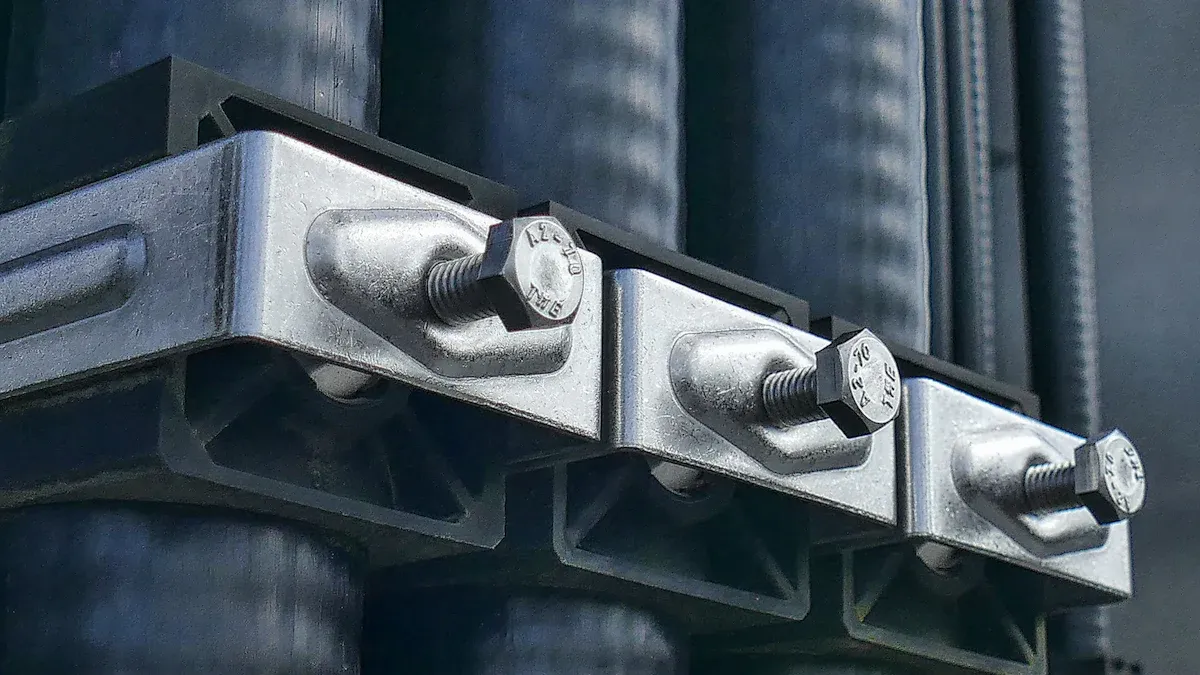
Residential Heat Exchanger Costs
Homeowners often ask how much is a heat exchanger for residential use. Prices usually fall between $1,000 and $2,500. The cost depends on the size of the home and the type of heating system. Most residential heat exchangers serve furnaces, boilers, or HVAC units. Smaller homes need less powerful units, which lowers the price. Larger homes require more robust systems, increasing the cost. Many homeowners choose mid-range models for a balance of efficiency and affordability.
Tip: Request quotes from several local contractors to compare residential heat exchanger costs.
Commercial and Specialty Heat Exchanger Prices
Businesses and facilities face higher costs when considering how much is a heat exchanger for commercial use. Prices range from $2,500 to $5,000 or more. Specialty heat exchangers, such as those used in manufacturing or chemical processing, can cost upwards of $10,000. Commercial units must handle greater capacity and more demanding environments. These systems often require custom designs and advanced materials, which drive up the price.
| Type | Typical Price Range |
|---|---|
| Small Commercial | $2,500 - $5,000 |
| Large Industrial | $5,000 - $10,000+ |
| Specialty Systems | $10,000+ |
Type and Size of Heat Exchanger
The type and size of the unit play a major role in determining how much is a heat exchanger. Common types include plate, shell-and-tube, and air-to-air models. Plate heat exchangers suit compact spaces and offer efficient heat transfer. Shell-and-tube units work well for larger applications and industrial settings. Air-to-air models fit HVAC systems and ventilation needs. Larger units cost more due to increased material and manufacturing requirements.
- Plate: Compact, efficient, lower cost
- Shell-and-tube: Durable, higher capacity, moderate to high cost
- Air-to-air: Good for ventilation, moderate cost
Material and Build Quality
Material selection affects both performance and price. Stainless steel, copper, and aluminum are popular choices. Stainless steel resists corrosion and lasts longer, but costs more. Copper offers excellent heat transfer but can be expensive. Aluminum provides a lightweight option at a lower price. High build quality ensures reliability and safety, which justifies a higher investment.
Note: Investing in better materials can reduce maintenance costs over time.
Labor, Installation, and Location
Installation costs vary based on labor rates and site conditions. Urban areas with higher labor costs increase the total price. Complex installations, such as retrofitting older systems, require more time and expertise. Accessibility also matters; units placed in hard-to-reach locations cost more to install. Local regulations and permit fees may add to the overall expense.
- Urban installation: Higher labor rates
- Rural installation: Lower labor rates
- Complex retrofit: Increased time and cost
Brand, Warranty, and Availability
Brand reputation influences how much is a heat exchanger. Well-known brands often charge more due to proven reliability and better support. Warranty coverage adds value by protecting against defects and failures. Availability affects pricing; units in high demand or with limited supply may cost more. Buyers should consider long-term support and warranty terms when comparing options.
Alert: Always check warranty details before purchasing a heat exchanger.
Replacement vs. Repair: How Much Is a Heat Exchanger Worth Fixing?
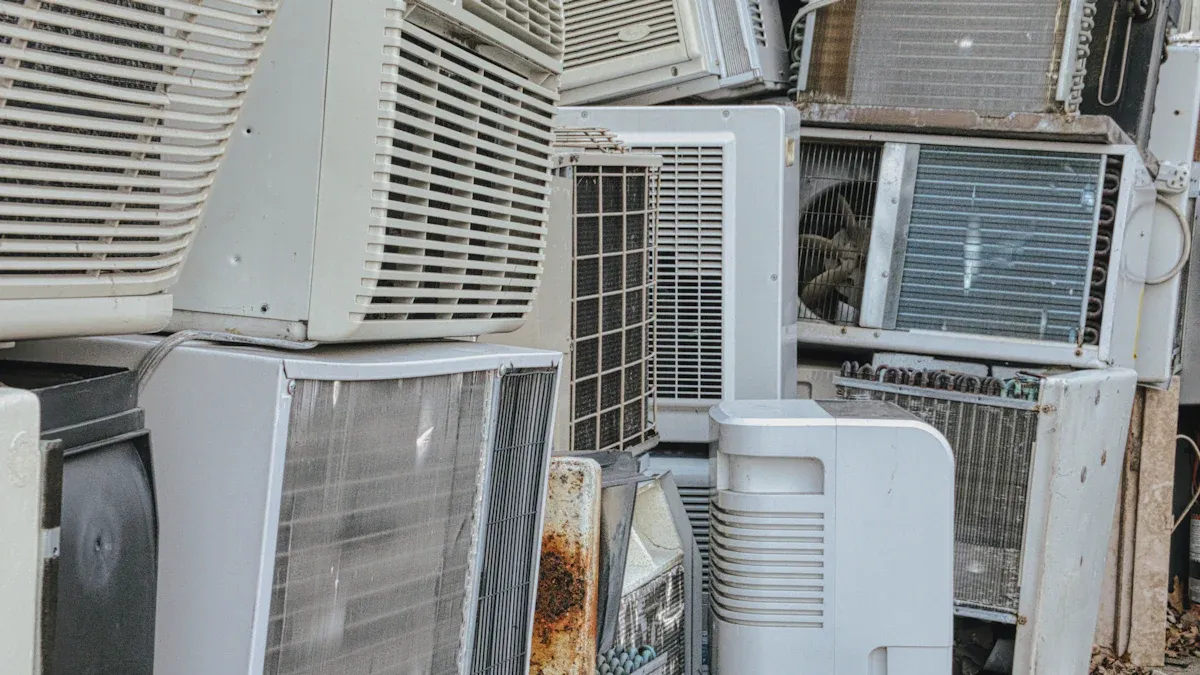
When to Repair or Replace a Heat Exchanger
Technicians often inspect heat exchangers for cracks, corrosion, or leaks. If the damage is minor, repair may restore performance and extend the unit’s life. Severe damage, such as large cracks or extensive corrosion, usually means replacement is necessary. Age also matters. Units older than ten years often lose efficiency and reliability. Owners should compare repair costs to replacement expenses. If repair costs exceed half the price of a new unit, replacement offers better value.
Tip: Schedule regular inspections to catch problems early and avoid costly breakdowns.
Tips for Saving Money on Heat Exchanger Costs
Many owners want to know how much is a heat exchanger before making decisions. Saving money starts with routine maintenance. Clean filters and coils help prevent damage. Shop around for parts and labor. Request quotes from multiple contractors. Some manufacturers offer rebates or seasonal discounts. Consider energy-efficient models, which lower utility bills over time.
- Maintain the system regularly
- Compare contractor quotes
- Look for rebates and discounts
- Choose energy-efficient options
Getting the Best Value for Your Investment
Selecting the right heat exchanger involves more than price. Owners should review warranty terms and support services. Reliable brands often provide longer warranties and better customer service. Investing in quality materials reduces future repair costs. Proper installation ensures safe and efficient operation. Owners who research options and consult professionals make smarter choices.
| Factor | Benefit |
|---|---|
| Warranty | Lower risk, protection |
| Quality Material | Fewer repairs |
| Professional Install | Safe, efficient |
Note: A well-chosen heat exchanger delivers comfort, savings, and peace of mind for years.
Heat exchanger prices range from $1,000 to $5,000. Several factors impact the final cost. Buyers should compare models, request multiple quotes, and review both upfront and long-term expenses.
- Evaluate repair versus replacement
- Seek ways to save
Smart choices deliver reliable performance and lasting value.
FAQ
How long does a heat exchanger typically last?
Most heat exchangers last 10 to 20 years. Regular maintenance extends lifespan.
Tip: Schedule annual inspections to prevent early failure.
What signs indicate a failing heat exchanger?
Common signs include reduced heating efficiency, strange noises, or visible cracks.
| Symptom | Possible Cause |
|---|---|
| Low heat output | Internal damage |
| Odd sounds | Metal fatigue |
Can a homeowner install a heat exchanger without professional help?
Professional installation ensures safety and efficiency. Most manufacturers recommend certified technicians for installation.
Alert: Improper installation may void the warranty.
See Also
Innovative Materials Transforming Heat Exchanger Industry Today
Simplifying Heat Exchanger Processes With AHRI 400/401 Standards
Evaluating Shell Versus Plate Heat Exchangers Performance 2025
Understanding Advantages of Commercial Heat Exchangers 2025
Comprehensive Guide to Functionality of Plate Heat Exchangers