How HTPB Improves Waterproofing and Protects Your Family

You want a home that stays dry and safe in any weather. How HTPB Improves Waterproofing, Thermal Insulation and Crack Resistance in Roofing & Flooring Materials stands out for its strong water resistance.
- HTPB offers better hydrophobicity than traditional options.
- It bridges cracks and forms a durable shield.
How HTPB Improves Waterproofing means you can trust your roof to protect your family from leaks, mold, and damage.
Key Takeaways
- HTPB creates a seamless water barrier that effectively prevents leaks and keeps your home dry.
- This material remains flexible in extreme temperatures, ensuring it adapts to weather changes without cracking.
- Using HTPB reduces the risk of mold growth, promoting a healthier living environment for your family.
How HTPB Improves Waterproofing
Seamless Water Barriers
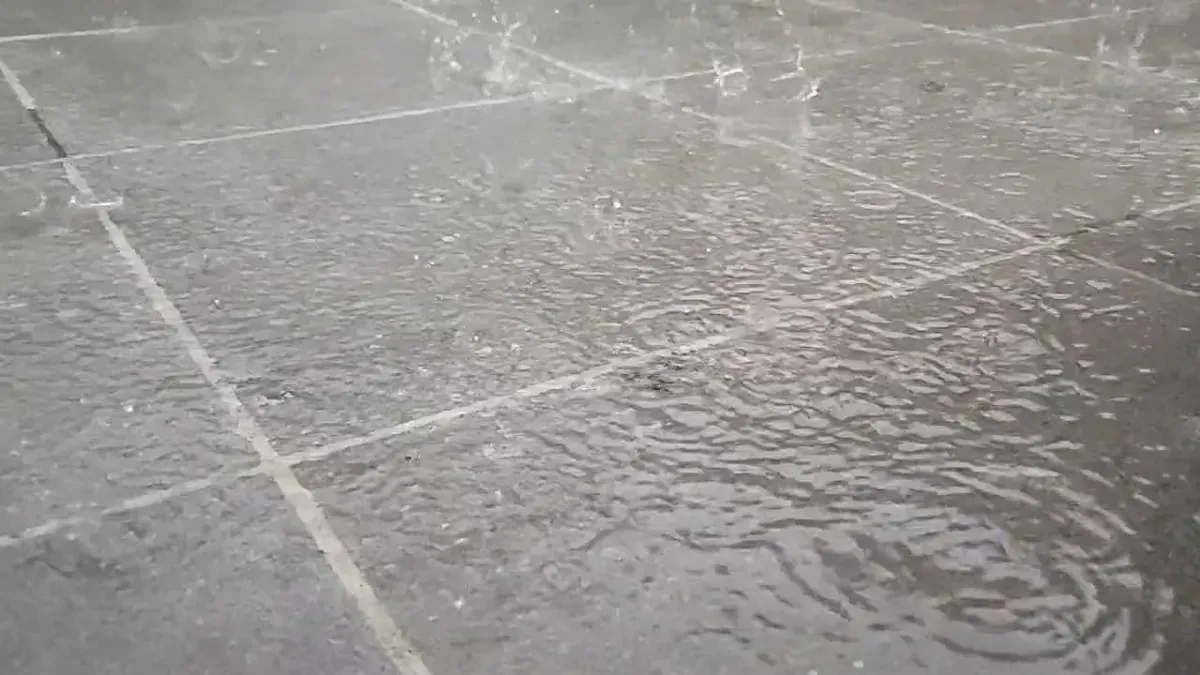
You want your roof to keep water out, no matter how hard it rains. HTPB creates a seamless water barrier that covers every inch of your roof. This barrier stops water from finding weak spots or cracks. When you use HTPB, you get a strong shield that keeps your home dry.
Let’s compare HTPB with other common roofing materials:
| Property | HTPB | Bitumen/Acrylic |
|---|---|---|
| Hydrophobicity | Yes | No |
| Moisture Permeability | Low | High |
| Adhesion | Excellent | Moderate |
| Flexibility | High | Low |
| Lifespan | Longer | Shorter |
| Resistance to Cracking | Yes | No |
This table shows how HTPB stands out. It has high hydrophobicity, low moisture permeability, and excellent adhesion. These features help you understand how HTPB improves waterproofing better than traditional materials. You can trust this seamless barrier to protect your home from leaks.
Flexibility in All Weather
Weather changes fast. Your roof needs to handle hot summers and freezing winters. HTPB stays flexible in all weather. It does not crack or break when temperatures drop or rise. This flexibility means your roof can move with the building and still keep water out.
- HTPB works well from -40°C to 60°C, so you do not have to worry about extreme temperatures.
- Even at −50°C, HTPB stretches up to 785.2% before breaking and has a tensile strength of 76.7 MPa. This means it stays strong and flexible in cold weather.
When you choose HTPB, you get a roof that adapts to any season. This is another way how HTPB improves waterproofing and keeps your family safe.
Long-Lasting Durability
You want a roof that lasts for years. HTPB gives you long-lasting durability. Its flexibility helps it resist damage from weather and movement. The material does not break down when exposed to water, acids, or bases. This makes it perfect for roofs that face harsh conditions.
| Environmental Factor | Description |
|---|---|
| Chemical Resistance | HTPB does not break down easily when exposed to acids, bases, or water. |
| Flexibility | HTPB-based adhesives maintain strong bonds in various weather conditions. |
| Performance Under Weather | They resist weather, chemicals, and temperature changes, ensuring durability. |
| Mechanical Properties | HTPB-based adhesives provide excellent mechanical properties for construction. |
| Durability | Known for their durability, crucial for long-lasting construction applications. |
- HTPB’s flexibility is key for waterproof coatings and membranes. It helps your roof last longer.
- The material’s hydrolytic stability and low-temperature flexibility keep it working well over time.
- HTPB processes as a liquid, so it covers every part of your roof before curing into a solid, waterproof layer.
When you look at how HTPB improves waterproofing, you see that it offers protection that lasts. You get peace of mind knowing your roof will stand strong for years.
Real-Life Protection for Your Family

Preventing Leaks and Water Damage
You want your home to stay dry during every season. How HTPB Improves Waterproofing by creating a strong, seamless layer that blocks water from entering your house. This barrier covers every corner and edge, so rain cannot find a way inside. You do not have to worry about puddles on your floor or stains on your ceiling. When you use HTPB, you protect your belongings and keep your living space comfortable.
Tip: Check your roof after heavy rain. If you see no leaks, you know your waterproofing works well.
Reducing Mold and Health Risks
Mold grows when water gets inside your home. Mold can cause breathing problems and allergies. How HTPB Improves Waterproofing by stopping water from seeping in, so mold does not have a chance to grow. You keep the air in your home clean and safe for your family. Children and older adults are especially sensitive to mold, so this protection matters.
- Less water means less mold.
- Less mold means better health for everyone.
Safeguarding Structural Integrity
Water can damage the structure of your house. It can weaken wood, rust metal, and crack concrete. HTPB forms a tough shield that keeps these materials strong. You avoid costly repairs and keep your home safe for years. When you choose HTPB, you invest in the long-term strength of your house.
| Problem | HTPB Solution |
|---|---|
| Wood Rot | Blocks moisture |
| Rust | Prevents water entry |
| Cracked Walls | Seals gaps |
Additional Benefits of HTPB Roofing
Longevity and Weather Resistance
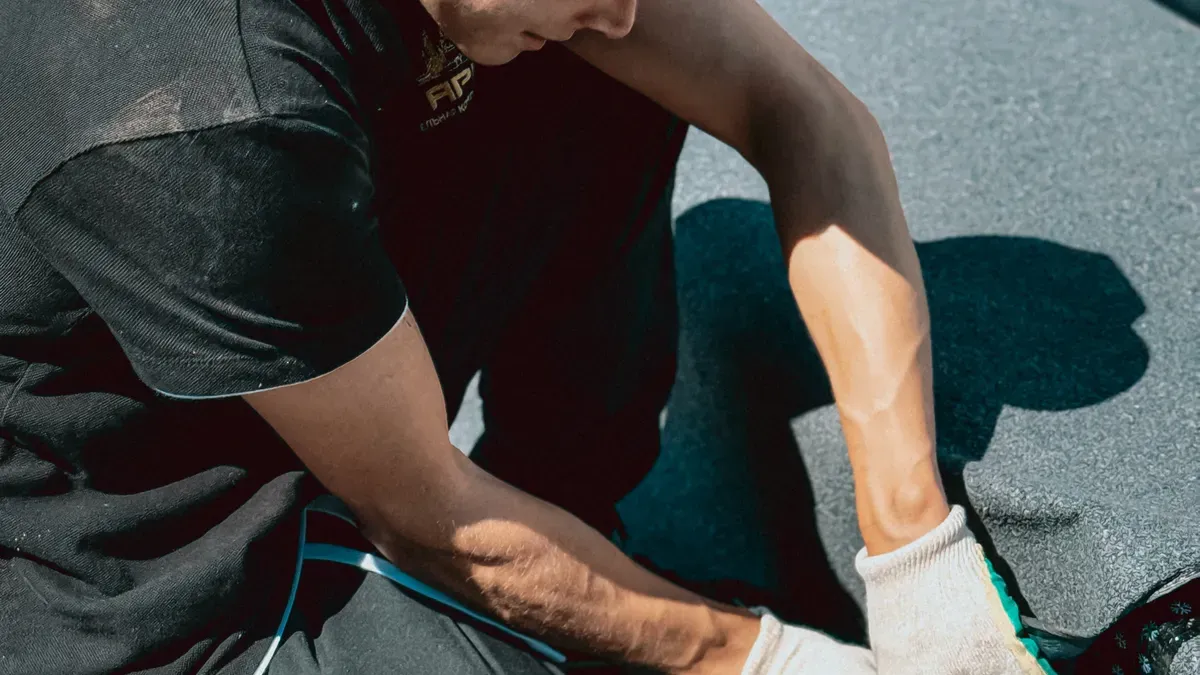
You want a roof that stands strong year after year. HTPB roofing gives you that confidence. This material shows excellent mechanical properties and high flexibility. It resists harsh weather, so you do not have to worry about storms or extreme temperatures. HTPB stays flexible even in freezing cold. It also resists chemicals and UV rays. You can trust it to protect your home in any climate.
- HTPB remains flexible at low temperatures.
- It resists environmental factors like rain, snow, and sun.
- You see HTPB used in aerospace and construction because it performs well in tough conditions.
Cost-Effectiveness for Homeowners
HTPB roofing helps you save money over time. Its durability means you do not need frequent repairs or replacements. You spend less on maintenance because the roof keeps water out and stays strong. HTPB’s hydrophobic nature lowers the risk of water damage, which means fewer costly problems.
| Property | Contribution to Sustainability |
|---|---|
| Durability | Enhances longevity of materials, reducing the need for replacements |
| Hydrophobic Nature | Minimizes water absorption, leading to lower maintenance needs |
| Stability | Ensures performance under environmental stress, reducing waste |
| Recycling Technologies | Advances in recycling make HTPB more eco-friendly |
| Bio-based Variants | Aligns with sustainability goals by using renewable resources |
Comfort and Peace of Mind
You want your family to feel safe and comfortable at home. HTPB roofing systems offer weather resistance and UV protection. They also allow your roof to move with your house, so cracks do not form. This keeps your home dry and comfortable. You spend less time worrying about leaks or repairs. Your family enjoys a secure and healthy living space every day.
You keep your home dry and secure when you choose HTPB roofing. This material forms a strong water barrier and sticks well to building materials. You worry less about leaks, mold, or repairs.
| Key Takeaway | Description |
|---|---|
| Effective Water Barrier | HTPB elastomers serve as effective water barrier layers in building envelopes and civil infrastructure rehabilitation. |
| Waterproofing Applications | They can be used in waterproofing and membrane systems to prevent water ingress at foundations, roofs, and below-grade structures. |
| Adhesion to Materials | HTPB sticks well to common construction materials, maintaining barrier integrity even with building settlement or temperature changes. |
You make a smart investment in your family’s comfort and safety.
FAQ
What makes HTPB better for waterproofing than regular materials?
You get stronger water resistance with HTPB. It forms a seamless barrier. You see fewer leaks and less damage compared to traditional roofing.
Can HTPB handle extreme weather conditions?
You can trust HTPB in hot or cold weather. It stays flexible and strong. Your roof will not crack or break when temperatures change.
Is HTPB safe for my family and the environment?
You use HTPB with confidence. It resists mold and chemicals. You help protect your family’s health and support eco-friendly building practices.
See Also
Fortifying Your Entryways Against Floods and Wildfires
Innovations in Heat Exchanger Manufacturing Boost Industry Efficiency
Key Facts About WT20 Electrodes for Superior TIG Welding
Silicone Sealant: The Essential Adhesive for Contemporary Homes
Reducing Environmental Impact Through Plate Heat Exchanger Solutions