How Fish Bone X-Ray Machines Ensure Seafood Safety
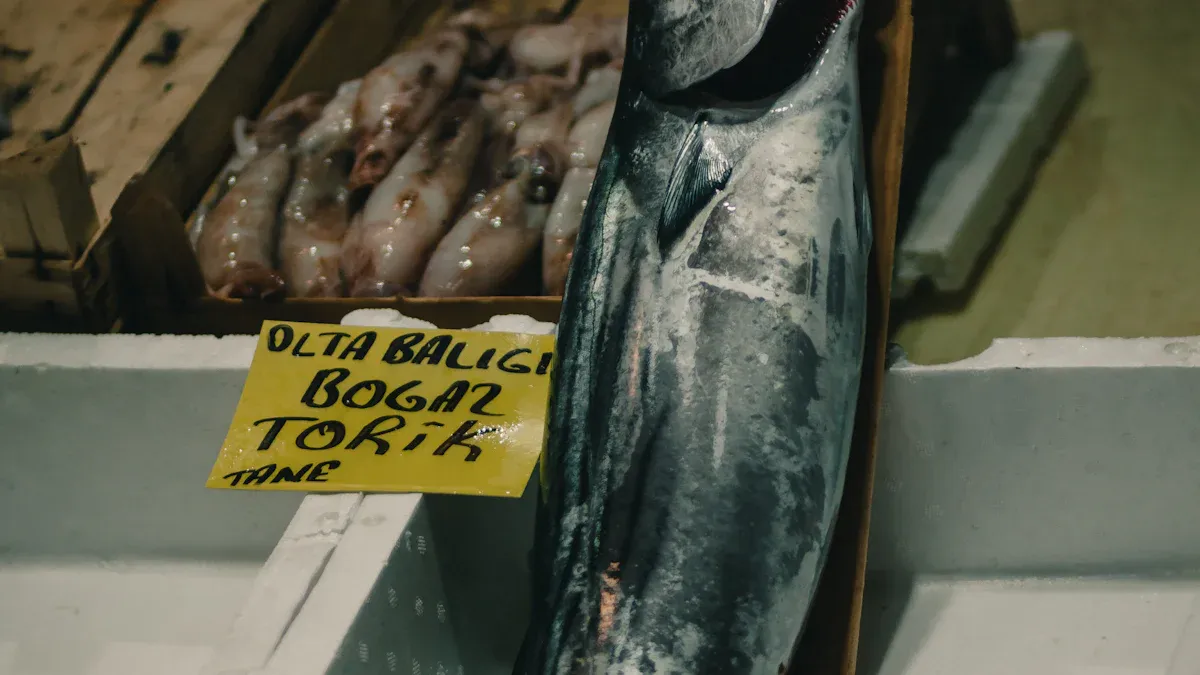
A fish bone x ray machine plays a vital role in protecting consumers from hidden dangers in seafood. Sharp bones and foreign objects can cause serious injuries, making safety a top concern for seafood processors. Food safety experts recognize that traditional inspection methods often miss small bones or contaminants. X-ray technology now helps processors find these risks quickly and accurately, changing how seafood reaches the market.
Seafood Safety Challenges
Risks of Bone and Contaminant Presence
Seafood often contains hidden dangers that threaten consumer safety. Fish bones remain one of the most common causes of food-related injuries. Hospitals report that fish bones account for 9 to 45% of foreign body ingestion cases in adults. About 1% of these cases lead to complications such as mucosal injuries or even perforation, with up to 63% of complications linked to fish bones. These numbers show the real risks that come with eating fish products.
Contaminants in seafood also pose serious health threats. Some of the most common types include chemical and biological hazards. The table below highlights these contaminants:
Contaminant Type | Examples |
|---|---|
Chemical Contaminants | Plastic additives (phthalates, bisphenols) |
Legacy contaminants (PCBs, pesticides, mercury) | |
Emerging contaminants (personal care products, industrial chemicals) | |
Biological Contaminants | Marine toxins from small organisms (diatoms, dinoflagellates) |
Long-term exposure to heavy metals such as mercury, arsenic, cadmium, and lead can cause cancer, neurological disorders, and cognitive problems. Children face even greater risks, including developmental issues and congenital malformations. These facts highlight the need for strict food safety measures in the seafood industry.
Limits of Manual Inspection
Manual inspection has served as a traditional method for detecting bones and contaminants in seafood. However, this approach has several limitations:
Inspectors can only find contaminants visible to the human eye.
Manual inspection works at slower speeds than modern detection systems.
Handling contaminated products increases safety risks for workers.
Human error and fatigue reduce the effectiveness of inspections.
Many contaminants remain invisible, making them impossible to detect without advanced technology.
The table below summarizes key limitations:
Limitation | Explanation |
|---|---|
Human error | Inspectors may miss contaminants due to variability in judgment and attention. |
Fatigue | Prolonged inspection can lead to decreased effectiveness and increased likelihood of mistakes. |
Inability to detect invisible contaminants | Many contaminants are not visible to the naked eye, making them undetectable through manual methods. |
A fish bone x ray machine helps overcome these challenges by providing reliable detection of bones and other hazards. This technology supports food safety and protects consumers from hidden threats in fish products.
Fish Bone X-Ray Machine Technology
How X-Ray Machines Work
Fish bone x ray machines use advanced x-ray inspection technology to keep seafood safe. These machines scan fish products in real time. They send high-energy beams through the seafood. The beams capture images based on density differences. Bones, metal, glass, plastic, and shells have different densities than fish meat. The machine analyzes these variations to spot hidden objects. Even in frozen fish blocks, the system can find bones and other contaminants. This process helps remove hazards before seafood reaches consumers.
Tip: X-ray machines do not damage fish products. They only create images for inspection.
Detection Process
Modern fish bone x ray machines use several key components to improve detection accuracy. Digital imaging allows for fast image capture and high resolution. AI integration helps the machine analyze images and detect anomalies with precision. Improved image processing boosts diagnostic capabilities. Some systems, such as Matrixcope MTC-76XPRO and Vixdetect, offer high-definition displays for clear viewing. Operators can choose automated or manual inspection modes. Automated systems reduce human error and increase safety. Manual inspection lets workers review images for extra assurance.
Key Component/Advancement | Description |
|---|---|
Digital Imaging | Enables faster image acquisition and enhanced resolution, improving diagnostic accuracy. |
AI Integration | Automates image analysis, detects anomalies with higher precision, and reduces diagnostic errors. |
Improved Image Processing | Enhances overall diagnostic capabilities and operational efficiencies. |
High-Definition Displays | Provides clear images for both automated and manual inspection. |
Automated/Manual Inspection | Offers flexibility for operators to choose the best inspection method. |
Types of Contaminants Detected
Fish bone x ray machines can detect a wide range of contaminants. The system identifies bones, metal, glass, plastic, shells, ceramic, stone, hard rubber, and hard plastic. This broad detection capability supports food safety and protects consumers from injury. The table below shows the types of contaminants these machines can find:
Contaminant Type | Detection Capability |
|---|---|
Metal | Yes |
Glass | Yes |
Plastic | Yes |
Shell | Yes |
Bone | Yes |
Ceramic | Yes |
Stone | Yes |
Hard Rubber | Yes |
Hard Plastic | Yes |
Fish bone x ray machines play a key role in seafood safety. They help processors meet food safety standards and deliver high-quality fish products to the market.
Integration in Seafood Processing
Placement in Production Line
Seafood processors achieve the best safety results by placing fish bone x ray machines at key points in the production line. These machines often operate after freezing or glazing, when fish products reach a stable state. This timing improves inspection accuracy because density variations are minimal. Processors also use x-ray inspection technology before packaging. Early detection at this stage reduces the risk of recalls and strengthens food safety. The table below shows the most common integration points and their reasons:
Point in Production Line | Reason for Integration |
|---|---|
After Freezing or Glazing | Product is in a stable physical state, minimizing density variation and improving inspection accuracy. |
Before Packaging | Early detection of contaminants reduces recall risks and enhances food safety. |
Inspection of Frozen Fish Blocks
Inspecting frozen fish blocks presents unique challenges. Processors must ensure contaminant detection while maintaining a hygienic environment for sanitary output. These tasks require advanced equipment and strict procedures. Fish bone x-ray machines help processors overcome these challenges by scanning dense, frozen blocks and identifying hidden hazards.
Contaminant detection
Maintaining a hygienic environment for sanitary output
Maximizing Effectiveness
High-volume seafood processing demands reliable quality assurance. Fish bone x-ray machines play a crucial role by detecting contaminants such as bones in real time during production. This technology scans fish products and identifies foreign objects based on density differences. Removing these hazards before products reach consumers ensures safety and maintains quality. X-ray inspection technology also protects consumer health by eliminating hazardous materials from the production line. Meeting quality assurance standards supports regulatory compliance and preserves the value of seafood products.
Note: Consistent use of x-ray inspection technology at critical points in the production line helps processors deliver safe, high-quality seafood to the market.
Benefits of X-Ray Inspection
Improved Safety and Quality
Fish bone x-ray machines have changed how seafood processors protect consumers. These machines detect and remove hidden fish bones that workers often miss. Processors aim for "zero" bones in fish products to improve safety and quality. X-ray systems work well with frozen and deep-processed items. Workers use these machines for efficient on-line operation. This technology boosts quality control and protects consumers from harm.
Detects and removes hidden fish bones
Aims to achieve 'zero' fish bones for enhanced safety and quality
Designed specifically for frozen and deep-processed fish products
Assists workers in efficient on-line operation
Boosts quality control and protects consumers
Product inspection technology also helps companies meet strict food safety standards. Processors can deliver safer fish products to the market and build trust with buyers.
Reduced Waste
Seafood processors use x-ray inspection to reduce waste and improve efficiency. High-speed detection shortens processing time and increases output. Accurate identification of bones and other hazards means fewer products get rejected. Eliminating manual checks lowers labor costs and reduces human error. Less waste means more fish products reach consumers in good condition.
Feature | Benefit |
|---|---|
High-speed detection | Reduces processing time and increases efficiency in seafood operations. |
Accurate identification | Minimizes the risk of bone contaminants in products, enhancing quality. |
Eliminates manual checks | Decreases labor costs and human error, leading to less food waste. |
Regulatory Compliance
Food safety regulations require strict control over contaminants in seafood. X-ray inspection systems help processors meet these rules. Automated detection provides clear records for audits and inspections. Companies can show that they follow industry standards. Meeting these requirements protects both the business and the consumer. Reliable product inspection technology supports ongoing compliance and helps seafood companies avoid costly recalls.
Note: Regular use of x-ray inspection ensures that seafood processors maintain high safety standards and deliver quality products to the market.
A fish bone x ray machine helps seafood processors deliver safer products by detecting bones and other contaminants with high accuracy. The table below shows how these systems support food safety and consumer protection:
Detection Capability | Quality Preservation | Regulatory Compliance |
|---|---|---|
Finds bones, metal, glass, and plastic | Maintains taste and nutrition | Meets strict safety standards |
The future of seafood safety will rely on advanced X-ray technology, AI, and predictive tools. Ongoing investment in innovation will set new industry standards and protect public health.
FAQ
What types of contaminants can fish bone x-ray machines detect?
Fish bone x-ray machines can find bones, metal, glass, plastic, shells, ceramic, stone, hard rubber, and hard plastic. These machines help processors remove many hazards from seafood products.
Do x-ray machines harm the quality of seafood?
X-ray machines do not damage seafood. They only create images for inspection. The taste, texture, and nutrition of the fish remain unchanged after scanning.
How do fish bone x-ray machines support food safety?
These machines improve food safety by detecting hidden bones and foreign objects. Processors can remove dangerous items before products reach consumers. This process protects public health.
Where do processors place x-ray machines in the production line?
Processors often use x-ray machines after freezing or glazing and before packaging. These points allow for accurate inspection and early removal of contaminants.
Can x-ray machines inspect frozen fish blocks?
Yes. Fish bone x-ray machines can scan dense, frozen fish blocks. They detect bones and other hazards that manual inspection might miss.