How Effective are Thermal blinds?

Thermal blinds work wonders when you want to reduce heat loss in your home. They trap air and act as a barrier, helping to reduce heat loss through windows. With thermal blinds, you can reduce heat loss by up to 40% in winter. That means your energy costs drop too. In places like Toronto, using thermal blinds can lead to a 12% energy cost reduction. In a Texas home, savings can reach $167 a year. Thermal blinds also help reduce heat loss in summer by blocking sunlight, keeping rooms cooler. With thermal blinds, your space stays comfortable, and you save money. UNITEC offers a wide selection of blinds fabrics, including options designed to reduce heat loss.
Key Takeaways
Thermal blinds can reduce heat loss by up to 40%, leading to significant energy savings and lower bills.
Choosing blinds with a high R-value and proper installation maximizes their thermal performance and comfort.
Thermal blinds not only save energy but also enhance privacy, reduce noise, and improve overall comfort in your home.
How do thermal blinds work?
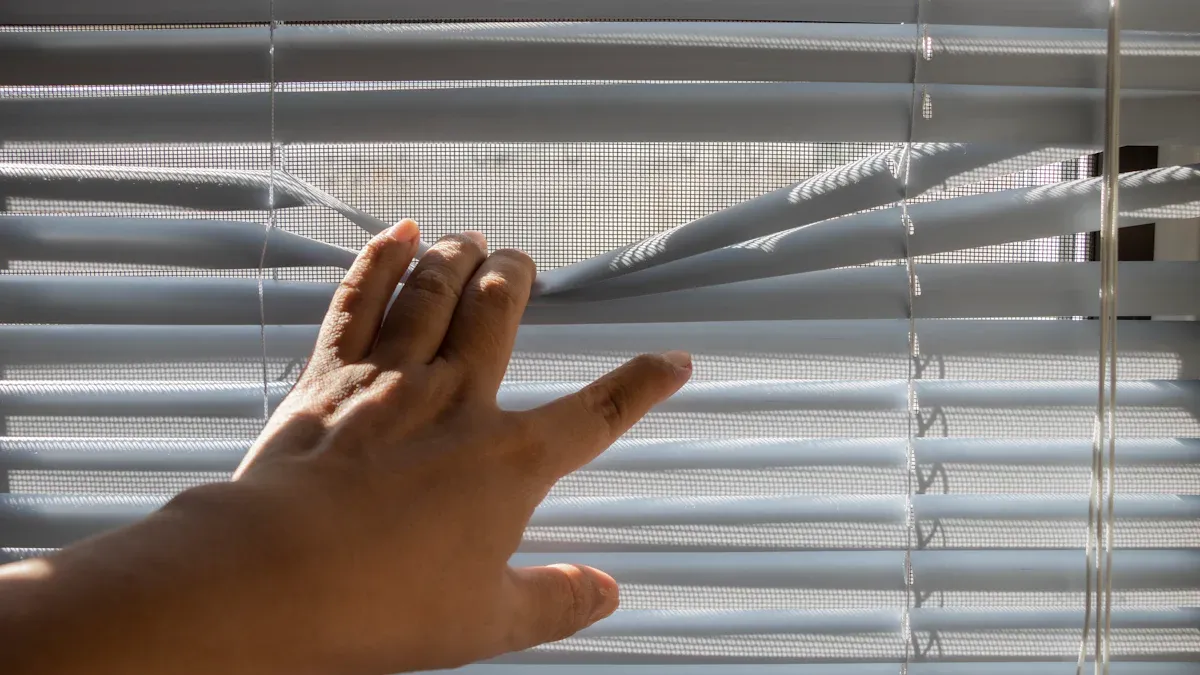
insulation and heat control
Thermal blinds use smart design and special fabrics to boost thermal performance in your home. When you close thermal blinds, they create a barrier that helps reduce solar heat gain and heat loss. This means your rooms stay warmer in winter and cooler in summer. The science is simple. Sunlight hits your windows and turns into heat. If you have bare glass, that heat comes right in. Thermal blinds intercept this process. Some fabrics reflect sunlight away, while others absorb it at the window. Certain styles even trap air, which adds another layer of insulation and improves thermal performance.
UNITEC offers a variety of blinds fabrics that help control light and temperature. Here’s how different types work:
Blackout shades block almost all light. They use thick, opaque materials to stop heat loss and give you total privacy. These are perfect for bedrooms or media rooms.
Solar shades filter sunlight. They let in natural light but block up to 99% of harmful UV rays. Their openness factor lets you control brightness and keep your view.
Roller blinds come in both blackout and light-filtering options, so you can control how much light and heat enter your space.
Studies show that thermal blinds can reduce heat loss by up to 40%. They also help reduce solar heat gain, which means you use less energy to keep your home comfortable. This boosts your energy performance ratings and saves money.
factors affecting performance
The performance of thermal blinds depends on a few key things. The R-value of the fabric tells you how well it insulates. Higher R-values mean better thermal performance and less heat loss. The design matters too. Some blinds trap air more effectively, which improves performance. Installation is important. If there are gaps, heat loss can still happen. A snug fit ensures the best control over temperature and energy performance ratings. When you choose the right blinds and install them well, you get the most out of their thermal performance.
Effectiveness of energy efficient window coverings
energy savings and cost impact
When you look at energy efficient window coverings, you want to know how much money you can save. Insulating blinds, especially insulated cellular shades, make a big difference. They help reduce heat gain and heat loss, which means your heating and cooling systems do not have to work as hard. Most homes see annual energy savings between $100 and $300 after installing these window attachments. Some studies even report up to 24% savings on heating costs. The payback period for these upgrades is usually between one and three years, depending on your climate and energy prices.
Let’s compare some popular window attachments:
Honeycomb blinds can reduce heat loss through a window by 40% or more. Their cellular structure traps air, boosting performance.
Honeycomb blinds are more energy efficient than even the thickest thermal curtains.
Thermal curtains can save about 10% on heating energy, but they do not match the performance of insulated cellular shades.
Standard blinds offer less insulation and do not provide the same level of energy savings.
A real-world example comes from a study at Willis Tower in Chicago. Automated insulating blinds reduced energy consumption by 25% during both heating and cooling seasons. Office workers also preferred the new window coverings for comfort and style.
comfort in winter and summer
Insulating blinds do more than just save money. They help keep your home comfortable all year. In winter, they prevent heat loss and keep rooms warmer. In summer, they block sunlight and reduce heat gain, so your space stays cooler. Blackout blinds, with their thick fabrics, act as a barrier and reflect sunlight away during hot weather. When it gets cold, they help trap warmth inside.
Here’s a quick look at how different window attachments improve thermal comfort and performance:
Mechanism | Effectiveness |
|---|---|
Up to 40% reduction | |
Honeycomb fabrics | 46% reduction in winter heat loss |
Heat absorption reduction | 78% reduction in summer heat gain |
Potential annual savings | Up to $830 depending on conditions |
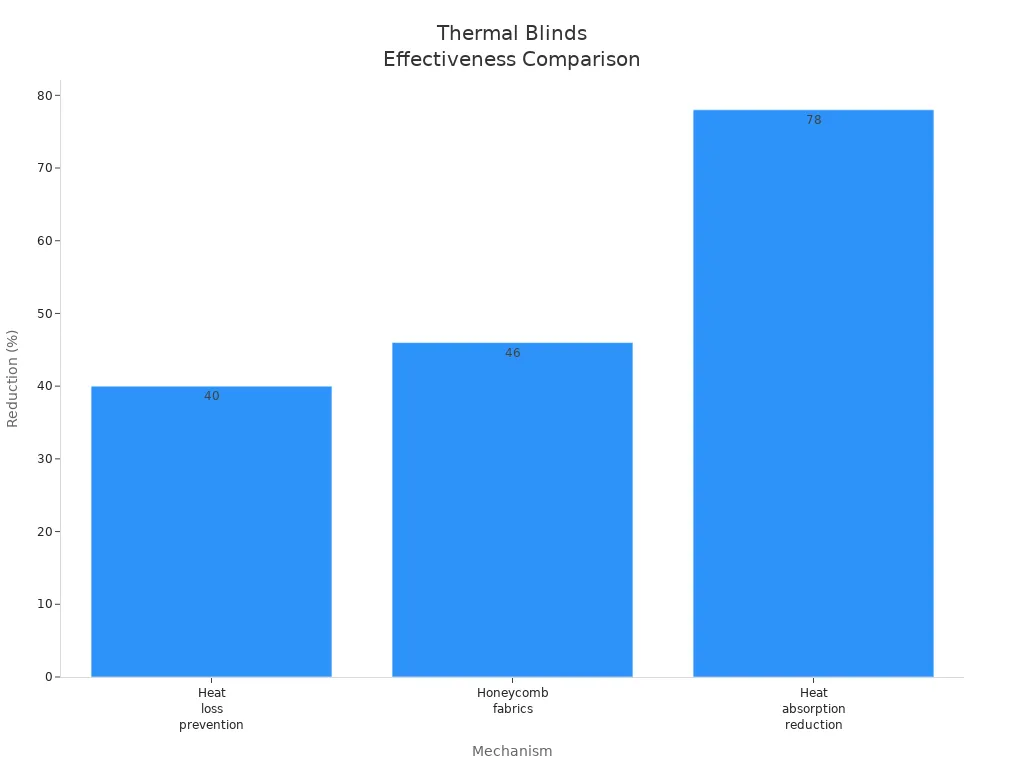
The r-value of insulating window coverings is key to their performance. Higher r-values mean better insulation and more stable indoor temperatures. Operable window coverings, like UNITEC’s roller blinds, let you adjust for changing weather, boosting performance and comfort.
additional benefits (noise, privacy)
Insulating blinds and other window attachments offer more than just energy savings. They also help with noise and privacy. Different materials have unique sound-dampening properties. Cellular shades, with their air pockets, can reduce noise by up to 40%. Blinds that fit tightly in the window frame block sound better than curtains, which often leave gaps.
Other user-reported benefits include:
Temperature regulation for better thermal comfort.
Improved energy efficiency and lower bills.
Extra insulation for year-round comfort.
UV protection to keep furniture and decor safe.
Enhanced privacy, especially with blackout options.
Light control to manage solar gain.
Versatility in style and function.
UNITEC’s insulating blinds come in a range of fabrics, including blackout and sunscreen options. These window attachments work well in bedrooms, living rooms, offices, and media rooms. They help you control light, gain, and privacy, all while improving performance.
limitations and considerations
Choosing the right insulating blinds means thinking about your windows, climate, and style. The r-value of insulating window coverings depends on the material, color, and fit. Light colors reflect sunlight and heat, while dark colors absorb heat and can increase gain. Aluminum materials reflect sunlight well, while vinyl absorbs heat and is less efficient.
Here’s a table to help you consider your options:
Consideration | Description |
|---|---|
Type | Horizontal or vertical blinds affect performance in summer and winter. |
Color | Light colors reflect heat; dark colors absorb it, impacting gain and comfort. |
Material | Aluminum reflects sunlight; vinyl absorbs heat; fabric and wood reflect well if light-colored. |
Usage | How you use your blinds (open or closed) changes their performance in different seasons. |
Geography | Your location and window orientation affect the best choice for blocking gain or heat loss. |
Thermal blinds made from cotton, linen, or polyester, often lined with thermal fabric, offer strong performance. Proper installation is important. Gaps can reduce performance and allow heat gain or loss. Operable window coverings give you flexibility to adjust for the season, maximizing performance.
UNITEC’s insulating blinds are designed for a snug fit and high performance. With options for every room and window type, you can find the right solution for your needs. Whether you want to block heat gain in summer or keep warmth in during winter, these window attachments deliver reliable performance and comfort.
Thermal blinds can cut energy use by up to 25% and boost comfort year-round. When choosing blinds, think about your room’s direction, climate, and energy goals. Look for high R-value and quality materials. Want style and performance? Explore UNITEC’s innovative blinds fabrics for the perfect fit.
FAQ
How do thermal blinds compare to regular blinds for energy savings?
Thermal blinds offer better insulation than regular blinds. They help keep rooms warmer in winter and cooler in summer, which can lower your energy bills.
Can I use thermal blinds with automated window coverings?
Yes, you can pair thermal blinds with automated window coverings. This lets you control light and temperature with a remote or smart device for extra convenience.
Do thermal blinds block noise from outside?
Thermal blinds help reduce outside noise. Their thick fabrics and snug fit can make your space quieter, especially in busy neighborhoods.
Tip: For best results, choose blinds that fit tightly in your window frame.