How does a coffee bean X ray machine spot hidden dangers?
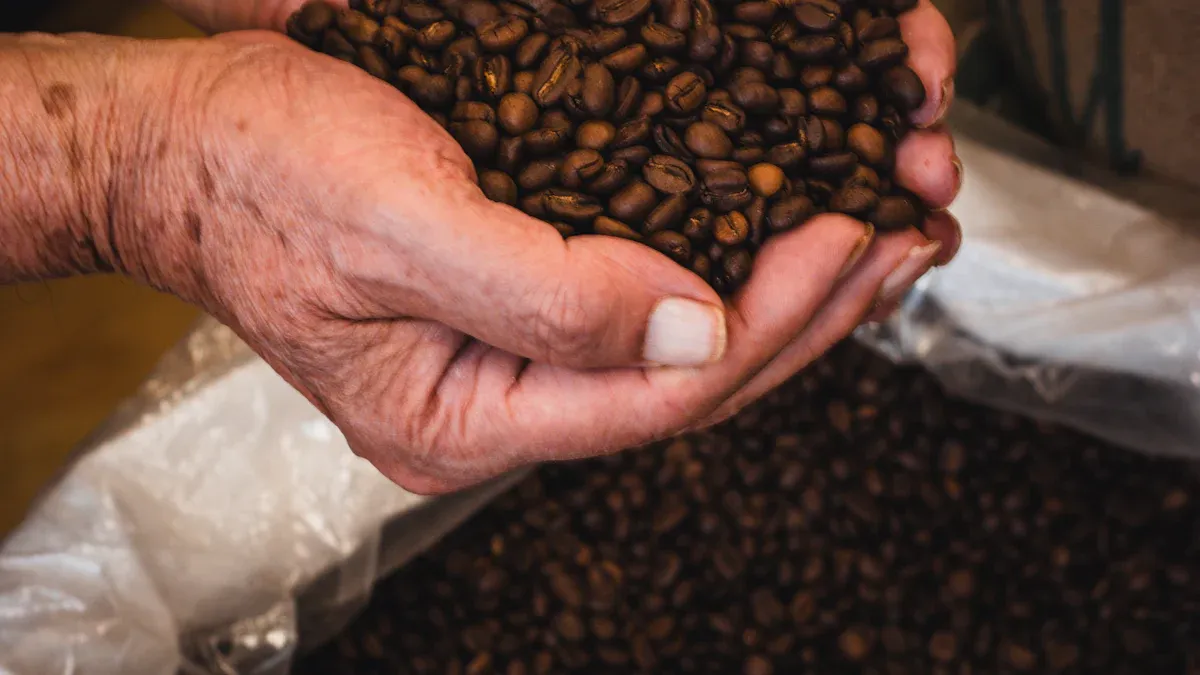
What could be lurking inside a handful of coffee beans? A coffee bean x ray machine can reveal dangers that eyes alone cannot detect. This advanced device scans each bean to spot foreign objects, such as stones or metal fragments. Coffee producers use this technology to protect both flavor and safety. Consumers can trust their cup starts with clean, pure beans.
Hidden Dangers in Coffee Beans
Common Foreign Objects Detected
Coffee beans can hide many types of foreign matter that threaten both quality and safety. X-ray machines help with the determination of extraneous material by revealing what the eye cannot see. The most common foreign bodies include not only residual stones but also wooden sticks, shells, and even organic contaminants like pest damage. These objects often blend in with the beans, making manual inspection unreliable.
The table below shows some typical contaminants found during coffee bean inspection:
Type of Contaminant | Description |
|---|---|
Low-density contaminants | Includes wooden sticks and shells. |
Organic contaminants | Examples include holes caused by pests. |
Oddly shaped items | Can detect hollow or irregularly shaped objects. |
Foreign matter such as oddly shaped items or low-density materials can slip through traditional sorting methods. X-ray technology provides clear evidence of contamination, ensuring that only clean beans move forward in the process.
How Contaminants Enter Coffee Beans
Foreign matter can enter coffee beans at many stages. During harvesting, workers may accidentally collect stones or sticks along with the beans. In some cases, machinery can break and leave behind metal fragments. Pests can bore holes into beans, leaving organic contaminants inside. General contamination may also occur during transport or storage if beans come into contact with dust or debris.
Producers rely on advanced inspection systems to catch these foreign bodies before roasting. The presence of residual stones or other foreign matter can damage equipment and harm consumers. Careful screening and the use of X-ray machines help maintain high standards and protect both brands and customers.
How Coffee Bean X Ray Machine Works
X-ray Imaging and Density Detection
A coffee bean x ray machine uses advanced x-ray technology to scan each bean. The machine directs x-ray beams through the beans as they move along a conveyor belt. These beams pass through the beans and create images based on density differences. Foreign objects, such as stones or metal fragments, appear brighter or darker than the beans because they have different densities. This process allows operators to spot hidden dangers that traditional inspection methods often miss.
The technical specifications of a typical coffee bean x ray machine show its capability for reliable inspection and high inspection accuracy. The table below highlights important features:
Specification | Details |
|---|---|
Model | HS-FX4805 |
Dimension | 225411402193mm |
X-ray Power | 210W, (max) 80KV/5.0mA |
Conveyor Speed | 10-90m/min, adjustable |
Conveyor Width | 460mm |
Machine Power | <2KW |
Power Standard | 220V,50HZ |
Touch Panel | 17-inch LCD touch screen |
Leakage Rate | <0.5μSV/h |
Protection Class | Transmission part IP66, others IP53 |
Work Environment | 0 - 40°C, 30 - 85% humidity |
Detect Accuracy | Stainless Steel Ball Ø0.3mm; Wire Ø0.2*2mm |
Body Material | SUS 304 |
Operators rely on these machines for x-ray examination because the system can detect even tiny contaminants. The high inspection accuracy ensures that only clean beans continue to the next stage. The coffee bean x ray machine provides reliable inspection by highlighting density differences, which helps maintain the safety and quality of coffee.
AI and Image Analysis
Modern coffee bean x ray machines use AI-powered image analysis to improve inspection accuracy. The software examines x-ray images and identifies defects or contaminants automatically. This technology reduces human error and speeds up the sorting process. AI can spot issues such as discoloration, fermentation, mold, and insect damage with high accuracy.
Tip: AI-powered systems help coffee producers maintain consistent quality and meet international standards.
The main benefits of AI-powered image analysis include:
Automation of the sorting process, which minimizes mistakes.
Consistent quality control by detecting defects like mold or insect damage.
Support for international trade by ensuring beans meet strict requirements.
AI and advanced image processing work together with x-ray technology to reject contaminated beans quickly. The coffee bean x ray machine combines these tools to deliver reliable inspection and protect consumers from hidden dangers. Inspection accuracy improves when machines use both x-ray and AI, making the process more effective than manual methods.
Advanced Technologies in Detection
Modern coffee bean inspection uses more than just X-ray machines. Producers now combine several advanced technologies to improve detection accuracy and efficiency. These systems work together to find even the smallest defects or contaminants in coffee beans.
Technology | Description |
|---|---|
Modular Design | Improves system stability and scalability, making maintenance easier. |
Eagle-Eye recognition technology | Detects tiny spots or light impurities that standard sorters miss. |
Intelligent Shape Sorting | Identifies subtle differences in bean shape for better sorting. |
Digital Electrical Control System | Reduces extra control modules, ensuring stable operation and fewer failures. |
High-frequency Vibrator | Provides efficient and stable material drop for consistent inspection. |
Anodizing Chute | Offers high wear resistance for long-term, high-output processing. |
Remote Service | Allows online maintenance and support through PC or mobile devices. |
Aerospace-Grade Ejector | Delivers ultra-fast response for accurate rejection and longer service life. |
Hyperspectral Imaging
Hyperspectral imaging plays a key role in detecting contaminants in coffee beans. This technology analyzes the spectral data that reflects the chemical composition of each bean. It can identify foreign materials and assess bean quality without the need for complex sample preparation. Hyperspectral imaging provides both spectral and spatial data, which helps producers evaluate food safety and quality with high precision.
Optical Sensors and Integration
High-resolution optical sensors are essential for accurate coffee bean inspection. These sensors detect and sort beans based on size, shape, color, and density. This detailed analysis helps identify defective beans and ensures that only the best beans move forward in processing. Optical detection technologies, such as near-infrared spectroscopy and machine vision, use light properties to assess food safety.
Integrated detection systems combine X-ray, hyperspectral, and optical technologies for even greater safety. These systems offer several benefits:
Hyperspectral imaging provides both spectral and spatial data for thorough analysis.
The technology covers a wide spectral range, allowing detailed study of bean properties.
Optical detection uses light to check for safety and quality.
Multimodal feature integration combines data from different sensors, improving detection and reducing risks.
Note: By using these advanced technologies together, coffee producers can achieve the highest standards of safety and quality for every batch.
Importance for Coffee Safety
Risks of Undetected Objects
Undetected contamination in coffee beans poses serious risks to both consumers and producers. Foreign matter, such as stones, metal fragments, or insects, can enter beans during harvesting, storage, or transport. If these objects escape examination, they may cause injury or illness. Insect infestation often leads to hidden damage inside beans, making detection difficult without advanced technology. Insects and their byproducts can also affect the taste and aroma, lowering coffee bean quality.
Foreign matter, including extraneous material like shells or sticks, can damage roasting equipment. Insect infestation and contamination from pesticides or mycotoxins threaten consumer health. The grading of green coffee beans depends on strict quality checks and thorough examination. Producers must remove all foreign matter to meet safety standards. The National Coffee Association stresses that misleading consumers about coffee safety erodes trust. Scientific studies show that contamination, especially from heavy metals or pesticides, raises concerns about product quality.
Contaminant Type | Impact on Consumer Trust |
|---|---|
Pesticides | Raises safety concerns |
Heavy Metals | Questions product quality |
Mycotoxins | Increases skepticism |
Protecting Consumers and Brands
Coffee brands use strict quality control procedures to protect consumers from contamination. Specialty producers follow guidelines for grading of green coffee beans and quality grading of coffee beans. They dry beans to the recommended 10-12% moisture to prevent mold and insect infestation. The Clean Label Project tests coffee for heavy metals, pesticides, and other foreign matter. Their examination covers over 7,000 samples from 45 brands, checking for glyphosate, lead, mercury, arsenic, cadmium, and mycotoxins.
Contamination often occurs during poor storage or transport.
Specialty producers maintain strict moisture and storage standards.
The Clean Label Project conducts extensive tests for contaminants.
Quality grading and examination of beans help brands avoid negative publicity. Foreign matter or insect infestation can damage a brand’s reputation. Consumers expect high coffee bean quality and safety. Brands that invest in advanced quality checks and detection systems build trust and loyalty. Regular examination for extraneous material and insects ensures that only the best beans reach the market.
Note: Consistent quality grading and thorough examination protect both consumers and brands from the risks of contamination and foreign matter.
X-ray vs. Other Methods
Manual Inspection Limits
Manual inspection has served as a traditional method for sorting coffee beans. Workers visually examine beans and remove foreign objects by hand. This process often takes a long time and depends on the skill and attention of each worker. Human eyes can miss small or hidden contaminants, especially when beans move quickly on a conveyor belt. Fatigue and distraction can lower accuracy.
Manual sorting also struggles with consistency. Each worker may judge defects differently. Some may overlook tiny stones or insect damage. Others may remove good beans by mistake. The process cannot guarantee that every batch meets strict safety standards.
Note: Manual inspection cannot match the speed or precision of automated systems. Workers may sort hundreds of beans per minute, but machines can process thousands.
X-ray Advantages
X-ray technology offers several advantages over manual inspection. Machines use high-resolution cameras and AI algorithms to analyze each bean in real time. They detect differences in density, shape, and size that humans cannot see. Automated systems sort beans much faster than people, ensuring only premium-quality beans move forward.
Key benefits of X-ray detection include:
Real-time analysis of every bean for multiple factors, such as color, shape, size, and density.
Faster detection and removal of defective beans compared to manual sorting.
Consistent and objective results, reducing the risk of human error.
Ability to spot hidden dangers, like metal fragments or pest damage, that are invisible to the naked eye.
Method | Speed | Accuracy | Consistency |
|---|---|---|---|
Manual Inspection | Slow | Variable | Inconsistent |
X-ray Detection | Very Fast | High | Consistent |
Coffee producers rely on X-ray machines to maintain high safety and quality standards. These systems help protect consumers and brands by ensuring that only clean, safe beans reach the market.
Coffee bean X-ray machines and advanced detection tools help producers find hidden dangers that threaten quality and safety. These systems spot foreign objects and defects that manual checks often miss. Most coffee brands have not yet adopted this technology:
Fewer than 10 percent of food manufacturers use X-ray systems for quality control.
Consumers benefit from safer, higher-quality coffee. Supporting brands that invest in advanced safety measures encourages better standards across the industry. Every cup starts with technology that protects both taste and health.
FAQ
What role does grading play in coffee bean safety?
Grading helps producers sort beans by quality and safety. The process uses advanced machines to check for defects and contaminants. Grading ensures only the best beans reach consumers. Producers rely on grading to meet strict safety standards and protect their brand reputation.
How does grading with X-ray machines differ from manual grading?
X-ray grading uses technology to scan each bean for hidden dangers. Manual grading depends on human eyes, which can miss small defects. X-ray grading finds foreign objects and defects faster and more accurately. Producers trust X-ray grading for better results and higher safety.
Why is grading important for coffee quality?
Grading separates beans by size, shape, and defect level. High-quality grading removes beans with insect damage, mold, or foreign matter. This process improves flavor and aroma. Grading also helps producers meet export requirements and maintain consistent quality in every batch.
Can grading detect all types of contaminants?
Grading with advanced machines detects most contaminants, including stones, metal, and insect damage. Some very small or unusual contaminants may escape detection. Regular grading and machine updates help producers catch as many defects as possible. Grading remains the best way to ensure safe coffee.
How often should producers perform grading?
Producers should perform grading at every stage, from harvest to packaging. Frequent grading catches new contaminants and defects early. This practice keeps beans safe and high in quality. Grading also helps producers follow international standards and build consumer trust.