How X-ray Scanning Safeguards Candy Production
X-ray inspection plays a vital role in food safety within candy production. A candy x ray machine uses x-ray technology to scan products and identify hidden contaminants. X-ray systems can detect both metallic and non-metallic objects by measuring how different materials absorb x-rays. This process helps manufacturers find foreign objects such as metal, glass, or plastic before candies reach the consumer. X-ray inspection protects people from harm and helps companies maintain a strong reputation for quality.
Candy Production Risks & Food Safety
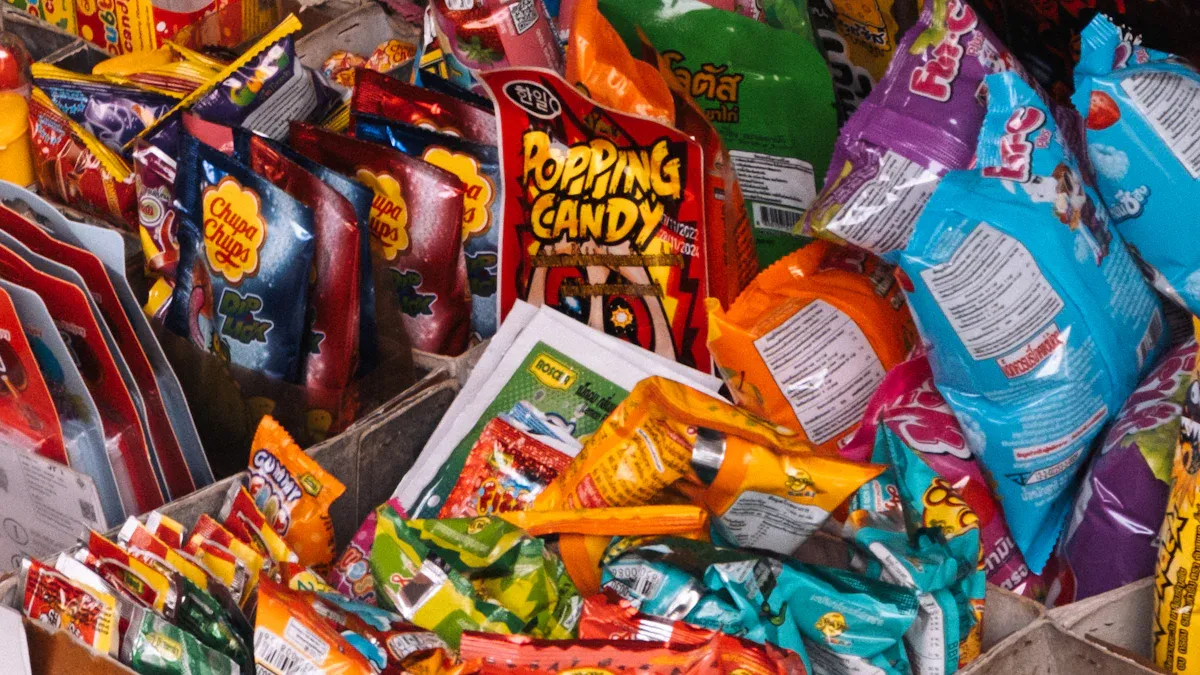
Common Contaminants in Confectionery
Candy manufacturing faces several risks from physical contaminants. These unwanted materials can enter the production line at any stage. Recent food safety reports highlight the most common physical contaminants found in confectionery products:
Glass
Metal
Plastic
Stones
Sticks
Debris
Physical contaminants like glass or metal can cause serious injuries, such as cuts or broken teeth. Stones and sticks may lead to choking or digestive problems. Plastic and debris can also harm consumers, especially young children. Food safety experts have documented cases where undetected physical contaminants led to product recalls. For example:
Silvestri Sweets Inc. recalled Choceur Holiday Barks because of undeclared allergens, which posed health risks for allergic consumers.
Tony’s Chocolonely Inc. recalled chocolate bars due to small stones, which could cause dental damage or choking hazards.
Physical contaminants threaten consumer safety and can damage a company’s reputation.
Importance of Early Detection
Early detection of physical contaminants is essential for food safety in candy production. Manufacturers must identify and remove foreign objects before products reach store shelves. This process prevents health hazards and protects consumers from injury. Early detection also helps companies avoid costly recalls and legal issues. Maintaining consumer trust and brand reputation supports long-term business success.
Modern detection systems, such as x-ray and metal detectors, offer improved sensitivity and accuracy. These technologies can find smaller and more challenging physical contaminants, enhancing food safety standards. Companies that invest in advanced detection methods show a commitment to safety and quality.
Early detection of physical contaminants not only protects consumers but also strengthens the entire candy industry.
X-ray Inspection & Foreign Object Detection
How Candy X Ray Machines Work
Candy x ray machines use advanced technology to keep candy safe. These machines scan each product with x-rays, which are a type of energy that can pass through packaging and candy. The machine measures how much energy different materials absorb. Foreign objects, such as metal contaminants or glass, absorb x-rays differently than candy. The system creates an image that shows these differences.
Modern x-ray inspection systems use powerful image analysis software. For example, SimulTask™ PRO can spot even small changes in the product. The software works quickly, so manufacturers can inspect candy at high line speeds. This process helps companies find foreign objects before they reach consumers.
The video demonstrates how x-ray inspection equipment detects contaminants in chocolate bars.
Advanced image analysis software identifies subtle differences in the product.
The technology operates at high speeds, ensuring efficient foreign object detection.
X-ray inspection systems also support sustainable production. Manufacturers must plan carefully to fit these machines into their lines. They need to check how materials move and how packages stay stable, especially with eco-friendly packaging. These steps help keep both safety and environmental standards high.
Training and expertise are important for safe operation.
False positives can happen, which may cause unnecessary waste.
Proper workflow integration keeps production efficient.
Detecting Metal, Glass, Plastics, and Stones
X-ray inspection finds many types of foreign objects in candy. The system can detect metal, glass, plastics, and stones. It works by showing differences in how these materials absorb x-rays. This method is more effective than traditional metal detectors, which only find metal contaminants.
Modern systems can detect contaminants as small as 0.2 to 0.3 millimeters, providing exceptional sensitivity.
The table below compares the detection capabilities of x-ray inspection systems and traditional methods:
Detection Method | Types of Contaminants Detected | Minimum Size Detected | Speed |
|---|---|---|---|
X-ray Inspection | Metal, Glass, Plastics, Stones | 0.2-0.3 mm | High |
Metal Detector | Metal Only | 1-2 mm | High |
Visual Inspection | Visible Only | >2 mm | Low |
X-ray inspection systems reduce waste by finding defects early. They work well with sustainable packaging and help companies follow food safety rules. Reliable foreign object detection protects consumers and builds trust.
Reduced waste helps the environment.
Improved detection works with eco-friendly packaging.
Enhanced food safety compliance supports consumer confidence.
X-ray inspection gives manufacturers a strong tool for foreign object detection. It finds more types of contaminants and works faster than older methods. This technology helps keep candy safe and supports quality in every batch.
Comparing X-ray Inspection to Traditional Methods
Metal Detectors vs. X-ray Technology
Candy manufacturers have relied on metal detectors for many years to find contaminants. Metal detectors work well for identifying ferrous metals like steel and iron. However, they often struggle with non-ferrous metals such as copper and aluminum. Stainless steel, which has low magnetic permeability, can also be difficult to detect. Metal detectors focus only on metals, so they miss other threats.
X-ray technology offers a broader range of detection. X-ray machines can find both ferrous and non-ferrous metals, as well as non-metallic contaminants like glass shards, stones, and dense plastics. They also help identify product defects that metal detectors cannot see. This versatility improves product quality and safety.
Traditional inspection methods often overlook risks and inefficiencies. Complex packaging, such as metalized film, can hinder detection. Soft inclusions like nuts or fruit may not be properly verified. Ensuring product completeness can be challenging.
Advantages of Advanced X-ray Systems
Modern x-ray systems provide several benefits over older inspection technologies. High-resolution imaging allows for more precise detection of contaminants and foreign objects. Multi-energy x-ray technologies help differentiate between materials, which improves detection accuracy. Automation reduces manual errors and increases operational efficiency. Real-time data analytics give immediate insights, so operators can make quick decisions to maintain quality.
The table below highlights how advanced x-ray systems improve efficiency and reduce downtime in candy manufacturing:
Feature | Benefit |
|---|---|
High-speed inspection | Inspects up to 40,000 lbs per hour without losing sensitivity. |
Advanced AI detection | Identifies low-density and organic contaminants that metal detectors miss. |
Gentle handling | Protects product integrity for delicate items like candy. |
Continuous production flow | Minimizes product waste and ensures ongoing operations. |
Wide-belt and vibratory feeder | Maximizes x-ray beam exposure, improving image clarity and reducing false rejects. |
These features help manufacturers detect defects early and maintain high quality standards. Advanced x-ray systems support continuous production and reduce the risk of recalls, which protects both consumers and brands.
Benefits of Candy X Ray Machines for Food Safety
Reducing Recalls and Legal Risks
Candy manufacturers face serious challenges from contamination and product integrity issues. A candy x ray machine helps companies detect foreign objects and defects before products leave the facility. This technology supports quality control by identifying contamination early in the process. When manufacturers use advanced food inspection technologies, they lower the risk of food recalls and legal actions.
X-ray inspection plays a key role in quality assurance programs. It uses sophisticated detection systems to find contaminants and defects at different production stages. This approach strengthens product integrity and reduces the chance of unsafe products reaching consumers. Companies that invest in candy x ray machines show a commitment to safety and control.
X-ray inspection systems help manufacturers meet food safety standards such as HACCP, FDA, and USDA. These systems provide documentation and traceability, which are essential for regulatory audits and maintaining quality management systems.
The cost of implementing x-ray inspection is often much lower than the potential costs of food recalls and legal disputes. Companies that prioritize safety and product integrity save money over time. The Total Cost of Ownership includes both initial and ongoing expenses, but long-term savings outweigh the upfront investment.
Implementing x-ray inspection can prevent costly recalls and legal issues by ensuring product safety and quality.
Quality assurance requires significant spending, and failing to invest can lead to higher costs from recalls and rebuilding customer trust.
The Total Cost of Ownership (TCO) includes both upfront and lifetime costs, emphasizing the importance of considering long-term savings against initial investments.
Candy x ray machines also support packaged food inspection and final product inspection. These systems help companies verify package integrity and ensure that every item meets safety standards. Reliable package verification protects consumers and builds confidence in the brand.
Enhancing Brand Reputation and Consumer Trust
Brand reputation depends on product integrity and consumer confidence. When manufacturers use candy x ray machines, they demonstrate a strong commitment to safety and quality control. Consumers trust brands that invest in advanced food inspection technologies and maintain high standards.
X-ray inspection helps companies avoid product integrity issues and contamination. By catching defects early, manufacturers prevent food recalls and protect their reputation. Consistent package verification and control reassure customers that products are safe to eat.
Companies that meet international standards and maintain compliance build long-term business success. Regulatory compliance supports brand integrity and helps manufacturers expand into new markets.
A table below shows how candy x ray machines contribute to business benefits:
Benefit | Impact on Business |
|---|---|
Reduced food recalls | Saves money and protects reputation |
Improved product integrity | Builds consumer confidence |
Regulatory compliance | Enables market expansion |
Enhanced quality control | Supports long-term growth |
Reliable package verification | Increases customer satisfaction |
Candy x ray machines play a vital role in food inspection technologies. They help companies maintain product integrity, reduce contamination, and build consumer confidence. Manufacturers who invest in these systems create safer products and stronger brands.
X-ray inspection protects candy production by finding hidden contaminants and defects. Candy x ray machines improve food safety, strengthen brand reputation, and build consumer trust. Industry leaders recommend manufacturers consider several factors when choosing advanced detection systems:
Criteria | Description |
|---|---|
Detection Accuracy | Finds many foreign objects with few false alarms. |
Speed & Throughput | Maintains fast processing for busy production lines. |
Manufacturers who invest in modern x-ray technology create safer products and support long-term business growth.
FAQ
What types of contaminants can x-ray machines detect in candy production?
X-ray machines identify contaminants such as metal, glass, stones, and plastics. They also find less common contaminants like rubber or bone fragments. Detection helps manufacturers remove contaminants before products reach consumers.
How do x-ray systems improve contaminant detection compared to traditional methods?
X-ray systems detect a wider range of contaminants than metal detectors. They find contaminants that metal detectors miss, including glass and stones. This technology increases food safety by identifying contaminants early in the process.
Can x-ray inspection find contaminants in eco-friendly packaging?
Yes, x-ray inspection works with eco-friendly packaging. The system detects contaminants inside various packaging materials. Manufacturers rely on x-ray machines to find contaminants without damaging sustainable packaging.
Why is early detection of contaminants important for candy manufacturers?
Early detection prevents contaminants from reaching consumers. Manufacturers avoid recalls and legal risks by removing contaminants quickly. Protecting consumers from contaminants also builds trust and supports brand reputation.
How do manufacturers ensure x-ray machines remain effective at finding contaminants?
Manufacturers train staff to operate x-ray machines and maintain equipment. Regular calibration keeps detection accurate. They monitor performance to ensure contaminants do not pass through undetected. Consistent checks help companies find contaminants in every batch.
Tip: Manufacturers should schedule routine maintenance to keep x-ray systems effective at finding contaminants.
Contaminant Type | Detection Method | Packaging Compatibility |
|---|---|---|
Metal | X-ray, Metal Detector | All types |
Glass | X-ray | All types |
Plastics | X-ray | All types |
Stones | X-ray | All types |