Your 2026 Guide to How Tomato Sorting Machines Work
Automatic tomatoes sorting machines utilize conveyor systems, advanced sensors such as high-speed cameras, and intelligent software to rapidly analyze and categorize individual tomatoes. This analysis is based on pre-set quality criteria including size, color, ripeness, and the presence of any defects. Following this instant analysis, the machine employs mechanisms like air jets or mechanical diverters to physically direct each tomato into the appropriate bin or chute.
The Step-by-Step Sorting Process Explained
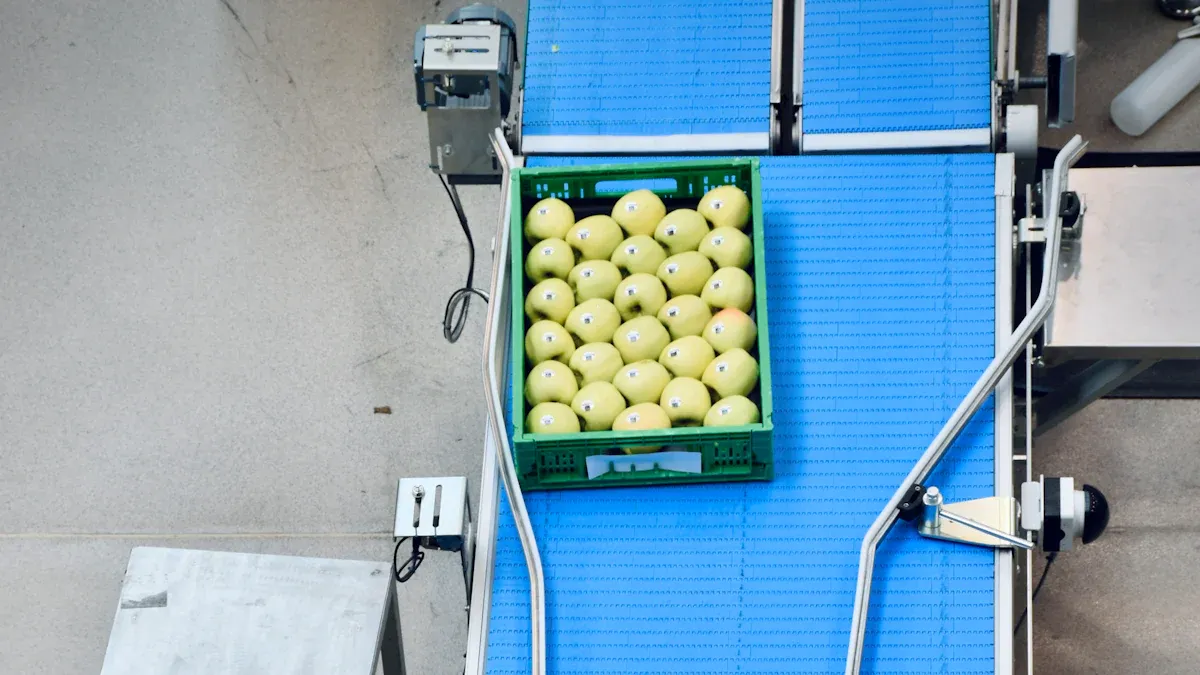
A modern tomatoes sorting machine transforms a bulk harvest into perfectly graded categories through a precise, four-step journey. Each stage relies on a combination of gentle mechanics and powerful digital intelligence to ensure speed, accuracy, and quality.
Step 1: Feeding and Conveying
The process begins with the gentle introduction of tomatoes into the machine. A specialized system feeds the tomatoes onto a conveyor, carefully separating them to ensure they travel in a single layer. This prevents bunching and allows for individual inspection.
The conveyor materials are critical to prevent bruising. Machines utilize belts made of soft, durable silicone rubber. This material possesses excellent toughness, resisting cracks and aging while remaining gentle on the delicate skin of each tomato. All parts that contact the fruit, from the working track to the collection bins, are often thickened and soft-packed to guarantee the tomatoes are not damaged during their journey.
Step 2: High-Speed Inspection and Analysis
Once singulated on the conveyor, each tomato passes through an inspection zone. Here, high-speed cameras and advanced sensors capture dozens of images of each tomato from multiple angles, often while it rotates. This creates a complete 360-degree digital model of the fruit.
The machine's software then processes this image data in milliseconds to make a sorting decision. This near-instant analysis is achieved through a sophisticated algorithm and optimized hardware.
- Cell Detection: The software first identifies the tomato in the image.
- Interpolation: It resizes the image to a standard format for consistent analysis.
- Center Finding: The algorithm precisely locates the tomato's center point.
- Property Determination: From the center, the software analyzes the fruit's surface to determine its shape, size, and color properties.
Lightning-Fast Processing ⚡ This entire process is accelerated by custom hardware like FPGAs (Field-Programmable Gate Arrays), which can make a sorting decision in as little as 11.94 milliseconds. The goal is to achieve decision-making in under 10 milliseconds, allowing the system to handle immense volumes of produce without sacrificing accuracy.
Step 3: Sorting by Key Criteria
With a complete digital profile of each tomato, the software grades it against pre-set quality parameters. The primary criteria include size, shape, color, and defects.
- Size and Shape: Advanced systems calculate precise diameter, length, and even volumetric weight from the captured images. Some machines use SpinSort technology for a full 360-degree inspection, while others employ simpler but effective roller gap screening, where tomatoes fall through rollers based on their diameter.
- Color and Ripeness: Color is a key indicator of ripeness and quality. The system's cameras analyze the exact color spectrum of each tomato. This data is compared against standards, such as the USDA's six stages of ripeness, to classify the fruit. The CIELAB a* color parameter, which ranges from green (-128) to red (+127), is a crucial metric used in this digital assessment.
| Maturity Status | Typical Color Description |
|---|---|
| Mature green | Dark green |
| Breaker | Whitish green; less than 10% of the surface is pink |
| Turning | 10–30% of the surface is pink |
| Pink | 30–60% of the surface is pink |
| Light red | 60–90% of the surface is pink |
| Red | 100% of the surface is red; full ripeness |
- Defects: The high-resolution imaging allows the tomatoes sorting machine to identify a wide range of external imperfections. Common defects flagged by the system include:
- Overripeness or underripeness
- Cracks, bruising, and sunscald
- Disease, fungus, or mold
- Insect or bird damage
- Dirt or other foreign material
Step 4: Physical Separation
The final step is the physical execution of the sorting decision. Once a tomato is analyzed and categorized, the machine's control system tracks its exact position on the conveyor belt. As the tomato reaches the designated sorting point, a mechanism activates to divert it into the correct channel or bin.
The most common separation mechanism is a pneumatic air jet. These systems use a quick, focused burst of compressed air to gently push the tomato off the main conveyor and into its assigned chute. The force of the air is precisely calibrated to move the tomato without causing any damage. This method is incredibly fast, accurate, and contact-free. In some systems, mechanical paddles or diverters may also be used to guide the fruit.
Note on Efficiency: Air separation systems use principles of density and aerodynamics to function. While they are not always 100% perfect and may be followed by a final manual check, these automated systems vastly improve the productivity and efficiency of sorting high volumes of produce.
Core Technologies in a Tomatoes Sorting Machine
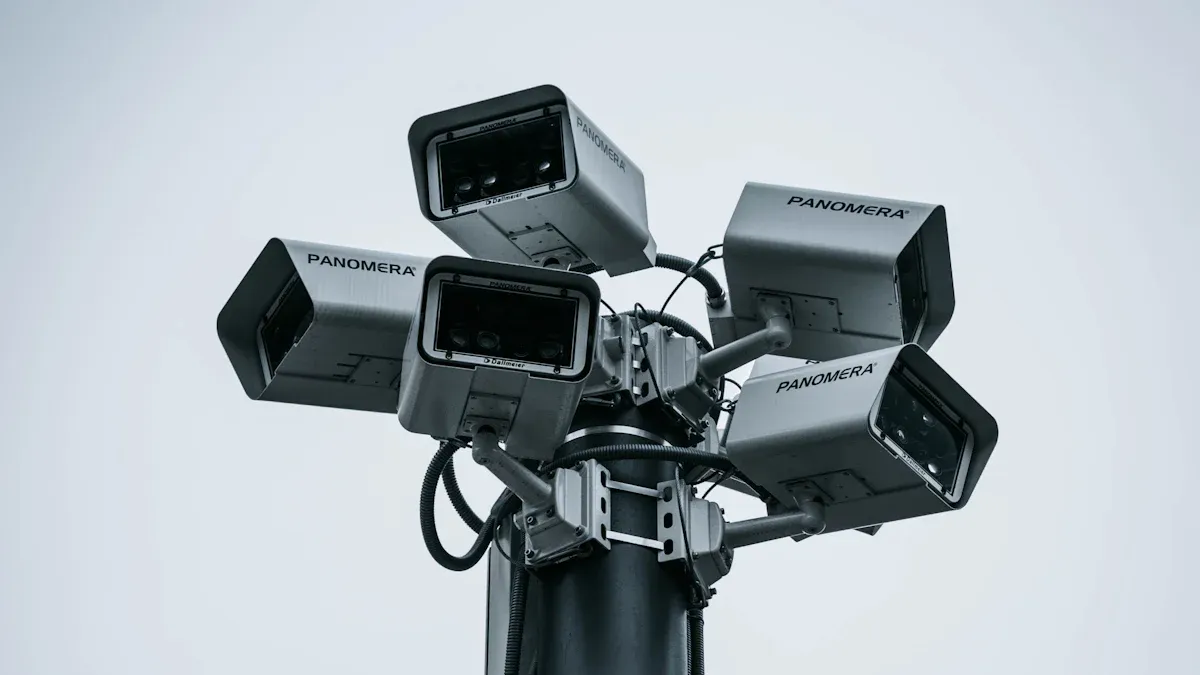
Modern tomato sorters rely on two primary technological approaches: mechanical grading for size and optical sorting for quality. Each technology plays a distinct role in the journey from harvest to packaging, with advanced systems often combining elements of both for comprehensive grading.
Mechanical Sorting by Size (Roller Graders)
Mechanical roller graders offer a straightforward and effective method for sorting tomatoes based purely on their physical diameter. These machines are a durable and affordable solution, especially for small to mid-scale operations where basic size grading is the main priority. The process is elegantly simple and relies on fundamental mechanics.
- A double helix rotation drives a series of rollers on a classifying bed.
- These rollers move forward in parallel, creating a channel for the tomatoes.
- The gap between the rollers gradually increases as they move along the machine.
- Tomatoes travel along the rollers until they reach a gap wide enough for them to fall through.
- They then drop onto a conveyor belt designated for that specific size, completing the selection.
This method provides fast sorting speeds and high accuracy for size grading. It saves significant labor and improves overall work efficiency. However, its capabilities are limited compared to more advanced systems.
Mechanical vs. Optical: A Quick Comparison Understanding the differences between these two core technologies helps clarify their specific applications in the industry.
| Feature | Mechanical Roller Graders | Optical Sorters |
|---|---|---|
| Mechanism | Rotating rollers with adjustable gaps separate fruit by diameter. | Cameras and software analyze color, shape, size, and blemishes; air jets sort. |
| Application | Basic size grading in small to mid-scale operations. | Precision packing houses and export-quality grading. |
| Advantages | Simple, affordable, durable, and low maintenance. | Highly accurate, detects internal and external defects, and processes at high speeds. |
| Limitations | Only sorts by size; offers no quality inspection. | Higher initial cost and requires technical maintenance expertise. |
Optical and AI Sorting by Quality (Camera-Based)
Optical sorters represent the pinnacle of sorting technology, using advanced imaging and artificial intelligence to grade tomatoes on a wide spectrum of quality attributes. A modern tomatoes sorting machine equipped with this technology moves beyond simple sizing to analyze color, shape, and defects with incredible precision.
At the heart of the system are powerful sensors. These are not ordinary cameras; they are specialized imaging devices designed to see what the human eye cannot.
- Color (RGB) Cameras: Capture standard visual information about the tomato's color and shape.
- Multispectral Cameras: Combine RGB with infrared (IR) or short-wave infrared (SWIR) wavelengths to detect subtle differences in material composition.
- Hyperspectral Cameras: Capture data across hundreds of narrow spectral bands, creating a unique chemical "fingerprint" for everything they see.
This sensor fusion provides a complete dataset for the machine's AI. For example, a hyperspectral sensor can identify a material's chemical makeup while an RGB camera adds visual cues like color and shape. This combination allows the AI to make highly informed sorting decisions.
This technology even allows for the detection of internal defects. Visible and near-infrared (Vis-NIR) spectroscopy is a non-destructive approach for appraising internal quality. It can measure attributes like the soluble solids content (SSC), a key indicator of a tomato's flavor and ripeness, with an accuracy of over 90%.
The "brain" of the operation is its machine learning (ML) model. These AI algorithms continuously learn and adapt to improve defect detection.
The Power of Continuous Learning 🧠 An ML model's accuracy is not static. It evolves by seeing more data, learning from operator feedback, and adapting to new defect types. A model that is not monitored can become outdated in months, making continuous improvement the secret to long-term accuracy.
These systems use a variety of ML techniques to achieve their results:
- Supervised Learning: Models are trained on labeled data to classify, detect, or segment known defects.
- Deep Learning: Complex neural networks like CNNs and U-Nets identify intricate patterns in the image data.
- Transfer Learning: Pre-trained models are adapted for tomato sorting, which is ideal when labeled data is scarce.
Benefits of Automated Sorting
The adoption of automated sorting technology delivers transformative benefits for growers, packers, and processors. By replacing subjective manual labor with objective, high-speed analysis, these machines create a more efficient, consistent, and profitable supply chain. A tomatoes sorting machine provides a clear return on investment through several key advantages.
- Enhanced Accuracy and Precision: High-resolution cameras and AI algorithms achieve nearly 100% defect detection. This ensures that only genuinely defective tomatoes are rejected, preventing the waste of good produce and maximizing marketable yield.
- Improved Efficiency and Throughput: Automated systems process thousands of tomatoes per hour without sacrificing accuracy. This high-speed workflow optimizes the entire grading process, from initial sorting to final packing.
- Unwavering Consistency in Quality: Machines apply the exact same standards to every single tomato. This eliminates human error and subjectivity, resulting in a uniform final product that meets predefined criteria for size, ripeness, and overall quality. This consistency enhances brand reputation and reduces customer complaints.
- Labor and Cost Savings: Automation reduces the reliance on manual labor for the tedious and physically demanding task of sorting. This not only lowers labor costs but also allows employees to be reassigned to more value-added roles.
A tomatoes sorting machine automates grading by combining conveyance, rapid imaging, and AI-powered analysis. This technology provides the speed and consistency essential for modern food processing. The integration of advanced sensor fusion and AI makes these systems a cornerstone of the industry, improving product quality and reducing waste through enhanced traceability.
FAQ
How many tomatoes can a machine sort per hour?
A single-lane machine sorts thousands of tomatoes per hour. Multi-lane systems can process over 10 tons hourly, significantly boosting operational efficiency and speed for large-scale producers.
How accurate is an AI-powered tomato sorter?
AI-powered sorters achieve over 95% accuracy in defect detection. Their advanced sensors and machine learning models ensure consistent and reliable quality grading for every single tomato.
Pro Tip 💡 Accuracy improves over time. The machine's AI continuously learns from new data, refining its ability to identify subtle defects and adapt to different tomato varieties.
What maintenance do these machines require?
Regular maintenance includes cleaning conveyor belts and camera lenses. Technicians also calibrate the sorting software and inspect pneumatic systems to ensure optimal performance and machine longevity.
See Also
Essential Folder Gluer Innovations Shaping Future Carton Production Lines
Three Indispensable Industrial Checkweighers for Modern Food Processing Facilities
Evaluating Investment in Automated Virus Sampling Tube Assembly Systems
Tablet Sampling Machines Unveiled: The Definitive Laboratory Selection Handbook
Capsule Sorters Demystified: Crucial for Effective Defect Elimination