Never eat bad pasta again thanks to a spaghetti optical sorter.
A spaghetti optical sorter is the key technology ensuring perfect pasta strands. This machine uses high-speed cameras and artificial intelligence to identify and remove any flawed or contaminated pieces before packaging.
This advanced process from a spaghetti optical sorter guarantees the final product is safe, looks appetizing, and cooks evenly every single time.
What Imperfections Do Optical Sorters Eliminate?

An optical sorter is a highly advanced quality control system. It meticulously inspects every single strand of spaghetti, targeting a wide range of defects that could compromise the final product. The machine's precision ensures that only the best pasta makes it into the box.
Removing Spots and Discoloration
Perfect spaghetti possesses a uniform, golden-amber hue derived from high-quality durum wheat semolina. Optical sorters excel at identifying and removing any strands that deviate from this standard.
The primary goal is visual perfection. Spots and discoloration detract from the pasta's appeal and can indicate underlying quality issues.
Common discolorations the sorter targets include:
- Black Specks: These are often tiny fragments of bran that were not fully removed during the milling process. While not harmful, they disrupt the smooth appearance of the pasta.
- White Spots: These can indicate improper hydration of the semolina, leading to a different texture and cooking time for that part of the strand.
- Dark or Burnt Marks: Overheating during the drying phase can cause dark spots. This damages the pasta's structure and can create a bitter taste.
The sorter's cameras detect these subtle color variations instantly. The machine then flags the imperfect strand for removal, ensuring the final product looks clean and appetizing.
Ejecting Foreign Materials for Safety
Food safety is the most critical function of a spaghetti optical sorter. The machine acts as a final defense against contaminants that may have entered the production line. It identifies and ejects any material that is not spaghetti. 🍝
This process is essential for protecting consumers from harmful objects. The sorter can detect a vast array of foreign materials, including:
- Insects or organic matter from the field
- Small stones or dirt
- Fragments of plastic or metal from machinery
- Wood splinters from transport pallets
The sorter's AI compares the image of each object to the "accept" profile of perfect spaghetti. Anything that does not match is immediately classified as a contaminant and ejected. This automated vigilance provides a level of safety that human inspection could never achieve.
Rejecting Broken and Misshapen Strands
Consistency is key to a great pasta dish. Broken, cracked, or bent spaghetti strands cook at different rates, resulting in a mix of overcooked and undercooked pasta in the same pot. Optical sorters maintain product uniformity by eliminating these flawed pieces.
| Defect Type | Problem | Sorter Action |
|---|---|---|
| Broken Pieces | Cook too quickly; create waste. | Ejected |
| Cracked Strands | Break apart during cooking. | Ejected |
| Bent/Clumped Strands | Cause uneven cooking and sticking. | Ejected |
By rejecting these misshapen strands, the optical sorter guarantees that the spaghetti in your package is whole and uniform. This ensures an even cooking time and a perfect firm to the bite texture in every bite, delivering the reliable quality consumers expect.
How a Spaghetti Optical Sorter Protects Your Food
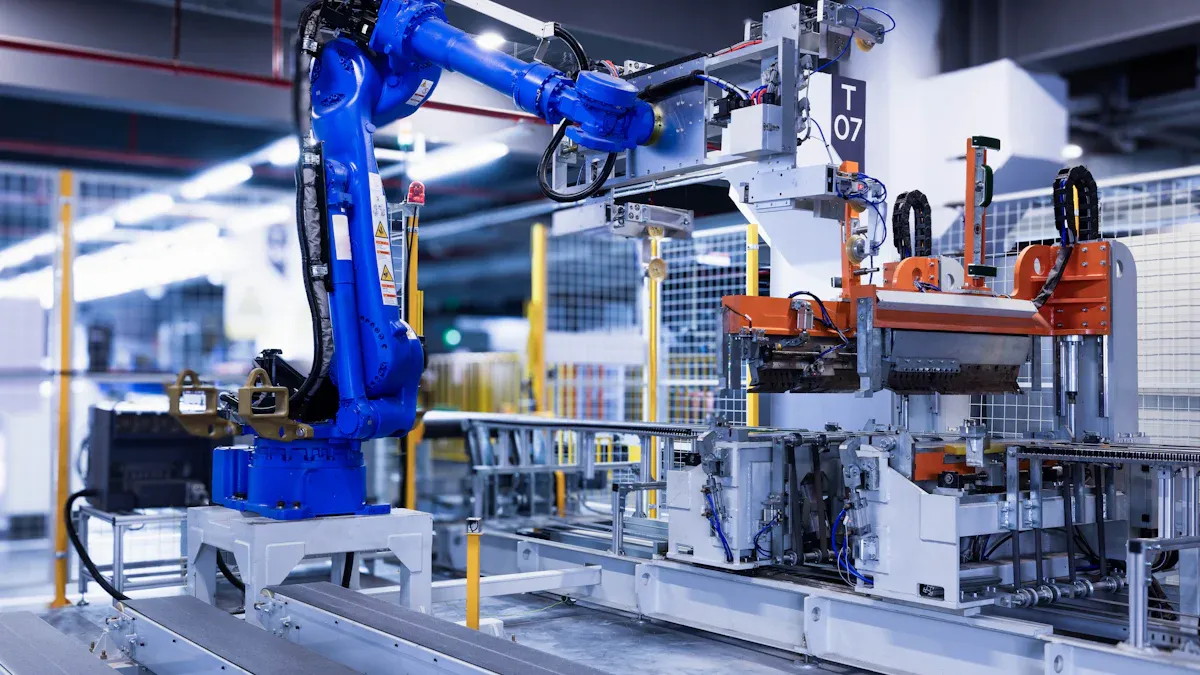
A spaghetti optical sorter operates as a three-step system to protect the food supply. It combines advanced imaging, intelligent processing, and rapid removal to create a powerful quality control checkpoint. This process ensures every strand of pasta meets exacting standards for safety and quality.
High-Speed Camera Inspection
The first step is a comprehensive inspection performed by high-resolution cameras. These cameras capture detailed images of every spaghetti strand as it moves along a conveyor belt at speeds up to 3 meters per second. This is not a simple photograph; it is a multi-layered analysis.
The system uses a combination of specialized lighting and advanced sensors to see what the human eye cannot. This allows it to detect imperfections on the surface and even inside the pasta.
The cameras employ a range of technologies to build a complete picture of each strand:
- High-Resolution Full-Color Cameras: These capture images with an optical resolution as fine as 0.09mm, identifying tiny black specks or discoloration.
- Near-Infrared (NIR) Sensors: This technology analyzes the chemical signature of an object, helping to distinguish between pasta and foreign organic matter.
- Ultraviolet (UV) Light: UV light causes certain materials to fluoresce. This reveals hidden contaminants or structural cracks that are invisible under normal light.
- 3D Stereo Cameras: These sensors measure the shape and geometry of each strand, easily spotting bent, broken, or clumped pieces.
This powerful combination of imaging technologies provides the system with a rich dataset for every single piece of spaghetti that passes through it.
Intelligent AI-Powered Analysis
The second step involves an artificial intelligence (AI) brain that analyzes the images in real-time. The spaghetti optical sorter uses sophisticated machine learning algorithms to process the data from the cameras. The system's AI is trained on millions of images, learning to distinguish between perfect spaghetti and a wide array of defects.
Advanced AI models, such as Convolutional Neural Networks (CNNs), are particularly effective. These networks excel at image classification and object recognition. They can identify complex "spaghetti-shape errors" and other atypical geometries that traditional image analysis methods struggle with. The AI compares each new image against its vast database.
The AI does more than just spot color differences. It learns to identify subtle patterns, textures, and shapes associated with defects, continuously improving its accuracy over time.
This intelligent system can differentiate between a harmless variation in the durum wheat and a genuine problem. For example, it can tell the difference between a slight color shift from natural grain and a dark spot caused by overheating. The AI's ability to self-learn allows it to adapt to daily variations in raw materials, ensuring consistent sorting performance.
Precise Air Jet Rejection
The final step is the physical removal of any identified defects. Once the AI flags a strand of spaghetti as imperfect or contaminated, the spaghetti optical sorter activates its rejection system. This system uses powerful and precise air jets.
A targeted blast of compressed air strikes the single flawed strand, blowing it off the production line and into a rejection bin. This action is incredibly fast and accurate, occurring in milliseconds. The system ejects the defective piece without disturbing the surrounding perfect strands. This mechanism is ideal for handling lightweight products like spaghetti at high speeds.
To ensure this precision never falters, the system requires regular maintenance. Key tasks include:
| Maintenance Action | Purpose |
|---|---|
| Check Air Filters | Ensures the compressed air is clean and dry. |
| Inspect Air Lines | Prevents leaks and maintains correct pressure. |
| Test Ejection Valves | Guarantees each valve operates correctly for precise rejection. |
This meticulous three-part process—inspection, analysis, and rejection—is how a spaghetti optical sorter acts as the ultimate guardian of pasta quality, ensuring only the best product makes it to your kitchen.
A spaghetti optical sorter serves as the ultimate quality gatekeeper. It catches defects and contaminants impossible for the human eye to spot. The market for this technology is projected to reach $4.8 billion by 2032, highlighting its critical role in modern food production.
This advanced system is the reason consumers can trust that every box of spaghetti delivers a safe, delicious, and consistently high-quality meal.
FAQ
How fast can a spaghetti optical sorter operate?
A spaghetti optical sorter inspects pasta strands moving at speeds up to 3 meters per second. This high-speed capability allows it to process large volumes of product efficiently.
Can the sorter handle other pasta shapes besides spaghetti?
Yes. Manufacturers calibrate optical sorters for various pasta shapes. The AI learns the unique size, color, and geometry of fusilli, penne, or macaroni to ensure consistent quality control.
Is human oversight still necessary with this technology?
Yes, human operators remain essential. Technicians perform critical functions to ensure the machine operates at peak efficiency and accuracy.
| Operator Role | Responsibility |
|---|---|
| Monitoring | Supervises system performance in real-time. |
| Maintenance | Manages and executes regular service schedules. |
| Calibration | Fine-tunes sorting parameters for new products. |
See Also
Capsule Sorters: Essential Technology for Flawless Product Defect Removal
Essential Industrial Checkweighers: Must-Have Solutions for Every Food Processing Plant
Key Capsule Checkweighers for Buyers to Evaluate in the Year 2025
Innovative Folder Gluer Features Trending in Next-Gen 2025 Carton Production Lines
Simple Maintenance Practices to Avoid Costly Dumbwaiter Elevator System Failures