Why Choosing a Household Water Purifier Supports a Healthy Lifestyle
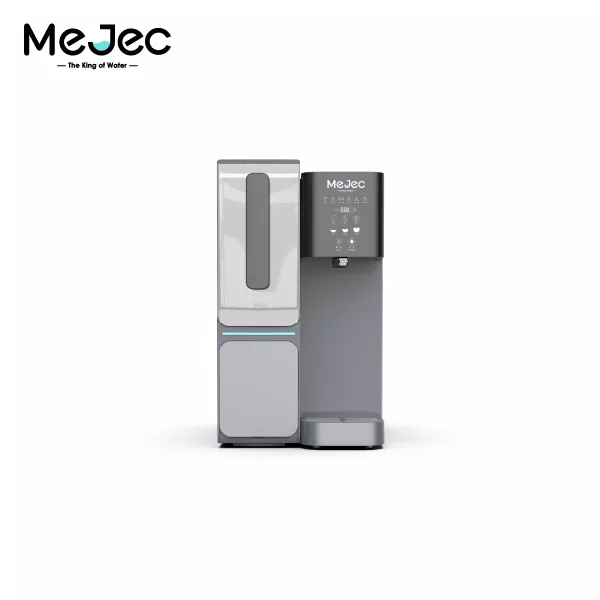
A household water purifier is essential for protecting your health. Even clear tap water can carry hidden risks. Millions experience health problems from contaminants, including higher cholesterol, liver changes, and increased cancer risk.
About 2.1 billion people worldwide still lack access to safe drinking water.
Key Takeaways
A household water purifier removes harmful contaminants from tap water, improving your health and hydration.
Using purified water benefits your skin and hair, leading to a healthier appearance and better cooking results.
Investing in a water purifier saves money and reduces plastic waste, making it an eco-friendly choice.
Unsafe Water Risks and Health Impact
Common Contaminants in Tap Water
Many people trust their tap water, but hidden contaminants can threaten your safety and health. Even clear water may contain chemicals, bacteria, and viruses that are not visible to the naked eye. The following table shows some common water contaminants found in municipal supplies and their effects:
Contaminant | Source/Health Effects |
|---|---|
PFAS | Linked to cancer, thyroid disease, hormone disruption, and reproductive harm. |
Nitrates | From agricultural runoff; can cause 'blue baby syndrome' and certain cancers. |
Copper | Essential nutrient; high levels can cause stomach upset and liver/kidney issues. |
Manganese | Elevated levels may impact neurological development in children. |
Chlorine/Chloramine | Used for disinfection; can form harmful byproducts linked to liver and kidney issues. |
Bacteria/Viruses | Such as E. coli; can lead to gastrointestinal illness. |
Radiological | Contaminants like radium and uranium can increase cancer risk over time. |
Pharmaceuticals | Detected due to poor disposal practices; can disrupt hormones. |
Fluoride | Added to reduce cavities; excessive exposure may cause dental or skeletal fluorosis. |
Lead often enters tap water through corroded pipes. Chlorine is added to kill bacteria and viruses, but it can also irritate skin and lungs. Microbial contamination sometimes happens when sewage leaks into the water supply, and many cysts resist standard disinfection. These chemicals and bacteria can lower tap water quality and put your safety at risk.
Health Problems Linked to Unsafe Water
Unsafe water can cause serious health problems. Bacteria and viruses are responsible for many illnesses, especially in children and older adults. The table below lists some germs and the symptoms they cause:
Germ | Symptoms |
|---|---|
Cryptosporidium | Watery diarrhea |
Campylobacter | Diarrhea, fever, stomach cramps |
E. coli O157 | Bloody diarrhea, severe stomach cramps, throwing up |
Enterovirus | Fever, runny nose, sneezing, cough, skin rash, mouth blisters, body aches |
Giardia | Diarrhea |
Hepatitis A virus | Dark urine, clay-colored poop, diarrhea, fatigue, fever, joint pain, nausea, jaundice |
Legionella | Cough, fever, headaches, muscle aches, shortness of breath |
Norovirus | Diarrhea, throwing up, nausea, stomach pain |
Rotavirus | Severe watery diarrhea, throwing up, fever, stomach pain |
Salmonella | Diarrhea (can be bloody), fever, stomach cramps |
💡 Each year, developed countries report thousands of cases of waterborne illness. Studies show a median of 2,720 gastrointestinal illnesses per 100,000 people caused by drinking water. Some areas report up to 6,300 cases per 100,000. These numbers highlight the importance of water safety and the need to protect your health from bacteria, viruses, and chemicals in your home.
Household Water Purifier Benefits for Health
Safer Drinking and Better Taste
A household water purifier transforms your daily hydration routine. It removes harmful contaminants from tap water, including PFAS, chlorine, heavy metals, and bacteria. This process protects your health and delivers clean water that tastes fresh and pure. Many filters use activated carbon or reverse osmosis membranes to reduce PFAS and other toxins. Regular maintenance keeps these units working at peak performance.
Filter Type | Effectiveness | Maintenance Requirements |
|---|---|---|
GAC | Reduces PFAS | Requires regular maintenance |
IX | Reduces PFAS | Requires regular maintenance |
RO | Reduces PFAS | Requires regular maintenance |
Activated carbon filters operate through adsorption. Contaminants stick to the carbon as water passes through, removing chlorine and organic substances. This process improves water taste and makes drinking more enjoyable. The Mejec Desktop Household Water Purifier uses advanced UV sterilization to eliminate bacteria, viruses, and protozoa. UV technology works instantly, providing safe drinking water without chemicals. You get clean water on demand, which supports a healthy lifestyle.
Tip: Filters labeled as purifiers are designed to remove bacteria. Always check the specifications before buying.
Healthier Skin, Hair, and Cooking
Clean water does more than protect your health. It also benefits your skin, hair, and cooking. Purified water rinses soap away better, leaving less residue and improving moisture retention. You may notice less irritation and dryness after washing. Hair feels softer, shines brighter, and breaks less often. Over time, you enjoy healthier skin texture and stronger hair.
Skin benefits: Better rinsing, less residue, improved moisture, reduced irritation.
Hair benefits: Softer feel, brighter shine, less color fading, less breakage.
Long-term benefits: Healthier skin, reduced dryness, stronger hair, slower visible aging.
Cooking with clean water enhances the taste and nutritional quality of your meals. Contaminants like chlorine and heavy metals can change the flavor and health benefits of food. Purified water lets rice express its natural sweetness and aroma. You get consistent textures and improved water taste in every dish.
Environmental and Cost Savings
Switching to a household water purifier reduces plastic waste and saves money. Bottled water creates mountains of plastic that harm the environment. Using a purifier means fewer bottles and less pollution. You also save hundreds of dollars each year.
Household Size | Annual Savings |
|---|---|
Single Person | $354 |
Family of Four | $1,416 |
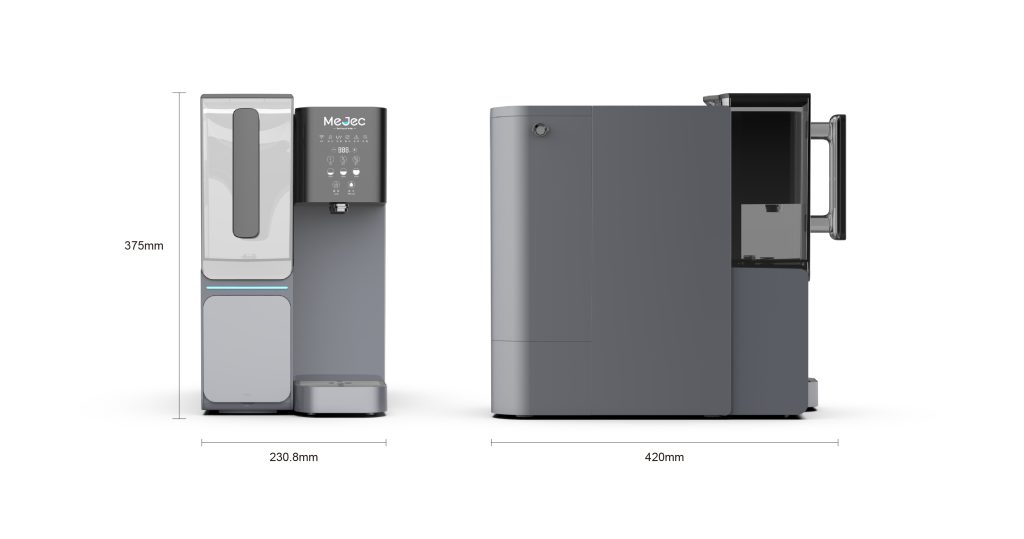
The Mejec Desktop Household Water Purifier offers plug-and-play convenience. You set it up anywhere and enjoy clean water in seconds. Instant heating technology gives you hot water for tea or noodles in just three seconds. The large-capacity tank means fewer refills and more hydration throughout the day. Quick-change filter cartridges make maintenance easy, so you always have safe drinking water.
Choosing a household water purifier is a smart investment. It supports your health, improves your daily routine, and helps protect the planet.
Choosing the Right Water Filter and Whole Home Water Filtration
Assessing Your Water Quality
Start your journey to safer water by testing your tap water quality. You can use these methods:
DIY home water testing kits give you quick results for bacteria, pH, and lead.
Professional lab testing offers a deeper look at uncommon contaminants.
Always use sterile sample bottles to avoid false results.
Keep a notebook and pen handy to track your findings.
Test your water at least once a year for bacteria, nitrates, total dissolved solids, and pH. If you live in a rural area or have a private well, check with your local health department for extra recommendations. More frequent testing may be needed if you have young children, recent plumbing repairs, or known risks.
Comparing Water Filter Technologies
Choosing the right water filter means understanding how each technology works:
Activated carbon removes pesticides and organic compounds, improving taste and odor.
UV disinfection kills bacteria, viruses, and parasites but does not remove chemicals.
Multi-stage filters combine activated carbon, UV, and sometimes reverse osmosis for broad purification.
Reverse osmosis filtration is highly effective for removing pesticides and many other contaminants.
Maintenance matters. Replace reverse osmosis membranes every 2-5 years and carbon filters every 6-12 months. UV lamps need yearly replacement. The amount of contaminants, water usage, and maintenance practices all affect filter lifespan.
When to Consider Whole Home Water Filtration
Whole home water filtration, also called point-of-entry systems, treats all water entering your house. This solution is best for large families or anyone who wants every tap, shower, and appliance to deliver clean water. These systems protect your health during drinking, cooking, and bathing.
Point-of-use systems, like countertop or under-sink purifiers, focus on specific taps. They are ideal for apartments, condos, or renters who need portable water treatment solutions. Most landlords do not allow major plumbing changes, so compact filters are a smart choice for small spaces.
System Type | Cost | Installation Requirement |
|---|---|---|
Whole Home Filtration | Generally more expensive | Requires professional installation |
Countertop Water Purifier | More affordable | Easier to install, often DIY |
Tip: For small apartments, choose a portable filter that fits your space and budget. For large homes, invest in whole home water filtration to cover every water source.
Whole home water filtration gives you peace of mind. Point-of-use systems offer flexibility and convenience. Choose the water treatment solutions that match your needs, space, and lifestyle.
Choosing a household water purifier leads to better hydration, improved wellness, and a healthy lifestyle. Clean water supports your body every day. Many families face barriers like cost and access, but advanced solutions such as the Mejec Desktop Household Water Purifier make clean water simple.
Investing in clean water means long-term wellness for you and your family.
FAQ
How often should I replace the filter in my water purifier?
For best results, change the filter every 6 to 12 months. This keeps your water fresh and your purifier working at peak performance.
Can a water purifier improve the taste of my tap water?
Absolutely! Purifiers remove chlorine, metals, and other impurities. You will notice a cleaner, fresher taste in every glass.
Is the Mejec Desktop Household Water Purifier easy to set up?
Yes, it features a plug-and-play design.
No installation needed.
Just add water and enjoy instant, purified hydration.