Household Sewage Treatment plant makes eco-friendly living simple
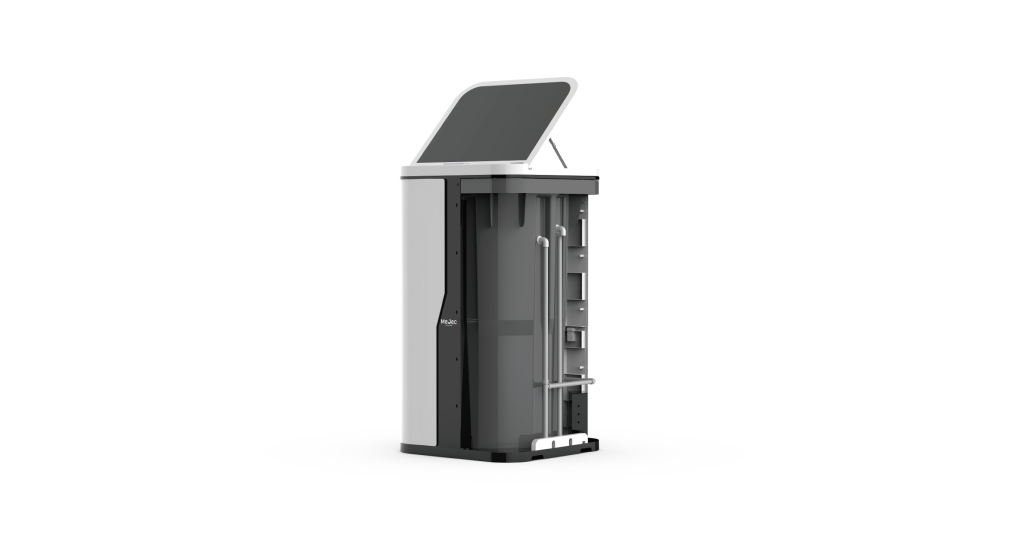
A household sewage treatment plant like the Mejec Scavenger helps homeowners turn daily wastewater into reusable water. The system meets local standards and fits many home types. See common benefits in the table below:
Benefit | Description |
|---|---|
Wastewater Treatment | Treats all household water, ensuring compliance. |
Water Reuse | Purifies water for irrigation and toilets, saving fresh water. |
Energy Efficiency | Uses minimal electricity, promoting sustainability. |
User Convenience | Automatic operation and remote monitoring reduce work for owners. |
Key Takeaways
Household sewage treatment plants, like the Mejec Scavenger, turn wastewater into reusable water, promoting eco-friendly living.
These systems save fresh water by purifying water for irrigation and toilet flushing, helping lower utility bills.
Modern treatment plants operate efficiently with low energy use, making them a sustainable choice for homeowners.
Residential Sewage Treatment Plant Overview
What Is a Household Sewage Treatment Plant?
A household sewage treatment plant is a modern solution for managing all the wastewater produced in a home. This type of system uses advanced technology to treat sewage from toilets, kitchen sinks, showers, and laundry. The Mejec Scavenger is a leading example. It uses the MHAT+ process, which combines biological treatment, filtration, and disinfection. This process removes contaminants and produces clean water that can be reused for irrigation or toilet flushing.
Many people wonder how a household sewage treatment plant compares to a traditional septic tank. The table below highlights the main differences:
Feature | Household Sewage Treatment Plant | Septic Tank |
|---|---|---|
Treatment Process | Aerobic (with oxygen) | Anaerobic (without oxygen) |
Maintenance | Requires periodic checks | Requires periodic pumping |
Installation and Operation Cost | Higher than septic systems | Generally lower |
Odor Production | Relatively odor-free | Characteristic septic odor |
Age of Technology | Newer development (less than 10 years) | Established technology |
A household sewage treatment plant like the Mejec Scavenger is suitable for decentralized locations such as villas, hostels, and scenic spots. It can handle both kitchen and toilet waste, making it a complete solution for residential needs.
How Residential Wastewater Treatment Systems Work
Residential wastewater treatment systems use several steps to clean water before it returns to the environment or is reused. The Mejec Scavenger follows a multi-stage process to ensure high-quality results. Here is a typical sequence:
Screening: The system removes large solids from the incoming wastewater.
Grit Removal: Fine particles, oils, and grease are separated.
Primary Settling: Sludge and fats settle out of the water.
Aeration: Air is added to promote the growth of helpful bacteria that break down contaminants.
Secondary Settling: The water is clarified, removing more solids.
Filtration: The system filters the water to remove any remaining particles.
Disinfection: Chemicals or UV light kill harmful bacteria.
Aeration: Additional air ensures the treated water is safe and oxygen-rich.
This process allows the Mejec Scavenger to treat both blackwater and greywater. The result is water that meets strict discharge standards and can be reused safely. Unlike a traditional septic tank, which relies mostly on natural bacterial action, a household sewage treatment plant uses advanced technology for better results.
Key Features of Modern Sewage Treatment Plants
Modern sewage treatment plants offer many features that make them efficient and user-friendly. The Mejec Scavenger stands out with its compact size, low energy use, and smart operation. It measures only 0.7m x 0.7m x 1.26m and weighs 70kg, so it fits easily in most homes. The system uses less than 40W of power and includes solar energy integration, which helps reduce electricity costs and supports eco-friendly living.
Some of the most popular smart features in current models include:
Feature | Description |
|---|---|
Modes of Operation | Flushing, irrigation, and direct discharge with automatic switching |
Power Consumption | Operating power is less than 40W |
Noise Level | Less than 45dB during night operation |
Remote Control | 4G and WIFI transmission for operation signals |
Solar Energy Integration | Equipped with solar energy management modules |
Remote Assistance | One-click remote help from professional engineers |
The Mejec Scavenger also offers remote monitoring and assistance. Homeowners can check the system’s status and get help from engineers without leaving their homes. The package treatment system operates quietly and efficiently, making it a good choice for families who want a certified residential wastewater treatment system.
Modern residential wastewater treatment systems, like the Mejec Scavenger, treat wastewater more thoroughly than alternative residential wastewater treatment systems such as septic tanks. These systems produce water clean enough for reuse in irrigation and other non-potable uses. The combination of smart features, solar energy, and reliable operation makes these individual waste treatment systems a top choice for sustainable living.
Eco-Friendly Benefits of Wastewater Treatment
Water Reuse and Conservation
Water is a valuable resource. Many homes use large amounts of water for daily activities. A household sewage treatment plant helps reduce waste by turning used water into a resource. The Mejec Scavenger system treats sewage from toilets, kitchens, and showers. After treatment, the water becomes clean enough for several uses around the home.
Homeowners can use treated water for irrigation and toilet flushing. This practice saves fresh water and lowers utility bills. The table below shows common applications for reused water from residential wastewater treatment systems:
Application Type | Description |
|---|---|
Potable Reuse | Treating wastewater to be safe for drinking water. |
Irrigation | Using recycled water for landscape and agricultural irrigation. |
Industrial Use | Supplying industries with treated water for manufacturing processes. |
Groundwater Replenishment | Injecting treated water into aquifers to enhance freshwater supplies and combat saltwater intrusion. |
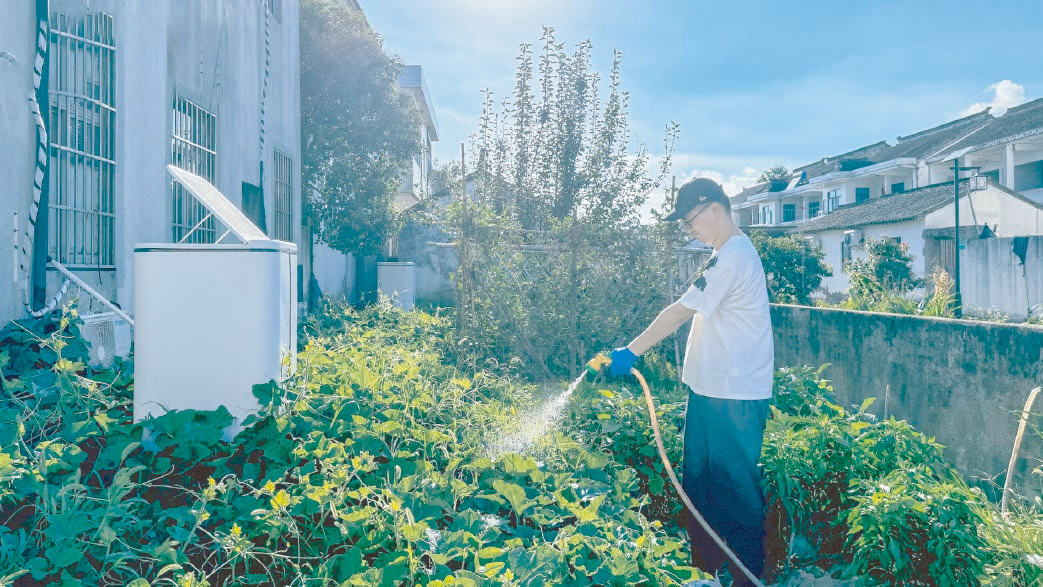
Most homes use treated water for irrigation and toilet flushing. These uses help conserve water and support eco-friendly living. The Mejec Scavenger makes this process simple with automatic switching between modes. Homeowners do not need to worry about complex controls. The system provides a reliable supply of reusable water for daily needs.
Tip: Using treated water for irrigation keeps gardens green even during dry seasons. It also reduces the demand on local water supplies.
Pollution Reduction and Compliance
Untreated sewage can harm the environment. It can pollute rivers, lakes, and groundwater. This pollution can lead to harmful algal blooms, disrupt aquatic life, and spread diseases. Proper treatment of residential wastewater protects both people and nature.
Modern residential wastewater treatment systems remove harmful substances from sewage. The Mejec Scavenger uses advanced processes to lower levels of nitrogen, phosphorus, and other pollutants. The chart below shows how much these pollutants can be reduced:
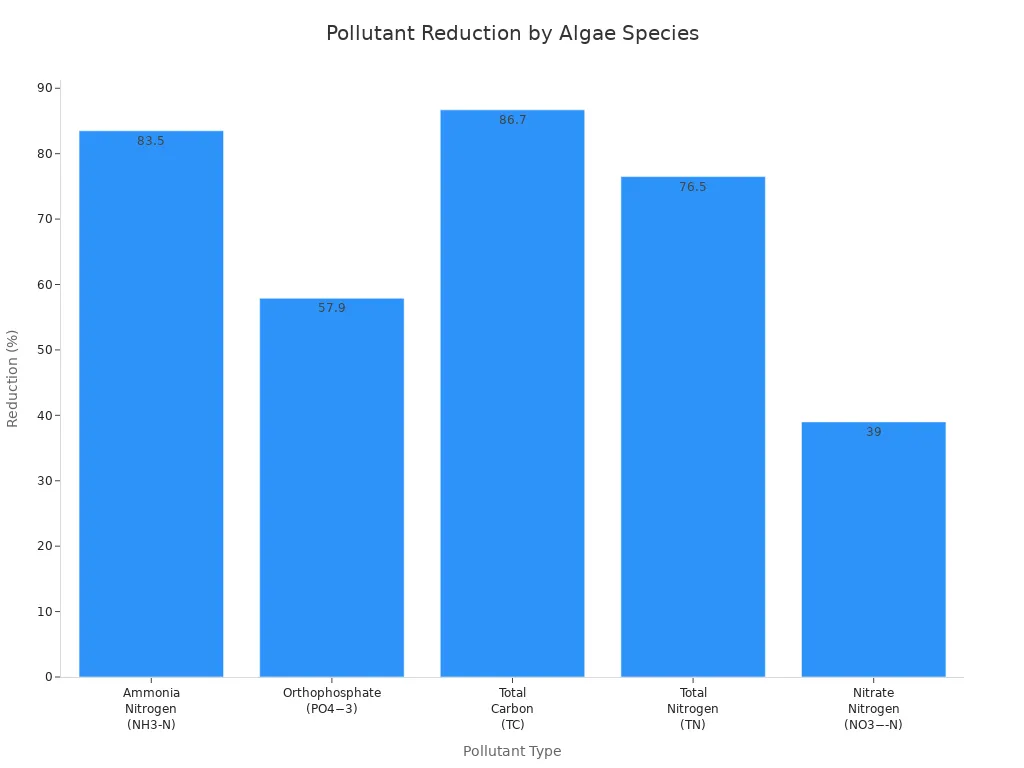
Treated water from these systems meets strict discharge standards. The table below lists some of the main regulations that guide effluent disposal and ensure compliance:
Standard Type | Description |
|---|---|
NPDES Permits | Establish discharge limits and conditions for municipal wastewater treatment facilities. |
Secondary Treatment Standards | Minimum, technology-based standards for discharges from municipal wastewater treatment facilities. |
NJPDES Regulations | Local regulations that require compliance for indirect users of sewage treatment plants. |
Household sewage treatment plants also follow federal and state guidelines. These rules protect public health and the environment. The Clean Water Act, for example, prohibits unpermitted discharge of pollutants. Each state has its own codes for wastewater management. The Mejec Scavenger helps homeowners meet these standards with reliable treatment and safe effluent disposal.
Note: Proper sewage treatment prevents contamination of drinking water sources and keeps communities safe.
Sustainable Living Made Simple
Sustainable living means using resources wisely and reducing harm to the environment. Smart, low-energy sewage treatment systems play a key role in this effort. The Mejec Scavenger uses less than 40W of power and includes solar energy integration. This design lowers energy use and reduces the home's carbon footprint.
Many wastewater treatment plants use a lot of energy. Studies show that smarter, low-energy systems can cut energy use by over 70%. Only a small number of treatment systems are energy efficient today. The Mejec Scavenger stands out by offering high efficiency and smart operation. Homeowners can monitor the system remotely and receive help from engineers if needed.
Wastewater can lead to contamination of drinking water sources.
It contributes to eutrophication, which disrupts aquatic ecosystems.
Proper treatment processes remove harmful pollutants, making treated wastewater safer for discharge.
Residential wastewater treatment systems like the Mejec Scavenger make sustainable living easy. They treat sewage, conserve water, and use less energy. Homeowners enjoy peace of mind, knowing their system supports both their needs and the environment.
🌱 Choosing a smart, energy-efficient sewage treatment system is a simple step toward a greener future.
Installation & Care for Homeowners
Easy Setup and Compact Design
Installing a residential wastewater treatment system like the Mejec Scavenger follows a clear process. Homeowners begin by researching funding options and capacity needs. Next, project planning meetings help set budgets and address possible issues. Permits from local authorities must be secured before construction starts. The plant and supporting infrastructure are then built, followed by testing to ensure proper operation. Most installations take only a few days to complete.
For homes with limited space, compact sewage systems are ideal. The Mejec Scavenger requires less than 10 square meters, making it suitable for villas, hostels, and even properties with no available land. Above-ground installation in a garage or cellar is possible, which is not an option for traditional septic systems. This flexibility allows homeowners to choose the best location for their wastewater treatment system.
Tip: Compact design means the system fits easily in most residential settings, saving valuable outdoor space.
Maintenance and Remote Services
Routine care for residential sewage treatment systems is simple. Most tasks involve monitoring household size, evaluating tank capacity, and adjusting maintenance schedules based on usage. Regular checks ensure proper filtration and treatment. The table below outlines common maintenance tasks and their frequency:
Maintenance Task | Frequency |
|---|---|
Determine household size | As needed |
Evaluate septic tank capacity | As needed |
Adjust maintenance schedule | Based on usage |
Monitor waste disposal habits | Regularly |
Ensure adequate filtration and treatment | Regularly |
Remote monitoring technology adds convenience. Homeowners can view system performance in real time, detect early signs of malfunction, and reduce the need for on-site visits. This proactive approach lowers operational costs and minimizes downtime. The Mejec Scavenger operates quietly, with noise levels below recommended limits, ensuring a peaceful home environment.
Is a Household Sewage Treatment Plant Right for You?
Choosing a residential wastewater treatment system depends on several factors. Homeowners should consider site inspection results, soil evaluations, and installation notices. The table below lists important criteria:
Criteria | Description |
|---|---|
Site Inspection | County Board of Health checks absorption rates, soil, and groundwater. |
Soil Evaluations | Certified professionals must assess soil and provide insurance certificates. |
Installation Notice | Installers inform owners about installation type and maintenance needs. |
Cost is another consideration. Initial investments vary by size and technology, but advanced systems like the Mejec Scavenger offer long-term savings through efficient operation and compliance. Homeowners seeking alternative residential wastewater treatment systems should review their property’s needs and local regulations before making a decision.
A household sewage treatment plant helps families reuse water, reduce disposal costs, and avoid septic system issues. Water reuse lowers freshwater use, preserves aquatic systems, and supports local supply. Growing demand for these systems shows more homeowners want eco-friendly solutions that are easy to maintain and monitor.
FAQ
How often does the Mejec Scavenger need maintenance?
Most homeowners check the system every few months. The smart monitoring feature alerts you if service is needed.
Can treated water from the system be used for drinking?
No, the treated water is not for drinking. It is safe for irrigation and toilet flushing.
Is installation possible in homes with limited space?
Yes. The compact design fits small spaces, including garages or cellars. It works well for villas, hostels, and scenic spots.