A Homeowner’s Guide to Sewage Treatment Plant Costs in 2026
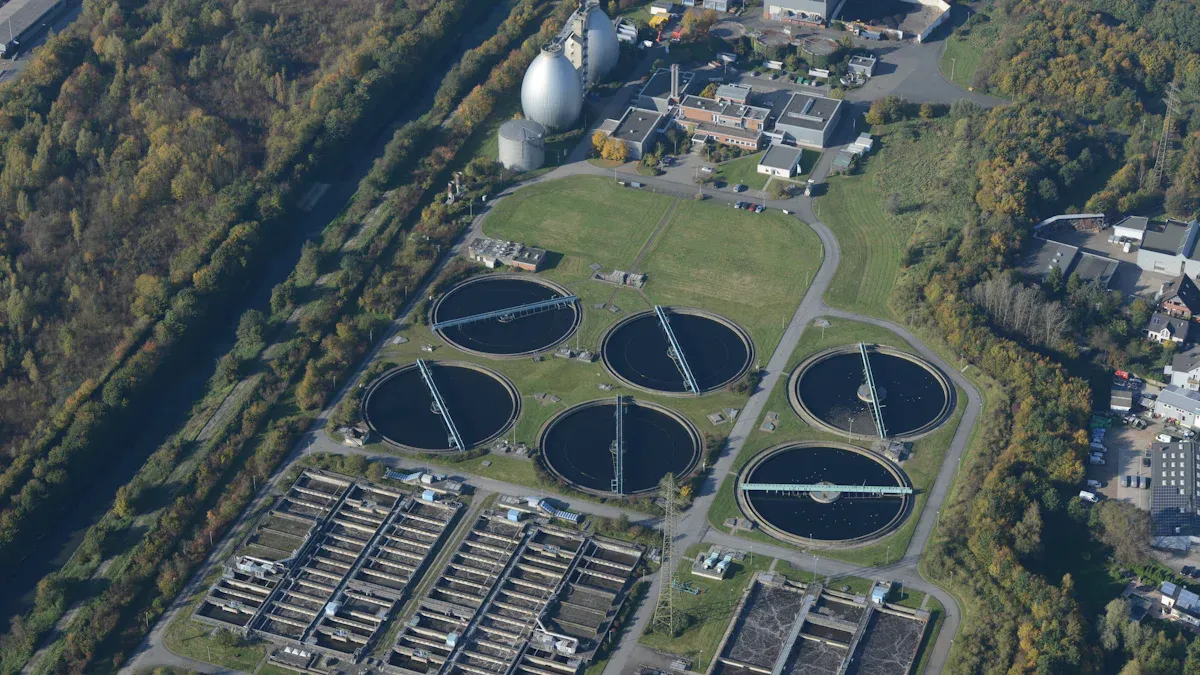
If you plan to install a house sewage treatment plant in 2026, you can expect the following costs:
- New installation: $6,000 to $25,000+
- Replacement system: $8,000 to $30,000+
The total price covers several parts:
| Component | Description |
|---|---|
| Construction materials | Cement, steel, and lumber |
| Equipment | Valves, pipes, and pumps |
| Labor | Installation and setup |
| Chemicals | Used for treatment and disinfection |
| Electricity | Power for running the system |
Key Takeaways
- Expect installation costs for a house sewage treatment plant to range from $6,000 to $30,000, depending on the system type and complexity.
- Plan for ongoing expenses, including energy, chemicals, and routine maintenance, which can significantly impact your budget over time.
- Consult local authorities early to understand permits and regulations, helping you avoid unexpected costs and delays.
House Sewage Treatment Plant Cost Breakdown
Planning and Design Fees
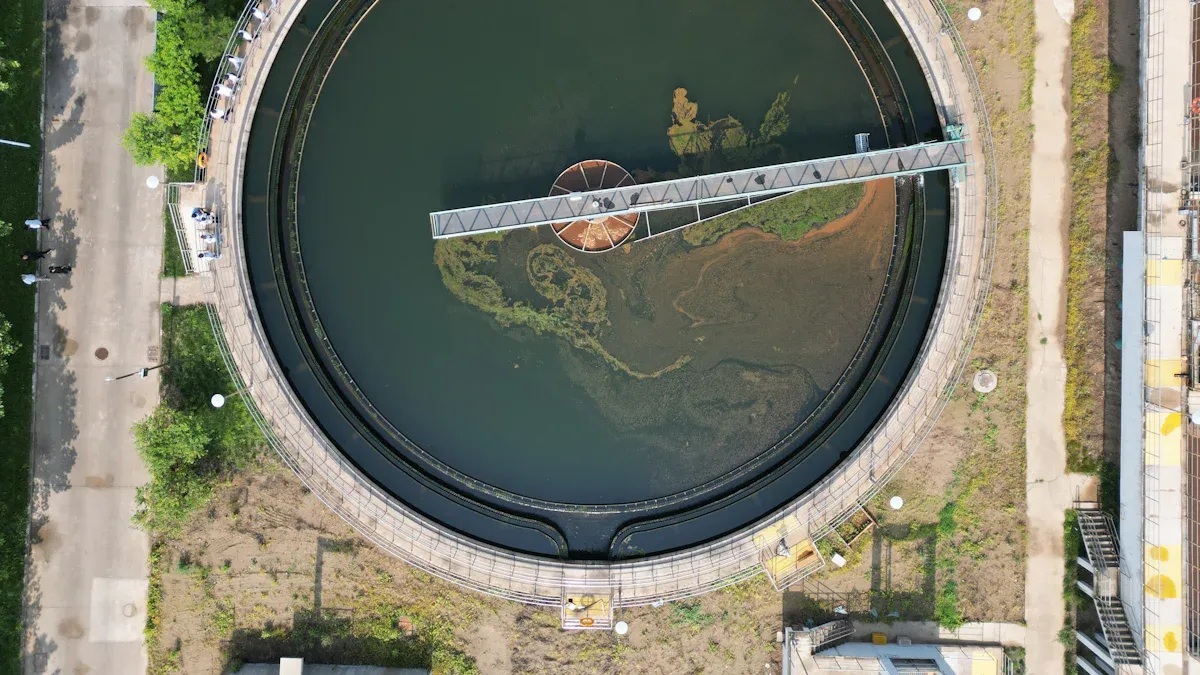
You start your project with planning and design. These fees cover the work of engineers and consultants who help you choose the right system for your home. They look at your property size, soil type, and local rules. You pay for site surveys, system layout, and technical drawings. Most homeowners spend between $1,000 and $3,000 for this stage. Good planning helps you avoid costly mistakes later.
Construction and Site Preparation
Construction and site preparation make up a large part of your budget. You need to clear the land, dig trenches, and prepare the ground for your house sewage treatment plant. The cost depends on your soil and what lies beneath the surface.
- If your property has rocky soil or hidden obstacles, you may face delays and higher costs.
- Deeper and wider excavations need more time and resources.
- The type of sludge and wastewater you expect will affect the treatment process and the amount of structural work required.
- The arrangement of pipes and control systems also changes based on your site, which can raise construction costs.
You can use boring logs and topographical maps to predict excavation needs, but surprises sometimes happen. Most homeowners spend $2,000 to $8,000 on this step.
Equipment and Materials
You need reliable equipment and quality materials for your house sewage treatment plant. Pumps, valves, pipes, and tanks form the backbone of your system. The choices you make here affect both your upfront costs and your long-term expenses.
- High-efficiency equipment may cost more at first, but it saves you money on energy and repairs.
- Cheaper equipment can lead to higher energy bills and more frequent maintenance.
- The technology you choose depends on the quality of water you want to discharge and local regulations.
- Modern systems, like LED UV disinfection, may have higher initial costs but lower operating expenses.
- Advanced blowers can reduce aeration energy by up to 35% compared to older models.
Expect to spend $2,500 to $10,000 on equipment and materials, depending on your choices and local requirements.
Installation Labor
Skilled workers install your house sewage treatment plant. Labor costs depend on the complexity of your system and the experience of your crew. If your site is hard to reach or has tough soil, you may pay more for labor. Most homeowners spend $2,000 to $6,000 for installation. You should hire licensed professionals to ensure your system works safely and meets all standards.
Permits and Regulatory Fees
You must get permits before you build your house sewage treatment plant. Permit fees vary by location. In Ontario, you pay between $500 and $1,200 for a new septic system permit. Some areas charge extra for inspections, with fees around $142 per visit. Local rules and environmental regulations can add to your costs. You may need to pay for legal fees and environmental assessments. These costs are similar for small and large systems. You must follow discharge limits and other rules to avoid fines or delays.
Tip: Always check with your local authorities before starting your project. This helps you understand all the fees and requirements.
House Sewage Treatment Plant Operating and Maintenance Costs
Energy Consumption
You pay for energy every month to run your house sewage treatment plant. Aeration and pumping use the most electricity. Energy costs make up 25% to 40% of your total operating expenses. If you choose energy-efficient equipment, you can save money. For example, some counties saved over $180,000 each year by installing smart control systems. Upgrading to LED lighting or biogas boilers also cuts costs. These changes help you lower your bills and reduce your impact on the environment.
Chemicals and Consumables
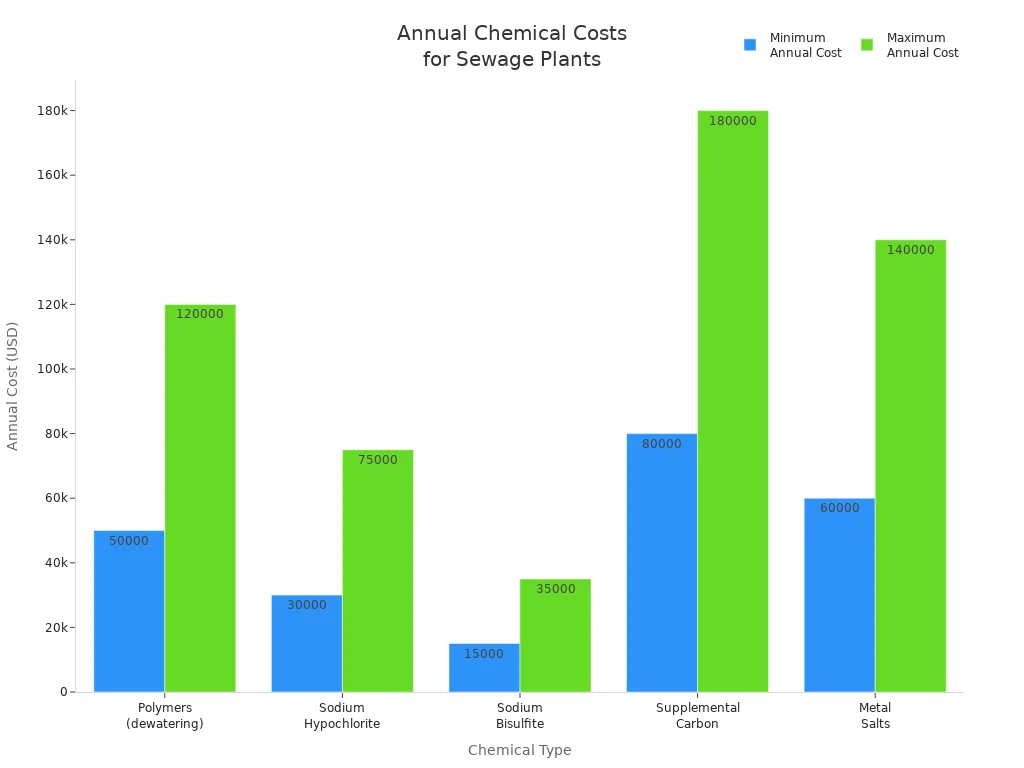
You need chemicals to keep your system working well. These chemicals adjust pH and disinfect water. Polymers, sodium hypochlorite, and metal salts are common. Chemical costs can add up quickly. Here is a table showing typical annual costs for a medium-sized plant:
| Chemical | Usage | Cost per Unit | Annual Cost (2 MGD Plant) |
|---|---|---|---|
| Polymers (for dewatering) | 5-20 lb active polymer/ton | $2.50-$5.00 per pound | $50,000-$120,000 |
| Sodium Hypochlorite | 5-15 mg/L chlorine dose | $0.80-$1.50 per gallon | $30,000-$75,000 |
| Sodium Bisulfite | 1.1 lb per lb chlorine residual | $0.50-$0.90 per pound | $15,000-$35,000 |
| Supplemental Carbon | 3-4 lb per lb nitrate-nitrogen | $0.40-$0.75 per pound | $80,000-$180,000 |
| Metal Salts | 8-15 lb alum per lb phosphorus | $0.35-$0.65 per pound | $60,000-$140,000 |
Routine Servicing and Repairs
You must service your system regularly. Most systems need checks twice a year, but some only need annual servicing. Routine maintenance keeps your plant running smoothly and helps you follow local rules. Here is a table of typical costs:
| Service Type | Cost Range |
|---|---|
| Pumping | $250 - $500 every 3-5 years |
| Inspections | $100 - $500 annually |
| Minor repairs | $300 - $1,000 |
| Major repairs | $5,000 - $20,000+ |
| Full replacement | $6,800 - $15,000+ |
Tip: Regular checks help you avoid expensive repairs later.
Sludge Removal and Disposal
Your house sewage treatment plant produces sludge. You need to remove and dispose of it safely. Biosolids management adds to your yearly costs. Transportation and disposal fees depend on local rules and the amount of sludge your system creates. You should plan for these costs to keep your system working well and protect the environment.
Factors Influencing House Sewage Treatment Plant Costs
Property Size and Household Needs
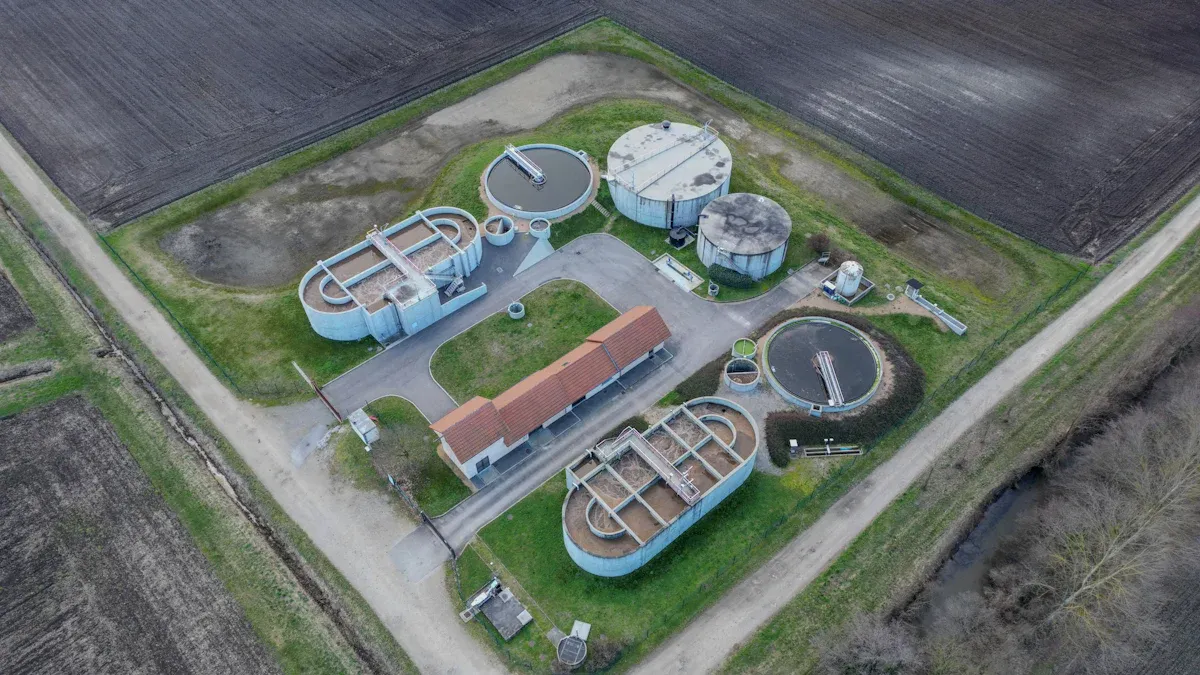
Your property size and the number of people in your home play a big role in cost. Larger homes need bigger systems to handle more wastewater. If you have many bathrooms or a large family, you will need a system with higher capacity. Small homes with fewer people can use smaller, less expensive systems. You should think about your future needs before choosing a system size.
Local Regulations and Permitting
Local rules and permits affect your budget. Each area has its own requirements for sewage treatment. You may need to follow strict rules about where you place your system. Some places require extra inspections or environmental studies. These steps add time and cost to your project. You should check with your local authorities early to avoid surprises.
Technology and System Type
The type of technology you choose changes both your initial and ongoing costs. Some systems use advanced methods like UV disinfection or smart controls. These options cost more at first but can save money over time. The table below shows how different cost components compare:
| Cost Component | Description | Percentage of Operational Costs |
|---|---|---|
| Energy Consumption | Aeration and pumping use a lot of electricity. | 25% to 40% |
| Chemicals | Needed for pH adjustment and disinfection. | N/A |
| Labor | Skilled workers keep your system running. | 20% to 30% |
| Maintenance and Repairs | Regular checks and fixes keep things working well. | N/A |
| Biosolids Management | You pay to transport and dispose of sludge. | N/A |
Site Accessibility and Soil Conditions
Your site’s layout and soil type can raise costs. You must place your system at least 10 feet from buildings and 50 feet from wells or streams. Gravity flow works best, so flat areas or hill crests are ideal. If your soil is clay loam with a percolation rate of 120 mpi, you should keep slopes under 3%. Faster-draining soils allow for steeper slopes, up to 12%. If your site is hard to reach or has rocky ground, you may pay more for digging and setup.
Budgeting and Planning for a House Sewage Treatment Plant
How to Get Accurate Cost Estimates
You should start by gathering quotes from at least three licensed contractors. Ask each contractor for a detailed breakdown of costs. This helps you compare prices and spot hidden fees. Visit your local building department to learn about permit fees and inspection costs. You can also talk to neighbors who have installed similar systems. They may share helpful tips or recommend trusted professionals. Always check that your estimate includes planning, equipment, installation, and ongoing maintenance.
Tip: Request written estimates. This protects you from unexpected charges later.
Financing and Payment Options
Paying for a sewage treatment system can feel overwhelming. You have several ways to manage the cost. Many homeowners use loans, grants, or bonds. Some programs offer low interest rates or even principal forgiveness for certain communities. Here is a table showing common financing options for 2026:
| Financing Option | Description | Interest Rates | Additional Notes |
|---|---|---|---|
| General Obligation Bonds | Backed by municipality’s full faith and credit | 2.5-4.5% | May need voter approval |
| Revenue Bonds | Backed by utility revenues only | 3.0-5.0% | No voter approval required |
| State Revolving Funds (SRF) | Below-market interest rates | 0.5-2.5% | May include principal forgiveness |
| WIFIA | Low-interest loans for large projects | N/A | Up to $1 billion available |
| EPA WIIN Act Grants | Grants for small/disadvantaged communities | N/A | Up to 75% of project cost |
| USDA Rural Development Grants | Grants for rural communities | N/A | Up to 75% of project cost |
| CDBG | Community-specific funding | N/A | Varies by community |
| State SRF Principal Forgiveness | Forgives part of the loan principal | N/A | 10-50% of project cost, varies by state |
You should ask your contractor or local government about these options. Some programs focus on rural or disadvantaged areas.
Ways to Save on Costs
You can lower your expenses with smart planning. Here are some ways to save:
- Choose energy-efficient equipment to reduce monthly bills.
- Schedule regular maintenance to avoid costly repairs.
- Compare quotes from several contractors.
- Look for rebates or grants in your area.
- Install your system during the off-season when labor rates may be lower.
Note: Good planning and research can help you stay within your budget and avoid surprises.
You face many costs when planning a house sewage treatment plant. Think about design, equipment, and ongoing maintenance. For expert help, reach out to professionals like those below:
| Name | Title and Organization |
|---|---|
| Katherine Jashinski | Austin Water Utility, Supervising Engineer |
| Andrew Jones | Washington State Department of Health, Program Supervisor |
| Jocelyn W. Jones | Washington Department of Health, Policy Lead |
| Tiffani Kavalec | US EPA, Region V, Chief of Staff |
You make better choices with guidance from experts.
FAQ
How often should you service your house sewage treatment plant?
You should schedule maintenance at least once a year. Some systems need checks twice a year. Regular service keeps your system safe and efficient.
Can you install a sewage treatment plant yourself?
You should not install it yourself. Only licensed professionals can ensure safety and meet local regulations. DIY installation may lead to fines or system failure.
What happens if you do not maintain your system?
- You may face:
- Costly repairs
- Health risks
- Fines from local authorities
Regular maintenance protects your investment and your health.
See Also
Understanding Semi-welded Plate Heat Exchangers for 2025 Industry
Cost Benefits and Advantages of Plate Packs in 2025
Benefits of Commercial Heat Exchangers to Explore in 2025
Best Precoating Materials for Filtration Systems in 2025
Comparing EHEDG Guidelines with 3A SSI Standards for Hygiene