Hot Water Dispenser vs Electric Kettle The Ultimate Tea Showdown
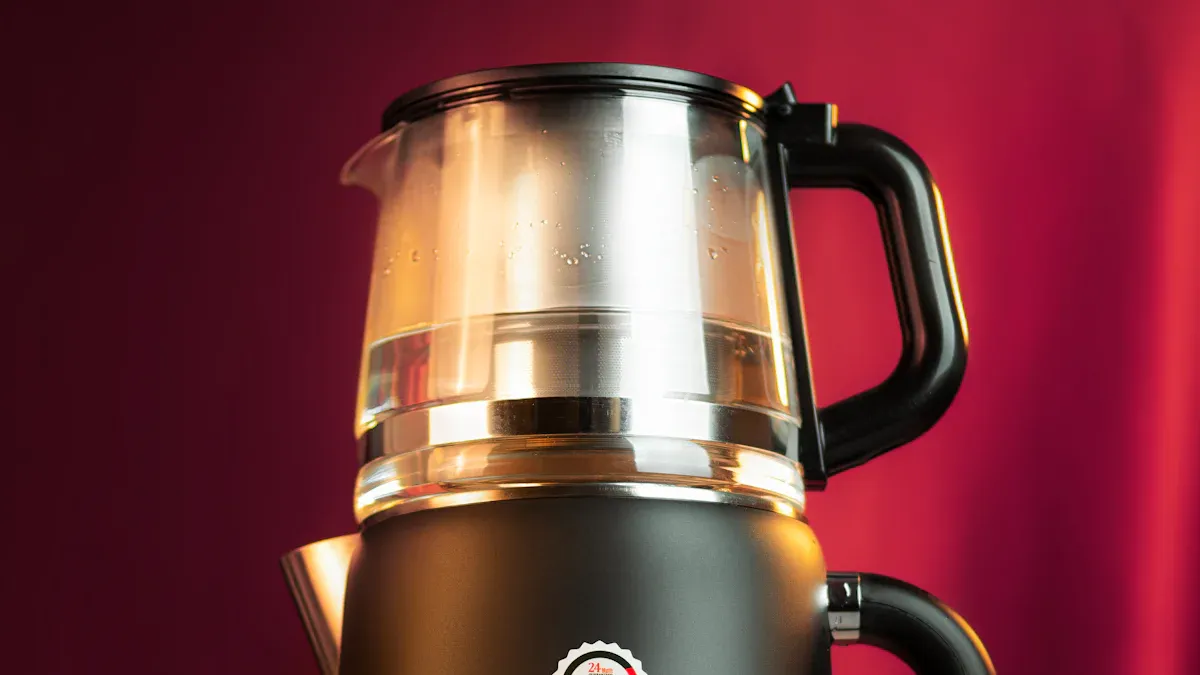
An electric kettle is a great choice for occasional tea drinkers. It is affordable and easy to move around. A hot water dispenser for tea is better for people who drink tea often. It gives you instant hot water and saves energy over time.
For example, in the UK, people drink over 100 million cups of tea daily. That is a lot of tea! If you drink that much, a dispenser is very helpful. In the US, people drink less tea, so a kettle might be enough.
Tea Fact 🍵 The average person in the UK consumes 1.82 kg of tea each year. In the US, the average is much lower at 0.486 kg per person. Your tea habit helps decide which appliance is best for you.
Choosing the right appliance depends on how much tea you enjoy. Your daily routine will guide you to the perfect choice for your kitchen.
Key Takeaways
- Choose a hot water dispenser for instant hot water if you drink tea often. It saves time and energy for frequent use.
- Pick an electric kettle if you drink tea sometimes. It costs less upfront and is easy to move around.
- Your daily tea habit helps you decide. Think about how much tea you drink and your budget.
Convenience and Speed
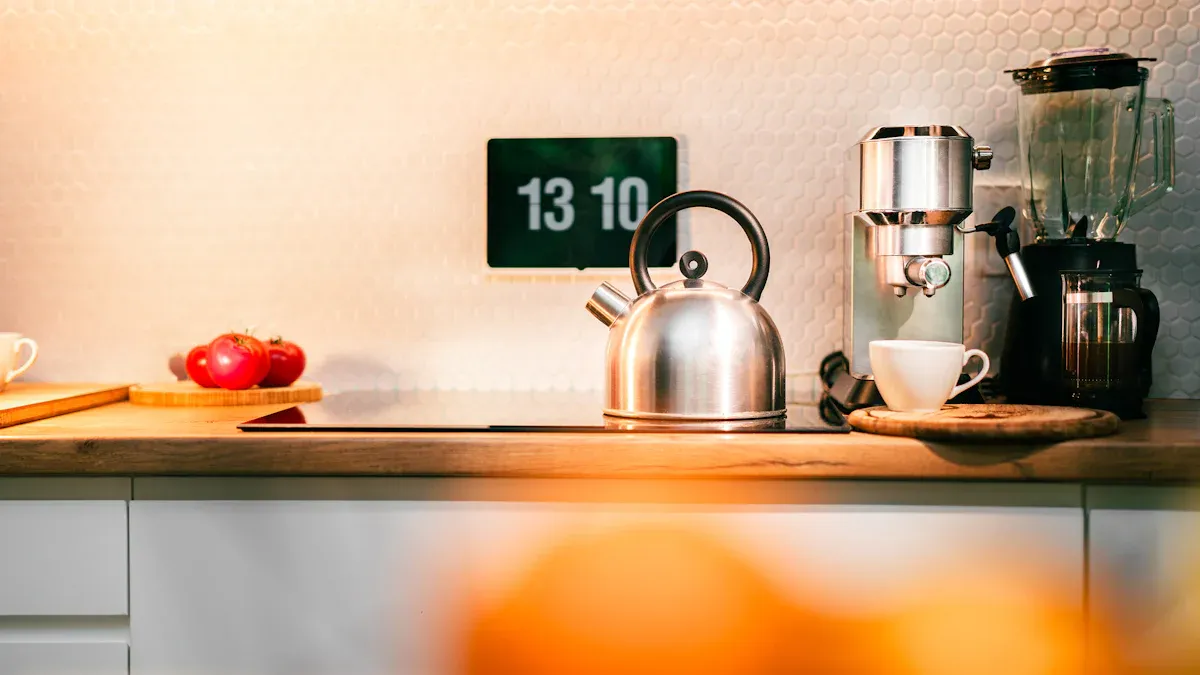
When you want a cup of tea, you want it now. The speed and ease of getting hot water are major factors in your choice. Let's compare how these two appliances deliver on convenience.
Instant Access vs. Boiling Time
A hot water dispenser gives you hot water instantly. You just press a button or lever. The machine keeps a reservoir of water at the perfect temperature for tea. This means you have zero waiting time. Your cup is ready to brew the moment you want it. This feature is a game-changer for busy mornings or when you have guests.
An electric kettle requires you to wait. You fill the kettle with water and turn it on. The boiling process can take some time. Most standard electric kettles boil 1.5 to 1.7 liters of water in about 3 to 5 minutes. Some high-end models can do it faster, but other models might take up to 8 minutes depending on the amount of water. This wait might feel long when you are craving a quick cup of tea.
Ease of Use and Safety Features
Both appliances are simple to operate, but they have different safety features.
A hot water dispenser for tea is incredibly straightforward. You place your mug under the spout and dispense water. It is a one-handed operation. Manufacturers build these machines with safety in mind. Many models include important features to prevent accidents.
- Child Safety Lock
An electric kettle is also easy to use. You fill it, place it on its base, and press a button. Modern kettles have excellent safety features. They almost always include an auto shut-off function. This turns the kettle off when the water boils. They also have boil-dry protection. This feature shuts the appliance off if it detects no water inside, which prevents damage.
Safety Tip 💡 Always check for features like auto shut-off and child locks. These mechanisms provide peace of mind, especially in households with children.
Portability and Flexibility
Your kitchen space and lifestyle influence which appliance is more flexible for you. An electric kettle offers great portability. You can easily move it around the kitchen or take it to another room. Some portable models are very lightweight, with one weighing just 1.87 lbs. This makes a kettle a great choice for small apartments, dorm rooms, or even for travel.
A hot water dispenser is a stationary appliance. You set it up in one spot on your counter. These units are heavier and larger than kettles. However, some modern dispensers are designed for smaller spaces. The Panasonic Electric Thermo Pot, for example, has a small footprint. It is only slightly larger than a standard kettle. Below are a few examples of common dispenser sizes.
| Model | Dimensions (inches) | Weight (pounds) |
|---|---|---|
| Zojirushi VE Hybrid Water Boiler | 11 7/8 x 9 1/8 x 12 1/2 | 7 |
| Panasonic Electric Thermo Pot | 10 4/5 x 8 1/2 x 11 1/3 | 4.4 |
| Zojirushi Panorama Window Micom | 11 1/2 x 9 1/8 x 11 7/8 | 5 |
While you cannot move a dispenser easily, its fixed position provides a dedicated station for all your hot water needs.
Cost and Energy Breakdown
Your budget and energy usage are important factors. The initial price is just one part of the cost story. You should also consider how much each appliance will cost to run over time. Let's break down the numbers for you.
Upfront Investment
The initial purchase price is the first cost you will face. Electric kettles generally have a lower upfront cost than hot water dispensers. You can find a basic electric kettle for a very low price. Fancier models with special features will cost more. The price range is quite wide.
For example, you can find a reliable KitchenAid kettle for under $100. High-end designer models can cost much more.
| Product Name | Price | |
|---|---|---|
| KitchenAid 1.7L Electric Kettle | $88.95 | |
| OXO On Cordless Electric Kettle | $99.95 | |
| KitchenAid Pro Line Electric Kettle | $249.95 | |
| Chantal Classic Tea Kettle | Copper | $295.00 |
A hot water dispenser for tea usually requires a larger initial investment. However, prices vary greatly depending on the model's features and capacity. Some simple countertop units are surprisingly affordable.
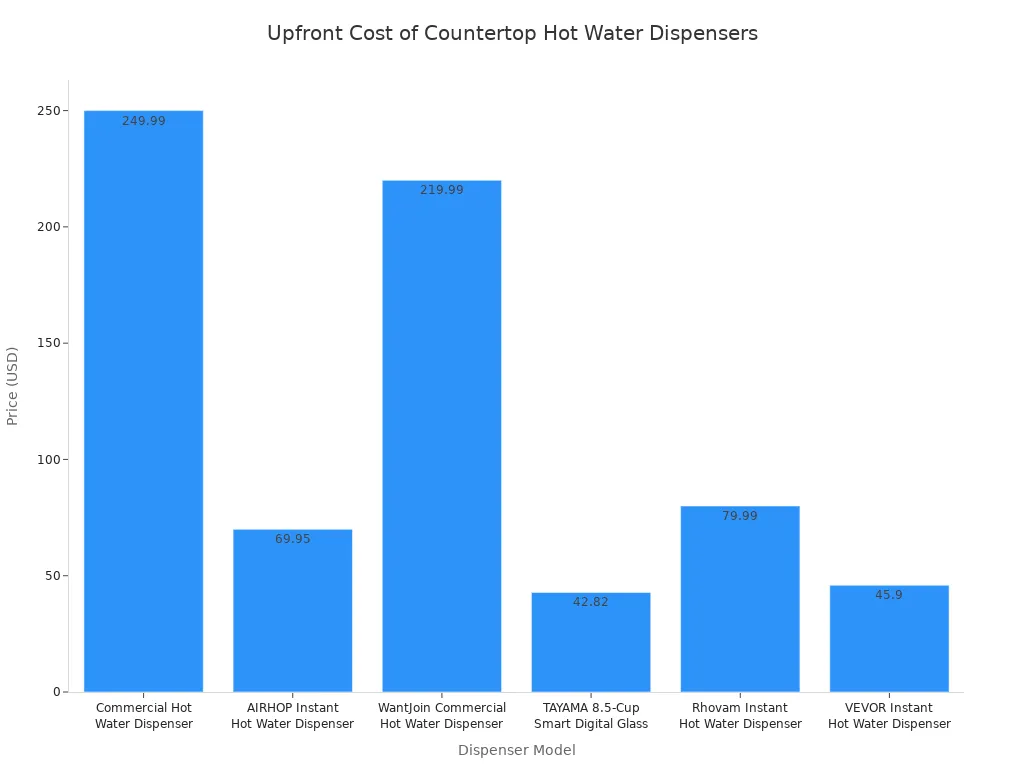
As you can see, some dispensers cost less than high-end kettles. Your choice depends on the features you want and your budget.
Long-Term Running Costs
The long-term running cost is where the comparison gets interesting. This cost depends on your electricity rate and how often you use the appliance.
An electric kettle only uses energy when it is actively boiling water. If you use your kettle a few times a day, the cost adds up. Here is a simple breakdown:
- A standard 1500W kettle used for a total of one hour per day uses 1.5 kWh of energy.
- Over a year, this equals about 547.5 kWh.
- With an average electricity rate of $0.11 per kWh, your annual cost would be around $60.23.
A hot water dispenser uses energy differently. It uses power to heat the water initially. It then uses a small amount of energy continuously to keep the water hot. This is called standby power consumption. For home models, this standby cost is often low, sometimes less than a dollar a day. However, larger commercial units can have annual energy costs ranging from $200 to $800. Your personal usage will determine the final cost.
Cost Tip 💰 Your electricity bill shows your rate per kilowatt-hour (kWh). You can use this number to calculate the exact running cost for your home.
Energy Efficiency Compared
Energy efficiency depends entirely on your habits. Each appliance is efficient in different situations.
An electric kettle is highly efficient for occasional use. It has a high wattage, often around 3000W. This power allows it to boil water very quickly. You only use energy for the few minutes it takes to boil. If you only boil the amount of water you need, you waste very little energy.
A hot water dispenser uses less power at any given moment. Its heating element is typically between 500W and 2000W. The appliance is more efficient if you need hot water frequently throughout the day. It avoids the energy spike of repeatedly boiling a kettle from cold. The constant readiness saves you time and can be more energy-efficient than boiling a full kettle ten times a day.
- Electric Kettle: More efficient if you drink one or two cups of tea per day.
- Hot Water Dispenser: More efficient if your household or office consumes many cups throughout the day.
Ultimately, the most energy-efficient choice is the one that best matches your daily tea-drinking routine.
Is a Hot Water Dispenser for Tea Right for You?
A hot water dispenser might be the perfect upgrade for your kitchen. Your specific needs and daily habits will determine if it is the right choice. Let's explore who benefits most from this appliance.
Ideal for Busy Households
Your busy household can run more smoothly with instant hot water. A dispenser streamlines morning routines. You no longer need to wait for a kettle to boil. This immediate access to hot water is perfect for making tea, coffee, or instant oatmeal. A hot water dispenser for tea offers several advantages for your family.
- It provides an endless supply of hot water for everyone.
- It saves valuable counter space with its compact design.
- It uses energy efficiently by only heating water when needed.
Perfect for Offices
An office breakroom is another ideal place for a dispenser. It helps employees stay hydrated, which can boost productivity by up to 14%. Quick access to hot water also reduces wait times and crowding around a kettle. This allows staff to take short, calming breaks for a hot beverage. This simple perk improves workflow and shows your company cares about employee well-being.
For the Serious Tea Drinker
You might be a serious tea drinker who values the perfect cup. A high-quality hot water dispenser for tea often includes variable temperature settings. Different teas require specific water temperatures to bring out their best flavor. Using water that is too hot can make delicate green tea bitter. The chart below shows the ideal temperatures for popular tea types.
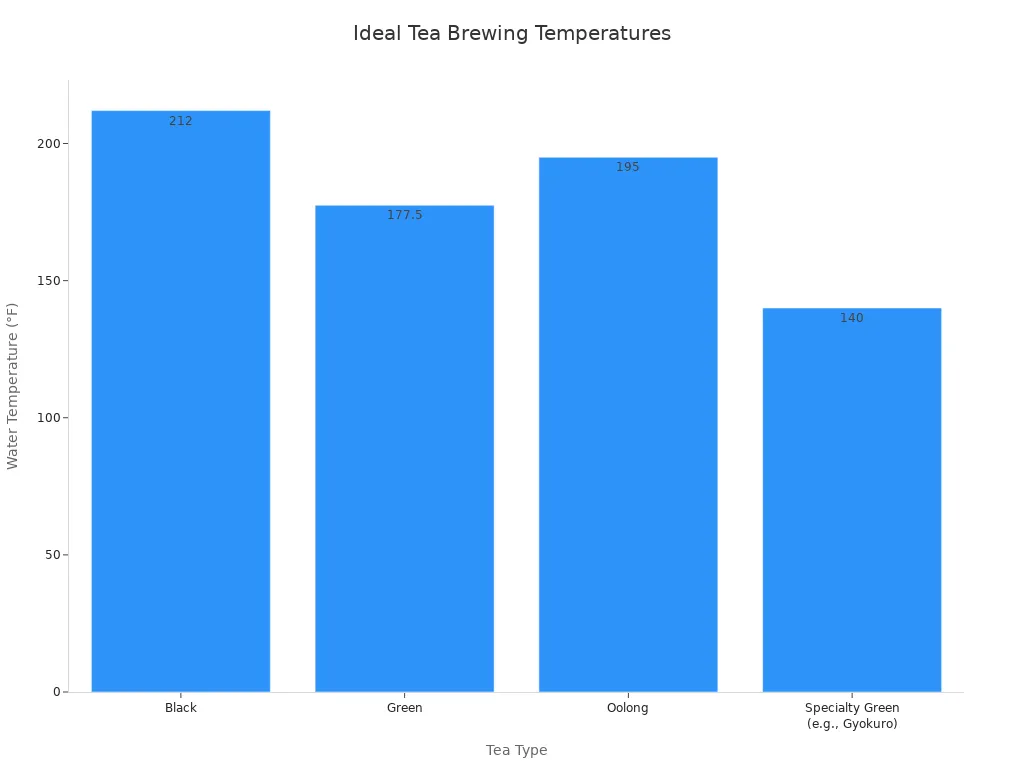
This precise control ensures you get a delicious brew every time.
When an Electric Kettle is the Smarter Choice
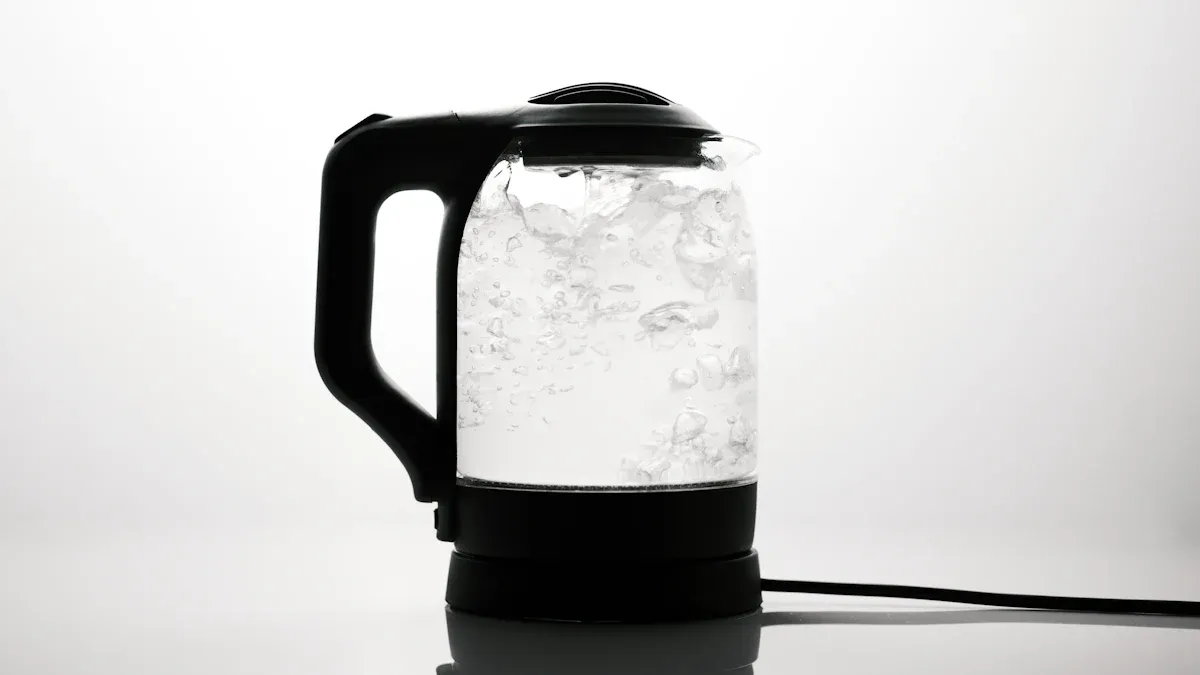
A hot water dispenser is not for everyone. An electric kettle is often the more practical and logical choice for many people. Your space, budget, and habits might make a kettle the perfect fit for your kitchen.
Best for Small Kitchens and Dorms
You might have limited counter space in a small kitchen, apartment, or dorm room. An electric kettle is an excellent solution. Its small footprint takes up very little room. You can also easily store it in a cabinet when you are not using it. This portability gives you flexibility that a stationary dispenser cannot offer.
For the Budget-Conscious Buyer
Your budget is a major factor in any purchase. Electric kettles are very affordable. You can buy a reliable model for a low upfront price. This makes them an accessible option for almost everyone. However, you should consider the lifespan. Kettles can build up limescale, especially in areas with hard water. This buildup can shorten their life. You will need to clean your kettle regularly to keep it working well. A dispenser often has built-in filters and may last longer, but a kettle's low purchase price is hard to beat.
For Infrequent Tea Drinkers
You may not need instant hot water available all day. If you only drink a cup of tea occasionally, an electric kettle is very efficient. It only uses power for the few minutes it takes to boil. A kettle is also a versatile tool in the kitchen. You can use it for many other tasks.
Kettle Tip 🧑🍳 Your electric kettle is more than just a tea maker. You can use it for:
- Making oatmeal or French press coffee
- Cooking hard-boiled eggs
- Rehydrating dried fruits
- Preparing instant noodles or hot chocolate
This flexibility makes a kettle a useful appliance, even if tea is not part of your daily routine.
Your final choice depends on your lifestyle. A hot water dispenser offers you instant convenience for frequent use. An electric kettle is a budget-friendly, portable solution for occasional boiling. You should choose the appliance that best matches your daily tea routine, budget, and available kitchen counter space.
FAQ
Which is faster for just one cup of tea?
A hot water dispenser provides instant hot water, so it is faster. An electric kettle needs a few minutes to boil the water for your single cup.
Do I need to clean these appliances?
Yes, you should clean both appliances regularly. Cleaning prevents mineral buildup, called limescale. This ensures your water tastes fresh and the appliance works well for a long time.
Can I use tap water in my dispenser or kettle?
You can use tap water in both. However, using filtered water is better. It reduces limescale buildup and can improve the taste of your tea.