Unlocking the Benefits of Ammonium Molybdate in Textile Production
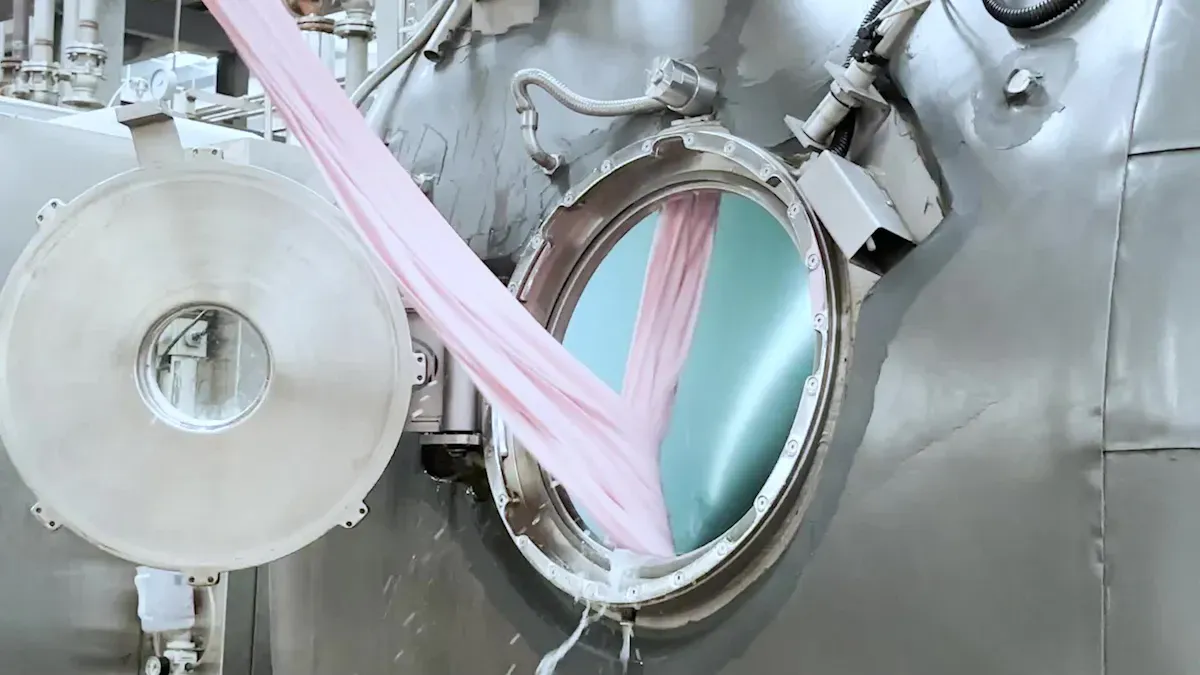
You can boost your textile production with Hot sale Ammonium Molybdate (NH4)2Mo4O13 CAS 13106-76-8. This compound helps you achieve brighter colors and stronger fabrics. It acts as a catalyst, making your processes faster and more efficient. You gain safer, higher-quality results.
Key Takeaways
- Ammonium Molybdate enhances dyeing processes, resulting in brighter colors and improved color fastness.
- Using Ammonium Molybdate as a catalyst speeds up textile finishing, increasing productivity and fabric quality.
- This compound serves as a flame retardant, improving safety for both products and workers in the textile industry.
Key Functions of Hot sale Ammonium Molybdate (NH4)2Mo4O13 CAS 13106-76-8 in Textile Production
Mordant in Dyeing Processes
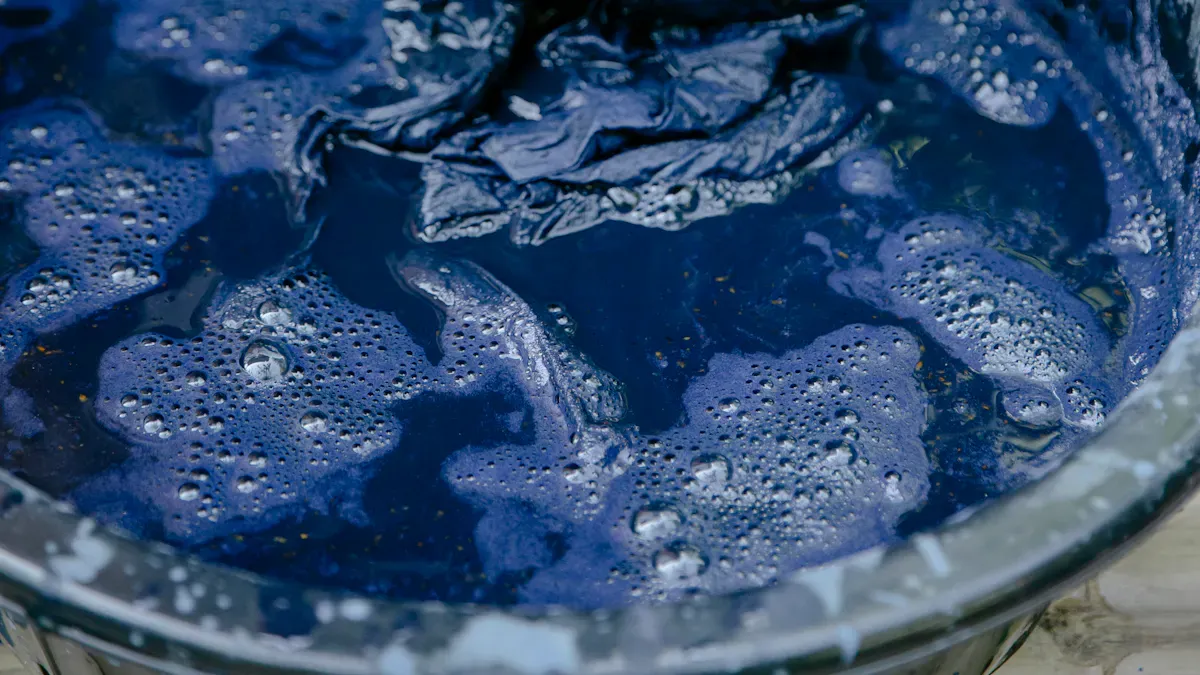
You can use Hot sale Ammonium Molybdate (NH4)2Mo4O13 CAS 13106-76-8 as a mordant to help dyes stick to fabrics. This compound creates a strong bond between the dye and the textile fibers. You get brighter colors that last longer after washing. Many textile manufacturers choose this compound because it helps them achieve consistent results. You can see the difference in the quality of dyed fabrics. The colors stay vivid, and the material feels smooth.
Tip: When you use Hot sale Ammonium Molybdate (NH4)2Mo4O13 CAS 13106-76-8 in your dyeing process, you improve color fastness and reduce fading.
Catalyst in Textile Finishing
Hot sale Ammonium Molybdate (NH4)2Mo4O13 CAS 13106-76-8 acts as a catalyst in textile finishing. You speed up chemical reactions that make fabrics stronger and more durable. This compound helps you finish textiles faster, which saves you time and energy. You can produce more fabric in less time. The catalyst effect also improves the texture of the material. You notice that the finished textiles feel softer and look smoother. Many textile mills rely on this compound to boost their production efficiency.
- You increase productivity.
- You enhance fabric quality.
- You reduce processing time.
Flame Retardant Applications
You protect textiles from fire hazards when you use Hot sale Ammonium Molybdate (NH4)2Mo4O13 CAS 13106-76-8 as a flame retardant. This compound helps fabrics resist burning and melting. You make your products safer for customers and workers. Researchers have found that ammonium octamolybdate, a related compound, works well with hydrophobic nano silica to suppress smoke in polyvinyl chloride-based composites. The composite shows better smoke suppression than a simple mixture of the two materials.
- Ammonium octamolybdate combines with nano silica to reduce smoke.
- The composite improves fire safety in textiles.
- You get better protection compared to traditional mixtures.
You can trust Hot sale Ammonium Molybdate (NH4)2Mo4O13 CAS 13106-76-8 to help you meet fire safety standards. You add value to your products and protect your reputation.
Advantages of Hot sale Ammonium Molybdate (NH4)2Mo4O13 CAS 13106-76-8 Over Alternative Chemicals
Process Efficiency
You can improve your textile production speed with Hot sale Ammonium Molybdate (NH4)2Mo4O13 CAS 13106-76-8. This compound helps you finish processes faster. You spend less time waiting for reactions. You get more fabric ready for sale in less time. Many textile mills report higher output after switching to this compound.
Note: Faster processing means you can meet tight deadlines and handle larger orders.
Safety for Workers and Products
You protect your team and your products when you use this compound. Hot sale Ammonium Molybdate (NH4)2Mo4O13 CAS 13106-76-8 has a stable structure. You reduce risks in the workplace. Workers handle the material easily. You avoid harsh chemicals that can damage fabrics or cause health issues.
- Safer handling
- Less risk of accidents
- Better product quality
Environmental Impact
You help the environment by choosing this compound. It produces less waste during processing. You lower your impact on water and air. Textile factories that use this compound report cleaner operations. You support sustainability in your business.
| Benefit | Impact |
|---|---|
| Less waste | Cleaner water |
| Stable compound | Safer air |
| Efficient use | Lower emissions |
Cost-Effectiveness
You save money with this compound. You use less energy and fewer resources. You cut costs on waste disposal. You get more value from your materials. Many manufacturers see lower operating costs after switching.
Tip: Cost savings help you invest in new technology and grow your business.
Real-World Applications and Case Studies

Textile Mill Implementation Examples
You can see the impact of Hot sale Ammonium Molybdate (NH4)2Mo4O13 CAS 13106-76-8 in many textile mills. For example, one mill in Southeast Asia switched to this compound for their dyeing process. The workers noticed that the colors became brighter and more even. The production manager reported fewer batches with color defects. You can use this compound to achieve similar results in your own facility.
Tip: Start with a small trial batch to see how the compound works with your fabrics.
Product Quality Improvements
You improve your product quality when you use Hot sale Ammonium Molybdate (NH4)2Mo4O13 CAS 13106-76-8. Many mills report that their fabrics become stronger and softer. The colors stay bright even after many washes. Customers notice the difference and give better reviews. You can track these improvements by comparing fabric samples before and after using the compound.
| Quality Factor | Before Use | After Use |
|---|---|---|
| Color Brightness | Medium | High |
| Fabric Strength | Standard | Improved |
| Wash Fastness | Moderate | Excellent |
Process Optimization Success Stories
You can optimize your production process with this compound. One textile company in Europe reduced their processing time by 20%. They used less energy and produced less waste. The workers found the process easier to manage. You can follow their example and look for ways to improve your own workflow.
Note: Small changes in your process can lead to big savings and better results.
Best Practices for Implementing Hot sale Ammonium Molybdate (NH4)2Mo4O13 CAS 13106-76-8
Safe Handling and Storage
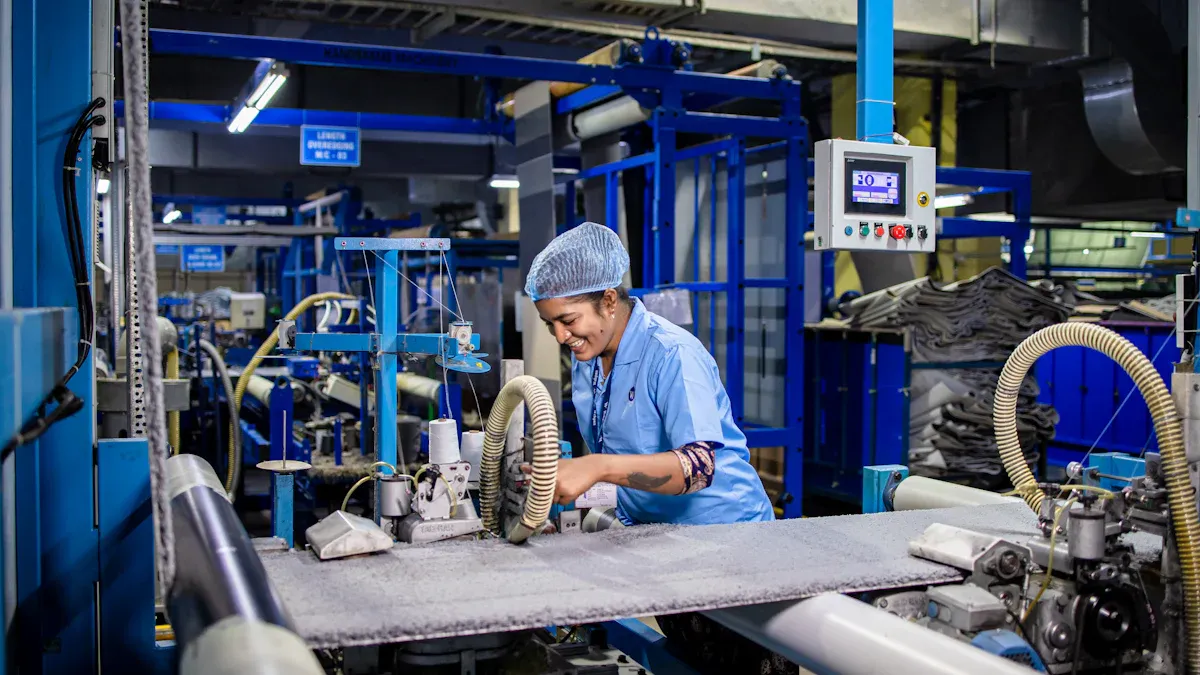
You need to handle Hot sale Ammonium Molybdate with care. Always wear gloves and safety goggles. Store the compound in a cool, dry place. Keep it away from direct sunlight and moisture. Use containers with tight lids to prevent spills. Label all containers clearly. You protect your team and your materials when you follow these steps.
Tip: Train your staff on proper handling procedures. This helps prevent accidents and keeps your workplace safe.
| Safety Step | Why It Matters |
|---|---|
| Wear gloves | Protects your skin |
| Use goggles | Shields your eyes |
| Store dry | Prevents clumping |
| Label containers | Avoids mix-ups |
Integration into Existing Production Lines
You can add Hot sale Ammonium Molybdate to your current production line without major changes. Start by testing small batches. Adjust the amount based on your fabric type and process needs. Use automated dispensers for accurate dosing. Monitor the results and record any changes in fabric quality. You improve efficiency when you track these adjustments.
- Test with sample batches first.
- Use precise measuring tools.
- Record outcomes for each batch.
Note: Small changes in your process can lead to big improvements in quality and speed.
Troubleshooting and Common Issues
You may face some challenges when you start using Hot sale Ammonium Molybdate. If you see uneven dyeing, check your mixing process. If fabrics feel rough, adjust the dosage. If you notice residue, rinse the textiles thoroughly. Keep a log of any issues and solutions. This helps you solve problems faster next time.
- Check mixing for even results.
- Adjust dosage for softness.
- Rinse well to remove residue.
Callout: Regular monitoring helps you catch problems early and keeps your production running smoothly.
You gain brighter colors, stronger fabrics, and safer production with ammonium molybdate. Textile trends show a shift toward eco-friendly flame retardants and stricter fire safety standards. You meet these demands and improve sustainability.
Choose ammonium molybdate to boost quality and stay ahead in the textile industry.
FAQ
What is the main benefit of using ammonium molybdate in textiles?
You get brighter colors and stronger fabrics. Ammonium molybdate improves dye bonding and boosts fabric durability.
How do you safely store ammonium molybdate?
- Store in a cool, dry place.
- Use containers with tight lids.
- Keep away from sunlight and moisture.
Can you use ammonium molybdate with all types of fabrics?
| Fabric Type | Suitable? |
|---|---|
| Cotton | Yes |
| Polyester | Yes |
| Wool | Yes |
See Also
Investigating Molybdenum Furnaces Designed for High Temperatures
Insights Into Molybdenum High-Temperature Furnaces for 2025
Innovative Techniques for Aminoguanidine Bicarbonate Production and Uses
Advancements in Heat Exchanger Manufacturing Boost Industrial Efficiency
Assessing Molybdenum Plugs for Seamless Steel Pipe Manufacturing 2025