Choosing Your DTF Film Hot Peel or Cold Peel Explained
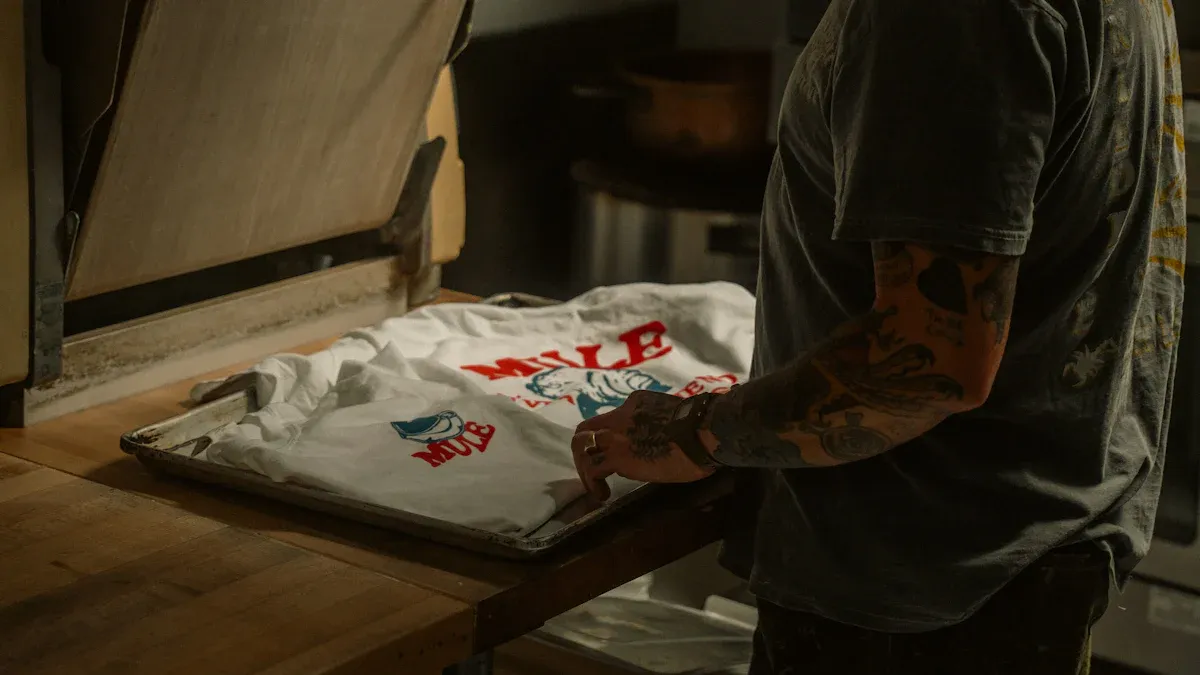
Printers choose hot peel film for maximum production speed and efficiency. Cold peel film, in contrast, delivers superior print quality, detail, and durability. The selection of a high quality dtf film ultimately depends on a project's core priorities, creating a strategic trade-off between rapid output and premium results.
Key Takeaways
- Hot peel film helps you print many items quickly. It is good for big orders because you peel it right after heating.
- Cold peel film makes prints look better and last longer. You wait for it to cool down before peeling, which gives a strong, smooth finish.
- Choose your film based on what you need: speed for many items or high quality for special items.
What Is the Core Difference in the Process?
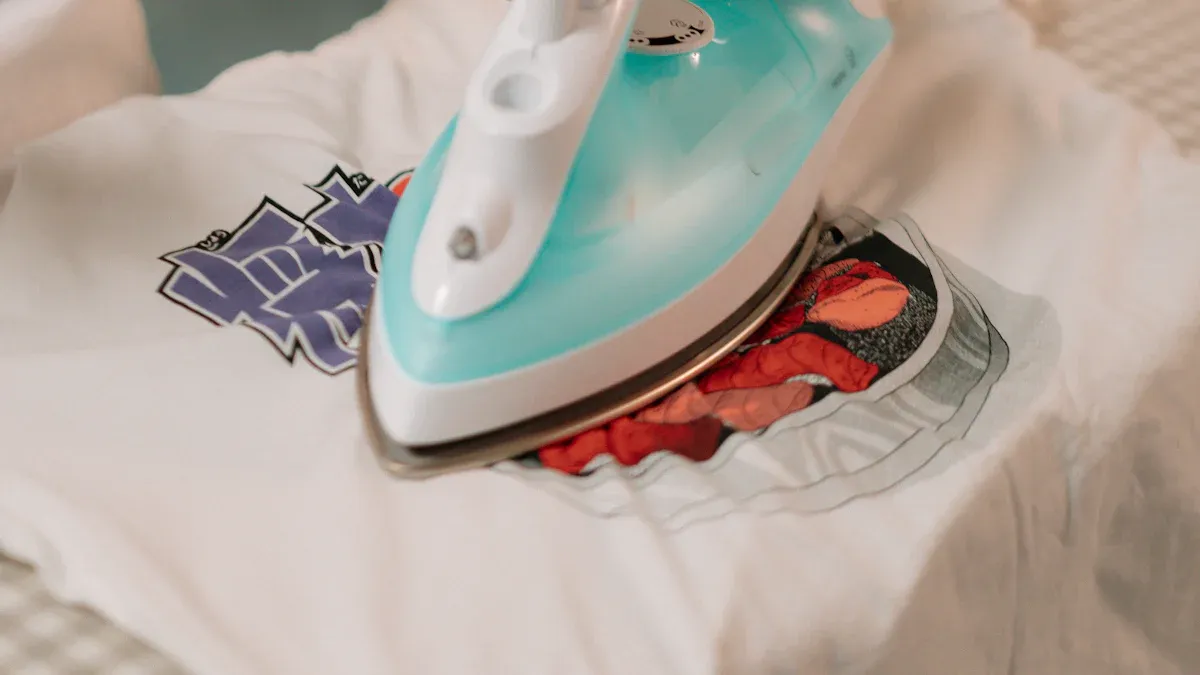
The fundamental distinction between hot and cold peel films lies in the timing of the peeling step. This difference stems directly from the chemical composition of each film's adhesive and release layers. Each process is optimized for a specific outcome, either speed or quality.
The Hot Peel Method
The hot peel method involves removing the DTF film from the garment immediately after the heat press cycle finishes. This technique relies on a specialized, fast-setting adhesive. The film's release layer becomes more adhesive when heated, allowing for a quick transfer and immediate peeling while the garment is still hot. This process is designed for maximum efficiency in high-volume production environments.
💡 Hot Peel Principle: The adhesive is engineered for a rapid bond. Operators peel the film within seconds of the press opening, capitalizing on the heat to facilitate a clean release. This minimizes downtime between presses.
The Cold Peel Method
In contrast, the cold peel method requires a complete cooling period before the operator removes the film. The garment must return to room temperature after pressing. This process uses a stronger, slower-setting adhesive. The film's release layer remains more neutral during heating, ensuring it only releases cleanly after the adhesive has fully cured and bonded to the fabric fibers during the cooling phase.
The steps are methodical:
- Press the transfer onto the garment.
- Remove the garment from the heat press.
- Allow the transfer and garment to cool down completely.
- Peel the film once it is cold to the touch.
This deliberate delay allows for a superior bond, resulting in a more durable and detailed final print.
Production Speed and Workflow Efficiency
A print shop's production capacity is directly tied to its choice of DTF film. The time required to complete each transfer dictates overall output. Hot peel film streamlines operations for speed, while cold peel film introduces a deliberate delay that prioritizes quality over quantity.
Hot Peel for High-Volume Orders
Hot peel film is the definitive choice for high-volume production. Its primary advantage is the elimination of any cooling downtime. Operators can peel the film immediately after the heat press opens, creating a seamless and continuous workflow. This efficiency allows a business to process a large number of garments in a short amount of time.
⏱️ The Workflow Advantage: An operator can press a garment, peel the film, and immediately load the next item onto the press. This assembly-line method maximizes the use of equipment and labor, making it ideal for meeting tight deadlines on bulk orders.
Cold Peel's Cooling Down Period
The cold peel process inherently slows down production due to its mandatory cooling phase. After pressing, the garment must cool completely to room temperature before peeling. This cooling process typically requires 1-2 minutes, creating a significant bottleneck in a high-speed environment. While one garment cools, the heat press may sit idle, or the operator must manage a separate cooling station.
The impact of this delay varies significantly with the size of the order. The following table illustrates how the cooling period affects different production scenarios:
| Order Volume | Cold Peel Film Impact on Production Time |
|---|---|
| High-Volume Production | The mandatory cooling period significantly slows production, making it less practical for businesses churning out a large number of prints. |
| Small Batches or One-Offs | The extra time required for cold peel transfers is usually not a major concern, as the slight delay can be outweighed by improved quality and reliability. |
This trade-off makes cold peel better suited for premium, small-batch projects where final quality is the most critical factor.
Comparing Final Print Quality and Feel

The choice between hot and cold peel film directly influences the final aesthetic and tactile qualities of the printed garment. Each method yields a unique finish, catering to different market demands for appearance and texture. The visual and physical characteristics of the print are among the most important factors for end-users.
The Matte Finish of Cold Peel
Cold peel film produces a distinct matte finish. This non-reflective, flat appearance is highly sought after for premium apparel. The extended cooling period allows the ink and adhesive to fully bond with and settle into the fabric's fibers. This integration creates a print that feels softer and more flexible to the touch.
✨ The Premium Standard: Many professionals consider the cold peel result the benchmark for a high quality dtf film. The print appears to be part of the garment itself rather than sitting on top of it, delivering a sophisticated, retail-ready look.
The Glossier Look of Hot Peel
In contrast, hot peel film creates a print with a noticeable gloss or sheen. The rapid peeling process leaves more of the adhesive layer on the surface of the garment. This surface layer reflects light, which makes the design appear shinier and can enhance color vibrancy.
The characteristics of a hot peel finish include:
- A semi-gloss to glossy appearance.
- A slightly thicker and smoother surface feel.
- Colors that often appear more saturated or "pop" visually.
This finish is often preferred for promotional items, team jerseys, or any design where maximum visual impact and brightness are the primary goals.
Durability and Wash Resistance
The longevity of a DTF print is a critical factor for both businesses and consumers. A print's ability to withstand repeated washing without cracking, fading, or peeling determines its perceived value. The choice between cold peel and hot peel film directly impacts this long-term performance.
Long-Term Durability with Cold Peel
Cold peel film offers superior long-term durability. The extended cooling period allows the adhesive to cure completely, creating a powerful bond that integrates the print into the fabric's fibers. This robust connection makes the transfer highly resistant to the stresses of washing and wearing. A professionally applied transfer using a high quality dtf film can typically endure 50 to 100 wash cycles before showing significant signs of wear. This resilience establishes cold peel as the industry standard for premium garments and retail products where longevity is paramount.
Wash Performance of Hot Peel
Hot peel transfers provide good durability, though they are generally less resilient than their cold peel counterparts. The rapid peeling process results in a bond that sits more on the surface of the fabric. However, proper aftercare can significantly extend the life of a hot peel print. Following specific washing guidelines is essential to maximize its lifespan.
🧼 Care Instructions for Maximum Life:
- Turn the garment inside out before washing to reduce friction on the print.
- Use a gentle wash cycle with cold water to protect the adhesive.
- Avoid harsh detergents, bleach, and fabric softeners, which can degrade the transfer.
- Air drying is the best option. If using a dryer, select the lowest heat setting to prevent damage.
Adhering to these practices helps preserve the print's integrity and appearance over time.
Ease of Use and Handling Intricate Designs
The complexity of an artwork often dictates the best film choice. Cold peel film offers a more forgiving process, while hot peel film requires greater precision, especially with detailed designs. The operator's experience and the design's specific needs are crucial factors.
Why Cold Peel is More Forgiving
Cold peel film is generally easier and more forgiving, making it an excellent choice for beginners. The mandatory cooling period creates a controlled and stable process. Waiting for the film to cool reduces the risk of stretching or distorting the design during peeling. This methodical approach prevents smudging and ensures intricate artwork remains intact.
The benefits of this controlled process include:
- Better Adhesion: The cooling phase allows the adhesive to fully bond with the fabric, securing fine details.
- Consistent Results: Operators can achieve more consistent outcomes across various designs, minimizing errors.
- Reduced Damage: The risk of lifting parts of a complex design, which can happen with improper hot peeling, is significantly lower.
This reliability makes cold peel a safer option for valuable garments or complex jobs.
Handling Fine Lines and Details
Cold peel film excels at reproducing designs with small text and thin lines. The process helps these delicate elements look sharp and colorful, as the strong bond ensures every detail transfers cleanly. Designers often favor a high quality dtf film with a cold peel process to keep small details crisp.
Hot peel, however, has technical limitations with fine details.
📏 Design Guideline: For successful hot peel transfers, the minimum recommended line thickness is 0.02 inches (0.5mm).
Lines thinner than this threshold may receive insufficient white ink coverage and inadequate powder application. This weakness can negatively impact the print's durability and washability, causing fine lines to break down or peel away over time.
How to Achieve High Quality DTF Film Results
Achieving professional results with DTF film requires precision beyond just choosing between hot and cold peel. Correct application techniques, particularly temperature, time, and peeling method, are essential for a durable and visually appealing print.
Temperature and Time Settings
Dialing in the correct heat press settings is critical for a successful transfer. Improper temperature is a common cause of print failure. Using a high quality dtf film is only effective when the application process is accurate.
Incorrect heat settings can lead to several issues:
- Low Temperature: Insufficient heat prevents the adhesive from activating and bonding with the fabric, causing poor adhesion.
- Excessive Heat: Too much heat can overcook the adhesive, damage the fabric, or cause the design to crack and fade prematurely.
Operators should use fabric-specific settings as a starting point. The following table provides recommended guidelines for hot peel film:
| Fabric Type | Temperature (°F) | Time (seconds) |
|---|---|---|
| Cotton | 300–315 | 10–13 |
| Polyester | 250–275 | 7–8 |
These settings may require minor adjustments based on the specific equipment and materials used.
Peeling Technique
The peeling motion itself directly impacts the final quality of the transfer, especially with hot peel film. A poor technique can ruin an otherwise perfect press. The goal is a clean and complete release of the design from the film.
💡 The Pro Peel: For hot peel transfers, operators should peel the film immediately after the press opens. Use a smooth, continuous motion at a steady 45-degree angle. Hesitant or jerky movements can smudge the design or cause an uneven peel.
This technique ensures that all elements of the design, including fine lines, transfer cleanly to the garment. Cold peel, by contrast, is less technique-sensitive because the cooled adhesive provides a more stable release.
Is Cost a Deciding Factor?
The cost of DTF film is no longer the significant deciding factor it once was. In the current market, the price difference between high-quality hot peel and cold peel films is minimal. This shift allows print shops to base their purchasing decisions on performance characteristics like speed and quality rather than budget constraints. The focus has moved from cost-per-sheet to cost-per-application, where workflow efficiency and final product value hold more weight.
Historical vs. Current Pricing
Historically, cold peel film commanded a premium price. Its complex manufacturing process and superior adhesive formulation positioned it as the more expensive option. Printers often reserved it for high-end jobs where clients were willing to pay more for top-tier quality and durability. Hot peel film was the more economical choice, making it the go-to for bulk orders and budget-conscious projects. Today, this price gap has virtually disappeared. Both film types are now available at highly competitive and nearly identical price points from most major suppliers.
Why Prices Are Now Similar
Several factors contributed to this price equalization. Advances in chemical engineering and manufacturing technology have made producing high-performance hot peel films more efficient and less costly. The rapid growth of the DTF market also spurred intense competition among manufacturers, driving prices down across the board. As production volumes increased, economies of scale further reduced costs for both film types.
💰 The Modern Bottom Line: With pricing no longer a major variable, the choice between hot and cold peel film becomes a strategic decision. Businesses must now prioritize whether a project demands the rapid turnaround of hot peel or the premium finish of cold peel.
The choice between hot and cold peel film presents a strategic trade-off. Hot peel is the clear winner for bulk orders requiring rapid turnaround. For premium garments, detailed artwork, and maximum durability, a high quality dtf film for cold peel is the professional standard. Businesses must align their film choice with project goals to ensure optimal results.
FAQ
Can you use a hot peel film for a cold peel?
Using hot peel film for a cold peel process is not recommended. The adhesive is designed for immediate release. Peeling it cold often results in an incomplete, damaged transfer.
Which film is better for beginners?
Beginners often prefer cold peel film. Its mandatory cooling period creates a more forgiving process. This controlled method reduces the risk of errors like smudging or incomplete transfers.
Does fabric type affect my choice?
Fabric type is a critical factor. Heat-sensitive materials like polyester require lower temperatures. Operators must choose a film compatible with the fabric's specific heat settings for optimal results.
See Also
Leading Precoating Solutions for Advanced Filtration Systems: A 2025 Outlook
Essential WT20 Thoriated Tungsten Electrode Insights for Superior TIG Welding
Optimizing Pharma Operations: Modern Capsule Decapsulation Machines Drive Efficiency Gains
Understanding Plate Heat Exchangers: A Comprehensive Step-by-Step Operational Guide
Laboratory Tablet Sampling Machines: An Essential Guide for Optimal Selection