Is Hot-Dip or Electro-Galvanizing Right for You
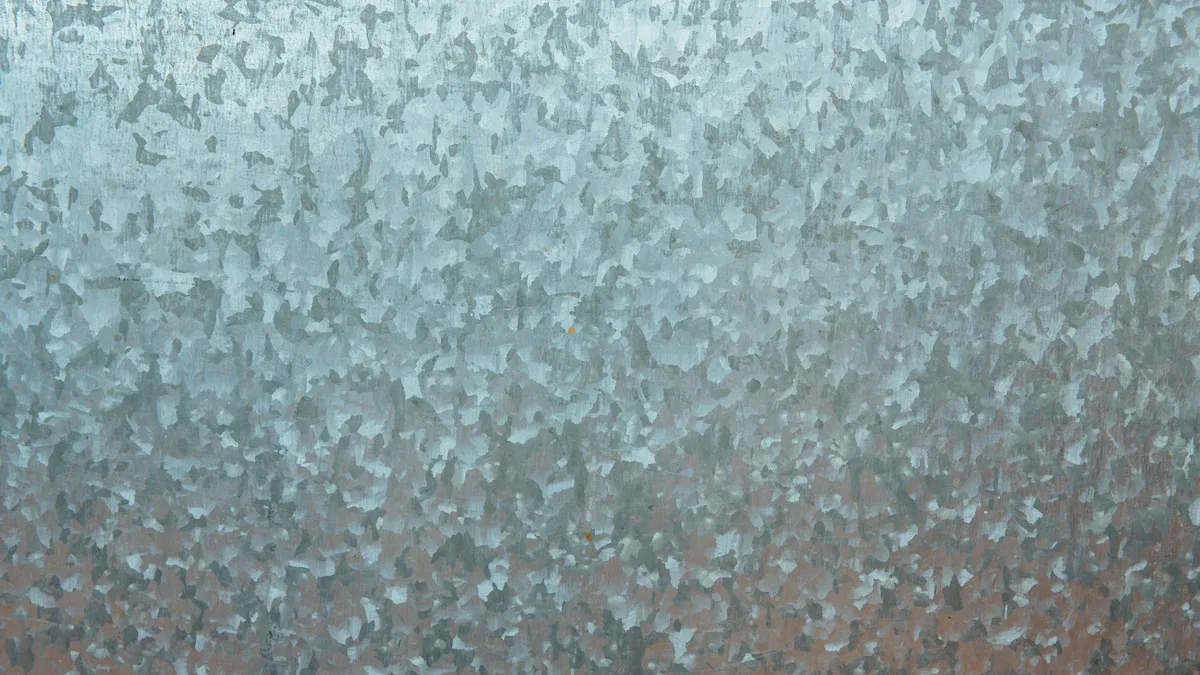
You must choose the right protective coating for your steel parts. Your project's environment, design, and budget will guide your decision. This choice is vital in a rapidly expanding industry.
💡 Quick Tip
- Hot-Dip Galvanizing: Best for maximum corrosion resistance in outdoor or harsh environments.
- Electro-Galvanizing: Ideal for a smooth, aesthetic finish on indoor parts with tight tolerances.
The growing demand impacts the Price of small-sized galvanizing equipment and large industrial setups like Pipes Galvanizing lines.
| Market Segment | Year | Market Size (USD Billion) | Projected Market Size (USD Billion) | CAGR (%) |
|---|---|---|---|---|
| Galvanizing Services | 2023 | 14.5 | 22.8 (by 2032) | 5.1 |
Key Takeaways
- Hot-dip galvanizing gives strong, long-lasting protection for outdoor use. It costs more at first but saves money over time.
- Electro-galvanizing gives a smooth, nice look for indoor parts. It costs less at first but needs more care later.
- Choose hot-dip for tough jobs and electro-galvanizing for good looks and small parts.
What Is Hot-Dip Galvanizing?
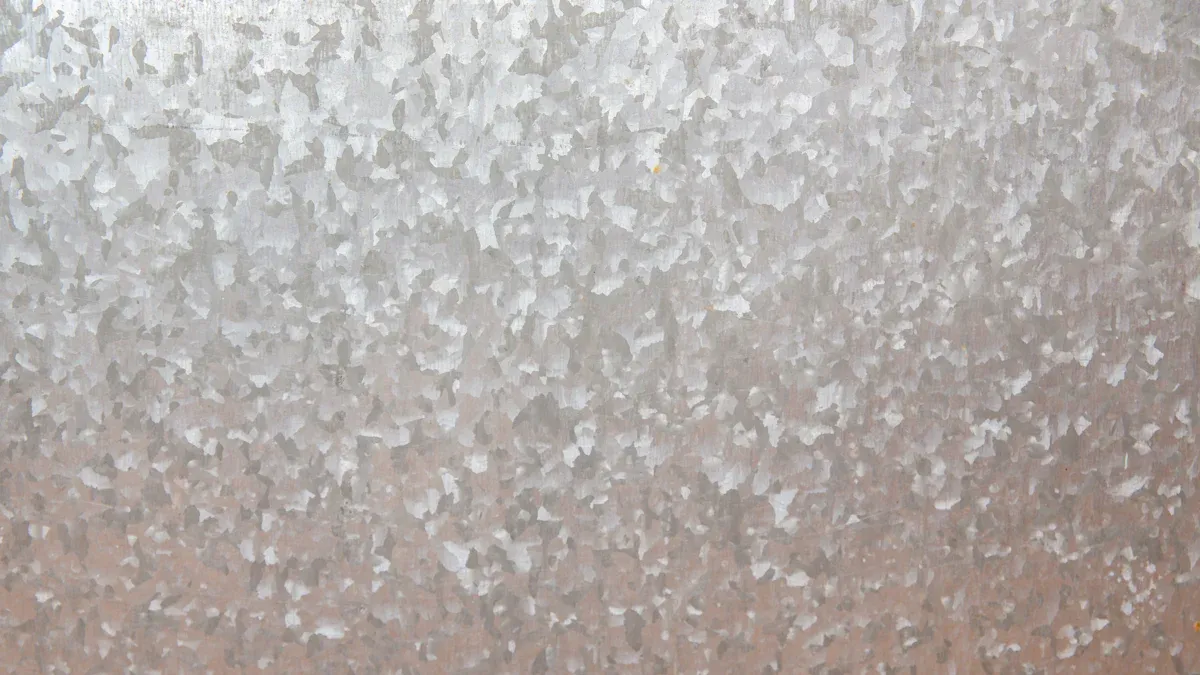
Hot-dip galvanizing creates a durable, abrasion-resistant coating by immersing steel in molten zinc. This method is a total immersion process. It protects every part of your steel, including corners, edges, and interior surfaces. The result is a robust barrier against corrosion.
The Molten Zinc Bath Process
You begin the process with extensive surface preparation. This ensures a clean, reactive base for the zinc to bond with. The typical steps include:
- Degreasing: You remove dirt, oil, and organic residues.
- Pickling: You dip the steel in an acid bath to remove mill scale and rust.
- Fluxing: You apply a final chemical cleaning agent to prevent oxidation before dipping.
After preparation, you dip the steel part into a kettle of molten zinc. Standard galvanizing baths operate at around 830°F (443°C). Some special applications even use high-temperature baths that reach 1040-1165°F (560-630°C).
The Metallurgical Bond
This process does more than just apply a layer of zinc. The intense heat causes a reaction between the iron in the steel and the molten zinc. This reaction forms a series of zinc-iron alloy layers, creating a true metallurgical bond. Unlike paint, which just sits on the surface, the zinc becomes a part of the steel itself.
This fusion creates an incredibly tough connection between the two metals. The metallurgical bond has a strength of over 3600 psi (25 MPa).
This powerful bond makes the galvanized coating extremely durable. It resists chipping and damage far better than a simple mechanical coating, ensuring long-term protection for your parts.
What Is Electro-Galvanizing?
Electro-galvanizing, also known as zinc plating, offers a different approach to corrosion protection. You do not use a molten zinc bath for this method. Instead, you use an electrical current to apply a thin layer of zinc to the steel's surface. This process is ideal when you need a smooth, bright finish for parts used indoors.
The Electro-Deposition Process
The electro-deposition process relies on the principles of electroplating. Think of it like using a magnet to attract metal particles, but with electricity. You follow a few key steps to achieve the coating:
- Surface Cleaning: First, you must thoroughly clean the steel part to remove any oils or scale. A clean surface is essential for the zinc to adhere properly.
- Electrolyte Bath: Next, you submerge your steel part (the cathode) and a piece of pure zinc (the anode) into a salt solution called an electrolyte.
- Applying Current: You then introduce a direct electrical current to the bath. This current dissolves zinc from the anode and deposits it in a thin, even layer onto your steel part.
The Thin, Uniform Coating
This electrical process gives you excellent control over the coating's thickness and uniformity. The resulting zinc layer is much thinner than a hot-dip coating, typically ranging from 5 to 18 microns. For some applications like sheet metal, you can achieve a coating as precise as 3.6 µm per side.
📝 Finish Comparison The controlled nature of electro-galvanizing creates a smooth, shiny, and uniform appearance. This makes it perfect for applications where you need tight tolerances and a cosmetic finish, as the coating will not fill threads or clog small holes. In contrast, hot-dip galvanizing produces a rougher, less even surface.
Because the coating is so consistent, it is the preferred choice for small, detailed components like fasteners, hardware, and other precision parts that require an aesthetic look.
Durability: Which Coating Lasts Longer?
When you choose a coating, you are investing in the future of your product. The durability of the zinc layer directly impacts its service life and maintenance needs. Your part's intended environment is the most important factor in deciding which galvanizing method offers the best long-term value.
Hot-Dip for Decades of Protection
You choose hot-dip galvanizing when you need maximum, long-lasting protection. The process creates a thick, tough coating that is metallurgically bonded to the steel. This fusion makes it incredibly resistant to abrasion and damage.
The thickness of the zinc coating is a key reason for its long life. Industry standards ensure a substantial protective layer.
| Standard | Coating Thickness (Microns) |
|---|---|
| ISO 1461 | 45 - 85 |
| ASTM A123/A123M | 50 - 100 |
This thick coating provides decades of maintenance-free service. Experts measure this using a metric called "Time to First Maintenance" (TFM). TFM is the point when only 5% of the steel surface shows rust, meaning the coating is still 95% intact. For typical structural steel, this can take a very long time. You can see how this translates to real-world performance in different environments:
| Environment | Average Service Life (Years) |
|---|---|
| Industrial | 72-73 |
| Tropical Marine | 75-78 |
| Temperate Marine | 86 |
| Suburban | 97 |
| Rural | Over 100 |
Organizations like ASTM International set strict standards to guarantee this performance. These specifications ensure the coating's thickness, finish, and adherence.
- ASTM A123: Covers general steel products.
- ASTM A153: Addresses hardware, fasteners, and other small parts.
- ASTM A767: Specifies requirements for steel rebar used in concrete.
These standards all require the zinc coating to maintain a strong bond with the steel throughout its service life. This ensures your parts remain protected for years to come.
🏛️ Case Studies in Durability
Real-world projects show the long-term success of hot-dip galvanizing. In Stark County, Ohio, officials began galvanizing bridges in the 1970s to eliminate the high cost of repainting. Many of those bridges are still in service today. More recently, the Moynihan Train Hall in New York City used hot-dip galvanized steel to ensure a long life cycle and avoid shutting down the busy station for maintenance.
Electro-Galvanizing for Light-Duty Use
You should select electro-galvanizing for parts that will be used indoors or in mild, dry environments. The process applies a very thin, cosmetic layer of zinc. While it provides some corrosion protection, it is not designed for harsh conditions or long-term outdoor exposure.
The primary role of electro-galvanizing is to provide a smooth, bright finish for decorative or light-duty applications. The thin coating, often less than 10 microns, is best for indoor hardware where appearance is key. In a dry indoor setting, the corrosion rate is very low.
| Environment Category | Zinc Corrosion Rate (µm/year) |
|---|---|
| Very Low (Dry Indoor) | Considerably less than 0.5 |
However, this thin layer sacrifices the robust durability of hot-dip galvanizing. It requires regular maintenance if exposed to any moisture or corrosive elements.
A salt spray test offers a direct comparison of corrosion resistance. In this accelerated test, parts are exposed to a salt fog to see how long the coating lasts. The results clearly show the performance difference.
| Coating Type | Typical Hours to Red Rust (ASTM B117) |
|---|---|
| Electro-galvanized (basic plating) | ~100–250 hours |
| Hot-Dip Galvanized (Standard Thickness) | ~500 hours |
| Hot-Dip Galvanized (Thick Coating >140µm) | Up to 1,500+ hours |
As you can see, hot-dip galvanized coatings can last two to six times longer, or even more, in this aggressive test. This demonstrates why electro-galvanizing is best reserved for controlled, indoor environments where durability is a secondary concern to aesthetics and precision.
Appearance: Which Finish Fits Your Design?
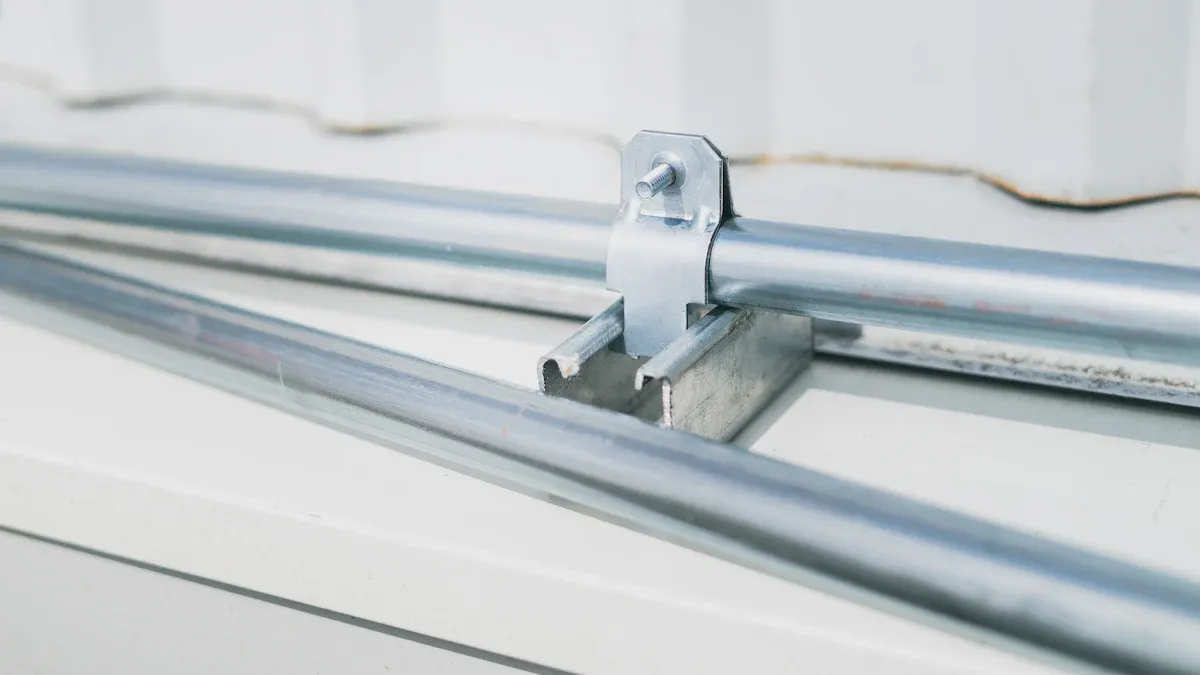
The final look of your part is a key consideration. You must decide if you need a polished, cosmetic appearance or a tough, industrial one. The galvanizing method you choose directly controls the finish.
Electro-Galvanizing for a Smooth, Bright Look
You should choose electro-galvanizing when you need a visually appealing and consistent finish. The process deposits a thin, even layer of zinc, creating a smooth and shiny surface. This makes it ideal for consumer-facing products or parts where aesthetics matter, like certain types of roofing nails and hardware.
You can further enhance the appearance with post-treatment chromate coatings, also called passivation. These treatments can add color for identification or style. Common options include:
- Bright/Blue-White: A classic silver or bluish tint.
- Rainbow: An iridescent, multi-colored finish.
- Dark: A black or olive-drab green look.
This level of cosmetic control makes electro-galvanizing perfect for small, detailed parts that need a clean, finished look.
Hot-Dip for a Rugged, Utilitarian Finish
You get a rugged, functional finish with hot-dip galvanizing. The surface is typically less smooth and may have a unique crystalline pattern called "spangle." This flower-like pattern forms naturally as the molten zinc cools and solidifies on the steel. The size of the spangle depends on the cooling rate and the chemistry of the zinc bath.
Sometimes, very reactive steels or specific processes result in a matte gray finish with no spangle at all. This rougher, utilitarian appearance is perfectly acceptable for applications where durability is the main goal. You will often see this finish on structural steel for buildings, industrial hardware like anchors and bolts, and other components used in tough outdoor environments.
Cost: Upfront Price vs. Lifetime Value
You must balance the initial price of a coating with its long-term performance. Your budget will play a big role in your decision. One method offers immediate savings, while the other provides better value over the product's entire life.
Hot-Dip: Higher Initial Cost, Lower Lifetime Cost
You will pay more upfront for hot-dip galvanizing. The process is more complex and uses more zinc, which increases the initial price. The cost of hot-dip galvanized steel coils can vary, but it is generally more expensive per ton than electro-galvanized steel.
For specific projects, you can expect costs like these:
- Light structural steel: Around $1.10 per square foot
- Heavy structural steel: Around $4.40 per square foot
However, this higher initial investment buys you decades of worry-free performance. Hot-dip galvanized steel provides corrosion protection for 75 years or more with zero maintenance. This durability eliminates future expenses for repairs or recoating. You avoid the indirect costs of maintenance, such as business interruptions or traffic delays for public infrastructure. This long-term reliability boosts profitability by preventing lost productivity from downtime.
Cities that use galvanized parts like highway guardrails or light poles have seen maintenance spending drop by 70-80% over the product's lifespan. When you choose hot-dip galvanizing, you are investing in a lower total economic cost.
Electro-Galvanizing: Lower Initial Cost, Higher Lifetime Cost
You can save money at the start by choosing electro-galvanizing. This process is often around 40% cheaper than hot-dip galvanizing, making it an attractive option for projects with tight budgets. The lower price comes from a faster process that uses far less zinc.
This initial saving comes with a trade-off. The lifespan of an electro-galvanized coating is much shorter, typically lasting from several months to a couple of years. The reason for this reduced life expectancy is the extremely thin zinc layer created during the process.
💡 The Cost Trade-Off You save money on day one, but you must plan for future costs. The thin, cosmetic coating will require regular maintenance, recoating, or complete part replacement, especially if exposed to moisture. Over time, these recurring expenses add up, making the total lifetime cost higher than that of a hot-dip galvanized part.
You should choose this method when the part will be used indoors and is unlikely to face wear and tear. For any other application, the long-term costs will likely outweigh the initial savings.
Price of Small-Sized Galvanizing Equipment
You might wonder about bringing galvanizing into your own shop. The Price of small-sized galvanizing equipment is a major factor in this decision. You must weigh the initial investment against the benefits of controlling your own production schedule.
Outsourcing vs. In-House Considerations
Setting up an in-house galvanizing line requires a significant capital investment. The Price of small-sized galvanizing equipment can be very high. For example, a small-scale hot-dip galvanizing kettle alone can cost anywhere from $10,000 to $150,000. This figure does not include other necessary items:
- Chemical tanks for cleaning and fluxing
- Hoists and cranes for moving parts
- Ventilation and safety systems
Beyond the initial Price of small-sized galvanizing equipment, you must also account for ongoing operational costs. These include raw materials, energy, waste disposal, and specialized labor. The total Price of small-sized galvanizing equipment and its operation can quickly become a substantial financial commitment.
Why Outsourcing is Usually Best for Small Shops
For most small shops, outsourcing galvanizing services is the more practical and cost-effective choice. You avoid the steep upfront Price of small-sized galvanizing equipment. Instead, you partner with a specialized galvanizer who already has the infrastructure and expertise.
💡 The Outsourcing Advantage By outsourcing, you convert a large capital expense into a predictable operational cost. You pay only for the services you need, which simplifies budgeting and frees up capital for other areas of your business.
This approach lets you access high-quality coatings without the financial burden and regulatory complexity of running your own plant. You can focus on what your business does best while leaving the galvanizing to the experts.
Your final choice depends on your project's specific needs. You must align the coating method with your product's intended use and budget.
💡 Final Decision Guide
- Select Hot-Dip Galvanizing for parts needing maximum lifespan and outdoor durability.
- Pick Electro-Galvanizing for parts needing a cosmetic finish and precise dimensions for indoor use.
FAQ
Can you paint over a galvanized coating?
Yes, you can paint galvanized steel. You must prepare the surface correctly first. Proper preparation ensures the paint will stick to the zinc coating for a long-lasting finish.
Which method is better for bolts and fasteners?
You should choose electro-galvanizing for threaded parts. Its thin, uniform coating does not clog threads. Hot-dip galvanizing's thicker layer can interfere with the precise fit of fasteners.
Is one process more sustainable?
Hot-dip galvanizing is often more sustainable. The zinc and steel are 100% recyclable. Its long, maintenance-free life also reduces waste and conserves resources over time.
See Also
Effective Steel Processing: Consistent Performance in Heat Exchange Applications
WT20 Thoriated Tungsten Electrodes: Enhancing TIG Welding Performance and Quality
2025 Expert Guidance: Optimal Welding Techniques for Pass Partition Plates
Industrial Insights: 2025 Guide to Semi-Welded Plate Heat Exchanger Solutions
Simplifying AHRI 400/401 Heat Exchanger Compliance: Hassle-Free Assistance