Understanding the Role of Hospital Sewage Treatment in Reducing Pollution
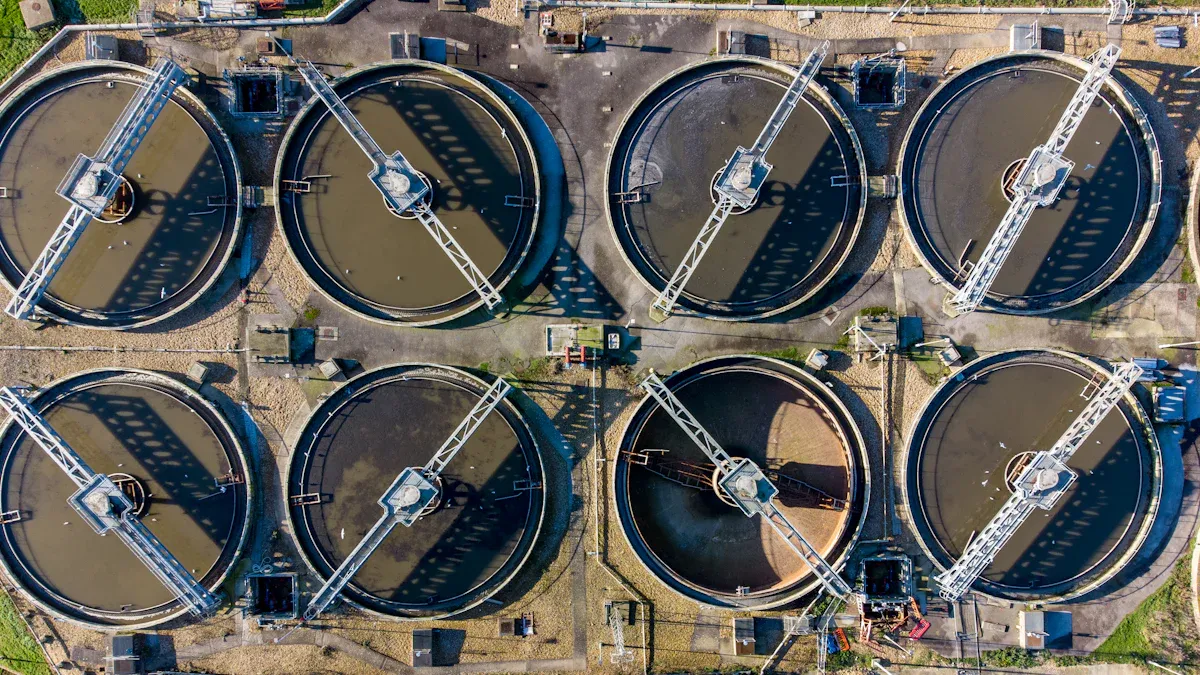
A hospital sewage treatment plant removes harmful substances from wastewater before it enters the environment. These facilities protect people from dangerous bacteria and chemicals. Cleaner water flows into rivers and lakes. This action helps keep communities healthy and reduces pollution risks.
Key Takeaways
- Hospital sewage treatment plants remove harmful substances from wastewater, protecting communities from dangerous pollutants and ensuring cleaner water flows into local ecosystems.
- Advanced treatment technologies, like membrane bioreactors and UV disinfection, effectively eliminate pharmaceuticals and pathogens, reducing the risk of antibiotic resistance and disease outbreaks.
- Hospitals must invest in staff training and public awareness to maintain compliance with environmental standards, ensuring safe wastewater management and promoting community health.
How Hospital Sewage Treatment Plants Reduce Pollution
Removal of Pharmaceuticals and Antibiotics
A hospital sewage treatment plant plays a vital role in removing pharmaceutical compounds and antibiotics from wastewater. Hospitals discharge many medicines and chemicals into their sewage systems. These substances can harm aquatic life and disrupt natural water cycles. Common pharmaceutical compounds found in untreated hospital wastewater include:
- Ciprofloxacin (up to >200 μg/L in India, 38.6 μg/L in Portugal)
- Sulfamethoxazole (8.7 μg/L in Portugal, 2.2 μg/L in the US)
- Ofloxacin, levofloxacin, erythromycin, azithromycin
- Atenolol, metoprolol, propranolol (10 μg/L to 25 μg/L in Oslo)
- Caffeine (53 μg/L to 325 μg/L in the USA)
- Estriol, estradiol, estrone (0.1 μg/L to 0.9 μg/L in Iran, Korea, Belgium, Norway)
- Carbamazepine, metformin, theobromine, theophylline, gabapentin
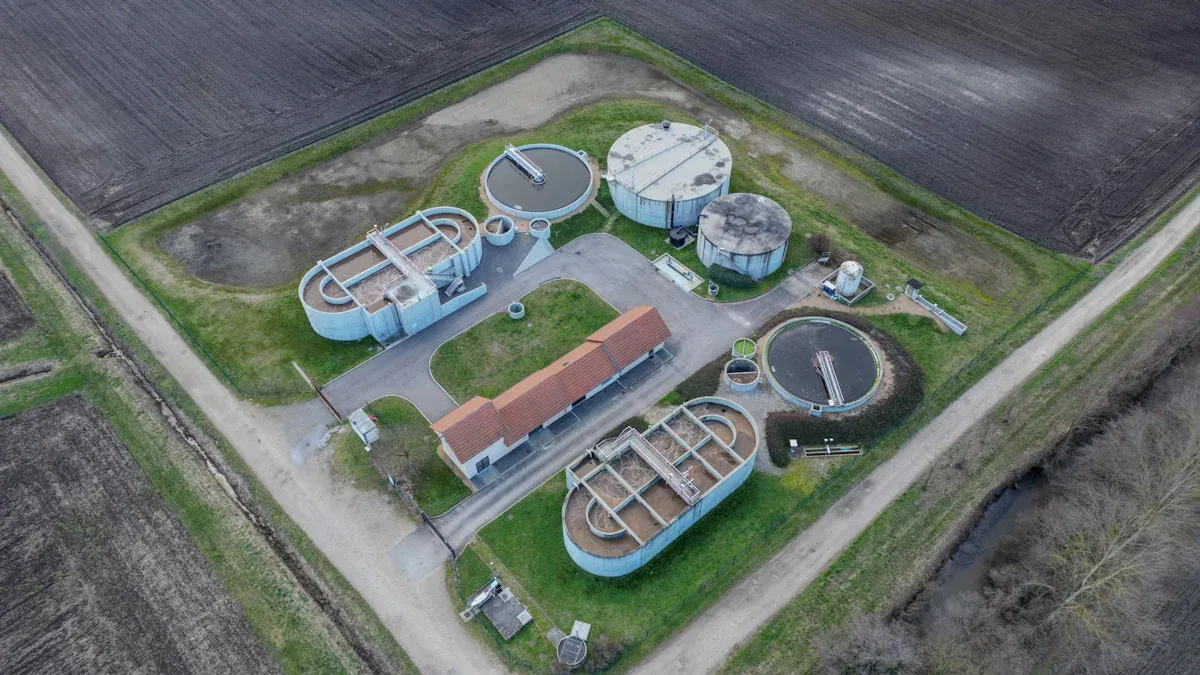
A hospital sewage treatment plant uses advanced filtration and biological processes to break down these chemicals. This action prevents pharmaceuticals from entering rivers and lakes, protecting fish and other wildlife. By removing antibiotics, the plant also helps slow the spread of antibiotic resistance in the environment.
Elimination of Pathogens and Infectious Agents
Hospitals generate wastewater that contains many harmful microorganisms. These pathogens can cause disease outbreaks if they reach the community. A hospital sewage treatment plant uses several steps to remove bacteria, viruses, and other infectious agents. Primary, secondary, and tertiary treatment stages work together to clean the water.
During the COVID-19 pandemic, experts used hospital sewershed sampling to track the spread of the virus. This monitoring helped healthcare facilities plan better and reduced the risk of overwhelming hospitals. By treating wastewater, hospitals lower the chance of infectious diseases spreading to nearby areas.
Effective treatment ensures that dangerous liquids and chemical waste do not enter public sewers. This process keeps communities safer and supports public health.
Reduction of Chemical Disinfectants and Heavy Metals
Hospital wastewater often contains chemical disinfectants and toxic heavy metals. These substances can damage plants, animals, and people if released untreated. Common heavy metals found in hospital wastewater include:
- Cadmium (Cd)
- Copper (Cu)
- Nickel (Ni)
- Mercury (Hg)
- Tin (Sn)
Modern hospital sewage treatment plants use advanced technologies to remove these pollutants. Methods such as membrane bioreactors, ozonation, and UV-based Advanced Oxidation Processes (AOPs) have proven effective in reducing heavy metal concentrations. Solar-powered UV-AOPs show promise for sustainable treatment solutions. Basic filtration and sedimentation methods do not remove heavy metals well, so hospitals invest in more advanced systems.
Hospitals combine physical, chemical, and biological methods to clean their wastewater. Technologies like reverse osmosis and UV disinfection help produce high purity water. These systems reflect a commitment to sustainable water resource management and environmental protection.
Environmental and Health Risks of Untreated Hospital Wastewater
Water Contamination and Ecosystem Damage
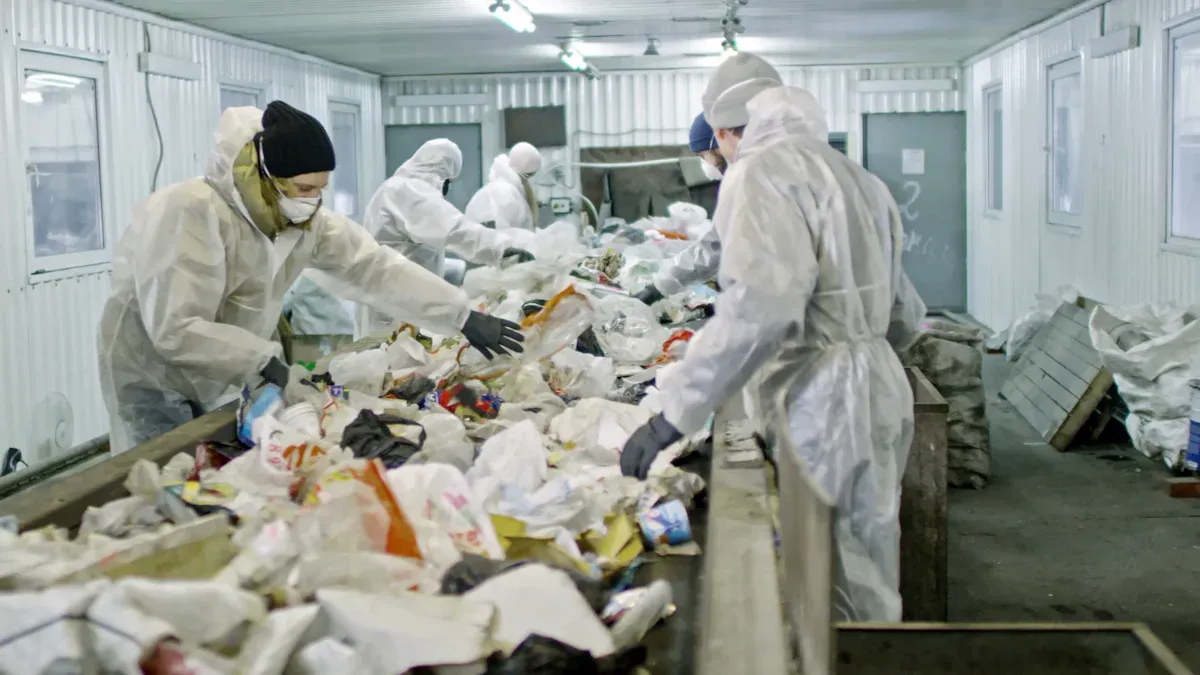
Untreated hospital wastewater can harm local water bodies and soil. Toxic and infectious substances from hospitals enter rivers and lakes, polluting aquatic environments. The lack of treatment facilities in many hospitals increases these risks.
- Polluted water can kill fish and other aquatic life.
- Harmful chemicals disrupt natural cycles in the ecosystem.
- Infectious agents may spread diseases to animals and humans.
Hospital effluents often show toxicity levels much higher than urban wastewater. When released without treatment, these effluents degrade aquatic ecosystems and threaten food safety. In low- and middle-income countries, the problem grows worse because many hospitals lack proper wastewater management.
Spread of Antibiotic Resistance
Hospital wastewater contains antibiotic-resistant bacteria and antibiotic residues. These contaminants make hospitals critical hotspots for antimicrobial resistance. The following table shows common contaminants found in hospital effluents:
| Contaminant Type | Description |
|---|---|
| Antibiotic-resistant bacteria (ARB) | High levels of ARB, making hospitals hotspots for resistance. |
| Antibiotic residues | Promote growth of resistant bacteria in the environment. |
| Pathogens | Rich in pathogens, posing risks to public health and the environment. |
| Treatment inadequacies | Discharge without proper treatment increases spread of resistance genes. |
| Crop irrigation | Untreated wastewater used for irrigation increases human exposure. |
"Hospital wastewater is an important reservoir for the spread of antimicrobial resistance genes and variants. It provides an ideal environment for pathogenic microbes, making it a hotspot for infectious microorganisms."
Common antibiotic resistance genes detected include ESBL-producing E. coli, vancomycin-resistant enterococci, and fluoroquinolone-resistant E. coli. These genes persist in the environment and increase the risk of resistant infections.
Threats to Community Health
Nearby populations face serious health risks from untreated hospital wastewater. Pathogenic microorganisms such as viruses, bacteria, fungi, and helminths can cause disease outbreaks. These pathogens adapt quickly, leading to new forms of antibiotic resistance. The COVID-19 pandemic increased hazardous substances in hospital effluents, making them hotspots for infectious microorganisms. Hospital sewage treatment plant systems help reduce these risks by removing toxic organic pollutants and pharmaceutical compounds before they reach communities.
Effective Technologies in Hospital Sewage Treatment Plants
Primary and Secondary Treatment Methods
A hospital sewage treatment plant uses several steps to clean wastewater. Primary treatment removes large solids and some organic matter. This step often includes screening and sedimentation. The process can remove about 50–70% of suspended solids and 25–40% of biological oxygen demand (BOD). Secondary treatment uses bacteria and other microorganisms to break down remaining pollutants. This stage further reduces solids and lowers the amount of harmful substances in the water.
- Primary treatment: Removes larger particles and some organic material.
- Secondary treatment: Uses biological processes to clean water more thoroughly.
These methods work together to make wastewater safer before it leaves the hospital.
Advanced Treatment Options: Membrane Filtration, Ozonation, UV
Some hospitals use advanced technologies for even better results. Membrane filtration traps tiny particles and many bacteria. Ozonation adds ozone gas to break down chemicals and kill germs. Ultraviolet (UV) treatment uses light to destroy viruses and bacteria. Hospitals sometimes combine UV with hydrogen peroxide (H2O2) to improve the removal of pharmaceuticals. These advanced steps help remove substances that basic treatments might miss.
Note: Some drugs, such as carbamazepine and diclofenac, are hard to remove with standard processes. Advanced methods can help, but a few chemicals may still remain.
Environmental Impact Comparison of Treatment Technologies
Different treatment methods have unique effects on the environment.
- Pharmaceuticals in wastewater can build up in the food chain and harm wildlife.
- Standard treatments may not remove all drugs, leaving some risks.
- UV and H2O2 treatments improve the breakdown of many pharmaceuticals, but some chemicals resist treatment.
Hospitals must choose the right mix of technologies to protect both people and nature.
Regulatory Standards and Best Practices for Hospital Sewage Treatment Plants
National and International Guidelines
Regulatory agencies set strict rules for hospital wastewater management. These guidelines help hospitals protect the environment and public health. The following table shows important standards:
| Guidelines | Source | Year |
|---|---|---|
| Effluent Guidelines and Standards (CFR 40)(NPDES) | EPA | 2015 |
| Safe management of wastes from healthcare activities | WHO | 2013 |
| Release of patients after radionuclide therapy | IAEA | 2005 |
| Release of patients after therapy with unsealed radionuclide | ICRP | 2009 |
Hospitals must follow these rules:
- Direct discharge of hazardous liquids and chemical wastes to sewer is strictly prohibited by WHO.
- Separate collection and pretreatment are required for wastewater from medical laboratories.
- Nonhazardous chemicals can be discharged without pretreatment, while radioactive wastewater must be stored separately.
Monitoring and Compliance Strategies
Hospitals use monitoring and compliance strategies to keep wastewater treatment effective. Regular inspections and accurate record-keeping reduce risks. A risk assessment in Indonesia showed that poor monitoring led to undesirable outcomes. Hospitals improved their practices by increasing inspections and training staff.
| Compliance Strategy | Number of WWTPs | Percentage (%) |
|---|---|---|
| Systematic Monitoring and Reporting | 41 | 37.3 |
| Regulatory Knowledge and Awareness | 34 | 30.9 |
| Emergency Preparedness and Response | 23 | 20.9 |
| Non-Functional Facilities | 12 | 10.9 |
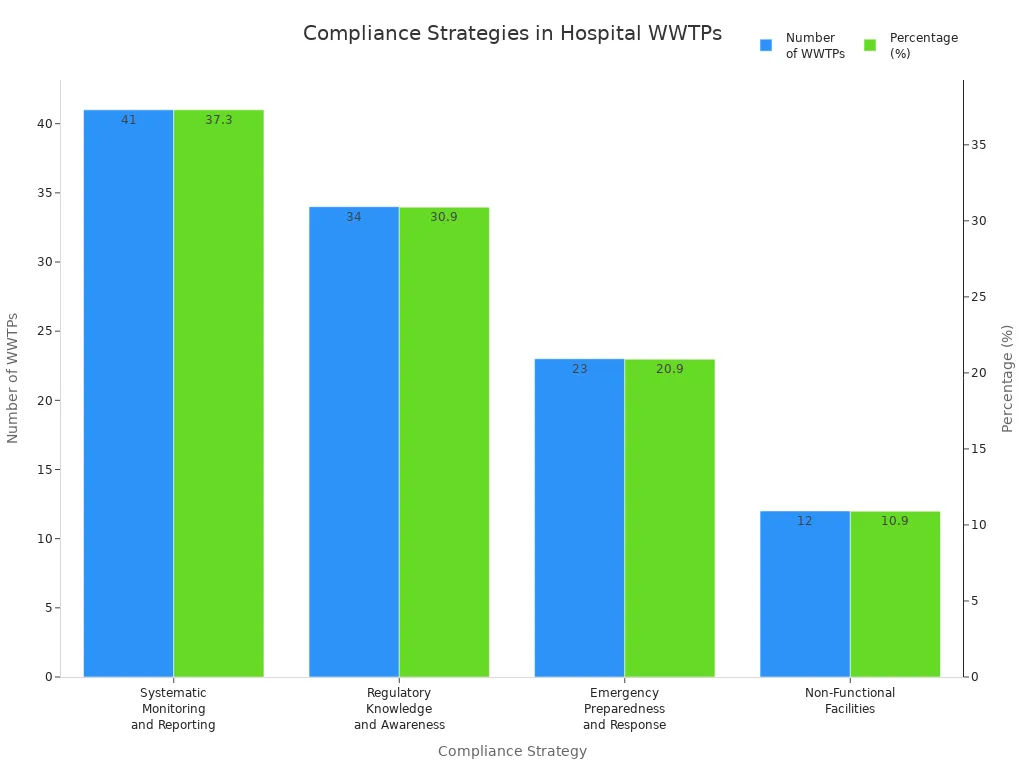
Hospitals that monitor their systems and keep good records meet environmental standards more often. These strategies help prevent pollution and protect communities.
Case Studies of Successful Hospital Sewage Management
Many countries have improved hospital sewage management. China and Japan use on-site pretreatment to stop disease outbreaks. European countries adopted new treatment methods after learning about the risks of hospital wastewater. Over the past twenty years, hospitals tested and scaled up different treatment processes. These efforts show that a hospital sewage treatment plant can remove pollutants and reduce environmental harm.
Recommendations for Hospitals and Policymakers
Investing in Advanced Treatment Systems
Hospitals should evaluate advanced technologies before upgrading their wastewater facilities. A hospital sewage treatment plant that uses membrane bioreactor (MBR) systems can remove more pollutants and lower environmental risks. However, decision-makers must consider both the benefits and the costs. MBR systems require significant investment and ongoing maintenance. Hospitals need to assess the carbon footprint and possible secondary pollution from these systems. A careful economic analysis helps ensure that new technologies remain both effective and sustainable.
Staff Training and Public Awareness
Hospitals improve compliance with environmental standards by focusing on staff training and public awareness. The following table highlights key actions that support effective wastewater management:
| Action | Description |
|---|---|
| Customized Treatment Solutions | Systems designed for each facility’s unique wastewater profile, ensuring regulatory compliance. |
| Multi-Stage Advanced Technologies | Several treatment stages to remove contaminants and ensure safe water discharge or reuse. |
| Real-Time Monitoring and Automation | Automated tracking of water quality for immediate response to issues. |
| Regulatory Documentation and Support | Detailed records to support inspections and audits. |
Staff who understand these actions help maintain safe operations and protect community health.
Policy Initiatives for Sustainable Wastewater Management
Policymakers play a key role in promoting sustainable wastewater solutions. They can:
- Set mandatory emission reduction targets for hospitals.
- Offer financial incentives for adopting advanced treatment technologies.
- Encourage collaboration among hospitals, regulators, and technology providers.
- Support the use of artificial intelligence and machine learning to optimize treatment processes.
- Promote eco-friendly and energy-efficient solutions in hospital wastewater management.
Hospitals and policymakers who work together can create safer environments and healthier communities.
A hospital sewage treatment plant protects communities by removing harmful pollutants and reducing antibiotic resistance. Hospitals and policymakers can improve outcomes by sharing best practices, investing in modern technologies, and expanding onsite treatment. Collaboration and ongoing innovation support cleaner water and long-term environmental sustainability.
| Strategy | Benefit |
|---|---|
| Sharing resources | Promotes efficiency |
| Standardizing guidelines | Ensures consistent practices |
FAQ
What makes hospital wastewater different from regular sewage?
Hospital wastewater contains pharmaceuticals, disinfectants, and pathogens. These substances require specialized treatment. Regular sewage does not usually have high levels of these contaminants.
How often should hospitals monitor their sewage treatment plants?
Hospitals should monitor treatment plants regularly. Many experts recommend weekly checks. Frequent monitoring helps maintain safety and ensures compliance with environmental standards.
Can treated hospital wastewater be reused safely?
Treated hospital wastewater can be reused for non-potable purposes, such as irrigation or toilet flushing. Hospitals must ensure the water meets safety standards before reuse.
See Also
Ways Plate Heat Exchangers Can Reduce Environmental Impact
Exploring How Sterile Filter Devices Function Effectively
Comparing EHEDG Guidelines and 3A SSI Standards for Hygiene
Innovations in Heat Exchanger Manufacturing Boost Industrial Efficiency
Enhancing Metering System Precision with Manganin Copper Shunts