Homemade sewage treatment plant ideas for 2026 homes
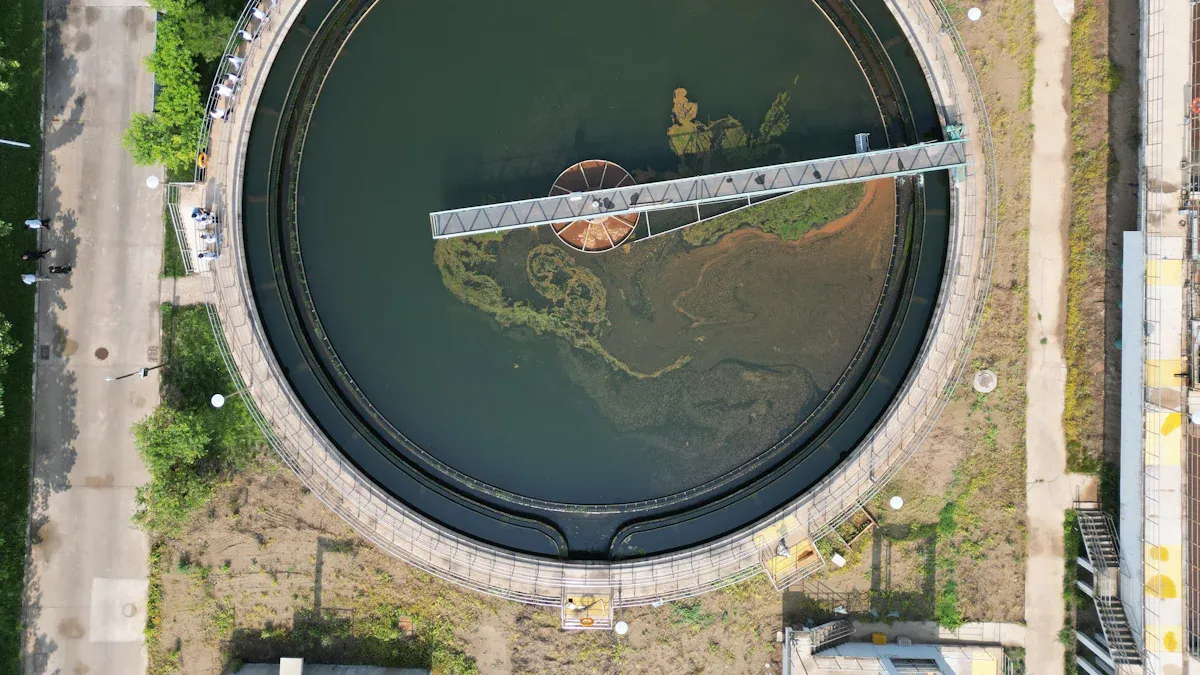
Are you looking for a homemade sewage treatment plant that fits your future-ready home? You can choose from seven innovative ideas for 2026. These options help you save money, support sustainability, and adapt to changing needs. Building one can be simple, and you gain more control over your wastewater.
Key Takeaways
- Explore seven innovative homemade sewage treatment plant ideas to find the best fit for your home. Each option offers unique benefits for sustainability and cost savings.
- Consider your space, budget, and maintenance needs when choosing a system. This ensures you select a solution that works well for your specific situation.
- Regular maintenance is crucial for your sewage treatment plant. Monthly checks and cleaning help prevent problems and keep your system running smoothly.
Homemade sewage treatment plant quick comparison
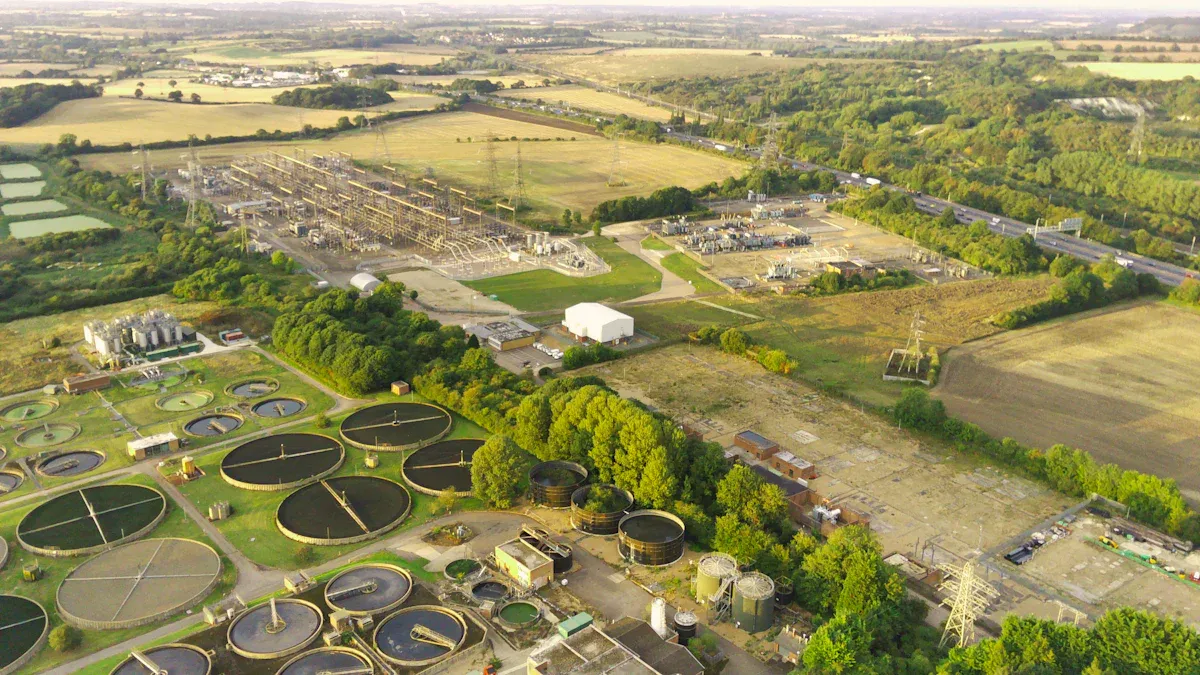
Summary of top 7 ideas
You have many choices when you want to build a homemade sewage treatment plant. Here are the top seven ideas people use for future-ready homes:
- Modular Biofilter System
- Vertical Wetland Beds
- Solar-Powered Aeration Tanks
- DIY Anaerobic Baffled Reactor
- Compact Rotating Biological Contactor
- Upflow Gravel Filter
- Integrated Greywater & Blackwater System
Each system works in a unique way. Some use plants, while others use gravel or special tanks. You can pick one that fits your space and budget.
Key features, cost, difficulty, suitability
Take a look at this table. It helps you compare the main features of each homemade sewage treatment plant idea. You can see which one matches your needs best.
| System Name | Key Feature | Cost | Difficulty | Best For |
|---|---|---|---|---|
| Modular Biofilter System | Layered filters | $ | Medium | Small yards |
| Vertical Wetland Beds | Uses plants | $ | Easy | Eco-friendly homes |
| Solar-Powered Aeration Tanks | Runs on solar | $$ | Hard | Off-grid homes |
| DIY Anaerobic Baffled Reactor | No oxygen needed | $ | Medium | Rural areas |
| Compact Rotating Biological Contactor | Rotating discs | $$ | Hard | Tech lovers |
| Upflow Gravel Filter | Gravel filtration | $ | Easy | Tight spaces |
| Integrated Greywater & Blackwater System | Handles all water | $$ | Hard | Large families |
Tip: You should think about your space, budget, and how much work you want to do before you choose a system.
Homemade sewage treatment plant detailed breakdown
Modular Biofilter System
You might want a system that is easy to build and works well for small homes. The modular biofilter system uses layers of filters to clean your wastewater. You can use plastic drums, buckets, and pipes to make this system. Most people spend less than $300 on materials. You can often find used drums and buckets for free or at a low cost.
Here’s a quick look at how this system works and what makes it effective:
| Aspect | Details |
|---|---|
| Technology | Modular bioreactor with chemical scrubber |
| Capacity | Up to 6400 people (for large systems, but you can scale down for home use) |
| Design | Three levels for biomaterial |
| Material | PVC structure, plastic drums, buckets |
| Removal Efficiency | Removes over 90% of hydrogen sulfide and ammonia |
| Economic Benefit | Saves about 9.7% of total investment cost each year |
| Sustainability | Uses less chemicals and lowers health risks |
The science behind this system is simple. It uses physical filtration, chemical adsorption, ion exchange, and helpful bacteria. These bacteria, like Pseudomonas and Bacillus, break down waste and clean the water.
| Material Type | Description | Cost Estimate |
|---|---|---|
| 55-gallon plastic drum | Main filtration module | Often available used |
| 1-gallon and 5-gallon buckets | Extra components | Low cost or free |
| Plastic pipe and fittings | Plumbing parts | Commonly available |
| Total system cost | Complete system | Less than $300 |
Tip: You can build this system in a weekend. It fits well in small yards and works for most homemade sewage treatment plant needs.
Vertical Wetland Beds
If you love plants and want a green solution, vertical wetland beds might be perfect. You build these beds with layers of gravel, sand, and wetland plants. Water flows through the bed, and the plants and bacteria clean it.
Here’s what makes vertical wetland beds work:
| Metric | Description |
|---|---|
| Contaminant Removal Rate | Removes phosphorus, nitrogen, and other pollutants |
| Hydraulic Retention Time | Water stays longer for better cleaning |
| Biofilm Health | Healthy biofilm breaks down waste |
| Water Flow Rate | Slower flow means better cleaning |
You can set up these beds in your backyard. They look nice and help wildlife. You do not need much money or special tools. This system works best if you want an eco-friendly homemade sewage treatment plant.
Solar-Powered Aeration Tanks
Do you want to use the sun to power your system? Solar-powered aeration tanks use solar panels to run air pumps. These pumps add oxygen to the water, which helps bacteria break down waste.
Solar-powered tanks use less energy than regular systems. The venturi aeration design uses only 0.681 kg O2/kWh, which saves power. If you live off-grid or want to cut your electric bill, this system is a smart choice. You can add batteries to store extra solar energy, so your system works even at night or on cloudy days.
You need to keep your system clean and check the parts often. Here are the main tasks:
| Maintenance Task | Purpose |
|---|---|
| Cleaning | Remove debris and biofilm buildup |
| Inspection | Check diffusers, blowers, and pipes |
| Replacement | Fix or replace worn parts quickly |
Note: Solar-powered aeration tanks cost more at first, but you save money over time because you do not pay for electricity or fuel.
DIY Anaerobic Baffled Reactor
If you want a low-maintenance system that does not need power, try a DIY anaerobic baffled reactor. This system uses a series of tanks and baffles to slow down the flow of water. Bacteria break down waste without oxygen.
You can build this system with plastic drums, buckets, and pipes. Here are the main steps:
| Step | Description |
|---|---|
| 1 | Cut openings in the drum for a bucket and a pipe. |
| 2 | Drill holes for fittings. |
| 3 | Put all the parts together as shown in the instructions. |
Each part of the system has a job:
| Component | Functionality |
|---|---|
| Surge Tank | Removes solids and grease |
| Anaerobic Upflow Tank | Creates a slow zone for bacteria to work |
| Biofilter | Adds an aerobic zone to finish cleaning |
This homemade sewage treatment plant works well in rural areas. You do not need much space or power.
Compact Rotating Biological Contactor
If you want a high-tech option, you might like the compact rotating biological contactor (RBC). This system uses spinning discs to grow bacteria. As the discs turn, they pick up oxygen and help bacteria break down waste.
Here’s how RBCs compare to other systems:
| Attribute | RBCs (Rotating Biological Contactors) | Other Biological Methods |
|---|---|---|
| Footprint | Small, fits in tight spaces | Often larger |
| Effectiveness | Reduces BOD, COD, and nutrients well | Varies |
| Energy Efficiency | High | Often lower |
| Process Stability | Very stable | Can be less stable |
- RBCs cost less to set up than many advanced systems.
- You need to check and clean the discs often.
- Fix problems quickly to keep the system running well.
This system is great if you want a reliable, space-saving homemade sewage treatment plant.
Upflow Gravel Filter
An upflow gravel filter is simple and works well for small homes. You fill a tank with gravel and let water flow up through it. The gravel traps solids and helps bacteria clean the water.
These filters remove nitrogen, BOD, phosphorus, and germs. They work even during tough conditions. You should use a flow rate of 5-10 gallons per minute per square foot for best results. The gravel spreads water evenly and keeps the system working.
- You can build this filter with basic materials.
- It fits in small spaces and needs little care.
Integrated Greywater & Blackwater System
If you want to reuse as much water as possible, try an integrated greywater and blackwater system. This system treats all your household wastewater together. You can use the cleaned water for gardens or toilets.
Greywater (from sinks and showers) is easier to treat than blackwater (from toilets). By keeping these streams separate, you make recycling easier and safer. This system helps your home use less water and lowers your impact on the environment. It also makes your home more resilient during droughts or water shortages.
- Treat sewage as a resource, not just waste.
- Keep different types of wastewater separate for better recycling.
- Consider all sources: greywater, blackwater, and even compost toilets.
Tip: This system works best for large families or homes that want to save the most water.
You have many choices for a homemade sewage treatment plant. Each system has its own strengths. Pick the one that fits your space, budget, and goals.
Choosing a homemade sewage treatment plant for your home
Space requirements
You need to think about how much room you have before you pick a system. Some designs take up more space than others. Check out this table to see how different systems fit into your yard:
| Design Type | Space Needs | Pros and Cons |
|---|---|---|
| Packaged Sewage Treatment Plants | Small, fixed footprint | Easy to install, but not flexible |
| Sequential Batch Reactor (SBR) | Needs control equipment | Great water quality, but more complex |
| Membrane Bioreactor (MBR) | Very compact | Clean water, but costs more and uses more power |
| Moving Bed Biofilm Reactor (MBBR) | Handles changes well | Efficient, but needs special screens |
| Activated Sludge | Large area needed | Reliable, but takes up lots of space |
Budget considerations
Money matters when you build a homemade sewage treatment plant. Here’s a quick look at costs:
| System Type | Cost Range (USD) |
|---|---|
| Packaged Domestic Units | $3,000–$8,000 |
| Industrial or MBBR Systems | $15,000–$50,000+ |
| MBR Systems | Highest cost |
| Installation Costs | Add 30–50% to equipment |
| Annual Energy Use | $200–$600 |
| Annual Servicing | $150–$400 |
| Lifespan | 20–25 years |
Climate and location factors
Your local weather and soil can change how well your system works. If you live somewhere cold, you may need extra insulation. Sandy soil drains fast, but clay holds water. You should also check if your area gets heavy rain or droughts.
Local regulations and permits
You must follow local rules. Some places have strict discharge standards. Make sure your system meets requirements for water quality, like BOD and suspended solids. You might need a permit before you start building.
Decision-making tips
- Pick a system that matches your space, budget, and water needs.
- Make sure the system meets local standards for clean water.
- Look for designs that are easy to maintain.
- Check if you can add solar power or remote monitoring.
- Think about how easy it is to get to the system for repairs.
Tip: Ask local experts or neighbors for advice before you decide.
Homemade sewage treatment plant maintenance and safety
Essential maintenance routines
You want your homemade sewage treatment plant to work well year after year. Regular care keeps things running smoothly and helps you avoid big problems. Here are some simple routines you should follow:
- Check tanks, pipes, and filters every month. Look for leaks, cracks, or clogs.
- Clean out filters and remove any buildup. This keeps water flowing and bacteria healthy.
- Pump out your septic tank every 3 to 5 years. The timing depends on your tank size and how many people live in your home.
- Watch for strange smells or slow drains. These signs mean you need to act fast.
- Keep a record of all repairs and cleaning. This helps you spot patterns and plan future maintenance.
If you ignore regular upkeep, you risk letting wastewater escape into the ground or nearby water. That can harm your family and the environment.
Safety precautions for DIY systems
Building and caring for your own system means you need to stay safe. You can protect yourself and your home by following these steps:
- Use less water and avoid sending too much waste into your system.
- Never flush chemicals, paint, or medicine. These can kill helpful bacteria and damage your system.
- Do not put bulky items or things that break down slowly in the toilet.
- Inspect your system every year. Look for problems before they get worse.
- Always wear gloves and a mask when working with sewage or cleaning tanks.
- Broken or neglected systems can pollute water and spread disease.
- Raw sewage can back up into your house and create bad smells.
- Good habits keep your system safe and your home healthy.
Remember, a little care goes a long way. You keep your homemade sewage treatment plant working and protect your family at the same time.
You have seven homemade sewage treatment plant ideas to explore. Each system offers unique benefits for your home. To pick the best fit, follow these steps:
- Figure out your daily wastewater volume.
- Check local rules.
- Review your budget.
- Compare maintenance needs.
Got questions or tips? Drop a comment below!
FAQ
How often should you clean your homemade sewage treatment plant?
You should check and clean your system every month. This keeps it working well and helps you spot problems early.
Can you use treated water from these systems for your garden?
Yes! You can use treated water for your garden, but only if your system works well and local rules allow it.
What should you never put into your sewage treatment plant?
- Paint
- Chemicals
- Medicine
- Grease
These things can harm your system and hurt helpful bacteria.
See Also
Best Precoating Options for Filtration Systems in 2025
6 Essential Industrial Vacuum Cleaners for Every Business
Comprehensive 2025 Overview of Semi-welded Heat Exchangers
Understanding the Advantages of Commercial Heat Exchangers in 2025