Uncovering the History and Symbolism of Holy Water Fonts
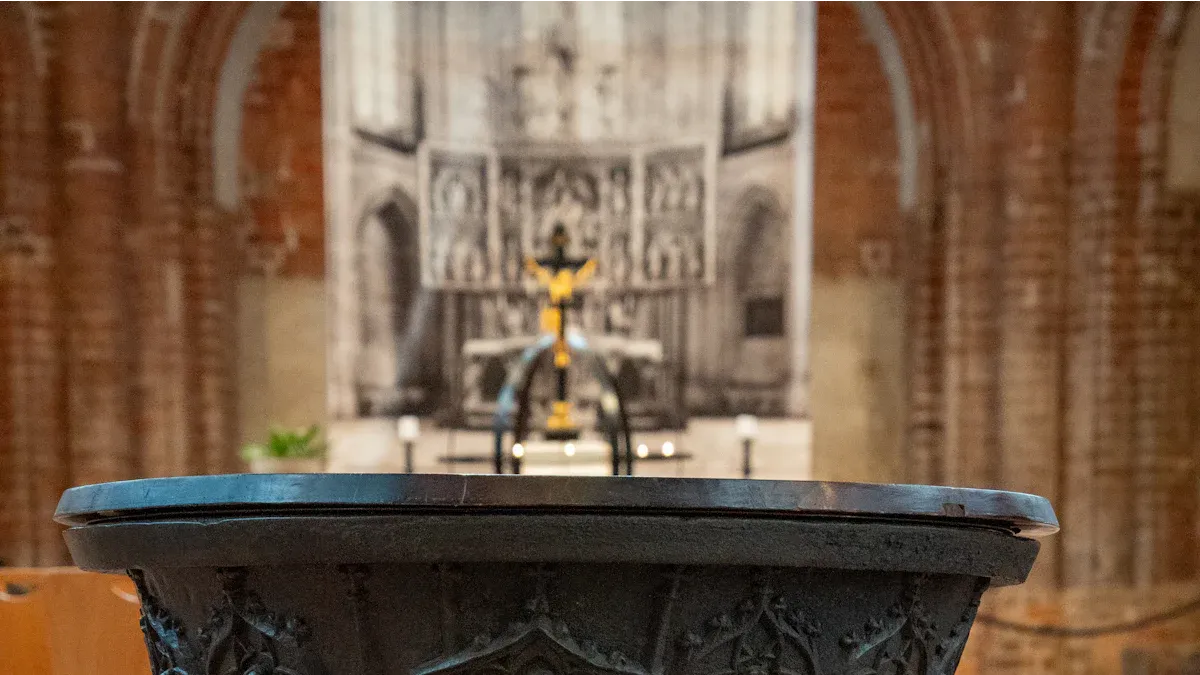
Holy water fonts are vessels at church entrances holding blessed water. They symbolize spiritual cleansing and remind believers of baptism. Blessing oneself marks the transition from the secular world to sacred space, a ritual connecting people to ancient traditions. This practice continues today, from ornate basins to the simple holy water dispenser.
An Ancient Tradition 📜 The use of blessed water is deeply rooted in Church history.
- The Euchologion of Serapion (d. after 362 AD) preserves the oldest known prayer for blessing water.
- Texts from c. 400 AD attribute the precept of using holy water to the Apostle Matthew.
Key Takeaways
- Holy water fonts have a long history. They started as large outdoor basins for washing. They became smaller indoor stoups over time. This change shows how a simple wash became a spiritual symbol.
- Holy water reminds people of their baptism. It helps them feel clean in spirit. It is a 'sacramental' that prepares believers for God's grace. It helps them live a holy life.
- Today, churches use modern holy water dispensers. These are touchless for hygiene. People also keep holy water at home. This brings blessings into daily life.
The Historical Journey of the Holy Water Font
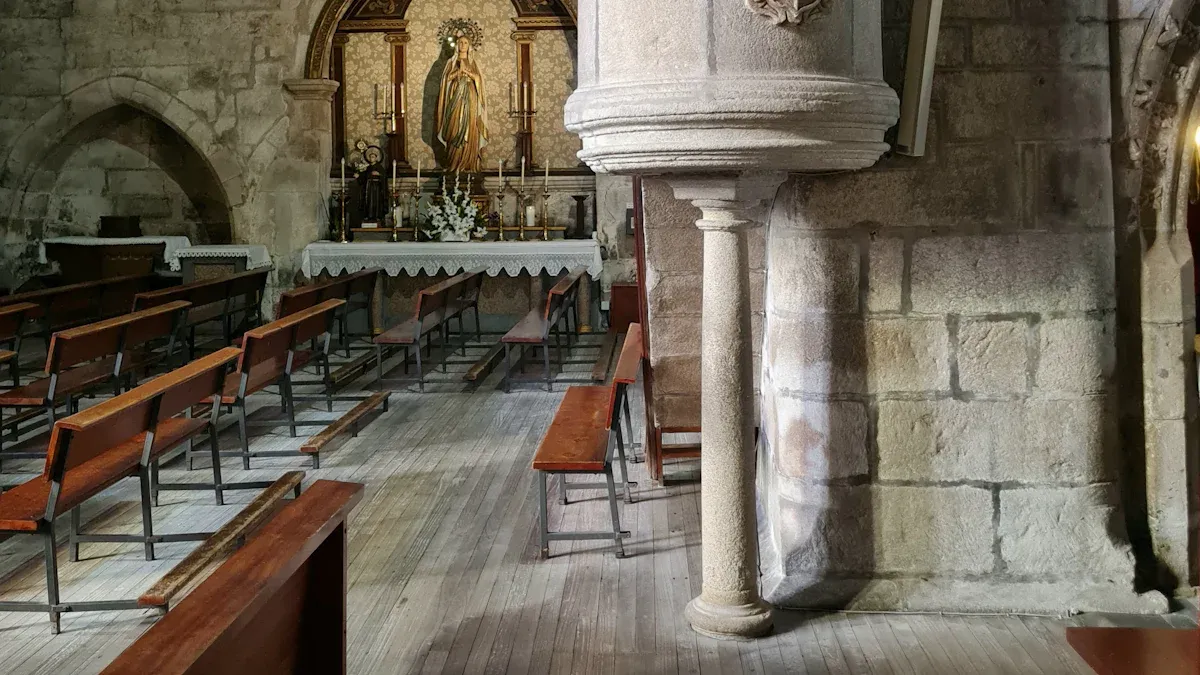
The holy water font, a familiar sight in Catholic churches, has a rich history that stretches back to ancient times. Its development shows a fascinating blend of cultural adaptation and theological growth. The journey from large outdoor basins to the small indoor stoups we see today reveals how a practical act of washing evolved into a profound spiritual symbol.
Ancient Roots in Ritual Washing
The idea of using water for spiritual purification did not begin with Christianity. Many ancient cultures viewed water as a powerful cleansing agent for both body and soul. This concept provided a familiar foundation for early Christian practices.
A Shared Heritage of Purification 💧 Both Roman and Jewish traditions practiced ritual washing long before the Church's formation. This cultural context helped shape the Christian understanding of blessed water.
In ancient Rome, people performed ablutions, or ritual washings, before participating in sacred rites. Roman writers like Macrobius and Ovid documented these ceremonies. They emphasized the importance of water for achieving spiritual purity before approaching the gods. This practice was a common part of religious life.
Jewish tradition also placed great importance on ritual purity. The Book of Exodus, for example, commanded Aaron and his sons to wash their hands and feet before approaching the altar. This act symbolized their purification and readiness to serve God. Archaeologists have found numerous ritual baths, known as ritual baths, in Judea and Galilee from the Roman period. These baths, along with special stone vessels, were central to purity practices, especially those connected with the Jerusalem Temple. While some scholars suggest these pools also served everyday purposes, their presence highlights the deep cultural significance of water purification.
From Courtyard Basins to Interior Stoups
Early Christians adapted these existing customs for their own worship. The first Christian churches, often modeled after Roman basilicas, featured a large fountain or basin in the courtyard. This basin was called a fountain or basin.
- The Courtyard Fountain: Worshippers would wash their hands and feet at the fountain before entering the main church building. This act was a practical way to clean oneself before entering a sacred space. It also served as a powerful symbol of leaving the outside world behind.
- The Move Indoors: Over centuries, church architecture changed. The large open courtyards became less common. The practice of full washing also shifted toward a more symbolic gesture.
- The Birth of the Stoup: Churches began placing smaller basins just inside the entrance. These vessels, known as stoups (from an Old English word for "cup" or "beaker"), held the blessed water. This new placement made the ritual more direct and accessible. Believers could now simply dip their fingers and make the Sign of the Cross, a practice that continues to this day.
This architectural evolution reflects a theological shift. The focus moved from physical cleanliness to a spiritual reminder of baptismal purity.
Early Church Documentation
The Church formalized the use of blessed water in its earliest official texts. These documents provide the first written evidence of prayers and rules for this important sacramental. The Apostolic Constitutions, a Christian text from the 4th century, is a key source. It attributes the instruction to use holy water to the Apostle Matthew and contains a prayer for blessing water before baptism.
Another section of this text provides a specific formula for a bishop or priest to use:
"O Lord of hosts, the God of powers, the creator of the waters... do Thou now also sanctify this water... and grant it a power to restore health, to drive away diseases, to banish demons..."
Other important early texts, like the 4th-century Pontifical of Serapion and the later Testament of the Lord, also include blessings for water and oil to be used for healing and protection.
Influential leaders, known as the Church Fathers, further explained and defended the practice. Their writings helped solidify the tradition for future generations.
- Tertullian wrote that waters "are sanctified by invoking God."
- St. Cyprian stated that water must be "purified and sanctified by the priest."
- St. Ambrose spoke in detail about the power of the exorcism and the Sign of the Cross used in the blessing.
- Saint Basil numbered these blessings among the traditions passed down from the Apostles.
- St. Cyril of Jerusalem and St. Gregory of Nyssa both emphasized the spiritual benefits of these benedictions.
These early documents and teachings built the theological foundation for the holy water font, transforming it from a simple basin into a powerful symbol of faith, protection, and divine grace.
The Spiritual Significance and Practice

The holy water font is more than a historical artifact. It holds deep spiritual meaning for believers. The simple act of dipping one's fingers into the water and making the Sign of the Cross is a rich, symbolic gesture. This practice connects the faithful to core tenets of their beliefs and extends their spiritual life beyond the church walls.
A Reminder of Baptism and Faith
The primary spiritual significance of holy water is its connection to Baptism. When a person blesses themself, they perform a powerful act of remembrance. The water recalls the moment of their own baptism, the sacrament that washed away original sin and initiated them into the Christian community. This gesture serves as a personal renewal of baptismal vows. It is a conscious choice to reject sin and live according to the faith.
Each time a believer enters a church and uses the font, they reaffirm their identity in Christ. The water symbolizes spiritual cleansing and a fresh start. It prepares the heart and mind for worship, prayer, and receiving the sacraments. This small ritual acts as a constant, physical reminder of the grace received at baptism and the ongoing call to live a holy life.
The Font's Role as a Sacramental
Holy water is a "sacramental," a sacred sign that prepares believers to receive grace and sanctifies moments in their lives. The Church defines sacramentals and their purpose in its official documents.
The 1983 Code of Canon Law (CIC) defines sacramentals as “sacred signs by which effects, especially spiritual effects, are signified in some imitation of the sacraments and are obtained through the intercession of the Church” (1166).
Unlike sacraments, which directly confer God's grace, sacramentals work through the prayers of the Church. They help dispose a person to be more open to grace. Holy water, as a key sacramental, has several functions:
- It signifies spiritual effects, like purification and protection.
- It prepares individuals to receive the grace of the sacraments.
- It makes various occasions in life holy.
- Its power comes from the prayer of the Church and a person's faith.
The font, therefore, is the sacred vessel that holds this powerful sacramental. Its placement at the church entrance makes this spiritual tool readily available to all who enter, inviting them to partake in the Church's blessings.
The Modern Holy Water Dispenser and Home Use
The tradition of using holy water continues to adapt to modern needs. In recent years, many parishes have introduced a touchless holy water dispenser to promote hygiene while preserving the ancient custom. This innovation blends tradition with technology, ensuring the practice remains safe and accessible. The modern holy water dispenser often includes thoughtful design features.
- Hygienic Operation: Many units use infrared sensors for touchless use, preventing the spread of germs. An anti-drip valve system also keeps the area clean.
- Durable and Elegant Design: A holy water dispenser is often made with high-quality materials like ABS plastic or carved oak. They are designed to blend seamlessly with the sacred art and architecture of a church.
- Practical Features: Most models are battery-operated and have large, refillable reservoirs. Some even allow for adjustable water flow, making the holy water dispenser a sustainable and user-friendly option.
The use of holy water also extends into the home. It is a common tradition for believers to keep holy water in their houses, often in small wall-mounted fonts near the entrance. This practice brings the blessings of the Church into daily life. People use it to bless themselves and their children, to ask for protection, and to sanctify their living space. According to tradition, holy water in the home serves several purposes:
- It helps individuals overcome temptation.
- It offers protection from sickness and evil influences.
- It can remit venial sins.
- It acts as a constant reminder of God's presence.
Whether through an ancient stone stoup or a modern holy water dispenser, the practice of using blessed water remains a vital part of the Christian spiritual journey. The introduction of the holy water dispenser ensures this tradition can continue safely for generations to come.
Holy water fonts are profound symbols of purification and devotion, reminding believers of baptism. Ancient examples show this deep history.
A historic font from Pisa Cathedral, now at The Met Cloisters, depicts the life of Saint Rainerius, whose miracles often involved holy water. ⛪
This tradition connects people to centuries of Christian history.
FAQ
What is the purpose of holy water?
Holy water provides spiritual cleansing and protection. It reminds believers of their baptismal promises and prepares their hearts for worship and prayer.
Why is the font at the church entrance?
Its placement at the entrance marks the transition from the outside world to a sacred space. It symbolizes spiritual purification upon entering the church community. ⛪
Can anyone use holy water?
Yes, anyone may use holy water. The Church intends its use for the faithful to receive spiritual benefits through an act of personal faith and devotion.