High Speed Checkweigher Your 2025 Upgrade Decision Guide
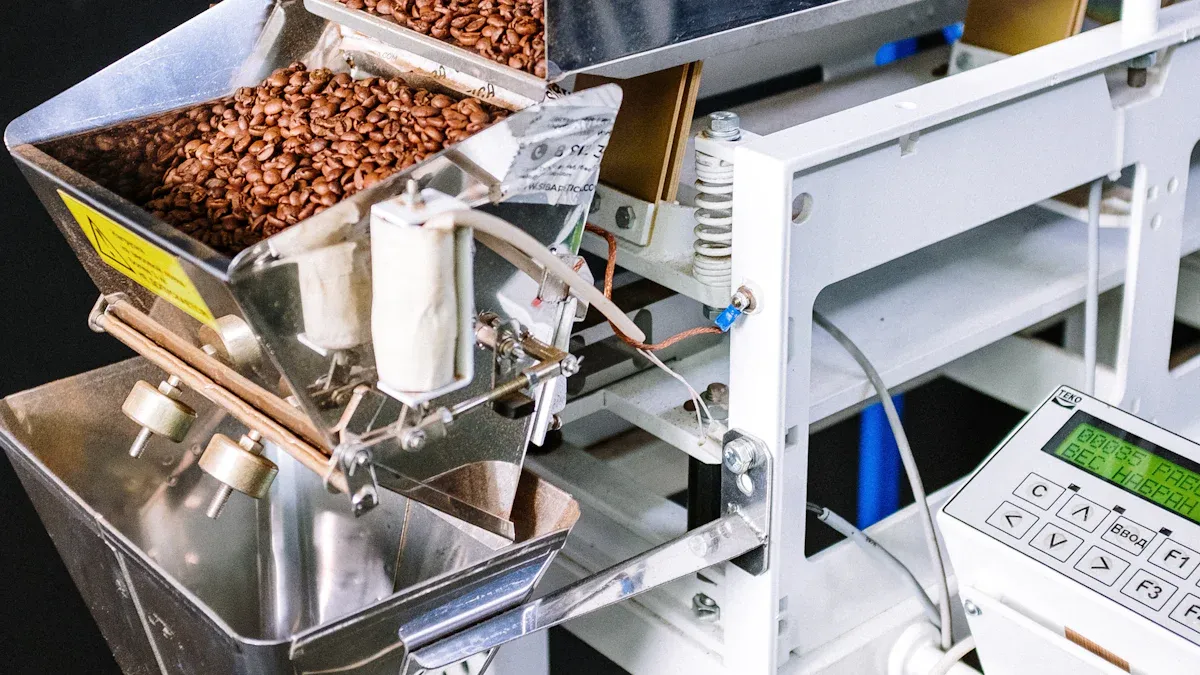
Your line's needs determine your choice. You should select a High Speed Checkweigher for lines faster than 200 PPM. Models like the SG-150HH Ultra-high Speed Checkweigher Machine for Industrial use or a High speed Checkweigher for pharmaceutical industry minimize product giveaway. A standard checkweigher is best for slower, budget-first operations.
Key Takeaways
- Choose a high-speed checkweigher for lines faster than 200 items per minute. It helps you save money by reducing product waste.
- High-speed checkweighers cost more at first. But they save you money over time by cutting down on wasted products and avoiding fines.
- Consider a high-speed checkweigher if your products are light or unstable. It keeps them steady and weighs them correctly, even at fast speeds.
High-Speed vs. Standard: The Core Differences
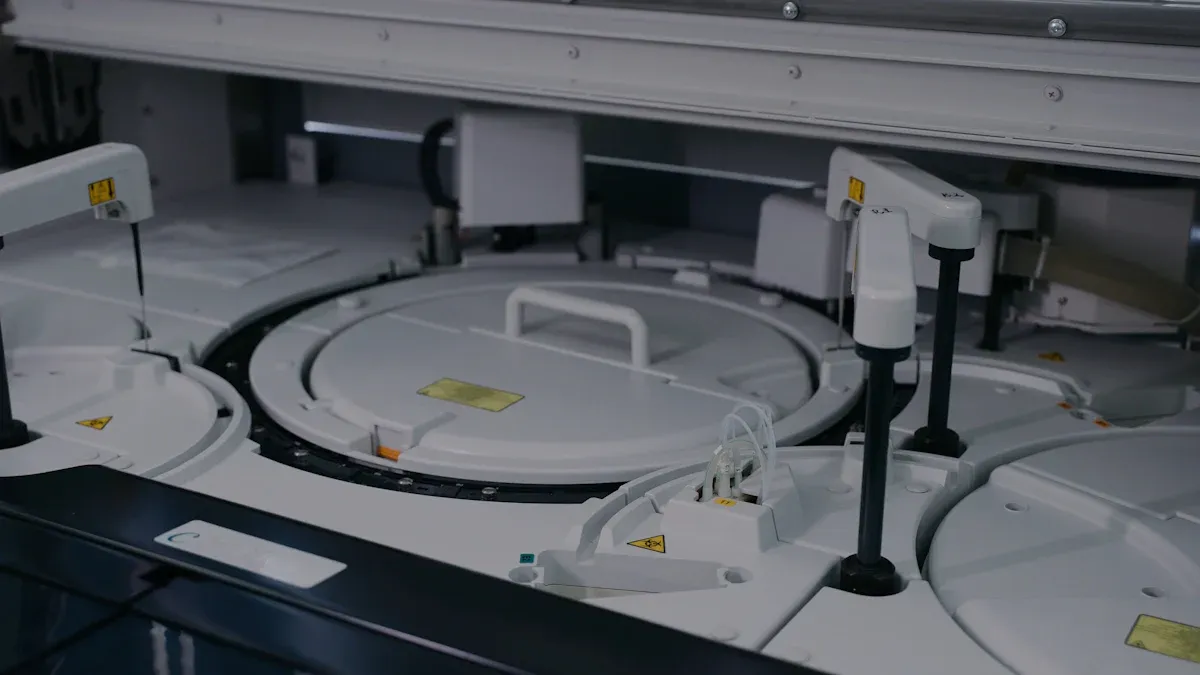
Understanding the key distinctions between high-speed and standard checkweighers helps you make the right choice. The differences go beyond just speed and impact your accuracy, costs, and line setup.
Speed and Throughput (PPM)
Standard checkweighers operate well at lower speeds. High-speed systems are built for much faster lines. A fast conveyor belt can challenge traditional filters, affecting accuracy. However, advanced systems use innovative technology to overcome this. Some models can process up to 700 items per minute without losing precision. This capability ensures your throughput matches your production goals.
Accuracy at High Speeds
You might think speed reduces accuracy. Dynamic weighing systems are designed specifically for objects in motion. They use specialized load cells and sensors to get precise measurements despite vibrations. This technology allows a High Speed Checkweigher to capture weight data in real-time. Your system can then make immediate adjustments, ensuring every product meets specifications.
Initial Cost vs. Long-Term ROI
A high-speed system has a higher initial cost. However, you should calculate its long-term return on investment (ROI). The savings often justify the price within months.
Key ROI Factors:
- Reduced product giveaway
- Lower rework and labor costs
- Avoidance of regulatory fines
- Full traceability for compliance
For example, a pharmaceutical company used a system to ensure correct tablet counts. This prevented costly errors and guaranteed compliance.
Footprint and Line Integration
You may worry about space. Modern checkweighers are surprisingly compact, with some models needing as little as 3’x3’ of floor space. They also integrate easily into your existing line. These systems use standard communication protocols to connect with your other equipment.
- OPC UA
- Ethernet/IP
- Modbus
This connectivity makes them a smart addition to any Industry 4.0 setup.
When to Invest in a High Speed Checkweigher
Deciding on a major equipment upgrade requires careful analysis. You need to look beyond the initial price tag. A high-speed system is a strategic investment. It pays off when your production conditions demand superior performance. Let's explore the key factors that signal it's time to upgrade.
Analyze Your Production Speed
Your line speed is the most direct indicator for an upgrade. You should measure your line's performance to get a clear picture. Tracking key performance indicators (KPIs) helps you make a data-driven decision.
Key KPIs to Monitor:
- Throughput: This measures how many quality products you make in a set time. It is the ultimate test of your line's performance.
- Overall Equipment Effectiveness (OEE): This score combines your machine availability, performance, and quality. It shows where you can improve operations.
- Unplanned Downtime: This tracks unexpected production stops. High downtime hurts your throughput and signals equipment strain.
Many industries already operate at speeds that demand advanced checkweighing. The cosmetics industry often runs lines between 100 and 300 items per minute. In confectionery, some lines process over 600 wafers per minute. If your throughput is approaching or exceeds 200 PPM, a standard checkweigher will become a bottleneck.
Evaluate Your Product Type
The type of product you handle is just as important as your line speed. Certain product characteristics make accurate weighing at high speeds very difficult for standard systems.
Unstable products, like tall bottles or items in flexible packaging, can shift or vibrate on the conveyor. This movement can cause weight errors. A High Speed Checkweigher uses advanced technology to get precise measurements despite this instability.
Lightweight products also pose a challenge. Industries handling these items benefit greatly from specialized systems.
- Snacks (chips, nuts, pet food)
- Spices and Seasonings
- Pharmaceuticals
- Sauces and Jams
These systems often use specific rejector mechanisms to handle delicate or light items without causing damage. For example, an Air Jet Rejector is perfect for blowing small, light packages off the line. This ensures only compliant products continue, protecting both your quality and your equipment.
Calculate Your ROI Potential
An investment in new technology must deliver a strong return. You can calculate the potential ROI by looking at direct cost savings and efficiency gains. A high-speed system improves your bottom line in several ways.
First, it drastically reduces product giveaway. Automated feedback systems provide real-time weight data. This allows for instant adjustments to your filling process, minimizing overweight packages. You stop giving away free product with every item.
Second, it ensures compliance with net weight regulations. This helps you avoid fines and streamlines your operations. You can optimize your processes around batch averages instead of checking every single package.
Finally, you can project your savings over time. Consider the following cost factors:
| Cost Factor | Standard System | High-Speed System |
|---|---|---|
| Product Giveaway | Higher due to less precision | Minimized by real-time adjustments |
| Labor for Rework | More manual checks needed | Automated sorting reduces labor |
| Annual Maintenance | ~$1,000 (Manual) | ~$2,000 (Automatic) |
| Regulatory Fines | Higher risk of non-compliance | Lower risk with better accuracy |
While the annual maintenance may be higher, the savings from reduced waste and optimized production often create a positive ROI within months.
Factor in Future Growth
Your decision should not only solve today's problems. It should also prepare you for tomorrow's opportunities. Market trends show significant growth in key sectors. The packaged foods market, for example, is projected to grow by over 4% annually. E-commerce and pharmaceutical industries are also expanding rapidly.
Will your current equipment handle a 10%, 20%, or even 50% increase in production volume over the next five years? If the answer is no, you risk falling behind competitors.
Investing in a scalable solution is smart planning. Many modern checkweighers feature a modular design.
- This allows for easy integration into your current line.
- It offers a layout tailored to your specific process.
- It is easily scalable for future production expansion.
A modular system grows with your business. This saves you from a costly full-line replacement down the road. It future-proofs your operation and positions you for sustained growth.
Final Checklist for Your Upgrade Decision
Answering these four questions will give you a clear path forward. Use this final checklist to confirm if a 2025 upgrade is the right strategic move for your production line.
Production Speed Exceeds 200 PPM?
You should first benchmark your line's speed against industry standards. Production speeds are often categorized to define equipment needs. If your line operates in the ultra-high range, a standard system will create a bottleneck.
| Printer Category | Pages Per Minute (PPM) |
|---|---|
| High ppm | 60 to 100 ppm |
| Very High ppm | 100 to 200 ppm |
| Ultra-High ppm | 200+ ppm |
If your throughput is over 200 PPM, you have your answer. You need a machine built for that speed.
Is Product Giveaway a Major Cost?
Product giveaway directly hurts your profits. A medium-sized cheese producer, for example, achieved annual savings of €400,000 by reducing giveaway. Your checkweigher data shows where to reduce raw materials in your upstream filling machines. Without these adjustments, you lose potential savings. Accurate weighing stops this slow leak of revenue.
Are Your Products Unstable or Lightweight?
Standard weighers struggle with wobbly or light items. A High Speed Checkweigher uses specific technologies to ensure accuracy with these challenging products.
- A rigid frame reduces vibration and weighing errors.
- Dual load cells provide an extra layer of precision.
- Special side transfer belts handle unstable containers effectively.
These features keep your products stable and your weight readings precise, even at top speeds.
Do You Project Significant Growth?
Think about your production goals for the next three to five years. An equipment upgrade is an investment in your future capacity. If you anticipate higher demand, investing now prevents future bottlenecks. It ensures your line can scale with your business, keeping you competitive and ready for new opportunities.
Your decision balances current needs against long-term gains. A High Speed Checkweigher is a strategic investment for fast-moving lines. It often delivers a return on investment in less than a year by eliminating product giveaway. For slower operations, a standard unit remains a practical choice. Use the final checklist to make the right decision for your 2025 goals.
FAQ
What is the main benefit of a high-speed checkweigher?
It boosts your line's throughput and accuracy at high speeds. You reduce costly product giveaway. You also ensure every item meets weight regulations, protecting your profits.
Can a high-speed checkweigher handle different products?
Yes. You can program modern systems for various products. Many models let you save presets. This feature allows for quick and easy changeovers between production runs.
See Also
Essential Capsule Checkweighers for Buyers to Evaluate in the Coming Year
Three Must-Have Industrial Checkweighers for Modern Food Processing Facilities
Understanding Pharmaceutical Checkweighers: Key Features and Core Definitions
How PHE Plates Will Boost System Performance: Three Key Improvements for 2025
Discovering Trending Folder Gluer Innovations for Carton Production Lines in 2025