Never overpay for high-quality natural Pine Oil at an attractive price again
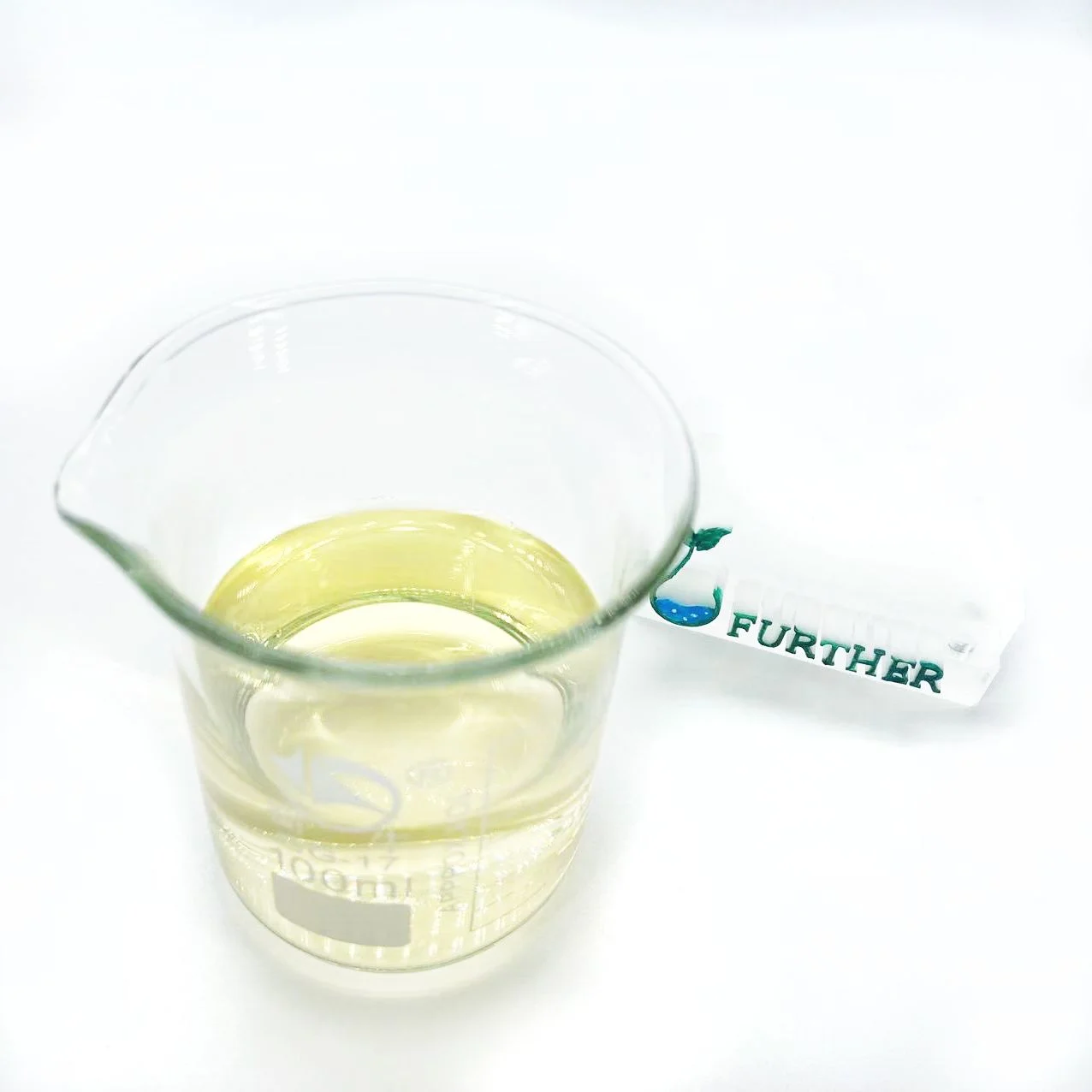
Five industries rely on natural Pine Oil every day: cleaning products, aromatherapy and fragrance, pharmaceuticals and health care, industrial solvents and degreasers, and wood treatment and preservation. Each one uses Pine Oil for different reasons and pays a different fair price. This guide shows exactly what drives quality and cost in each industry and how to secure high-quality natural Pine Oil at an attractive price.
LinkedIn reports that cleaning and disinfectant applications form the largest segment, driven by rising hygiene standards and demand for eco-friendly disinfectants. Personal care and cosmetics follow, as consumers prefer natural ingredients. Fragrance and aromatherapy sectors value Pine Oil for its therapeutic scent profile. Industrial and agricultural uses, including pest control and bio-based lubricants, are emerging fast.
Buyers who understand grade, purity, and unit cost stop overpaying.
Key Takeaways
- Check purity and grade first. Higher grades cost more but work better for specific jobs.
- Compare cost per kilogram or gallon, not per bottle. This shows the real value.
- Buy from transparent suppliers. They share test results and certifications openly.
Cleaning Products
Why Pine Oil Cleans So Well
Pine oil carries strong antiseptic and antibacterial properties. Research and Markets notes that these traits make it an effective disinfectant for homes and commercial spaces. The product is natural, biodegradable, and non-toxic. Distillation and extraction advances now deliver better purification and consistency. Buyers should watch for adulteration, since low-quality product erodes trust and raises production costs.
Where It Fits in Cleaners
Pine oil works as a cleaner, disinfectant, air freshener, and insect repellent. Worldwide Janitor reports that 80% pure pine oil cleans, sanitizes, and deodorizes when diluted at ¼ cup per gallon of water. Nyco Products recommends 2 to 3 ounces per gallon for general cleaning and 16 ounces per gallon for garbage areas. Lower grades suit cost-sensitive formulas.
Rules and Labeling to Know
Cleaning products must meet several standards. Ascent Petrochem lists U.S. EPA 40 CFR Part 158 for disinfectants, the EU Biocidal Products Regulation, and ISO 9001:2015 for blending quality. Labels must show hazard symbols, usage instructions, and flammable warnings. Proper packaging and secondary containment prevent leaks.
What a Fair Price Looks Like
Theorem Chem advises buyers to weigh raw material availability, seasonal demand, and global economic conditions. Direct supplier talks reveal production costs and open room to negotiate. Purity grade drives performance and price. Wit-Stone explains that higher grades offer stronger fragrance and better disinfecting, while 50% grades balance cost and performance. These steps secure high-quality natural Pine Oil at an attractive price.
Aromatherapy and Fragrance

Scent Quality and Purity
Pine oil delivers a fresh, woody, resinous note that perfumers and aromatherapists value. Scent quality depends on purity. Oxidation and adulteration change the aroma and reduce therapeutic value. Buyers should request a certificate of analysis for every batch. A clear, pale-yellow liquid signals good quality. Dark or cloudy product often points to aging or contamination.
Best Uses in Blends and Diffusers
Pine oil blends well with eucalyptus, cedarwood, rosemary, and citrus oils. Diffuser blends benefit from a light hand, since the scent is strong. Formulators use it in room sprays, massage blends, and seasonal fragrances. A few drops go a long way in a carrier oil. Lower grades work in cleaning-oriented fragrance blends. Higher grades suit fine fragrance and therapeutic products.
Safety and Purity Standards
The European Pharmacopoeia 10.0 sets clear benchmarks for pine essential oil. Key tests include:
- Appearance as a clear, colorless, or pale-yellow liquid
- Full evaporation of volatile compounds under proper conditions
- Relative density, refractive index, and optical rotation for purity
- Acid value and peroxide value to detect oxidation and deterioration
The Good Scents Company cites the IFRA standard on oxidation limits:
IFRA fragrance material specification: Essential oils derived from the Pinacea family, including Pinus and Abies genera, should only be used when the level of peroxides is kept to the lowest practicable level. Such products should have a peroxide value of less than 10 millimoles peroxide per liter.
Pricing Without the Markup
Aromatherapy buyers often pay for branding, not quality. Grade and purity drive the real cost. A 50% grade suits diffuser blends and room sprays. An 85% grade fits premium therapeutic lines. Compare cost per kilogram across suppliers. Request third-party test results. These habits secure high-quality natural Pine Oil at an attractive price.
Pharmaceuticals and Health Care
Performance as an Active Ingredient
Pine oil earns its place in medicine through antimicrobial and anti-inflammatory action. Formulators value its ability to act as an expectorant and decongestant. These traits support respiratory care and topical treatments. Grade and purity determine how well the oil performs in a medical formula.
Common Medical and Topical Uses
Health care providers and formulators apply pine oil in several ways. Makasa describes the main applications:
- Skin care: diluted with a carrier oil, it soothes itching, inflammation, and dryness. It also supports minor cuts and bites.
- Massage: it eases muscle and joint pain linked to arthritis and rheumatism. It also stimulates circulation.
- Hair care: its antimicrobial action removes excess oil and restores shine. It also helps prevent lice.
- Aromatherapy: it clears the air and eases early cold symptoms. Healthline advises diluting the oil with almond, jojoba, or coconut oil before direct skin contact.
Pharmacopeia and Purity Requirements
Medical grades must meet strict pharmacopeia standards. AOS Product lists pine-derived turpentine oil in IP, BP, and USP grades. These cover Indian, British, and United States Pharmacopeia requirements.
| Product | Pharmacopeia Grades |
|---|---|
| Turpentine Oil (pine-derived) | IP, BP, USP Grade |
A Nature study confirms that commercial essential oils met the Ph. Eur. criteria for pine sylvestris oil. The same study notes a key point:
Chiral analysis therefore offers a unique tool to verify potential treatment other than that defined in the Ph. Eur. during supply chain assessment.
Cost Drivers in Medical Grades
Medical grades cost more because testing and documentation add expense. Pharmacopeia compliance, batch analysis, and traceability all raise the price. Buyers should compare cost per kilogram across certified suppliers. This approach secures high-quality natural Pine Oil at an attractive price.
Industrial Solvents and Degreasers
Solvency Power and Performance
Pine oil dissolves grease, oil, and grime on contact. Intercon Chemical publishes key performance metrics for a commercial pine cleaner. The product shows a viscosity of 10 cps, a pH of 9.0, and a flash point of 148°F. It forms a stable emulsion in water. These traits let formulators build concentrates that dilute predictably across many surfaces.
| Metric | Value |
|---|---|
| Color | Clear Brown |
| Odor | Pine |
| Viscosity | 10 cps |
| pH | 9.0 |
| Flash Point | 148°F |
| Specific Gravity | 9.996 |
| Solubility | Forms Stable Emulsion |
Heavy-Duty Industrial Applications
Industrial users rely on pine oil for tough jobs. Wikipedia notes that froth flotation uses pine oil to separate minerals from ores, including copper sulfide conditioning. Worldwide Janitor reports that critical care environments, manufacturing plants, and processing facilities all depend on pine-based cleaners. Zenith Co. adds two more roles. Pine oil penetrates deep industrial grime in restroom and heavy-floor formulas. It also repels cockroaches, ants, and fleas in natural pest management.
- Effective in industrial and institutional cleaning: pine oil penetrates tough grime and anchors janitorial products and degreasers.
- Used in pest control and insecticides: pine oil repels cockroaches, ants, and fleas in sprays and pet-care products.
Workplace and Environmental Compliance
Industrial degreasers must meet workplace safety rules. Flash point data guides storage and handling decisions. Formulators should confirm VOC limits for their region before launch. Proper ventilation and secondary containment protect workers and the site. Buyers should request a safety data sheet with every shipment.
Bulk Pricing and Volume Savings
Volume changes the price. IndexBox reports that volume contracts for integrated recycling plants earn a discount of 10–15% against spot prices. Small-volume purchases through distributors carry a markup of 20–30% over ex-works levels. Large buyers should negotiate contracts directly. This path secures high-quality natural Pine Oil at an attractive price.
Wood Treatment and Preservation

Protection and Penetration Performance
Pine oil penetrates deep into wood pores rather than building a film on the surface. This absorption protects the wood from within and leaves a natural texture and matte finish. Formulators combine pine oil with tung oil and zinc to guard against mold, mildew, and UV damage. The zinc additive boosts weather resistance for exterior wood. Wood accepts two to four coats for moderate protection, and additional coats help only when the grain still absorbs them.
Uses in Finishes and Treatments
Pine oil serves in exterior finishes for raised garden beds, decks, fencing, and pergolas. The same formulas work on concrete, stone, and other absorbent surfaces. Wood Finishing Enterprises notes that pine oil is a component of the varnish by Ray Doerr, and the company publishes directions for making that varnish. Users apply these products right from the bottle without thinning. Application under direct hot sun should be avoided.
| Attribute | Detail |
|---|---|
| Product | Outdoor Defense Oil |
| Composition | 100% Pure Tung Oil, Pine Oil, and Zinc |
| Uses | Garden beds, decks, fencing, pergolas; also concrete and stone |
| Protection | Zinc resists mold, mildew, and UV damage |
| Application | 2 to 4 coats; no thinning; natural matte finish |
VOC and Safety Compliance
Wood treatment buyers must confirm VOC limits for their region before launch. Formulators should request a safety data sheet with every order. Proper ventilation and secondary containment protect workers and the site. These steps keep products compliant and protect the buyer's brand.
Getting Value per Gallon
Price per gallon reveals the real value. Norberg Paints lists F&P Golden Pine Oil-based Wood Finish and Preservative in a 1-gallon can at a regular price of $38.19, subject to supplier availability and seasonality. Buyers should compare cost per gallon across grades and confirm solids content. These habits secure high-quality natural Pine Oil at an attractive price.
How to Secure High-Quality Natural Pine Oil at an Attractive Price
Check Purity and Grade First
Purity and grade form the foundation of every smart pine oil purchase. Commercial pine oil comes in standardized grades that reflect total terpineol content. LinkedIn reports that common commercial grades include 22, 32, 50, 65, 75, and 85. Higher terpineol content increases disinfectant efficacy and enhances the aroma profile. Each grade also delivers different solubility and performance characteristics. Formulators can therefore select the material that fits their specific end application.
Suppliers publish their purity ranges openly. AOS Product states its manufacturing range for pine oil purity at 32%, 65%, and 85%. The same company works as a Registered Exporter of Pine Oil BP as per Grade to Malaysia, Singapore, the UAE, the United Kingdom, the United States, Argentina, Uzbekistan, and more than 110 other countries. Buyers should request a certificate of analysis for every batch and confirm the grade against the specification sheet.
A typical specification sheet reveals the full quality picture. The table below shows the profile of an 85% grade product:
| Specification | Value |
|---|---|
| Product Name | Terpineol Oil 85% |
| Purity Content | 85% |
| Grade | Chemical grade, Spice grade |
| Appearance | Colorless or yellow thick liquid |
| Source / Origin | Leaves |
| Extract Method | Steam Distilled |
| Shelf Life | 2 Years |
| Usage | Food-grade terpineol is used as a flavoring agent |
| CAS | 8002-09-3 |
| Type | Pure Essential Oil |
| Certification | MSDS, COA, FDA, HALAL, ISO |
| Main Content | a-pinene |
| Application | Aromatherapy, beauty spa, diffuser, medicine use |
Buyers who verify purity and grade before negotiating price protect themselves from adulteration. Research and Markets warns that low-quality or adulterated products can destroy consumer confidence and damage a market's reputation. Strict quality control practices, authentic sourcing, and proper labeling add complexity and expense to production. These steps also protect the buyer's brand and secure high-quality natural Pine Oil at an attractive price.
Compare Cost per Unit, Not per Bottle
Bottle price tells a buyer very little about value. Cost per kilogram or per gallon reveals the true economics of a purchase. Grade drives the real cost difference. Industrial grade pine oil typically ranges from $3 to $12 per kilogram. Food grade pine oil ranges from $18 to $30 per kilogram. The gap reflects purity, certification, and testing costs, not arbitrary markup.
The cost structure behind pine oil pricing follows several drivers. Chem1info lists forestry and raw material costs, energy and utilities, processing and refining expenses, labor and regulatory compliance, packaging, storage, transportation, and freight and logistics. Even in balanced market conditions, changes in energy prices or logistics expenses can shift pine oil pricing. Buyers who understand these drivers negotiate from a position of knowledge.
Regional markets add another layer. Asia-Pacific stands as a major consumption hub driven by cleaning products, mining, and industrial sectors. Import dependence in some countries makes price trends sensitive to freight rates and global supply conditions. Europe reflects higher compliance and processing costs tied to strict environmental regulations. North America benefits from established forestry and pulp industries, which support relatively stable supply. Buyers should compare unit costs across regions and account for freight before signing a contract.
Volume changes the math again. IndexBox reports that volume contracts earn a discount of 10–15% against spot prices. Small-volume purchases through distributors carry a markup of 20–30% over ex-works levels. Large buyers should negotiate contracts directly with manufacturers. This approach secures high-quality natural Pine Oil at an attractive price.
Buy From Transparent Suppliers
Transparent suppliers share test data, certification, and production details without hesitation. Buyers should look for suppliers that publish purity ranges, provide certificates of analysis, and hold recognized certifications. The 85% grade product listed earlier carries MSDS, COA, FDA, HALAL, and ISO certification. These documents give buyers verifiable proof of quality.
A transparent supplier also explains the extraction method. Steam distillation preserves volatile compounds and delivers consistent quality. Research and Markets notes that enhanced steam distillation, supercritical CO2 extraction, and solvent-free techniques are improving purity, avoiding the loss of volatile compounds, and boosting yield. These developments allow producers to create premium-grade pine needle oil of consistent quality for the pharmaceutical and cosmetic industries.
Supply chain transparency matters just as much. Key trade factors include shipping and freight costs, port handling and storage capacity, regulatory documentation and quality standards, and inventory management practices. Supply chain disruptions or freight cost spikes can temporarily affect regional prices. A supplier who communicates openly about these risks helps buyers plan ahead.
Buyers should ask direct questions about batch traceability, testing frequency, and storage conditions. A supplier who answers clearly and promptly earns trust. A supplier who deflects or delays raises a red flag. These habits secure high-quality natural Pine Oil at an attractive price.
Match the Grade to the Job
The right grade depends on the application. Industrial grade pine oil is formulated for robust chemical performance. It suits cleaning, mineral flotation, and industrial solvent applications. Its moderate alpha-terpineol content ensures consistent performance over time. It may exhibit variable odor and purity depending on the manufacturing batch. Industrial grade pine oil is ideal for large-scale cleaning, paint formulation, and mineral flotation, where cost efficiency and chemical properties outweigh odor and purity concerns.
Food grade pine oil delivers high purity and stringent certification. It provides superior long-term consistency, odor stability, and performance reliability. These traits are essential for applications where regulatory compliance and consumer safety are paramount. Food grade pine oil is indispensable in food processing, consumer goods, and pharmaceuticals, where regulatory compliance and consumer trust are non-negotiable.
The application lists below show where each grade fits best:
-
Industrial Grade Pine Oil:
- Large-scale cleaning and disinfecting for manufacturing facilities
- Mineral flotation in mining and metallurgy
- Paint formulation and solvent applications
- Industrial maintenance and equipment cleaning
-
Food Grade Pine Oil:
- Food processing and food-contact surfaces
- Consumer goods (air fresheners, detergents, personal care)
- Pharmaceutical and nutraceutical applications
- Rust prevention and cutting board maintenance
Nbinno notes that pine oil's high active matter content, up to 90%, ensures powerful cleaning action. Its solubility in various organic solvents enhances its applicability in complex industrial cleaning processes. As one of the key detergent raw materials, its efficacy is well-proven. This translates directly into industrial cleaning scenarios where efficiency and thoroughness are paramount.
Matching grade to job prevents two costly errors. Buyers who over-specify pay for purity they do not need. Buyers who under-specify risk poor performance and product failure. A careful match between grade and application delivers the best value and secures high-quality natural Pine Oil at an attractive price.
Five industries drive demand for natural Pine Oil. Cleaning products need its disinfecting power. Aromatherapy values its scent. Pharmaceuticals rely on its active properties. Industrial degreasers depend on its solvency. Wood treatment uses its deep penetration. Buyers avoid overpaying by verifying purity and grade, comparing unit costs, choosing transparent suppliers, and matching grade to application. These steps put high-quality natural Pine Oil at an attractive price well within reach.
FAQ
Which Pine Oil grade suits most buyers?
Grade depends on the job. Cleaning and industrial work fit 50% to 65% grades. Fragrance, pharmaceutical, and food-contact uses need 85% purity with full certification.
How does a buyer verify Pine Oil purity?
Buyers request a certificate of analysis for every batch. They confirm terpineol content, moisture, and color against the specification sheet. Third-party test results add independent proof.
Why does Pine Oil cost vary so much between suppliers?
Purity grade, certification, and testing drive real cost. Distributors add 20–30% markup over ex-works levels. Direct contracts with manufacturers cut that layer and reward volume commitments.
See Also
Why Bamboo Cosmetic Packaging Is a Smart Eco Choice
Key Pressure Plate Facts That Help You Save Money
Data-Backed Methods to Improve 2 5-Furandicarboxylic Acid Sustainability
What Makes a Nameplate Supplier the Best Choice in 2025
Real User Reviews of Popular Wooden and Bamboo Storage Boxes