What Makes High Purity Platinum Ingot Essential for Modern Industries

You rely on high purity Precious Metal Platinum Ingot for its outstanding chemical stability, electrical conductivity, and resistance to heat. These features make it vital in modern industry. As demand rises each year, especially in automotive and advanced technologies, you see platinum’s role become even more essential.
Key Takeaways
- High purity platinum ingots offer exceptional chemical stability, making them reliable in harsh environments without breaking down.
- Platinum's superior electrical conductivity ensures efficient performance in electronics, helping devices last longer and work better.
- Using platinum in medical devices guarantees safety and reliability, as it is biocompatible and resistant to corrosion.
Unique Properties of High Purity Precious Metal Platinum Ingot
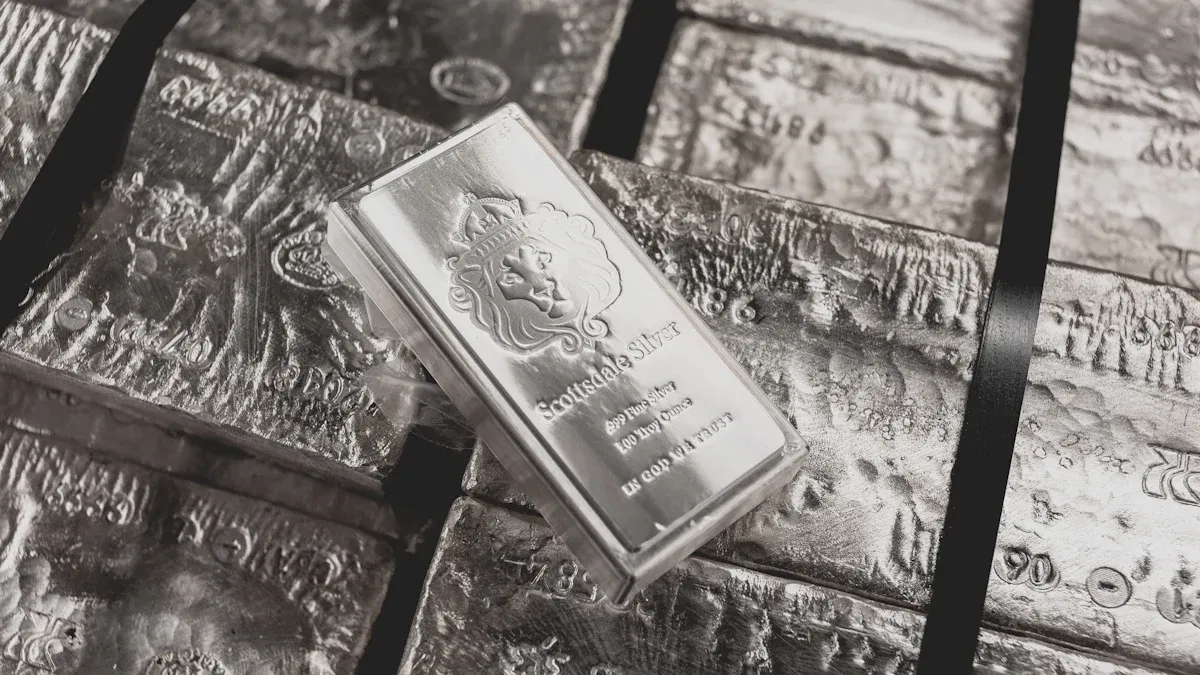
Exceptional Chemical Stability
You benefit from the remarkable chemical stability of high purity Precious Metal Platinum Ingot in many ways. Platinum stands out because its atomic structure gives it a dense and stable form. This stability means you can use platinum in harsh environments without worrying about it breaking down or reacting with other substances.
- Platinum’s atomic arrangement makes it very dense and stable.
- Its melting point is much higher than most other precious metals, reaching 1,786°C (3,215°F).
- Platinum resists corrosion, so it stays unchanged in many different environments.
You can count on platinum to remain inert. It does not react easily with other elements. Even when exposed to high temperatures or strong acids, platinum keeps its shape and does not oxidize. This makes high purity Precious Metal Platinum Ingot a reliable choice for industries that need materials to perform under tough conditions.
Tip: When you need a metal that will not change or react, platinum is one of your best options.
Superior Electrical Conductivity
You find that platinum’s electrical conductivity is almost as high as gold’s. This property is important for advanced electronics. When you use high purity Precious Metal Platinum Ingot, you get a material that lets electricity flow easily and does not lose performance over time. Platinum also resists oxidation and corrosion, so it works well in devices that need to last.
Here is a comparison of electrical conductivity:
| Material | Conductivity (S/m) |
|---|---|
| Platinum | 9.43 × 10⁶ |
| Other Metals | Varies |
You can see that platinum’s conductivity is impressive. This makes it valuable for making parts that need to carry electricity, like connectors and sensors. Because platinum does not corrode, your devices stay reliable even in demanding environments.
High Resistance to Corrosion and Heat
You rely on platinum’s resistance to corrosion and heat in many industrial settings. Platinum does not break down when exposed to acids or high temperatures. You can use it in laboratory equipment, such as bowls, crucibles, and electrodes, because it stays strong and stable. In the petroleum industry, platinum acts as a catalyst to help refine oil. In cars, platinum works with palladium in exhaust systems to reduce pollution.
- Platinum resists acids and high temperatures, making it ideal for lab tools and industrial equipment.
- It serves as a catalyst in oil refining, helping to separate petroleum products.
- In car exhaust systems, platinum helps clean the air by breaking down harmful gases.
- Platinum also performs well in electrochemical reactions, making it useful for processes like electrolysis.
- It keeps its strength and stability even in harsh environments.
You can trust high purity Precious Metal Platinum Ingot to deliver long-term performance. Its ability to resist corrosion and heat ensures that your equipment and processes run smoothly and safely.
Industries Relying on High Purity Precious Metal Platinum Ingot

Electronics and Semiconductor Manufacturing
You see high purity Precious Metal Platinum Ingot play a key role in electronics and semiconductor manufacturing. Platinum thin films help create efficient electronic components and sensors. You use platinum sputtering targets to make these thin films, which allow electrons to flow smoothly in semiconductors. The flexibility and durability of platinum let you produce thin films for sensors in wearables, such as smartwatches and health trackers.
- Platinum thin films boost the performance of electronic devices.
- Sputtering targets made from platinum ensure reliable semiconductor production.
- Wearable technology benefits from platinum’s strength and flexibility.
When you choose platinum for electronics, you get materials that last longer and perform better.
Automotive and Emissions Control
You rely on high purity Precious Metal Platinum Ingot to keep vehicles clean and efficient. Platinum is a main component in catalytic converters. These devices reduce harmful emissions from cars and trucks. You help vehicles meet strict environmental rules by using platinum to convert toxic gases into safer substances. Even as electric vehicles grow in popularity, many cars still need platinum for emissions control.
- Catalytic converters use platinum to clean exhaust gases.
- Platinum helps vehicles pass environmental tests.
- About 40% of all platinum demand comes from making catalytic converters.
Platinum remains vital for emissions control, especially where electric vehicles are not yet common.
Chemical Processing and Catalysts
You depend on platinum for many chemical processes. High purity Precious Metal Platinum Ingot acts as a catalyst, speeding up reactions and improving efficiency. You find platinum in the production of silicone, where it ensures a consistent curing process. This leads to lower costs and better products.
| Application Type | Description |
|---|---|
| Petrochemical Feedstocks | Platinum is used to produce essential petrochemical feedstocks in the chemical industry, enhancing efficiency and output. |
| Fuel Cells | Platinum serves as a catalyst in fuel cells, generating electricity through chemical reactions, supporting renewable energy. |
| Laboratory Reactions | Due to its durability and corrosion resistance, platinum is utilized in reactions involving aqua regia, making it vital for various industrial reactions. |
- Platinum catalysts make chemical reactions faster and more reliable.
- You see improved product quality and reduced costs in silicone manufacturing.
Medical Devices and Healthcare
You trust platinum for medical devices because it is safe and reliable. Platinum’s biocompatibility means you can use it inside the body without causing harm. Its high density makes it visible in X-rays, which helps doctors place implants accurately. You find platinum in pacemakers, cochlear implants, and many other devices.
- Biocompatibility: Platinum works safely inside the body.
- Resistance to corrosion: Platinum stays stable in harsh environments.
- Mechanical strength: Platinum parts last a long time without breaking.
- Electrical conductivity: Platinum helps devices like pacemakers work well.
- Radiopacity: Doctors can see platinum implants clearly in X-ray images.
Platinum is indispensable in biomedical devices that require chemical inertness and high electrical conductivity. As a noble metal, platinum resists corrosion and oxidation even in highly aggressive biological media. Its surface remains chemically stable over long implantation periods, preventing the release of toxic ions and ensuring reliable electrical performance. In neurostimulation and cardiac rhythm management, platinum's stable electrode–tissue interface allows precise electrical signaling with minimal inflammatory response.
You also see platinum used in cancer treatments, cardiac devices, and neuroscience applications. Catheters, stents, and neuromodulation devices all benefit from platinum’s unique properties.
Clean Energy and Hydrogen Production
You see platinum leading the way in clean energy. High purity Precious Metal Platinum Ingot is essential for fuel cell electric vehicles and PEM electrolysers. These technologies help produce green hydrogen, which supports decarbonization goals. You use platinum across the hydrogen value chain, from production to storage and use.
- Platinum group metals enable green hydrogen for clean energy.
- You find platinum in fuel cells and hydrogen production equipment.
- Platinum’s established supply chain and recycling make it a reliable choice.
Platinum’s role in hydrogen applications is growing fast. By 2025, you expect platinum demand for hydrogen to reach 600,000 ounces each year. This demand could grow at a rate of 25% per year through 2032.
When you invest in platinum for clean energy, you support a sustainable future.
Purity Challenges and Importance in Industrial Applications

Impact on Product Performance and Safety
You depend on high purity platinum ingots to keep your products reliable and safe. When you use platinum with a purity of at least 99.95%, you meet industrial-grade requirements. Lower purity can cause defects or reduce performance. You also protect workers by choosing ingots that come in dust-free packaging and non-reactive containers. This prevents contamination and keeps your workplace safe.
| Aspect | Details |
|---|---|
| Minimum Purity Requirement | Ensure ingots meet 99.95% minimum purity for industrial-grade use. |
| Operational Safety Compliance | Platinum ingots are inert but can pose inhalation hazards during processing. Select suppliers who provide dust-free packaging and non-reactive containers to prevent contamination and ensure worker safety. |
Note: High purity means better performance and safer operations.
Achieving and Maintaining High Purity
You achieve high purity by using advanced refining methods. Manufacturers use techniques like chemical separation and vacuum melting to remove impurities. You maintain purity by storing ingots in vacuum-sealed packaging. This keeps the platinum free from dust and other contaminants. You also benefit from custom synthesis services that help you get the exact purity level you need for your application.
- Vacuum-sealed packaging protects ingots from contamination.
- Custom synthesis ensures you get the right purity for your project.
Quality Control and Industry Standards
You rely on strict quality control to guarantee platinum ingot purity. Manufacturers use XRF analysis equipment, calibrate precision scales, and inspect products visually. You can request third-party testing for extra assurance. International standards set by organizations like LPPM require platinum to meet 99.95% purity and follow Good Delivery Standards.
| Quality Control Measure | Description |
|---|---|
| Testing and Verification | Use of XRF analysis equipment on-site |
| Regular calibration of precision scales | |
| Visual inspection of all products | |
| Availability of third-party testing services | |
| Industry Standards and Accreditations | LPPM maintains standards for platinum-group metals |
| ISO 9001 for quality management systems | |
| ISO/IEC 17025 for testing and calibration competence |
You can trust platinum ingots that meet these standards to deliver consistent quality and performance.
You rely on high purity platinum ingots for advanced performance and reliability. Their unique properties drive innovation in many fields:
- Enhance catalytic performance and efficiency
- Support green technology and fuel cells
- Enable medical devices and sensors
| Year | Deficit (Moz) | Above-ground Inventories (Moz) |
|---|---|---|
| 2025 | 1.08 | 2.6 |
| 2026 | 0.24 | N/A |
The refining process of platinum can impact the environment if not managed well. Responsible production helps protect our planet.
FAQ

What makes high purity Precious Metal Platinum Ingot important for electronics?
You use high purity Precious Metal Platinum Ingot because it provides reliable conductivity and durability. It helps your devices perform better and last longer in demanding environments.
How do you store platinum ingots to keep their purity?
You keep platinum ingots in vacuum-sealed packaging. This protects them from dust and contamination. You ensure the material stays pure for industrial use.
Can you use platinum ingots in medical devices?
You choose platinum ingots for medical devices. They are safe, biocompatible, and resist corrosion. You trust them for implants and other healthcare applications.
See Also
Innovations in Heat Exchanger Manufacturing Boost Industrial Efficiency
Steel Processing Techniques for Heat Exchange Yield Consistent Success
The Impact of Plate Air Preheaters on Industrial Productivity
Key Benefits of WT20 Thoriated Tungsten Electrodes for TIG Welding