A Guide to Solving Solvent Contamination in Lab Research with High-Purity Fullerene C60 Powder CAS 99685-96-8
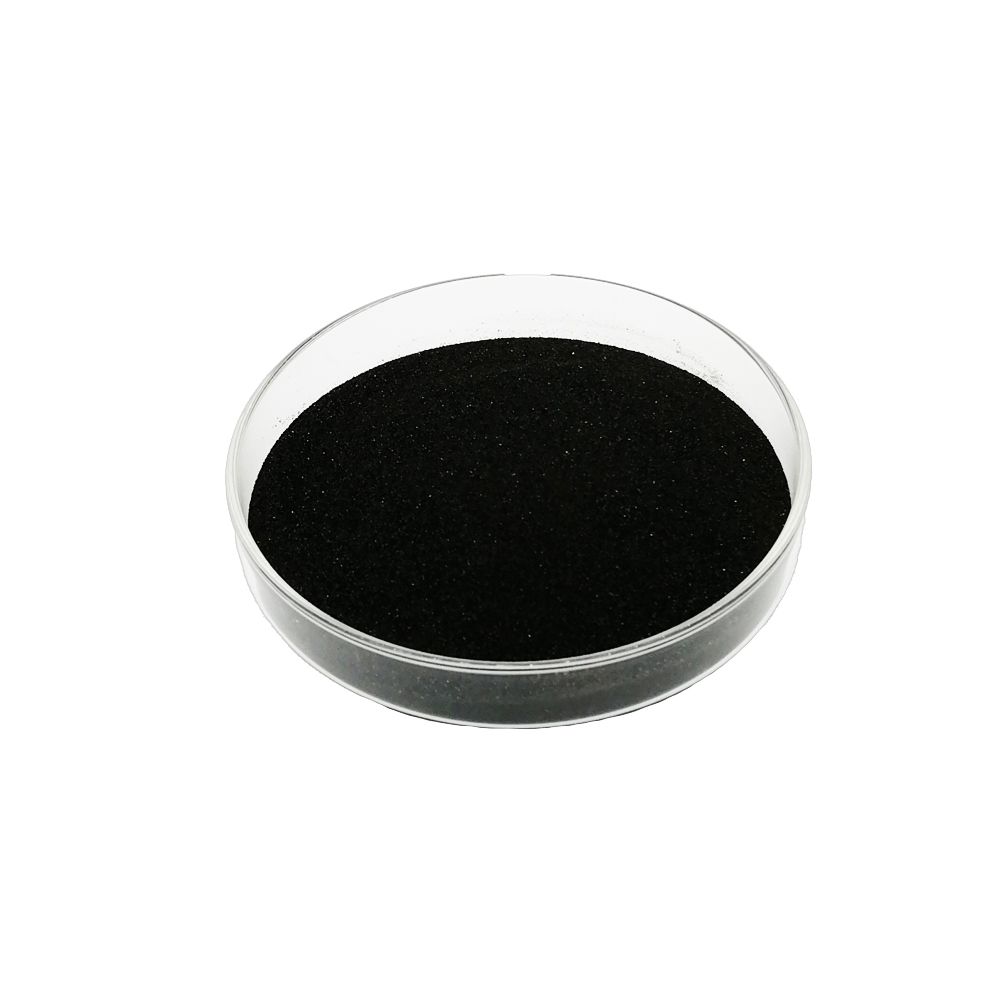
High-purity Fullerene C60 powder (CAS 99685-96-8) controls solvent contamination by scavenging free radicals and reactive impurities before they drive oxidation and solvent breakdown. C60 acts as a radical sponge, intercepting the species that trigger solvent degradation. Purity is the decisive factor: residual solvents and contaminants in low-grade C60 can themselves become a contamination source, which is why High-purity Fullerene C60 powder with no residual solvent CAS 99685-96-8 matters. C60 fits best where radical-driven degradation dominates, while other options remain valid for different contamination pathways.
Key Takeaways
- High-purity Fullerene C60 powder acts like a sponge to absorb radicals and stop solvent breakdown.
- Choose C60 with no residual solvent to avoid adding new contaminants to your experiment.
- Add a tiny amount of C60 powder to solvents, then filter it out to remove impurities and extend solvent life.
What Causes Solvent Contamination in Lab Research
Solvent contamination rarely comes from one source. Several pathways work together, and each one degrades solvent quality in a different way.
Radical-Driven Oxidation and Peroxide Formation
Oxygen dissolves into most solvents during normal use. Trace free radicals then attack the solvent molecules. This reaction forms peroxides and other oxidation products. Peroxides can decompose further and release more radicals. The cycle repeats and the solvent degrades faster over time. Ethers and other susceptible solvents show this pattern most clearly.
Trace Metals and Inorganic Impurities
Metal ions enter solvents through glassware, tubing, and raw materials. Even parts-per-million levels of iron or copper can catalyze oxidation reactions. Inorganic particles also act as nucleation sites for breakdown products. These impurities often stay invisible until performance drops.
Storage, Handling, and Light Exposure
Storage conditions strongly influence solvent stability. The table below summarizes the main factors.
| Factor | How it contributes to solvent contamination |
|---|---|
| Temperature extremes | High temperatures accelerate degradation. Temperature swings stress seals and let air or moisture in. |
| Light exposure | Light energy can start free-radical reactions. Amber glass or metal packaging limits light penetration. |
| Humidity | Some solvents absorb moisture through weak seals, mainly very low-water products. |
| Handling after opening | Opened containers contact air and absorb water. Inert gas blanketing with nitrogen or argon minimizes oxygen effects. |
Good practice helps. Store solvents at stable, cool temperatures between 15 and 25 °C. Keep containers tightly sealed and away from direct sunlight. Rotate inventory using first-in, first-out order.
Cross-Contamination from Labware and Atmosphere
Residues on glassware carry contaminants from one experiment to the next. Airborne dust and vapors also enter open containers. Container material compatibility matters here. Amber glass protects light-sensitive reagents, and moisture-resistant packaging suits hygroscopic chemicals. Matching bottle size to usage reduces repeated air exposure. Caps must seal tightly and resist chemical attack.
How High-Purity Fullerene C60 Powder with No Residual Solvent CAS 99685-96-8 Solves Contamination

High-purity Fullerene C60 powder with no residual solvent CAS 99685-96-8 attacks solvent contamination at its source. The molecule intercepts reactive species before they start chain reactions. It also binds trace impurities and holds them away from the solvent. Each mechanism below explains one part of that protective role.
Radical Scavenging Mechanism
The C60 cage works as a radical sponge through a proton-absorption pathway. Research on fullerene behavior in cellular systems describes the sequence in clear steps:
- C60 molecules accumulate in the intermembrane space of mitochondria, where protons concentrate by diffusion.
- Fullerenes absorb several protons and acquire a positive charge spread across their surface.
- These charge-loaded particles cross the inner mitochondrial membrane through an electrochemical mechanism driven by the transmembrane potential difference.
- This transfer causes mild uncoupling of respiration from phosphorylation and lowers the transmembrane potential.
- The reduced potential sharply decreases the intensity of superoxide anion-radical production, which lowers reactive oxygen species levels.
- C60 accumulation in mitochondria also provides high radical scavenging activity within this compartment, often described as the dirtiest place in the cell.
The same principle applies in a solvent system. C60 absorbs and neutralizes the reactive species that would otherwise attack solvent molecules. Computer modeling based on Density Functional Theory confirmed that fullerene C60's protective activity is sufficiently higher than those of the most powerful reactive oxygen species scavengers. That result supports the proton-absorption and mild uncoupling mechanism as a distinct antioxidant pathway, separate from direct radical scavenging. A researcher gains two layers of protection from one material.
Inhibition of Solvent Degradation Pathways
Solvent breakdown follows a chain. A radical forms, attacks a solvent molecule, and creates a peroxide. The peroxide decomposes and releases new radicals. C60 breaks this chain at the radical stage. The cage structure absorbs the reactive species and removes them from circulation. Peroxide formation slows down as a result. Further decomposition then has less fuel to continue.
This interruption matters most for ethers and other oxidation-prone solvents. These liquids degrade quickly once the cycle starts. C60 slows the cycle before visible changes appear. Solvent performance stays stable for longer periods. Researchers can extend usable solvent life and reduce the frequency of fresh solvent preparation.
Adsorption and Sequestration of Trace Impurities
C60 powder also captures trace impurities through adsorption. Metal ions and inorganic particles bind to the fullerene surface. The bound species lose mobility and cannot catalyze oxidation reactions. This sequestration complements the radical scavenging role. One mechanism handles reactive species, and the other handles catalytic contaminants.
The combined effect keeps both contamination pathways under control. Metal-catalyzed oxidation slows, and particle nucleation sites disappear from the bulk solvent. Filtration after treatment removes the loaded C60 together with the captured impurities.
Required Purity Levels and Why Residual Solvent Matters
Purity decides whether C60 helps or hurts. Low-grade material can carry residual solvents and degradation by-products into the experiment. Those residues then become a new contamination source. Published toxicity work on THF-prepared fullerene suspensions shows the pattern clearly:
| Condition tested | Observed toxicity or finding |
|---|---|
| Whole THF/nC60 suspension | Nearly 100% toxicity |
| Centrifuged supernatant of THF/nC60 | Nearly 100% toxicity, matching the whole suspension |
| Resuspended THF/nC60 pellet (particles only) | No toxicity after resuspension |
| THF/nC60 dialysate (particle-free) | Same toxicity level as the supernatant |
| As-synthesized aqueous nC60 and fullerol | No significant toxicity |
| THF alone at preparation concentrations | Not toxic |
| Identified THF degradation by-products (γ-butyrolactone, formic acid) | Present in solution and capable of producing the toxicity |
The fullerene particles alone were not toxic. The apparent toxicity came from soluble components in the suspension, meaning residual THF degradation by-products rather than the nC60 aggregates. Carbon balance data support this conclusion:
- About 26 ± 2% (roughly 20 mg/L) of total organic carbon in the THF/nC60 stock comes from nC60 particles.
- About 74 ± 2% (roughly 56 mg/L) comes from dissolved carbon compounds.
- No THF itself was detected by GC/FID in the stock suspension.
- Formic acid was detected at about 6% of TOC (roughly 8 mg/L).
- γ-butyrolactone was detected at about 22% of TOC (roughly 22 mg/L).
- These dissolved by-products, not the fullerene particles, account for the observed cytotoxicity.
The lesson for solvent work is direct. Residual solvent must stay under control so that effects trace back to the nanoparticles and not to leftover processing chemicals. High-purity Fullerene C60 powder with no residual solvent CAS 99685-96-8 removes this risk at the start. Buyers should request a certificate of analysis that states residual solvent limits alongside fullerene assay. Purity grades from 99.5% to 99.99% give researchers room to match the material to the sensitivity of each application. A solvent-free grade protects the experiment and protects the interpretation of results.
Practical Implementation and Comparison with Alternatives
Step-by-Step Use in the Lab
A researcher can add C60 treatment to an existing solvent workflow without major changes. The steps below describe a simple, repeatable process.
- Select the purity grade that matches the sensitivity of the experiment. A 99.5% grade suits general R&D work. A 99.9% or higher grade suits trace analysis and sensitive formulations.
- Weigh the C60 powder under an inert atmosphere. Amber glass vials packed under nitrogen keep the material dry and protected from light.
- Add the powder to the solvent at a low loading, typically a small fraction of a percent by weight. Start low and adjust upward based on observed stability.
- Stir the mixture gently at room temperature. Gentle agitation lets the fullerene contact reactive species without introducing excess oxygen.
- Allow the powder to settle, then filter the solvent through a compatible membrane. Filtration removes the loaded C60 together with captured impurities.
- Verify solvent quality with the analytical method the lab already uses. Peroxide tests, Karl Fischer titration, and chromatographic checks all work well here.
- Store the treated solvent under inert gas and away from direct light. Record the treatment date and the grade used in the lab notebook.
This workflow fits batch treatment and continuous recirculation setups. A recirculation loop with a C60 cartridge suits large solvent volumes. Batch treatment suits smaller volumes and method development work.
Purity Grades and Specification Checklist
Purity grades span a wide range, and each grade serves a distinct purpose. A 95% grade keeps the essential C60 structure and stays affordable for general R&D where ultra-high purity is not required. A 99.9% grade offers a higher-purity option for more demanding work. The table below lists the grades available for solvent-sensitive applications.
| Purity Grade | Description |
|---|---|
| 99.50% (SOL5060X) | Solvent-free high-purity synthesis grade |
| 99.90% (SOL5060W) | Solvent-free high-purity grade |
| 99.95% (SOL5060Y) | Very high purity for standards and bio-pharma R&D |
| 99.95% USP (SOL5060YN) | Certified USP grade for pharmaceutical applications |
| 99.99% (SOL5060YY) | Ultra-high purity grade for sensitive formulations |
| 99.99% Sublimed (SOL5060S) | Solvent-free sublimed ultra-high purity grade for thermal evaporation and precision standards |
A specification checklist helps buyers confirm that the material meets the need. The core specifications appear below.
| Specification | Value |
|---|---|
| CAS Number | 99685-96-8 |
| Appearance | Brown to dark grey solid powder |
| Molecular Weight | 720.64 g/mol |
| HOMO Energy Level | -6.1 eV |
| LUMO Energy Level | -4.3 eV |
| Melting Point | > 280 °C |
| Solubility | Toluene, o-DCB, organic oils |
| Packaging | Amber glass vials under inert nitrogen |
Two common product types differ in purity and elemental composition. The comparison below helps a buyer choose between them.
| Attribute | Type A | Type B |
|---|---|---|
| Purity (HPLC) | >99.5 wt% | >99.9 wt% |
| Appearance | Black powder | Black powder |
| Preparation | Arc-discharge | Arc-discharge |
| Carbon (Atomic %) | 98.87 | 97.97 |
| Oxygen (Atomic %) | 1.13 | 2.03 |
Purity is determined by HPLC, and elemental composition is provided for reference and may vary by batch. Type B is recommended when residual higher fullerenes or oxygen content matter. Type A suits dispersion, derivatization, and bulk applications. A certificate of analysis should state the HPLC assay, residual solvent limits, and elemental composition. High-purity Fullerene C60 powder with no residual solvent CAS 99685-96-8 gives the most reliable starting point for contamination-sensitive work.
Technical Performance vs. Alternatives
C60 competes with several established contamination-control options. Each option has a distinct strength, and the best choice depends on the dominant contamination pathway.
Antioxidants such as BHT and vitamin E scavenge radicals through sacrificial oxidation. They work well in routine solvent storage and cost little. Their protection fades as the antioxidant is consumed. C60 works through a different mechanism. It absorbs protons and neutralizes reactive species, and it also captures trace metals on its surface. One material then addresses two pathways at once.
Molecular sieves remove water and some polar impurities through adsorption. They excel at moisture control and fit hygroscopic solvents well. They do not scavenge radicals or bind metal ions to the same degree. A lab that fights moisture alone will find sieves sufficient. A lab that fights oxidation and metal catalysis will find C60 a better fit.
Inert-gas handling with nitrogen or argon displaces oxygen and slows oxidation at the source. This practice belongs in every good solvent protocol. It does not remove radicals or impurities already present in the solvent. C60 complements inert-gas handling by cleaning up species that enter despite good practice.
Filtration and distillation remove particles and volatile impurities. They do not stop radical chain reactions that restart after processing. C60 treatment adds a chemical defense that physical methods cannot provide.
The production route also affects performance and cost. Alumina or activated carbon chromatography reaches roughly 95–99% purity at pilot to industrial scale with low cost, though it has a purity ceiling and yield loss. Chlorobenzene elution with activated carbon pushes purity above 99% in batch mode. Preparative HPLC reaches 99.9–99.99% at kilogram-per-year scale with high solvent and stationary-phase costs. Vacuum sublimation delivers 99.9%+ sublimation-grade material for deposition work. Selective complexation reaches up to 99.5% in the laboratory and avoids adsorption losses. Fine separation and sublimation refining, not synthesis, concentrate the cost and keep high-purity fullerene prices elevated.
Application Fit, Compliance, and Cost Considerations
C60 fits best where radical-driven degradation dominates. Ethers, peroxide-prone solvents, and long-storage reagents benefit most. The material also suits applications that demand very low metal content.
Application fit varies by field. The table below summarizes common uses and their requirements.
| Application | Purity / compliance requirement | Cost consideration |
|---|---|---|
| Electron transport layers (perovskite/tandem cells) | Sublimation-grade purity, low residual solvent | High C60 cost (~RMB 200/g); some use C60/SnO2 composites |
| OPV / organic photodetectors | Demanding batch consistency (PC61BM/PC71BM or deposited C60) | Small per-area use but steady high-purity derivative orders |
| Lubricant additives | Relaxed purity; mixed fullerenes acceptable | Off-spec intermediates absorbed, improving line economics |
| Cosmetics | Control residual solvent and metal impurities; advertising-claim compliance | High unit price, small volume |
| Biopharmaceuticals | Drug-review compliance (no approved metallofullerene IND found in China) | Highest unit price but constrained by review timelines |
| Lithium battery electrolyte additives | Research stage | Potentially large if industrialized |
C60 also supports emerging quantum photonic technologies. C60 molecules embedded in polystyrene function as room-temperature, on-demand single-photon emitters with short fluorescence lifetimes and high emission rates. Their wide availability, ease of preparation, and low cost make them attractive for practical, economic, and scalable quantum photonic technologies such as quantum computing, secure communication, and sensing.
Medical research uses C60's photo, electrochemical, and physical properties in several ways. These include HIV protease inhibition, radical scavenging and antioxidant activity, light-induced singlet oxygen generation for DNA cleavage, gene and drug delivery carriers, and serum protein profiling for biomarker discovery. The low toxicity detected so far in fullerenes supports biological research use. C60 is insoluble in aqueous media and aggregates easily, so derivatization is a practical compliance and formulation consideration. Historically high production cost was the main market obstacle, and rapidly declining prices are opening new applications.
Compliance requirements track the application. Pharmaceutical work needs USP-grade material and documented residual solvent limits. Cosmetics work needs control of residual solvent and metal impurities plus advertising-claim compliance. Electronics work needs sublimation-grade purity and batch consistency. A buyer should match the grade to the regulatory pathway and keep certificates of analysis on file.
Cost effectiveness depends on the grade and the volume. A 99.5% solvent-free grade delivers solid protection at a moderate price for routine work. Ultra-high-purity and sublimed grades cost more and suit sensitive formulations and precision standards. The treatment loading stays low, so a small quantity of powder treats a large solvent volume. That ratio keeps the per-liter cost modest even at higher grades. Sourcing to a clear specification avoids overpaying for purity the experiment does not need and avoids underpaying for purity the experiment requires.
Solvent contamination comes mainly from radical oxidation, trace impurities, and handling practices. High-purity Fullerene C60 powder with no residual solvent CAS 99685-96-8 scavenges radicals and limits degradation, and purity is the decisive factor. A simple workflow and a clear specification checklist make adoption straightforward. C60 fits best where radical-driven degradation dominates, while antioxidants, molecular sieves, and inert-gas handling suit other scenarios. Sourced to spec, C60 stays cost-effective and compliant.
FAQ
How much C60 powder does a researcher add to a solvent?
A small fraction of a percent by weight works for most solvents. Researchers start low and adjust upward based on observed stability.
How does a lab confirm that C60 treatment worked?
Peroxide tests, Karl Fischer titration, and chromatographic checks reveal solvent quality. A lab compares results before and after treatment.
Does C60 powder stay in the solvent after treatment?
No. The powder settles and filtration removes it. The filter also captures bound impurities, so the treated solvent stays clear.
See Also
Unexpected Methods for Troubleshooting Sulfur Recovery Catalyst Issues
Industrial Uses and Dissolution Methods for 2 5-Furandicarboxylic Acid
Data-Driven Approaches to Enhance 2 5-Furandicarboxylic Acid Sustainability