Understanding grades of high purity 99.5% 99.9% 99.95% Fullerene C60 powder cas 99685-96-8 with emphasis on scientific applications
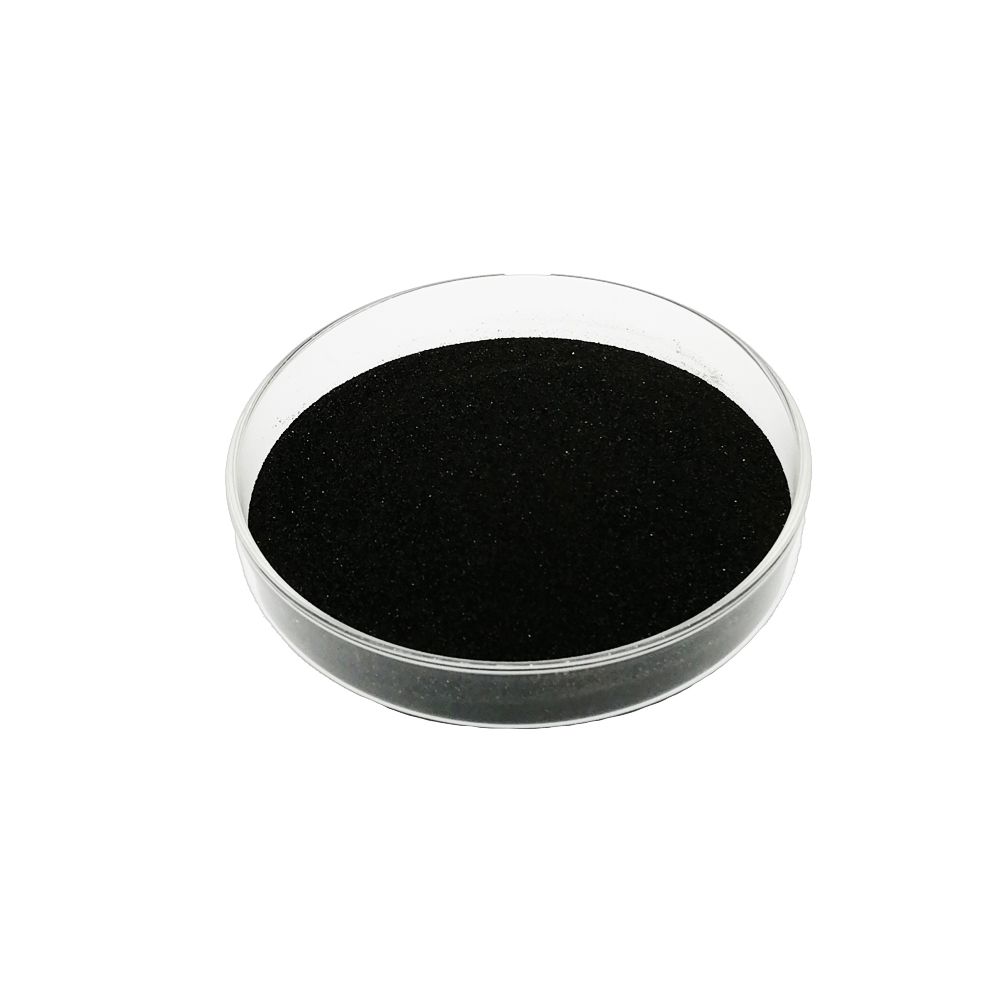
Residual solvents and higher fullerenes define purity tiers in high purity 99.5% 99.9% 99.95% Fullerene C60 powder cas 99685-96-8. Impurities alter electron mobility in optoelectronics and cause false biological toxicity. Precise grade selection prevents costly data artifacts and ensures research reproducibility.
| Metric | Value |
|---|---|
| Projected Market Size (2030) | Exceed $1.8 billion |
| Projected CAGR (2024–2030) | 12.3% |
Key Takeaways
- Standard 99.5% grade C60 reduces friction in industrial lubricants and machinery coatings cost-effectively.
- Research grade 99.9% C60 improves electron flow in solar cells and electronic devices.
- Ultra-pure 99.95% solvent-free C60 prevents toxicity in medical research and cell studies.
Purity Tiers for High Purity 99.5% 99.9% 99.95% Fullerene C60 Powder CAS 99685-96-8
Manufacturing methods create distinct purity levels for carbon nanomaterials. Theoremchem uses magnetron arc method core technology in technical collaboration with the Institute of Chemistry of the Chinese Academy of Sciences to produce high purity 99.5% 99.9% 99.95% Fullerene C60 powder cas 99685-96-8. This precise process converts raw carbon soot into refined spherical molecules with a molecular weight of 720.64 and a density of 5.568 g/cm³. Each application requires specific purity boundaries to balance cost with scientific performance.
| Grade Level | C60 Purity Percentage | Residual Toluene Solvent | Trace Higher Fullerenes (C70/C84) | Primary Application Focus |
|---|---|---|---|---|
| Standard High-Purity | ≥ 99.5% | < 0.5% | < 0.5% | Industrial lubricants, hard alloys, wear coatings |
| Research Grade | ≥ 99.9% | < 0.1% | < 0.1% | Organic solar cells, transistors, optoelectronics |
| Ultra-Pure Solvent-Free | ≥ 99.95% | Below Detection (< 0.01%) | < 0.05% | Cellular research, cosmetics, drug delivery |
Standard High-Purity Grade (99.5%) Specifications
The 99.5% grade provides strong chemical stability for structural applications. Manufacturers choose this tier for bulk industrial integration where trace aromatic solvents do not disrupt performance. Residual amounts of higher fullerenes like C70 remain in minimal quantities. These trace elements do not alter mechanical strength or molecular hardness.
This material withstands extreme mechanical stress inside heavy machinery systems. Engineers blend the powder into high-performance lubricants and super-hard abrasives. The symmetrical carbon cage reduces friction between moving metal surfaces. Industrial facilities also use this cost-effective grade in flame retardant coatings and specialized alloy composites.
Research Grade (99.9%) Specifications
Optoelectronic systems demand clean energy pathways across active layers. The 99.9% research grade delivers high conjugated electron mobility for electronic devices. Precise separation techniques clear away non-functional soot particles and most residual solvents. Low impurity levels prevent unwanted electron traps inside thin-film semiconductors.
Laboratory scientists use this grade to fabricate consistent organic solar cells and field-effect transistors. Impurities alter the energy bandgap of carbon thin films. Therefore, this pure material ensures reproducible electrical conductivity across experimental trials. Specialized gas sensors and optical memory devices also rely on this balanced purity level.
Ultra-Pure Solvent-Free Grade (99.95%) Specifications
Biological experiments require absolute chemical purity to protect cell cultures. The 99.95% ultra-pure grade undergoes high-temperature vacuum sublimation. This processing step completely removes residual organic solvents like toluene. The resulting powder leaves no toxic solvent residues that could cause false cell death in lab assays.
Medical researchers process this pure carbon material for targeted drug delivery systems and diagnostic reagents. Its clean cage structure neutralizes free radicals in anti-aging cosmetic formulations. Pharmaceutical scientists also study these non-toxic spherical molecules for specialized imaging compounds and antiviral studies.
Scientific and Industrial Application Mapping
Every purity tier serves distinct scientific applications and operational requirements. Matching the correct purity level to specific experimental protocols optimizes both financial resources and testing outcomes.
Electronics, Lubricants, and Hard Alloys (99.5%)
Industrial manufacturing processes demand materials with superior mechanical durability. Theoremchem produces 99.5% standard grade carbon molecules to meet these high-stress physical requirements. This grade features sixty carbon atoms joined in a hollow, closed-cage spherical geometry. The resulting structure provides extreme molecular hardness, a density of 5.568 g/cm³, and a precise molecular weight of 720.64.
Engineers blend this cost-effective powder into high-performance industrial lubricant additives. The spherical carbon molecules act as microscopic ball bearings between sliding metal components. This action reduces friction, lowers operating temperatures, and prevents machinery wear under extreme external pressure.
Factory workers also integrate this material into super-hard abrasives, wear-resistant coatings, and specialized hard alloys. Flame retardant coatings and structural composites benefit from the inherent thermal stability of the carbon cage. Trace residual solvents do not alter these mechanical properties, making the 99.5% grade the ideal choice for heavy industrial manufacturing.
Organic Photovoltaics and Optoelectronics (99.9%)
Optoelectronic devices rely on uninterrupted electron pathways across active semiconductor layers. The 99.9% research grade delivers the chemical cleanliness necessary for thin-film electronics, signal processing tools, optical memory systems, and organic solar cells.
Purity directly controls electrical performance in thin-film transistors and perovskite photovoltaic devices. Fresh, high-purity C60 powder creates shallow charge traps near band edges, allowing electrons to delocalize across the molecule for efficient vertical transport. In contrast, impure or degraded carbon molecules form deep trap levels within the energy band gap. These deep traps lock charges at material interfaces and hinder overall charge transport.
| Performance Aspect | Clean / High-Purity C60 | Impure / Thermally Cycled C60 | Impact on Optoelectronic Devices |
|---|---|---|---|
| Electron Mobility | High initial FET mobility (0.083 cm²/Vs) | Reduced FET mobility (0.034 cm²/Vs) | Higher purity maintains rapid charge transport across active device layers. |
| Trap Density | Shallow traps near the band edge | Deep in-gap trap states (e.g., C124 analogues) | Impurities increase trap-mediated recombination losses and limit device power output. |
| Photoluminescence | Clean spectral profile without oxide features | Distinct 835 nm shoulder emissions | Solvent residues and dimers alter material bandgap consistency and optical emission profiles. |
Researchers choose 99.9% research grade material to prevent performance losses in solar batteries and advanced semiconductors. Maintaining low impurity levels reduces unwanted electron recombination states and ensures high charge-carrier mobility across experimental trials.
Biomedical, Drug Delivery, and Cellular Studies (99.95%)
Biological systems react strongly to minor trace chemicals. Researchers require high purity 99.5% 99.9% 99.95% Fullerene C60 powder cas 99685-96-8 in ultra-pure 99.95% solvent-free grade to eliminate false experimental results in living tissue models. Specialized vacuum sublimation methods completely remove aromatic extraction solvents like toluene from the powder.
Pharmaceutical scientists utilize this pure spherical molecule to develop targeted drug delivery systems, including anti-cancer and anti-HIV formulations. The solvent-free carbon cage acts as a powerful antioxidant in anti-aging cosmetics by neutralizing free radicals without causing chemical irritation. Medical laboratories also test these clean nanometer materials in magnetic resonance imaging (MRI) contrast agents and diagnostic reagents. Eliminating residual organic solvents protects delicate cell cultures and ensures reliable toxicity assessments in preclinical research.
Quality Control and Analytical Verification Methods
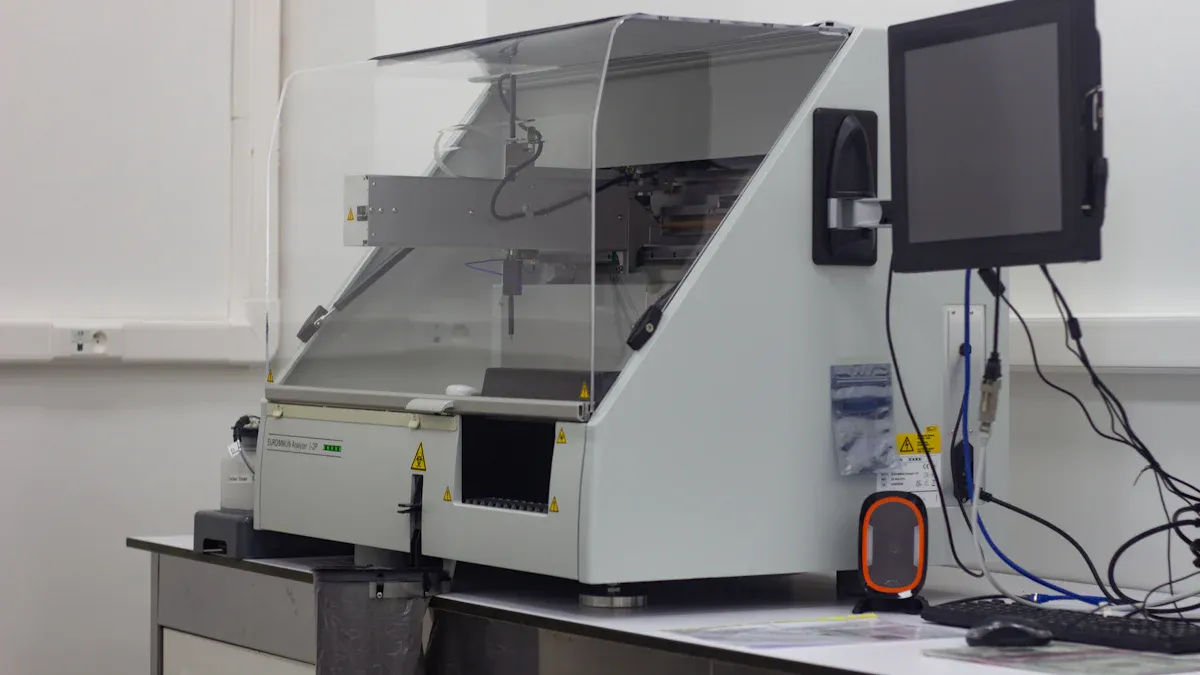
Strict analytical testing guarantees material consistency across every batch of carbon nanomaterials. Analytical laboratories verify each shipment using rigorous testing protocols before releasing products to researchers.
High-Performance Liquid Chromatography (HPLC) Analysis
Chemists use High-Performance Liquid Chromatography (HPLC) to measure relative purity levels and detect trace contaminants. HPLC separates individual fullerene species based on retention time inside liquid chromatography columns.
| Verification Parameter | Certificate of Analysis (COA) Specification |
|---|---|
| Material Appearance | Dark brown or black crystalline powder |
| Chemical Identity | CAS No. 99685-96-8, Molecular Weight 720.67 |
| Purity Assessment (HPLC) | 99.5% min, 99.9% min, or 99.95% ultra-pure grade |
| Detected Impurities | C60 oxides, C70, higher fullerenes, residual solvents |
Residual Solvent Profiling and Sublimation Techniques
Manufacturers remove extraction solvents to achieve maximum chemical purity. Thermal treatment under high vacuum conditions drives off volatile aromatic solvents like toluene. Gas chromatography mass spectrometry tests confirm residual solvent removal. This processing step yields solvent-free powder ideal for sensitive cellular experiments.
Material Safety and Regulatory Compliance Standards
Safety compliance requires suppliers to provide a current Safety Data Sheet (SDS) alongside a Certificate of Analysis (COA) to downstream users under global GHS standards.
The standard GHS classification for high purity 99.5% 99.9% 99.95% Fullerene C60 powder cas 99685-96-8 includes the following hazard details:
- Signal Word: WARNING
- GHS Pictogram: GHS07 (Harmful / Irritant)
- Hazard Statements: H315 (Skin irritation), H319 (Eye irritation), H335 (Respiratory irritation)
Proper handling requires safety goggles, protective gloves, and local exhaust ventilation inside active laboratory spaces.
Selecting the right grade of high purity 99.5% 99.9% 99.95% Fullerene C60 powder cas 99685-96-8 depends on experimental sensitivity. Standard 99.5% grade maximizes cost efficiency for mechanical and industrial applications. Research grade 99.9% ensures electronic consistency for optoelectronics and solar cells. Finally, ultra-pure 99.95% solvent-free C60 prevents cellular toxicity in biological and drug delivery research.
FAQ
How does residual toluene solvent affect C60 performance in biological tests?
Residual toluene causes false chemical toxicity in living cells. Researchers select ultra-pure 99.95% solvent-free C60 powder to ensure clean cell survival and valid assay results.
Which C60 purity grade works best for organic photovoltaic research?
Research grade 99.9% C60 powder works best. This purity level reduces deep charge traps, maintains high electron mobility, and ensures reliable conductivity across organic solar cell layers.
Why do industrial lubricants utilize 99.5% standard grade C60?
Standard 99.5% grade offers maximum cost efficiency for mechanical applications. Its closed carbon cage structure resists heavy physical pressure without requiring expensive solvent extraction steps.
See Also
Industrial Applications And Effective Dissolution Methods For Furandicarboxylic Acid
The Best Precoating Materials For Industrial Filtration Systems In 2025
Proven Data Backed Strategies To Enhance Furandicarboxylic Acid Environmental Sustainability
Understanding Sixty Percent Nitric Acid Properties And Primary Industrial Uses
Key Indicators That Define High Quality Premium Bovine Gelatin Powder