Solving Metal Degreasing Challenges Using D-Limonene
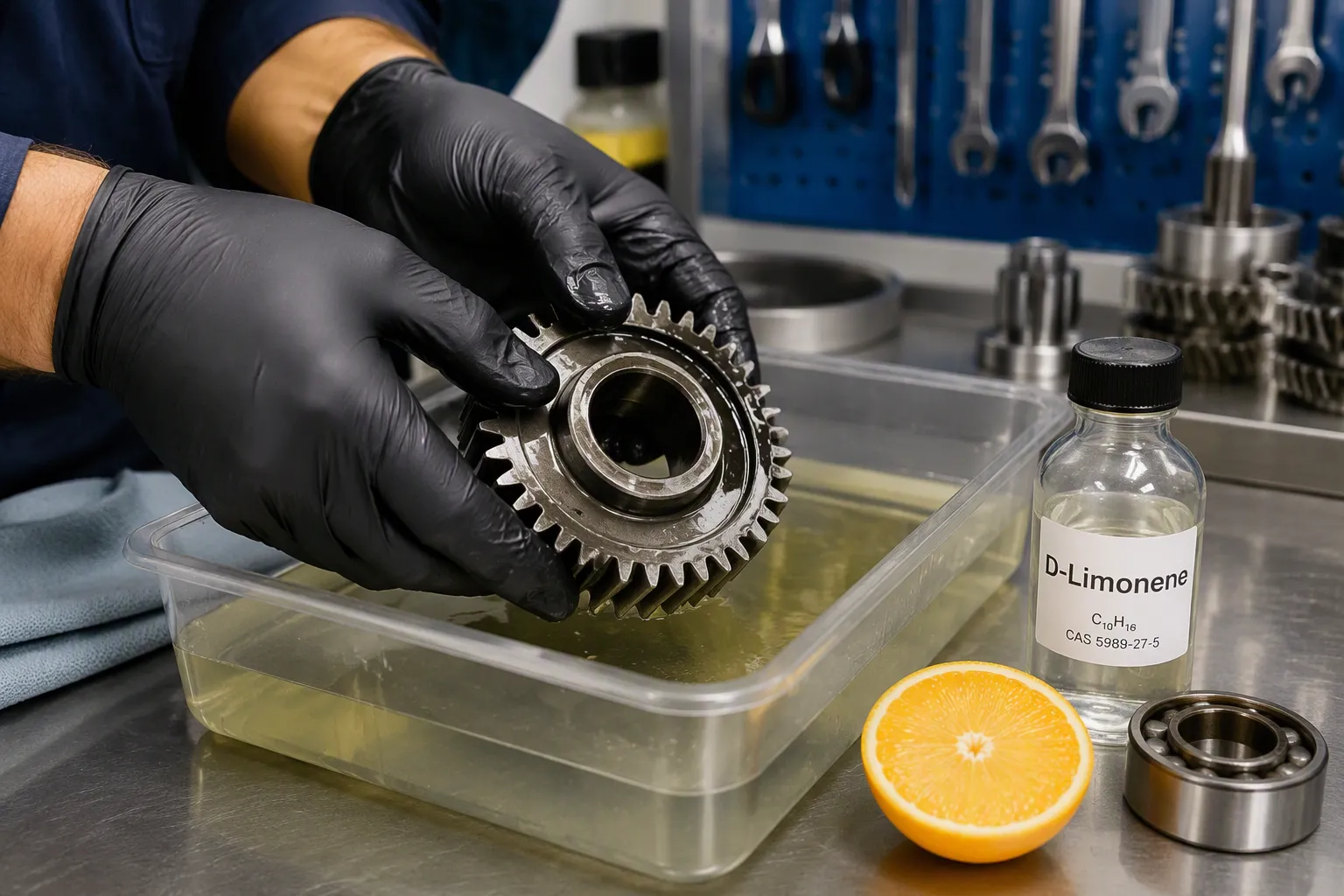
You face tough grease, oil, and cutting fluids on metal parts every day. High purity pure and nature 95% D-Limonene CAS 5989-27-5 CAS No. 5989-54-8 cuts through these soils. This plant-based solvent solves your biggest degreasing challenges. It also replaces traditional chlorinated solvents in industrial cleaning.
Key Takeaways
- D-Limonene is a plant-based solvent that removes tough grease and oil from metal parts.
- It is safer for workers and the environment than traditional chlorinated solvents.
- You can use D-Limonene in your existing cleaning process with simple adjustments.
Why High Purity Pure and Nature 95% D-Limonene CAS 5989-27-5 CAS No. 5989-54-8 Works for Metal Degreasing
What Is D-Limonene?
D-Limonene is a natural solvent that comes from citrus fruit peels. Manufacturers extract it by cold-pressing orange peels. This process yields an oil that is at least 90% d-limonene by volume. Technical-grade d-limonene, the type used for degreasing, is roughly 90–95% pure. High purity pure and nature 95% D-Limonene CAS 5989-27-5 CAS No. 5989-54-8 gives you a reliable, plant-based option for industrial cleaning. The product appears as a colorless liquid with a fresh citrus scent. It is biodegradable and renewable.
How It Dissolves Grease and Oil
D-Limonene works as a solvent because of its chemical structure. It is a nonpolar molecule. Grease, oil, and cutting fluids are also nonpolar. Like dissolves like. The d-limonene molecules surroand the grease molecules and lift them from the metal surface. This action breaks down tough soils without harsh chlorinated chemicals. You can use it to remove oils, greases, and cutting fluids from metal parts effectively.
D-Limonene vs. Traditional Solvents
Traditional chlorinated solvents come with serious regulatory burdens. The table below shows key restrictions you avoid when you switch to D-Limonene.
| Regulation / Program | Requirement or Restriction | Relevance to Chlorinated Solvents |
|---|---|---|
| OSHA | Regulates workplace exposure to VOCs | Chlorinated solvent cleaners increase worker exposure to VOCs |
| RCRA | Cradle-to-grave hazardous waste management | Solvent waste disposal is costly and carries long-term liability |
| SARA Title III / TRI | Annual reporting of releases for listed chemicals | Common chlorinated solvents are TRI chemicals |
| Clean Air Act Amendments Title III / MACT | Requires Maximum Achievable Control Technology for HAPs | Solvent cleaning processes are major HAP sources |
| NIOSH / OSHA exposure limits | Limits occupational exposure to carcinogens | Chlorinated solvents may generate vapor concentrations of concern |
D-Limonene helps you avoid these restrictions. It is not a chlorinated solvent. It does not generate hazardous waste the same way. High purity pure and nature 95% D-Limonene CAS 5989-27-5 CAS No. 5989-54-8 offers a safer, more compliant alternative for your metal degreasing process.
How D-Limonene Solves Key Degreasing Challenges
Tackling Tough Contaminants
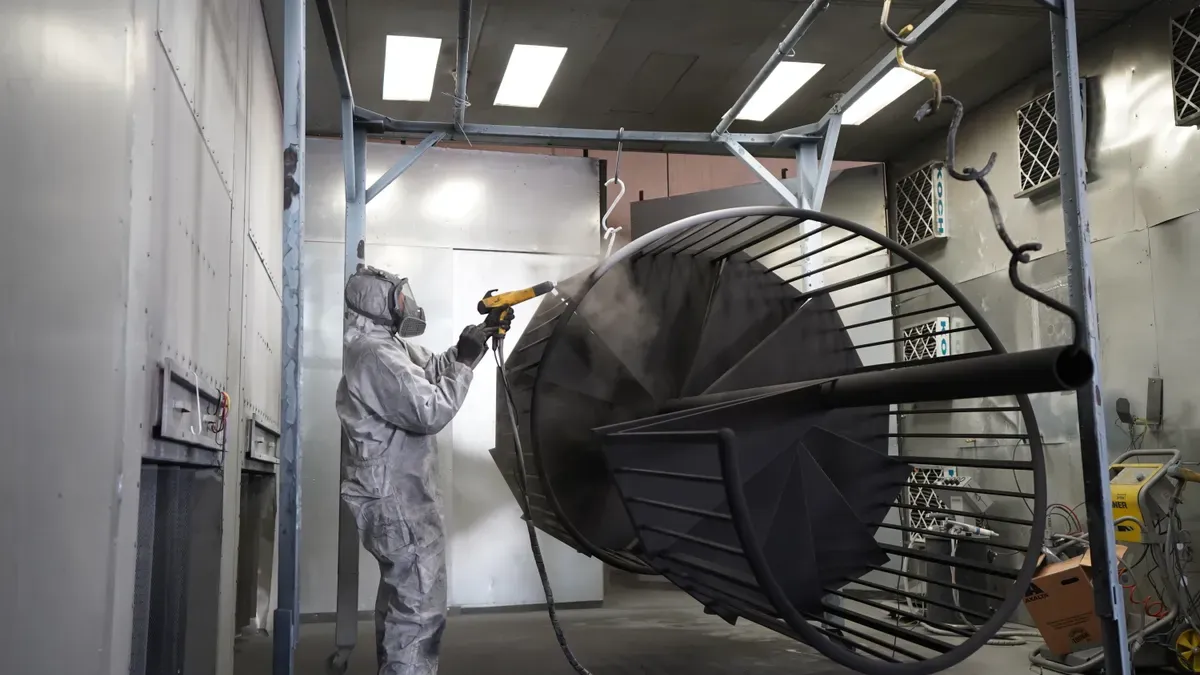
Metal parts collect many types of soil during manufacturing. You deal with machining oils, cutting fluids, stamping lubricants, rust-preventive coatings, and shop dirt. These contaminants bond tightly to metal surfaces. Standard water-based cleaners often fail to remove them completely.
D-Limonene attacks these tough soils at the molecular level. The solvent penetrates grease and oil films. It breaks the bond between the contaminant and the metal surface. You can remove heavy grease, sticky cutting fluids, and carbonized oils with one cleaning step. High purity pure and nature 95% D-Limonene CAS 5989-27-5 CAS No. 5989-54-8 delivers this performance consistently.
The solvent works well on ferrous metals, aluminum, copper, brass, and stainless steel. You can clean complex parts with blind holes, threads, and tight tolerances. The low surface tension of d-limonene lets it reach into small spaces. It lifts soil from areas that brushes and sprays cannot reach.
D-Limonene also handles baked-on carbon deposits. These deposits form on engine parts, molds, and heat exchangers. The solvent softens the carbon layer over time. You can then rinse or wipe it away. This capability reduces the need for aggressive mechanical cleaning.
Compatibility with Metals and Equipment
D-Limonene is gentle on most metals. It does not cause corrosion, pitting, or discoloration on steel, aluminum, or copper alloys. You can use it on precision parts without changing critical dimensions. The solvent leaves no residue after proper rinsing. This feature matters for parts that go into electronics, aerospace, or medical devices.
Elastomers and plastics need more attention. Certain solvents and high-alkaline cleaners can soften, swell, crack, discolor, or embrittle plastics, elastomers, rubber seals, coatings, and adhesives. Review the product's compatibility information and equipment-manufacturer guidance, then test an inconspicuous area when the material is not explicitly covered.
Certain solvents and high-alkaline cleaners can soften, swell, crack, discolor, or embrittle plastics, elastomers, rubber seals, coatings, and adhesives. Review the product's compatibility information and equipment-manufacturer guidance, then test an inconspicuous area when the material is not explicitly covered.
D-Limonene is described as an aggressive rubber and elastomer softener. In one documented case, a cleaning crew replaced an alkaline degreaser with a citrus d-limonene formulation, and within six weeks the rubber gaskets on three commercial combi ovens showed visible swelling, leading the manufacturer to deny warranty on the door seals. The source stresses that d-limonene attacks rubber gaskets and many plastics, and that surface compatibility must be verified before deployment. It also notes that citrus degreasers are gentler on metals but carry rubber compatibility concerns, and that material compatibility should be the first question in degreaser selection.
You should check every seal, gasket, hose, and plastic fixture in your cleaning system. Common materials like nitrile, EPDM, and natural rubber may not work well with d-limonene. Viton and PTFE often provide better resistance. You can also choose formulations that blend d-limonene with other solvents to reduce its effect on elastomers. A simple soak test on a spare gasket gives you clear answers before you commit to a full changeover.
Worker Safety and Low Toxicity
Traditional chlorinated solvents pose serious health risks. They can cause dizziness, headaches, and long-term organ damage. Many carry cancer warnings. You must monitor air quality and provide personal protective equipment to every worker.
D-Limonene offers a safer profile. It has low acute toxicity. Workers can handle it with basic gloves and eye protection. The citrus scent makes the workplace more pleasant. You do not need the same level of respiratory protection that chlorinated solvents demand.
The solvent is not a chlorinated compoand. It does not produce toxic vapors like methylene chloride or perchloroethylene. You can reduce ventilation requirements in many cases. This change lowers your energy costs and simplifies your facility design.
D-Limonene is flammable. You must store it away from heat and ignition sources. Use groanded equipment during transfer and application. Follow standard flammable liquid handling procedures. These steps keep your team safe without adding complex engineering controls.
Meeting Environmental Regulations
Environmental rules grow stricter every year. Chlorinated solvents face heavy restrictions ander the Clean Air Act, RCRA, and SARA Title III. You pay for permits, waste disposal, and annual reporting. These costs add up quickly.
D-Limonene is biodegradable. Microorganisms break it down in soil and water. It does not persist in the environment. It has low toxicity to aquatic life when properly managed. These properties help you meet discharge limits and waste reduction goals.
The solvent is not a hazardous air pollutant. It is not a listed TRI chemical. You avoid the reporting burden that comes with chlorinated solvents. Your facility can reduce its regulatory footprint with a simple switch.
D-Limonene comes from renewable plant sources. Citrus peels regenerate every growing season. This renewable origin supports corporate sustainability targets. You can market your products as made with green cleaning technology. Customers notice this commitment.
Cost and Efficiency Considerations
You might assume that a plant-based solvent costs more. The full picture tells a different story. D-Limonene reduces your total cost of ownership in several ways.
First, you eliminate hazardous waste disposal fees. Chlorinated solvent waste requires special handling and manifests. D-Limonene waste often qualifies for simpler disposal routes. This difference saves thousands of dollars each year.
Second, you cut regulatory compliance costs. No TRI reporting means less staff time. No HAP monitoring means lower air testing expenses. These savings compoand over time.
Third, you improve worker productivity. Safer chemicals mean fewer sick days and lower turnover. Your team works with a solvent that does not threaten their health. Morale and retention improve.
Fourth, d-limonene cleans effectively at lower temperatures. You can reduce heating costs in your cleaning tanks. The solvent also works in both immersion and spray systems. You do not need to buy new equipment for many applications.
Fifth, the solvent has a long bath life. You can filter and reuse it multiple times. This reusability stretches every gallon further. Your cost per cleaned part drops with each cycle.
High purity pure and nature 95% D-Limonene CAS 5989-27-5 CAS No. 5989-54-8 gives you a consistent product for your process. You can plan your budget with confidence. The performance matches traditional solvents without the hidden costs.
How to Use D-Limonene in Your Process
Choosing the Right Formulation
D-Limonene comes in several forms. Neat d-limonene is the purest option. It contains 95% solvent with no water. Emulsifiable concentrates blend d-limonene with soap-like additives. You can mix these concentrates with water. Ready-to-use emulsions come pre-mixed. Each form suits different cleaning tasks.
Use the table below to compare the main options.
| Formulation | Best Applications | Rinse Required | Flammability |
|---|---|---|---|
| Neat 95% d-limonene | Heavy grease, baked-on soil, maintenance | Solvent rinse | Flammable |
| Emulsifiable concentrate | Spray washers, general production | Water rinse | Less flammable when diluted |
| Ready-to-use emulsion | Light oil, manual cleaning | Water rinse | Usually non-flammable |
Your soil type drives the choice. Heavy machining oils and carbonized lubricants demand the neat product. High purity pure and nature 95% D-Limonene CAS 5989-27-5 CAS No. 5989-54-8 supplies full-strength solvency. Light stamping oils and shop dust wash away with a 5–10% emulsion. Consider your metal as well. The solvent works on steel, aluminum, brass, and stainless steel. Sensitive parts may need a formulation with a built-in corrosion inhibitor. This additive protects bare metal surfaces during cleaning and rinsing. Your choice sets the stage for your cleaning method.
Application Methods
Immersion cleaning handles heavy, stubborn soil. You load parts into a tank of d-limonene solution. The liquid surroands every surface. It reaches into blind holes, threads, and tight gaps. Agitation quickens the process. You can move the parts, pump the solution, or spin a rotating basket. Immersion works best for batch production and complex geometries.
Spray washing suits large parts and high-volume lines. Your pump pushes solution through nozzles onto the parts. The physical impact of the spray breaks up thick soil. Choose an emulsifiable formulation for spray systems. The diluted liquid keeps nozzles clear and simplifies waste handling.
Ultrasonic cleaning adds high-frequency soand waves. The waves form tiny bubbles in the liquid. These bubbles collapse on the metal surface. The collapse blasts soil from tiny crevices. This method works well for precision parts, medical devices, and electronics. Select a solution that matches your ultrasonic tank material.
Manual wiping remains the simplest method. Apply d-limonene with a lint-free cloth to the contaminated area. Rub until the surface looks clean. This process works well for spot repairs, maintenance work, and single prototypes. The right method pairs with the right equipment.
Equipment and Setup
Build your cleaning line with compatible materials. Stainless steel ranks as the best tank option. Type 304 provides good resistance. Type 316 handles more aggressive emulsions. You can also use lined mild steel for neat solvent. Do not use bare carbon steel with water-containing emulsions. The water causes rust and pitting.
Pipes, pumps, and fittings deserve the same care. Use stainless steel or PTFE-lined parts. These materials resist the solvent and extend equipment life. Choose Viton or PTFE for gaskets and seals. Do not use nitrile, EPDM, or natural rubber. D-limonene attacks these elastomers and causes swelling. This issue surfaces at the worst times. Test every seal on a small sample before full installation.
Ventilation keeps the air fresh. D-limonene has low toxicity. Vapors can still build up in closed rooms. Install local exhaust hoods over open tanks. This practice protects workers and prevents vapor accumulation. The solvent carries a flash point near 50 °C. Keep ignition sources far from storage and use areas. Groand every container, pump, and spray nozzle. Static electricity can ignite solvent vapors. Store your supply in fire-rated safety cabinets.
D-Limonene is flammable. Groand all equipment and transfer containers. Keep the solvent away from heat, sparks, and open flames. These precautions prevent fire and protect your team.
Good equipment requires good operating habits.
Best Practices for Best Results
Start each batch with a clean surface. Remove loose chips and debris before immersion. This simple step keeps contaminants out of your bath. It also extends the useful life of the solution.
Use the right temperature. Warm d-limonene dissolves soil faster than cold d-limonene. Heat the bath to 40–45 °C for heavy deposits. Stay below the flash point. Use indirect heating coils or a jacket. Direct flame never contacts the tank. You avoid hot spots that could cause trouble.
Match dwell time to the soil load. Light oils need only two minutes. Heavy carbonized residues may require ten. Check the parts periodically. Agitate the bath to shorten dwell time. Mechanical motion brings fresh solvent to the soil.
Rinse parts thoroughly after cleaning. Neat d-limonene leaves a thin film. Remove it with a clean solvent rinse. Use mineral spirits or isopropyl alcohol. Emulsified baths rinse with hot water. This step washes away additives and loosened soil. Skipping the rinse creates problems. Residue interferes with painting, plating, or adhesive bonding.
Dry every part completely. Air dry works for most applications. Forced-air ovens speed up production work. Vacuum drying removes moisture from precision parts. The right drying method prepares parts for the next step.
Maintain your bath on a schedule. Filter the solution daily to capture metal fines. Skim floating oil from the surface. Check emulsifiable baths for proper concentration. Slow cleaning signals the time to replace the bath. You can recover neat d-limonene through distillation. This recovery cuts waste and reduces solvent purchases.
Train every worker on your procedures. Show safe loading, temperature settings, and spill response. Distribute chemical-resistant gloves made from Viton or butyl. These materials resist d-limonene better than nitrile. Explain the flash point and the fire hazards. A trained crew delivers clean parts day after day.
High purity pure and nature 95% D-Limonene CAS 5989-27-5 CAS No. 5989-54-8 solves your core degreasing challenges. It removes tough soils, protects metals, and keeps workers safe. This plant-based solvent meets environmental rules and cuts costs. You can integrate it into your existing process with minimal disruption. Evaluate D-Limonene today. You will reduce risk, improve safety, and maintain cleaning quality.
FAQ
Can D-Limonene replace chlorinated solvents completely?
Yes, for many metal degreasing tasks. You can use it on steel, aluminum, and copper. Test your specific soils and equipment first. Some applications may need formulation adjustments.
Is D-Limonene safe for all plastics and rubber parts?
No. D-Limonene attacks nitrile, EPDM, and natural rubber. You should use Viton or PTFE instead. Always test a small sample before full production.
How do you dispose of used D-Limonene?
You can filter and reuse it multiple times. When spent, follow local regulations. Many areas allow simpler disposal than chlorinated solvent waste.
See Also
Unexpected Methods for Fixing Sulfur Recovery Catalyst Issues
New Scientific Breakthroughs in Nitric Acid Separation and Purification
Industrial Applications and Dissolving Methods for 2 5-Furandicarboxylic Acid
Evidence-Based Strategies to Enhance 2 5-Furandicarboxylic Acid Sustainability
Steel Processing for Heat Exchange Applications Consistently Achieves Successful Outcomes